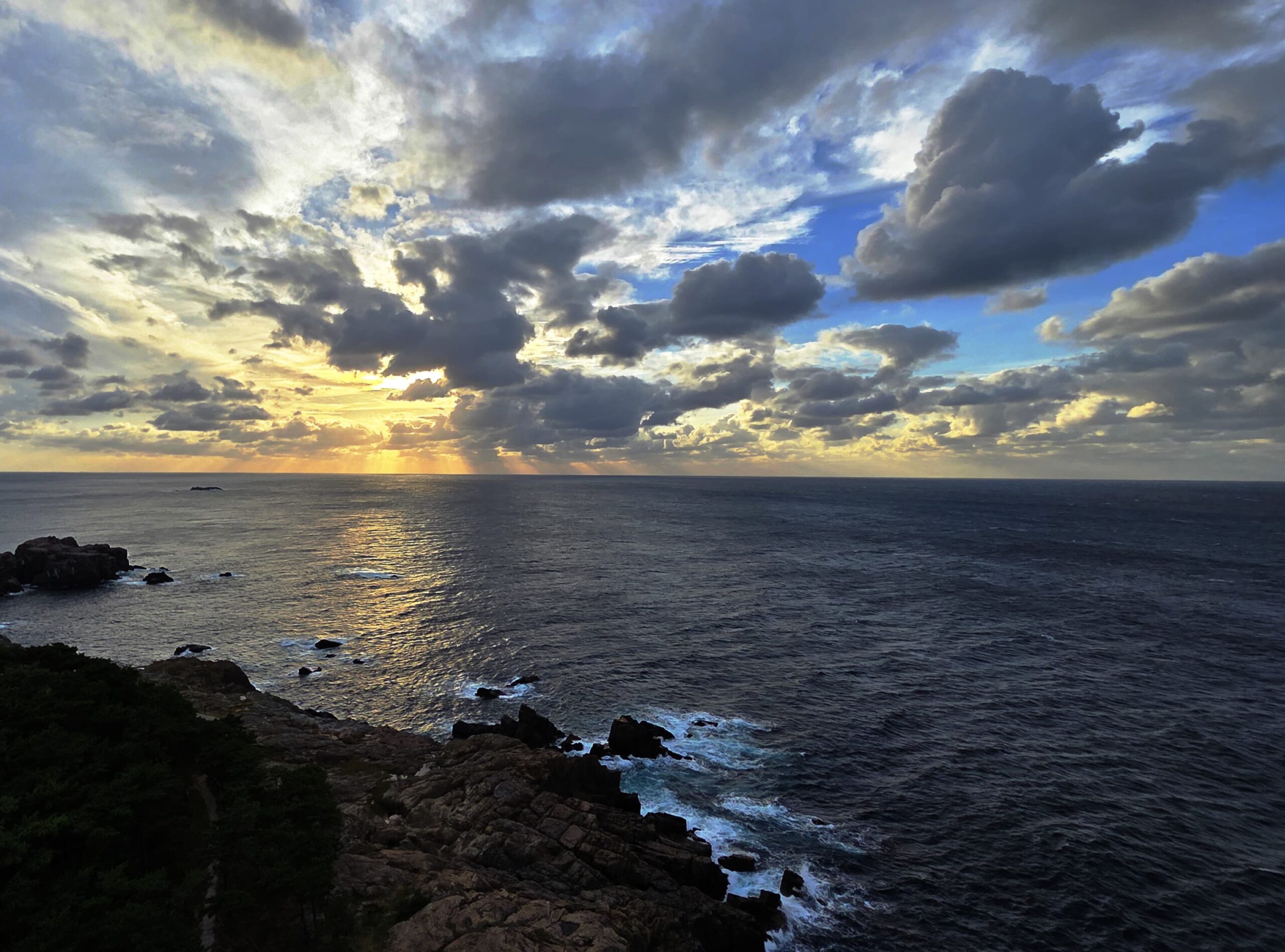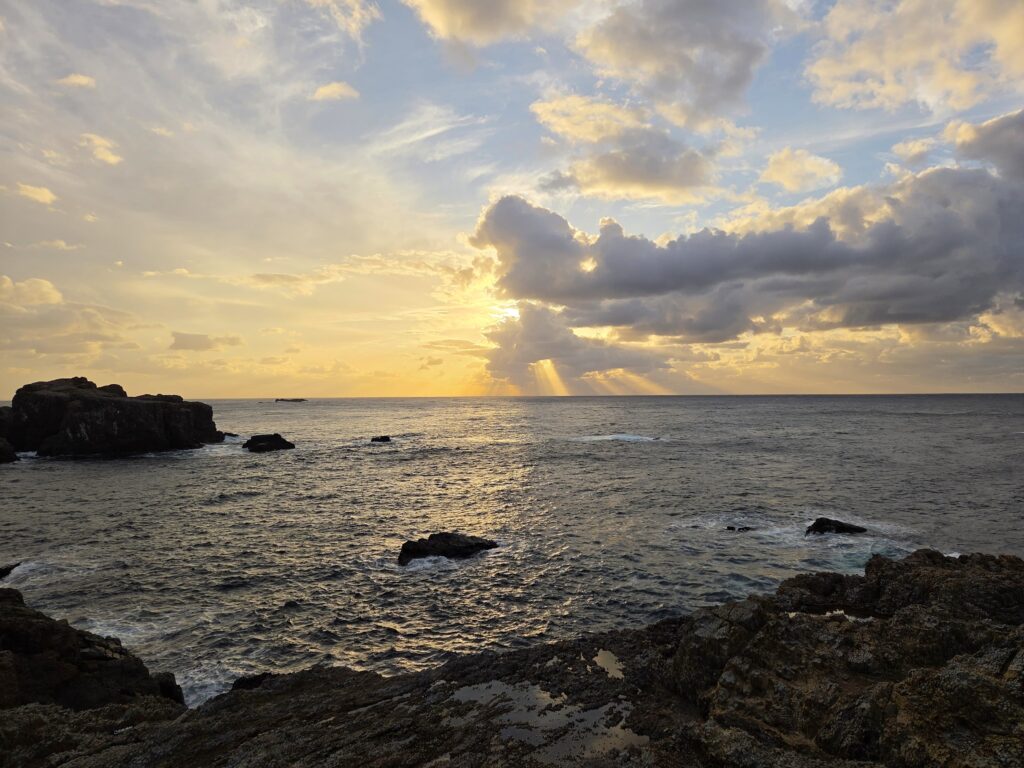
So I visited Japan again in the later half of October 2025. Unlike my previous trip in 2024, this trip was kind of booked without much plans in mind. Back when booking the flights, I only knew I wanted to explore Kansai region and maybe visit Tottori & Hokuei, the Detective Conan’s author’s hometown. But during the planning, things happened and I followed where the train lines took me and ended up exploring many parts of Chūgoku region. In a way, I loved going to places where it was less travelled by foreign travellers, since I was forced to use my Japanese language skills.
My travel plan started at the least populated region (Tottori) and slowly went to more and more dense areas and ended at Osaka. In the process, I found appreciation to many places that I had never even heard about before the trip, such as Matsue, Izumo, Kurashiki, and Okayama.
Planning
Planning the trip mostly happened in Ikuyo, and the feature set grew along with my planning. This feedback loop of adding features that I directly use is really helpful in figuring out the best user experience for others.
During planning, I know that I need to roughly follow the train routes. For the first day, I decided to go all the way to Tottori first, and then make one big round of travel before ending my trip at Osaka and flying back from there. I think it’s kind of nice to start with places where people rarely visit and slowly go to places with more and more populated areas.
For the activities, I mainly relied on Gemini to suggest sample itineraries. After it spewed some suggestions (and sometimes nonsense), I researched more about those places since sometimes those places that didn’t exist or not viable to visit. I think my prompts were like “suggest 1 day itinerary for <place>” or “suggest where to visit next after <place>”. I think I wouldn’t have gone to Matsue/Izumo if not for using those suggestions.
I think Ikuyo’s timetable view is really great for planning and arranging around activities. If one doesn’t fit a certain day, I can move it to the other day or something using drag and drop. I felt like saving lots of time in this aspect compared to my previous trip’s Excel workflow.
I think I had the first draft of plans fully filled by end of May. I had planned to visit 5 main locations: Tottori, Matsue, Okayama, Kobe, and finally Osaka. And those plans were filled with lots of day trips, especially when moving between places. I visited all these places as well: Hokuei (Conan Town), Izumo, Kurashiki, Naoshima, and Himeji.
In terms of accommodation booking, I had a crazy moment where I booked all the hotels in 2 hours. One fine night in June around 10 pm I saw ShopBack giving higher cashback rate of 10% for Booking.com but only if booked only that day, so I searched up and booked everything by end of that day. It was so tiring…
Visa Application
Like the previous trip, it was all fuss-free when doing it via the Japan e-Visa portal. I guess the only more difficult part was to provide list of itineraries. That’s why I embarked on the trip planning early so I could provide this detailed information during the application.
Several weeks after I completed the application and received my approved visa, I learned that the e-Visa is no longer available for residents of Singapore because all kind of visas are now being handled by 3rd party (VFS Global).
Passes
As I moved across many different cities and towns, train tickets were a major contributor to travel cost. When planning, I definitely didn’t consider what the JR pass constituted (like how long and which areas it covered). Only after I finished my planning that I started to look into it and realized that there wasn’t much savings I could get from buying the JR pass.
However, I still bought a JR pass anyway on Klook since there was a voucher I could use. I bought JR West Kansai-San’in Area Pass which is valid for the Kansai (Osaka and surrounding) and San’in area (Izumo, Matsue, Tottori). While the pass gives much more value if I had used Shinkansen, the places I went didn’t have Shinkansen routes and only limited express trains. I think it’s still worth the value since limited express trains cut down travel time a lot compared to local trains that stop at every town.
The Journey
So now that everything was settled, I embarked on this trip to Japan again.
Arrival and to Tottori
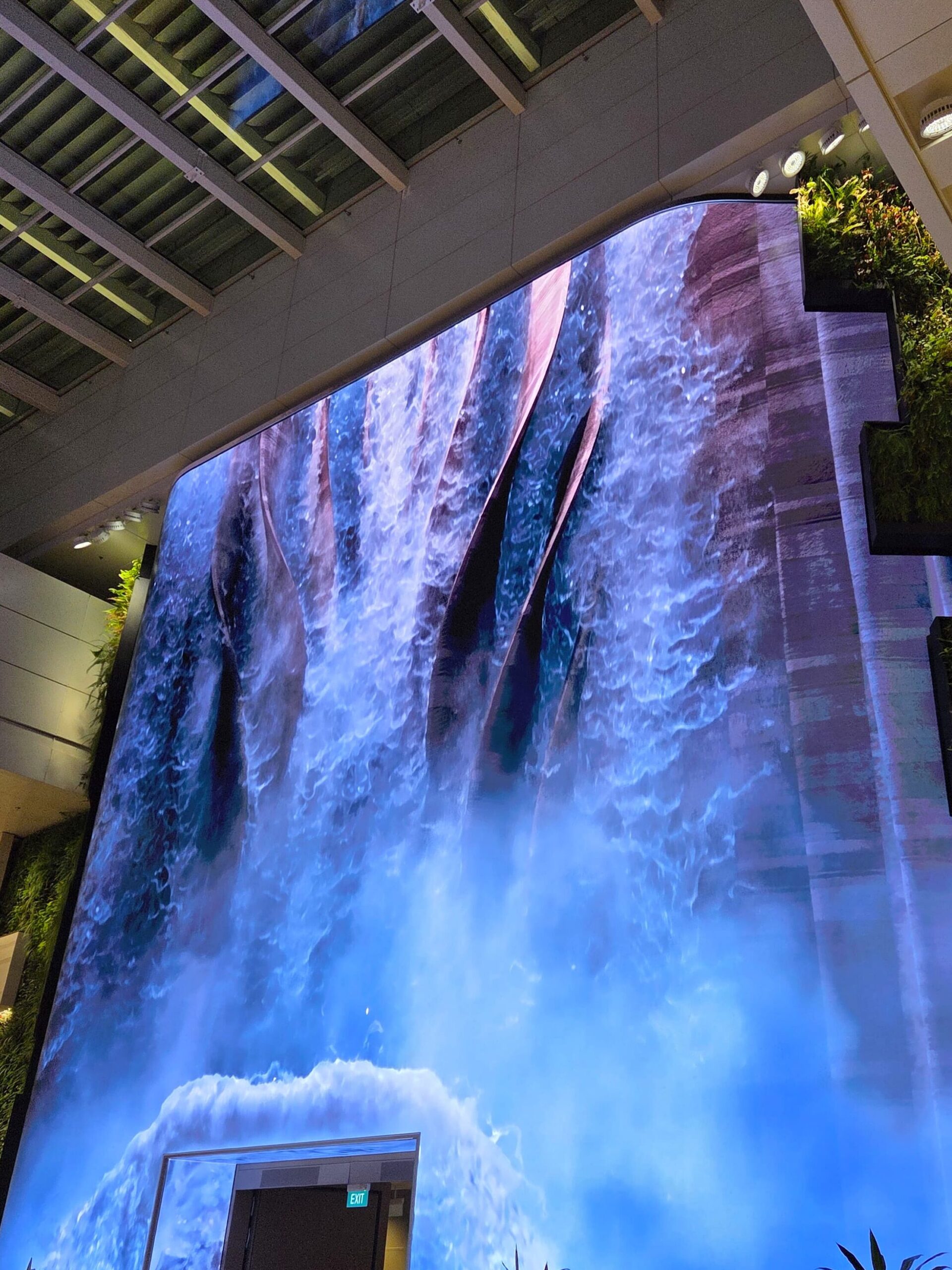
The first full day was spent in travelling. My flight from Singapore Changi Airport to Kansai International Airport was not ideal. It was a night time flight and I almost couldn’t sleep at all since I was placed on a middle row seat, and directly in front of me, there was a kid that whined and cried almost the whole duration of the flight. Arriving in Kansai Airport with high sleep deprivation, I went to JR West ticket office to exchange for my actual JR West Pass and reserved train tickets to go to Osaka and then to Tottori.
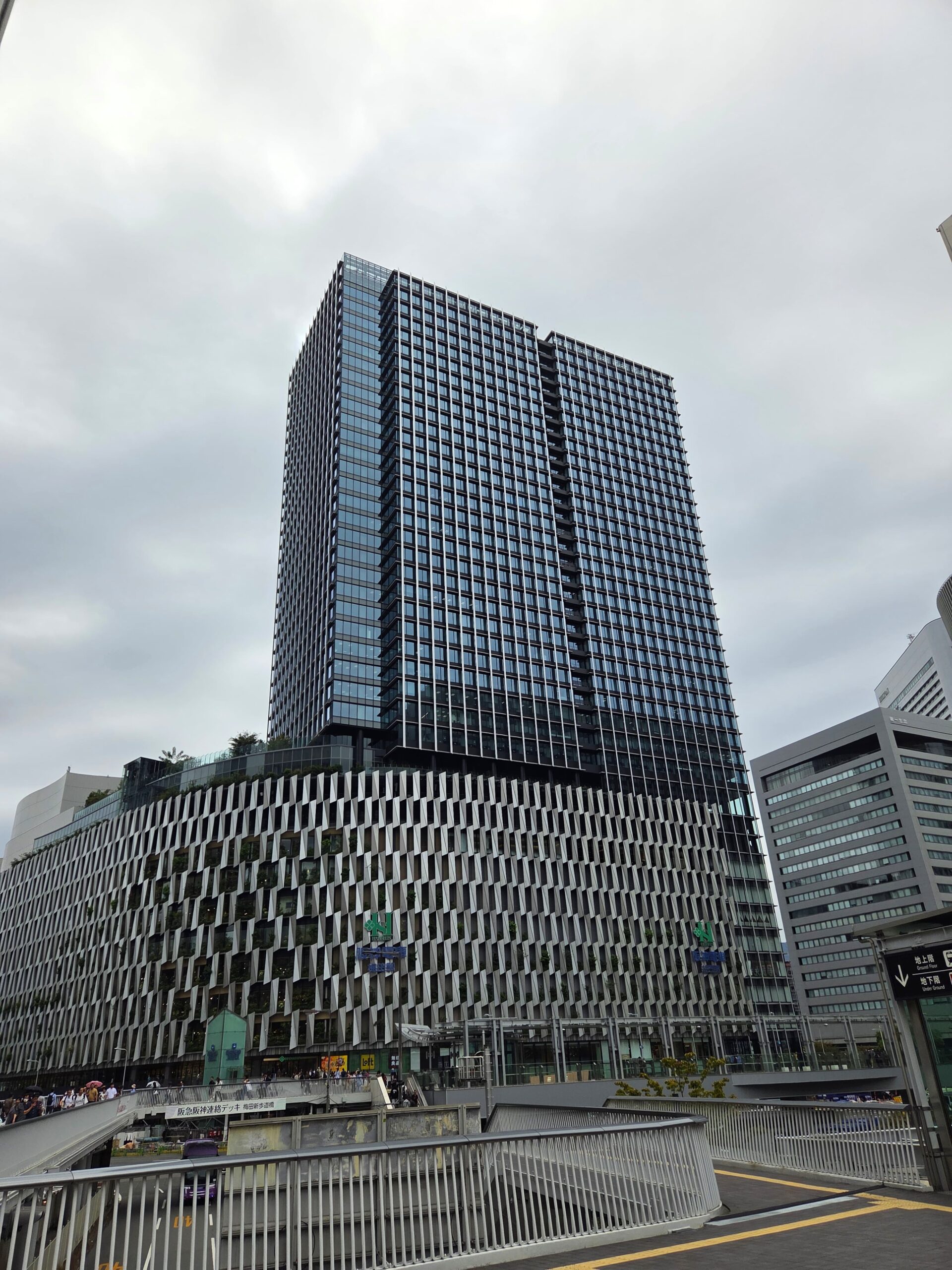
After arriving at Osaka, I was a bit lost since the station area was pretty huge and unfamiliar. Google Maps wasn’t helpful either, since I didn’t know which direction to head to when inside a building. I probably circled around one or two times before realizing the direction I wanted to go. I think it helped a lot after I managed to go outside and orient myself on where I was and where I wanted to go. I decided I wanted to go for a lunch place, and that was my most expensive meal of this whole trip.
It was a unagi restaurant. When ordering my meal, I had been “nihongo jouzu”-ed by the waitress. Such a feeling of someone “praising” that your language is good, but only as a flattery and not truly meaning it. Ah such pain. After the meal, since I said I came from Indonesia, they brought out one of their cooks who came from Indonesia to say hi to me. The meal was nice although I might not be back anymore as I didn’t feel the taste worth the high price tag.
After the meal, I rushed to the train station, bought some snacks, and then boarded the limited express train to Tottori. This trip took like 2.5 hours and as the train went further, there were some sections that only had 1 lane and the train needed to wait for the opposite train to pass first before it could pass.
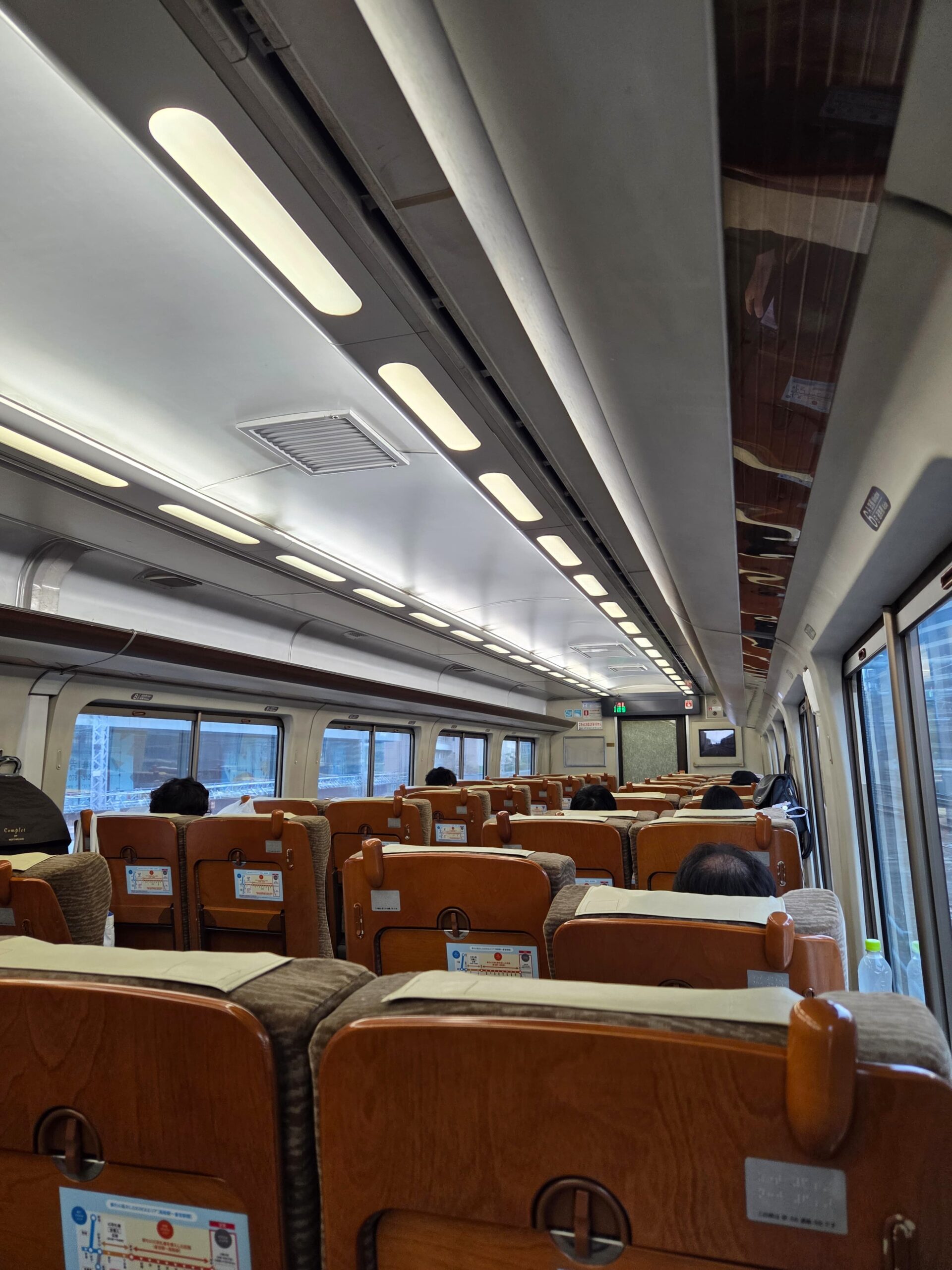
The train’s interior was quite classic, like those 80s kind of looks. Also the electronic signage which specifies the next stop has both English and Japanese texts. However when it is running texts in Japanese, it gives a lot more information, like introducing the next stop’s attractions or special features the attractions. I tried reading some of them, but after some stops I got bored and I took a nap since I was really tired.
Tottori
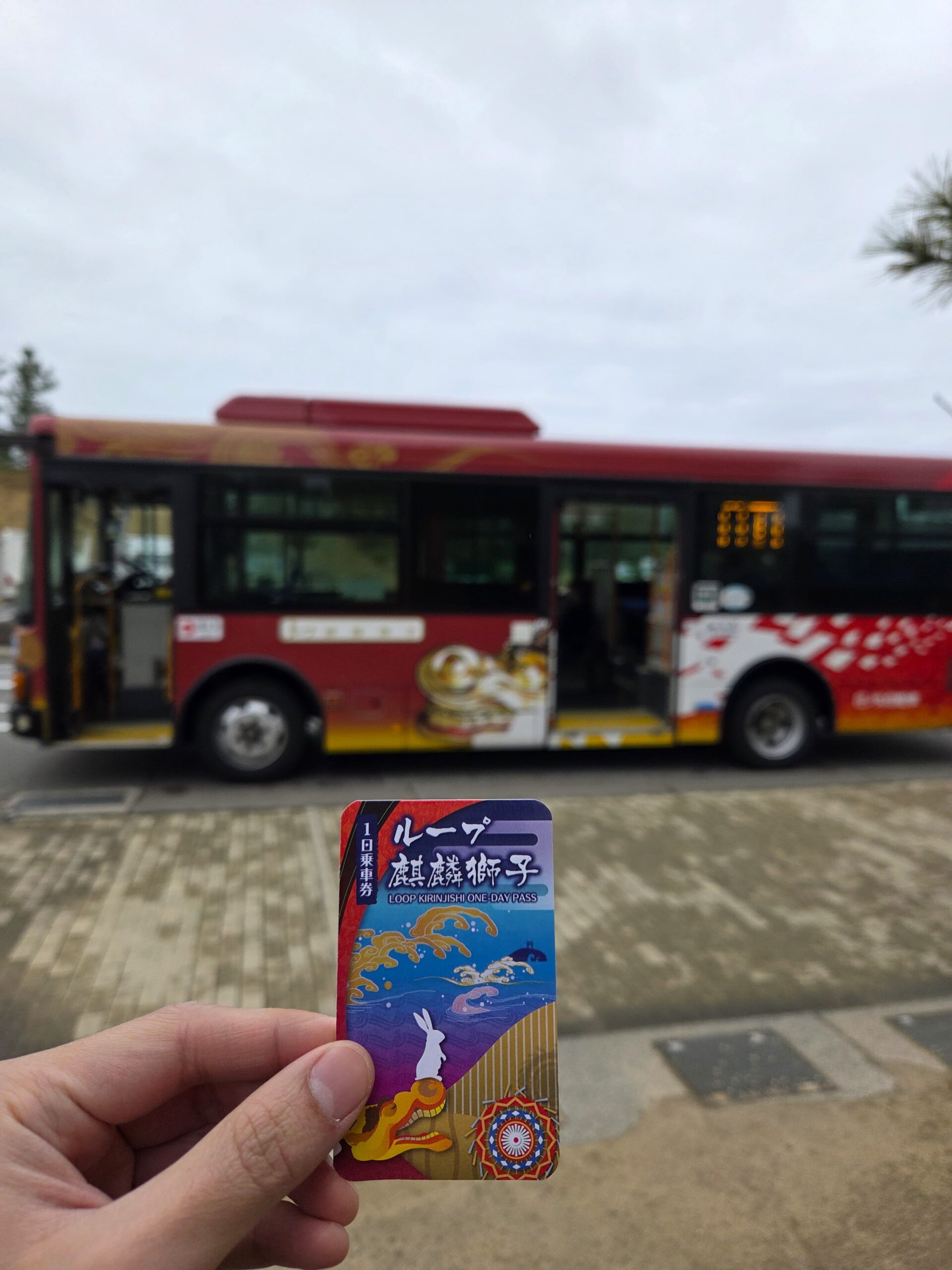
After arriving in Tottori, it was cloudy and started to rain. The train station, even though it is the prefectural capital’s station, is kind of small. I stopped by the tourist information kiosk to read through the bus timings and decided to buy bus day pass for the next day.
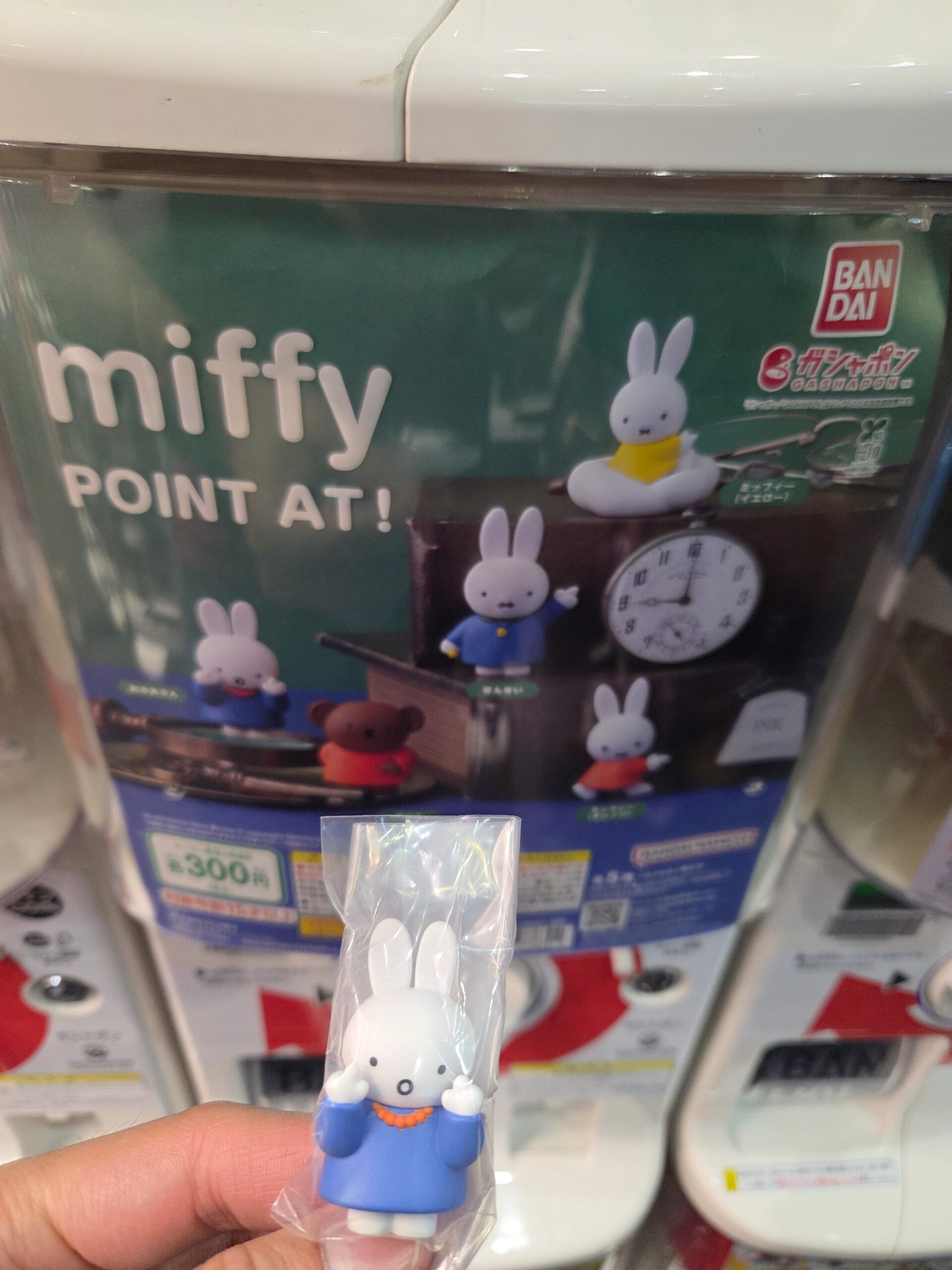
After checking in to hotel, I rested for a while before going out for dinner. It was raining heavity, and it was kind of cold. After dinner, I went to a supermarket to buy some fruits, where I specially bought some locally grown fruits. Kind of expensive, but I told myself that I wanted to try those. After that, I went back to explore the train station area, which has a small mall area. The mall area has one gashapon station with one whole row of Conan-related merchandise.

The next day, I woke up early to maximize the day. Since I bought bus day pass, I decided to take the first bus. The first place I visited was the Tottori Sand Dunes. I had planned to visit this early to also avoid extreme heat. However the day seemed to be cloudy with slight rains so all was good.
The sand dune is really huge. There were a lot of climbing up and down involved, where one hill can be like 30-50 metres. Since it rained the day before, the sand was kind of wet and easier to walk on. However, they weren’t looking as good as expectation in pictures. I think my favourite spot was the hilltop beside the sea, where I can feel the sea breeze while watching the sea waves. I went down too to the sea shore to check out closer, but kind of regretted it when I had to climb up the hill back when going back. It was said that there are camel rides and paragliders too, but maybe it was later in the day since it was still quite early in the day.
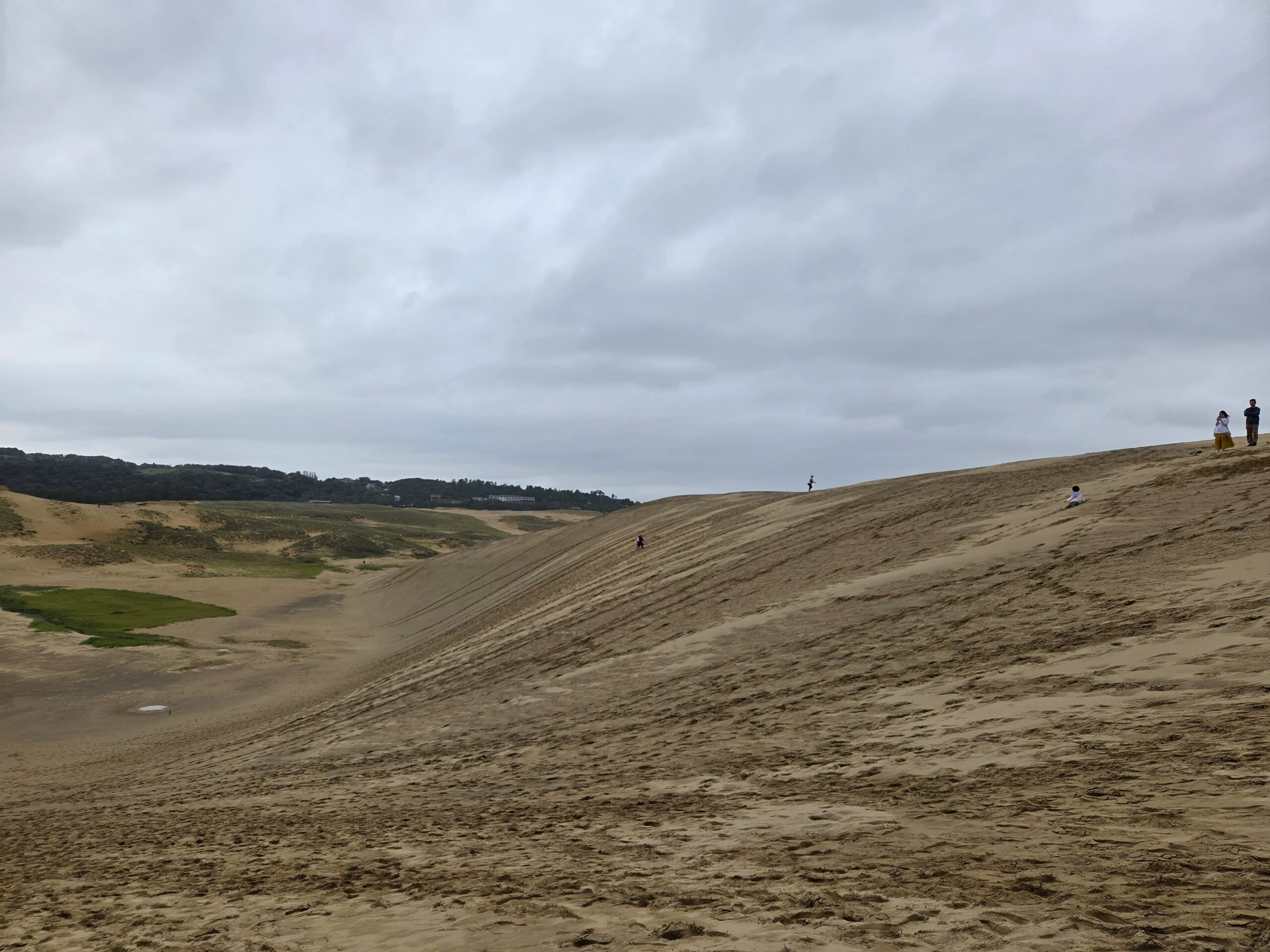

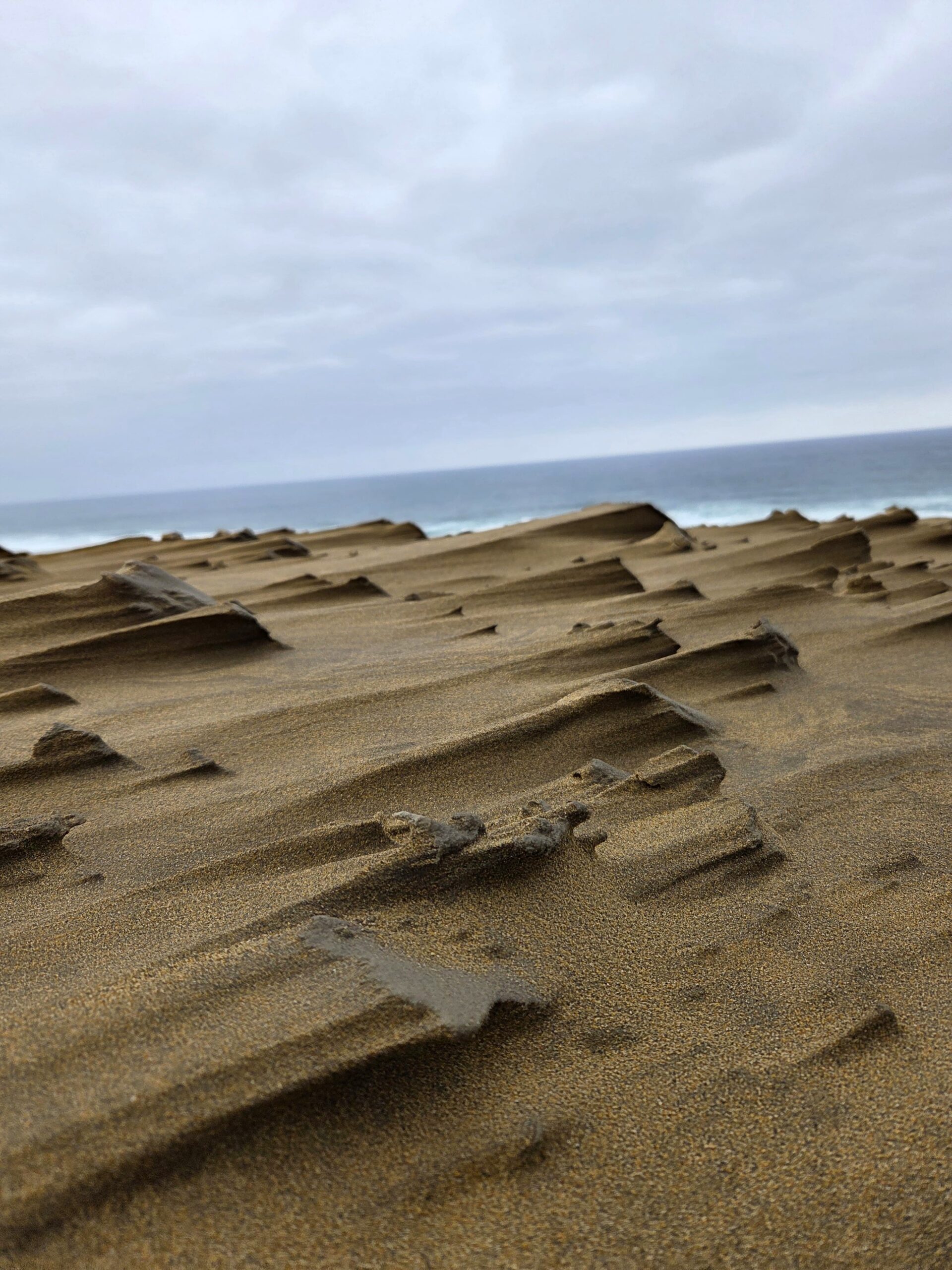
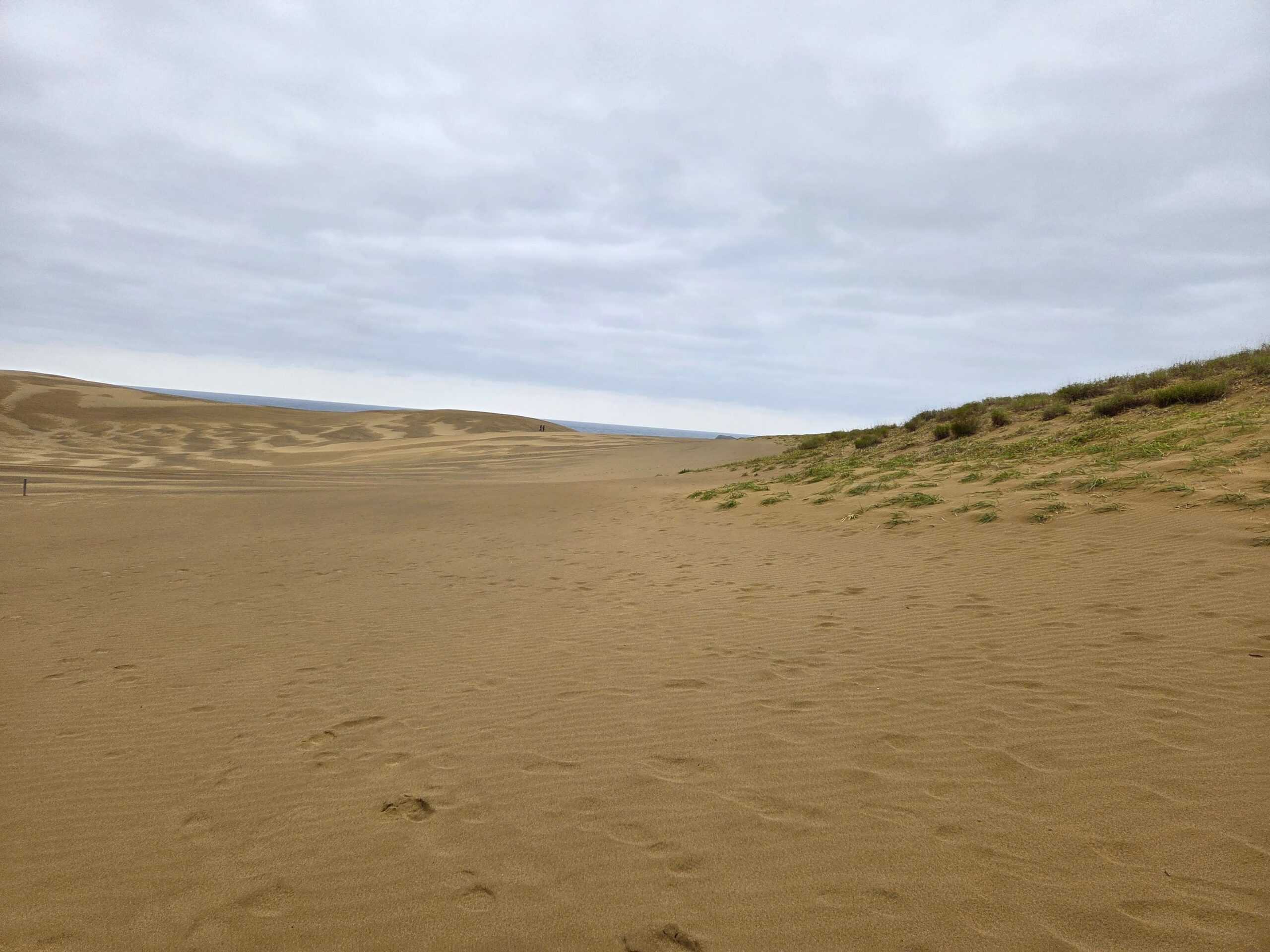
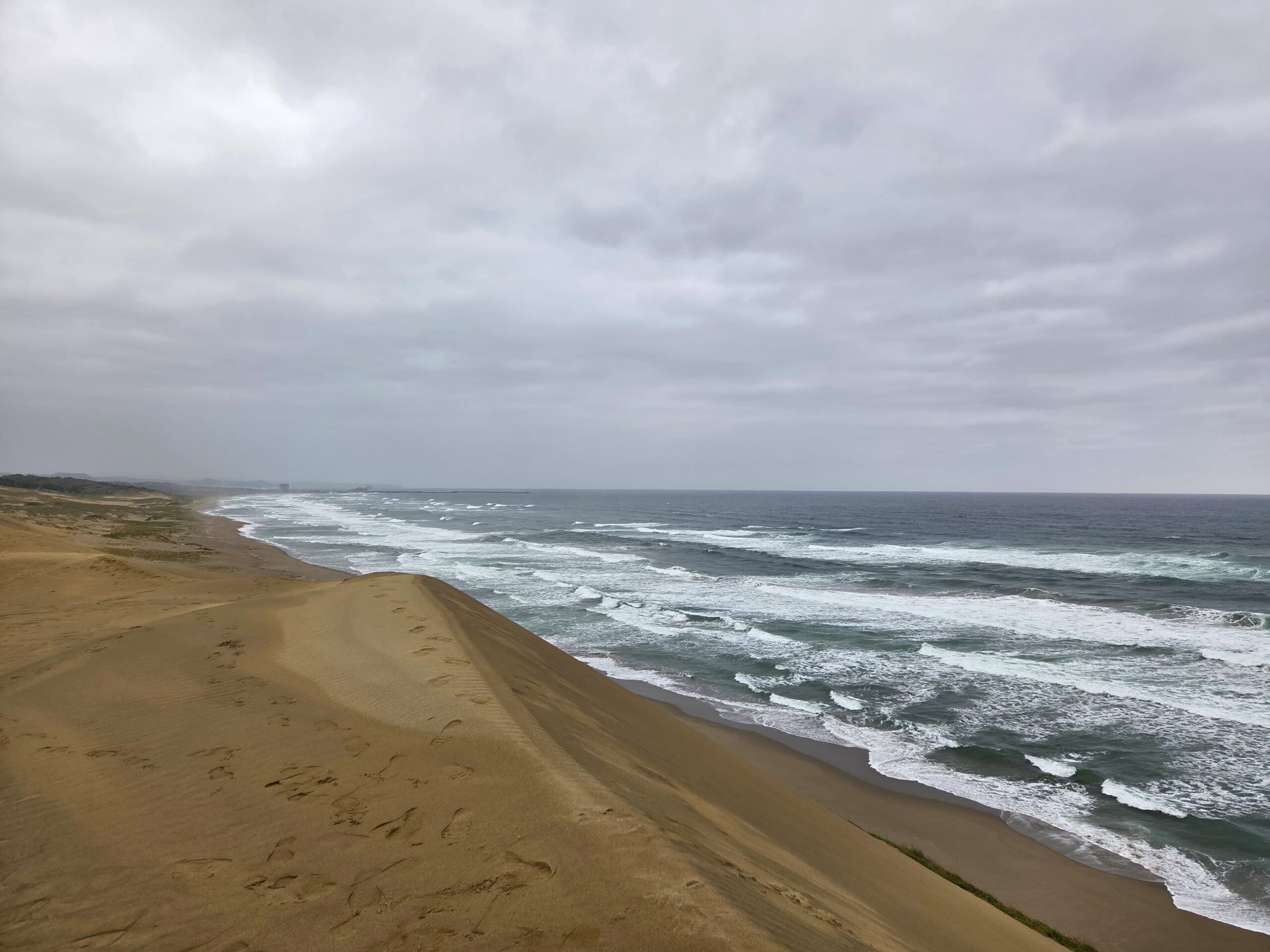
After going out from the sand dune, first thing I did was to clean my shoes and rest for a while. It was very surprising that somehow sand also got trapped inside my socks.
Taking the bus again, I went to the Tottori Sand Museum. It is a really impressive art museum that showcases lots of creations using only sand and water to harden and craft those artworks.

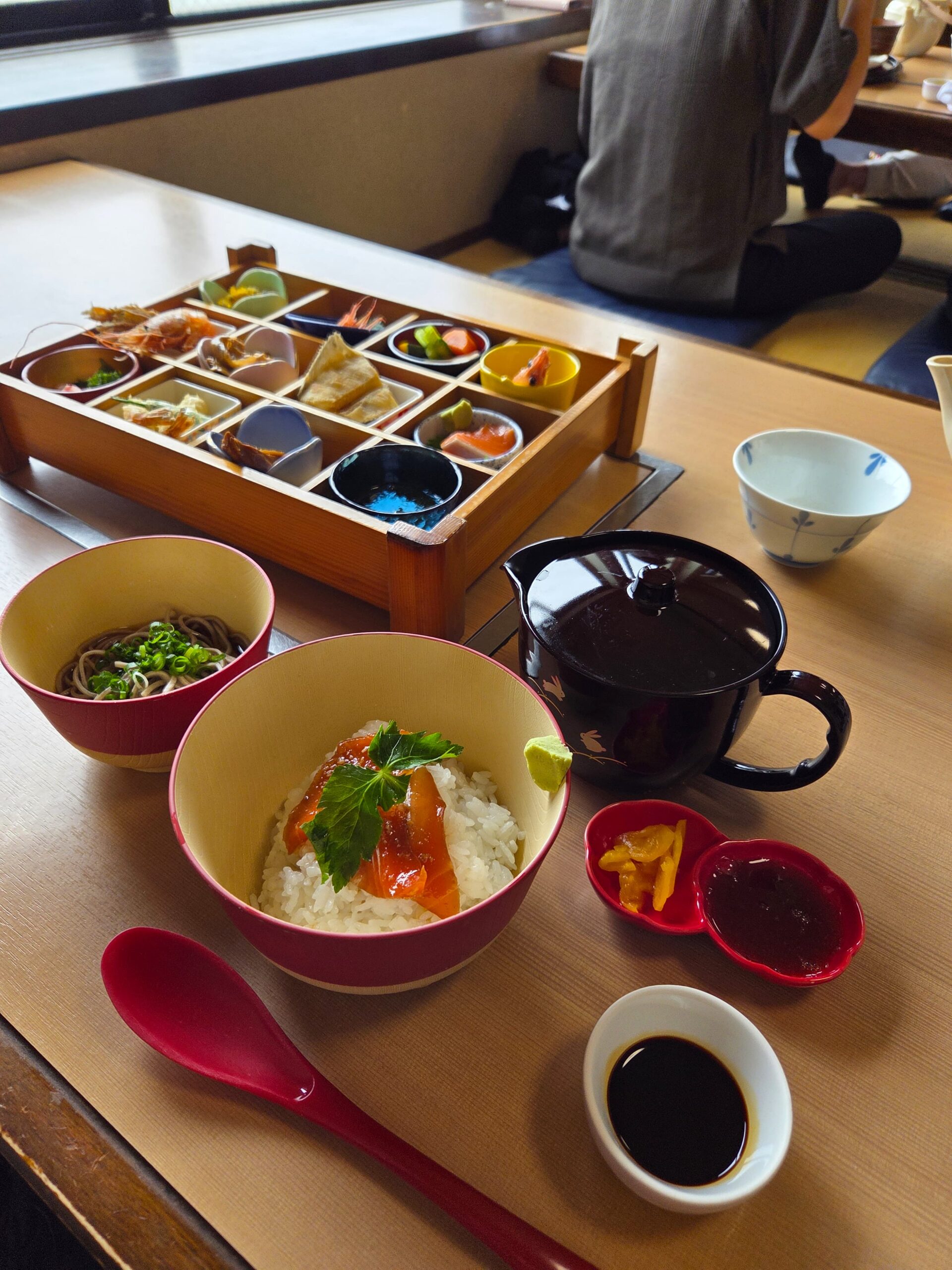
Then I took bus again to the Karo harbor area. First I stopped at the shrine area, and paid a visit to the shrine but it was kind of deserted even for a Sunday. After that, I had lunch and the seafood was really good! The shrimps I ate were really fresh.
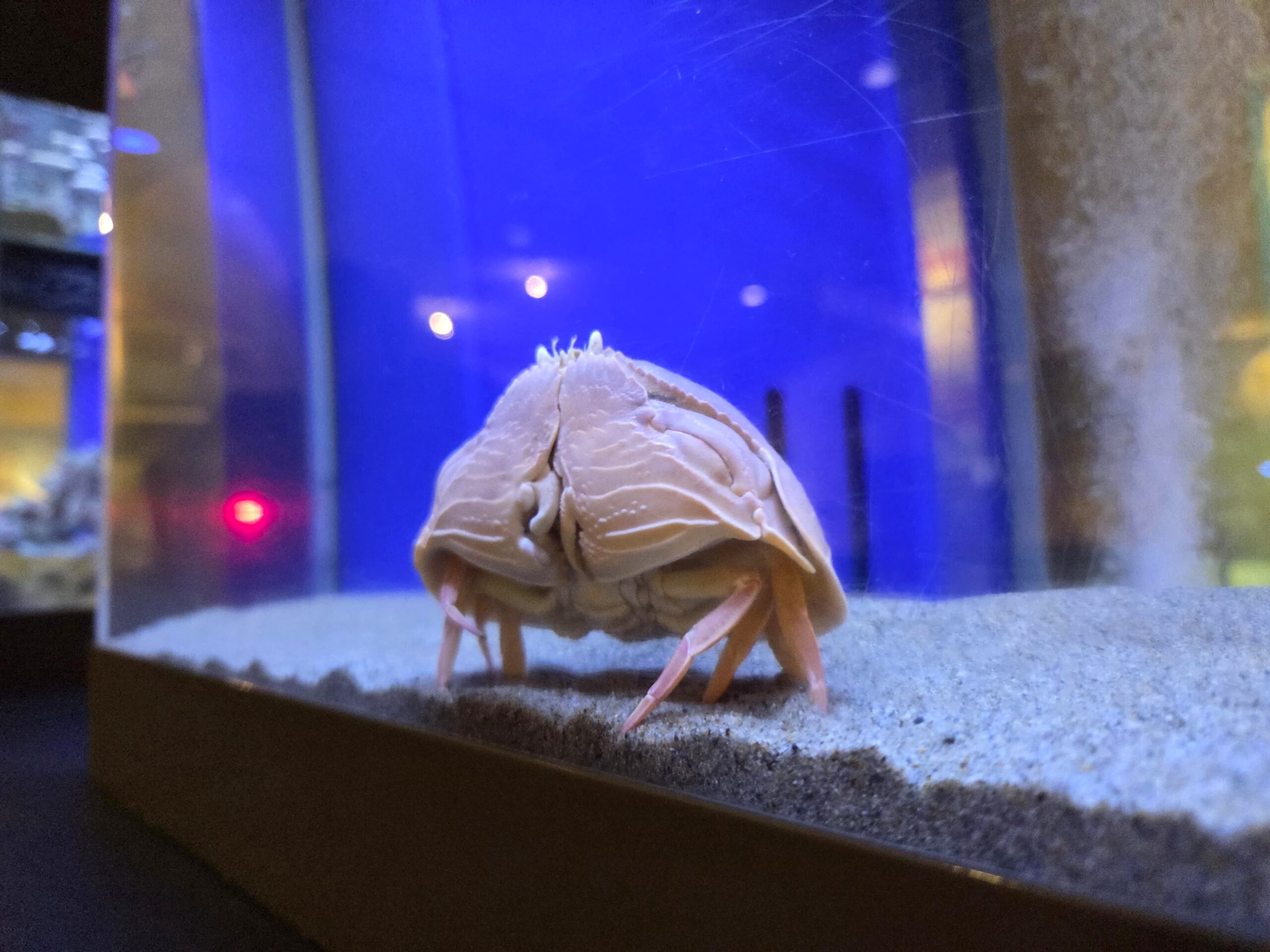
Then, took bus again to the Tottori Karo Crab Aquarium. It had free entrance and they showcased quite a number different species of crabs. I visited a local grocery store named Wattaina Local Produce Market and bought some persimmons to try.
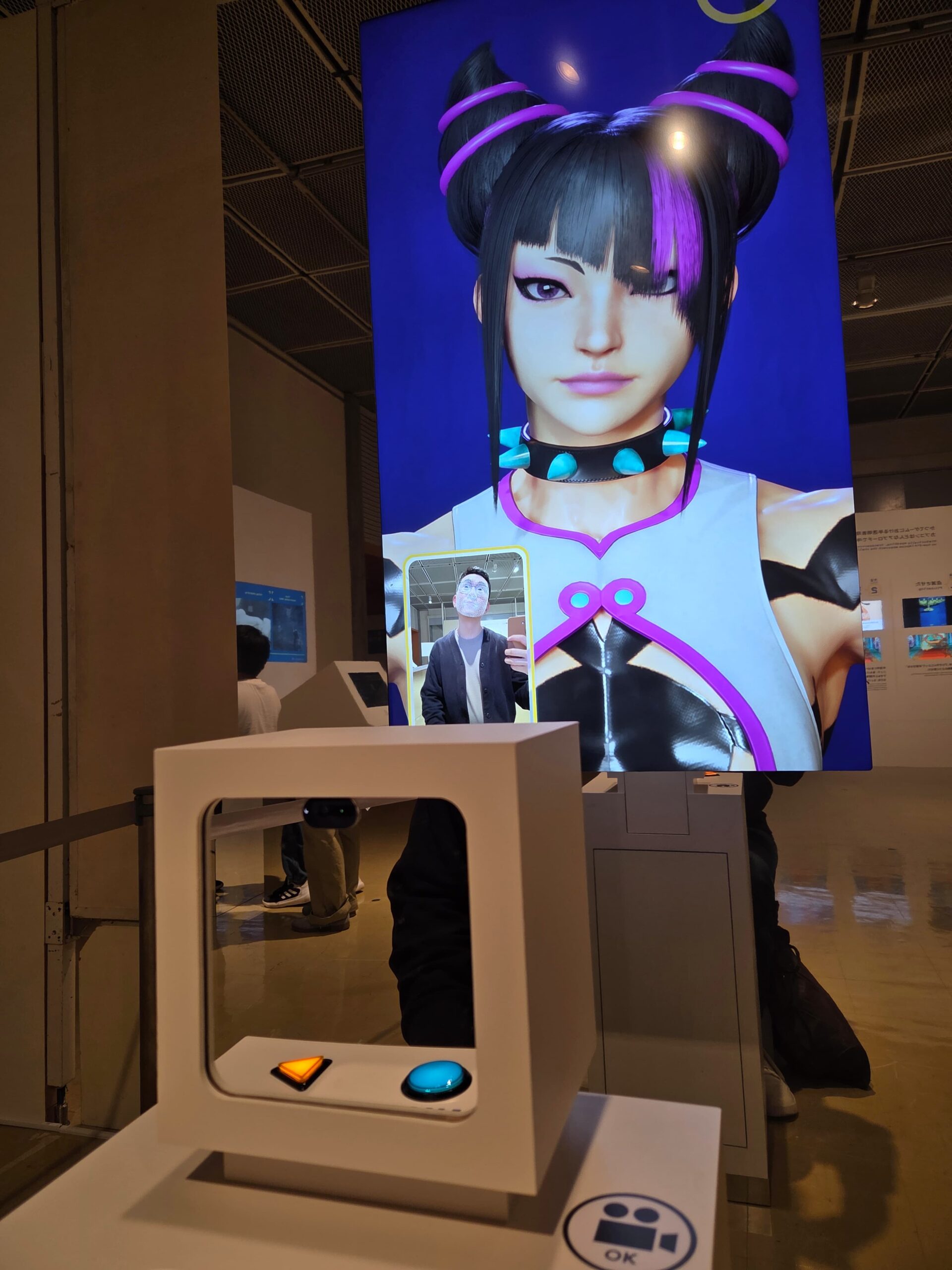
Then, I took bus again to Tottori Prefectural Museum. The museum had just opened a special exhibition on Capcom, and it was really good! They showcased their games over the years and many exhibits were interactive too.
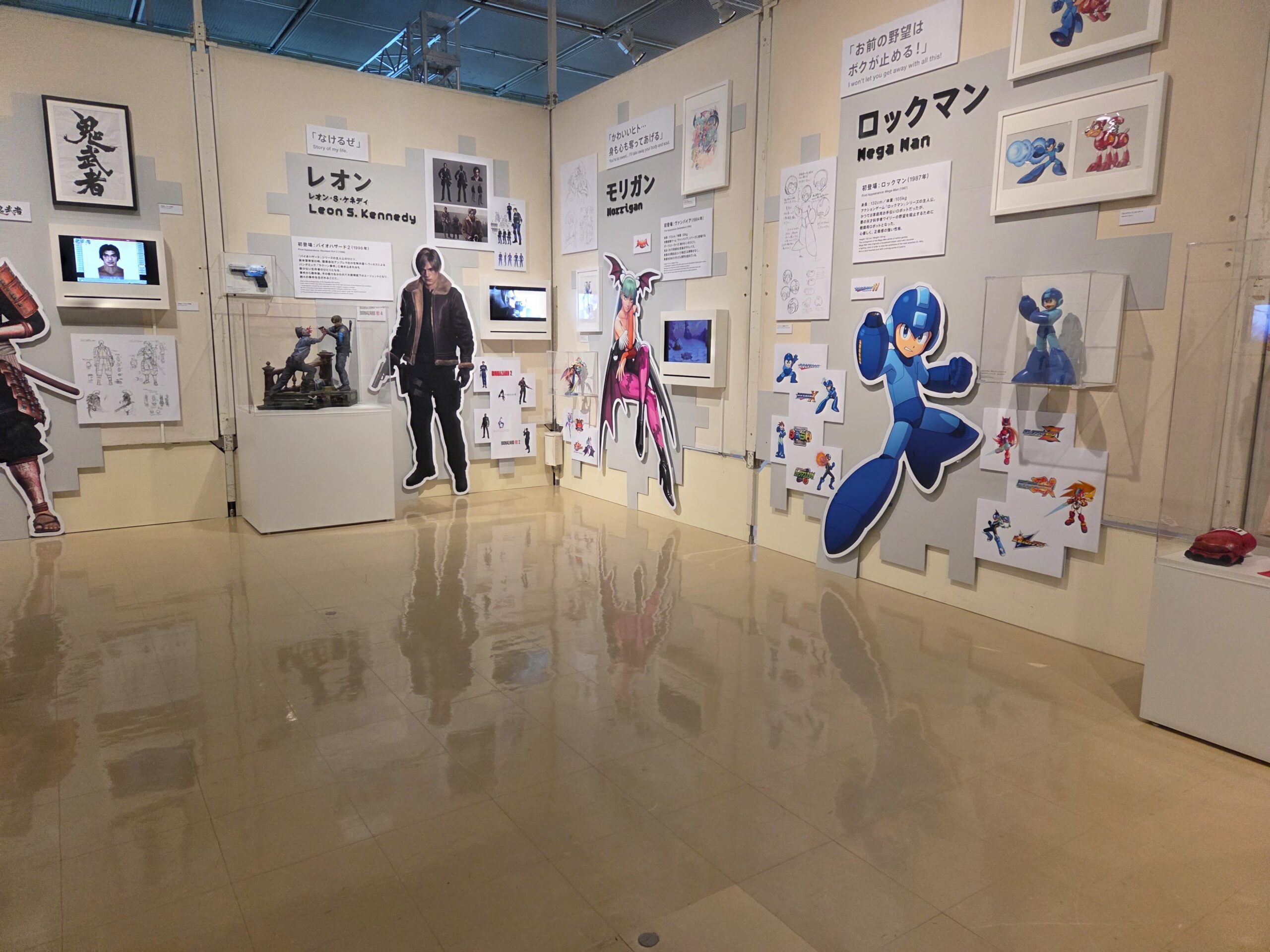
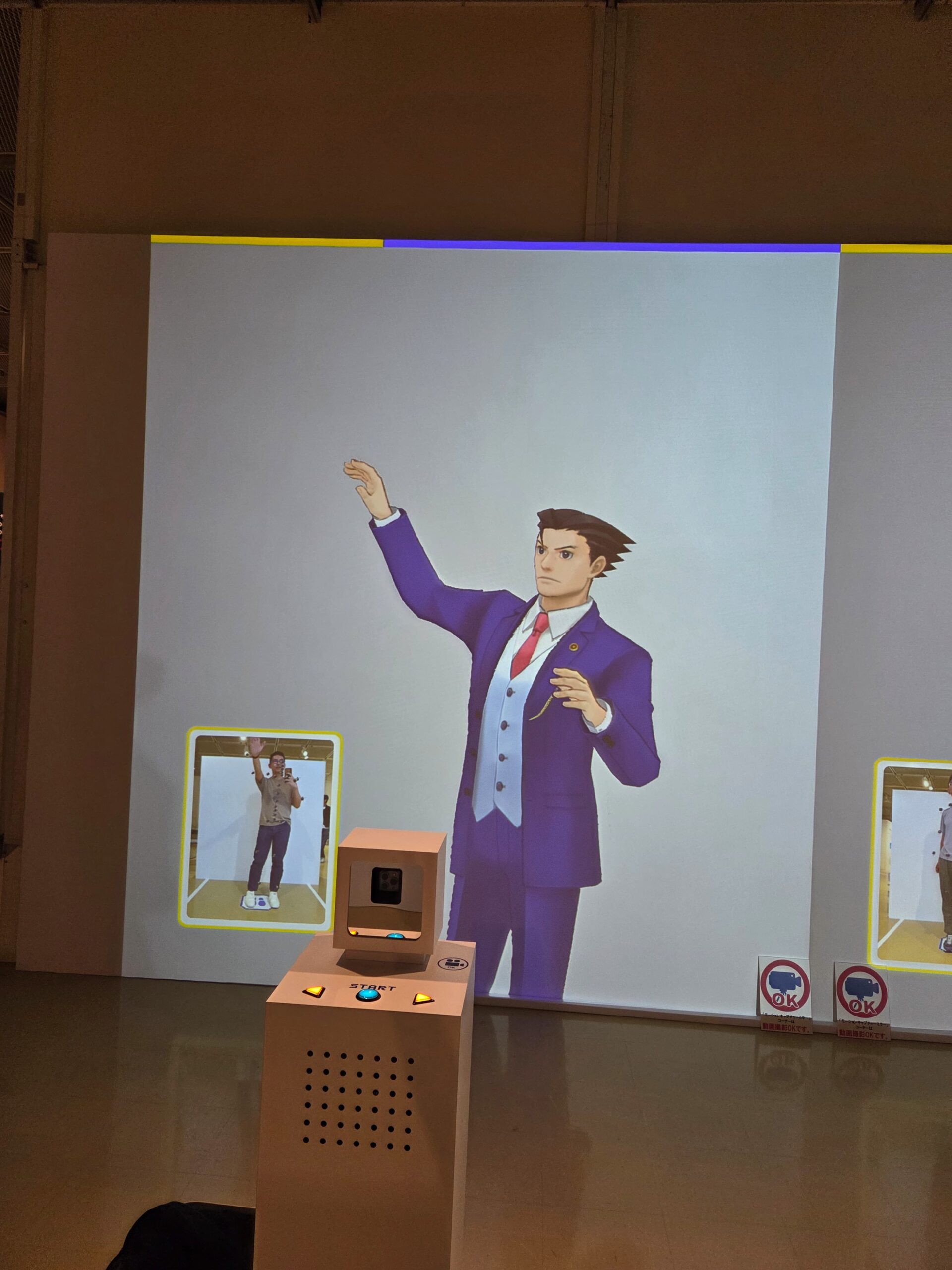
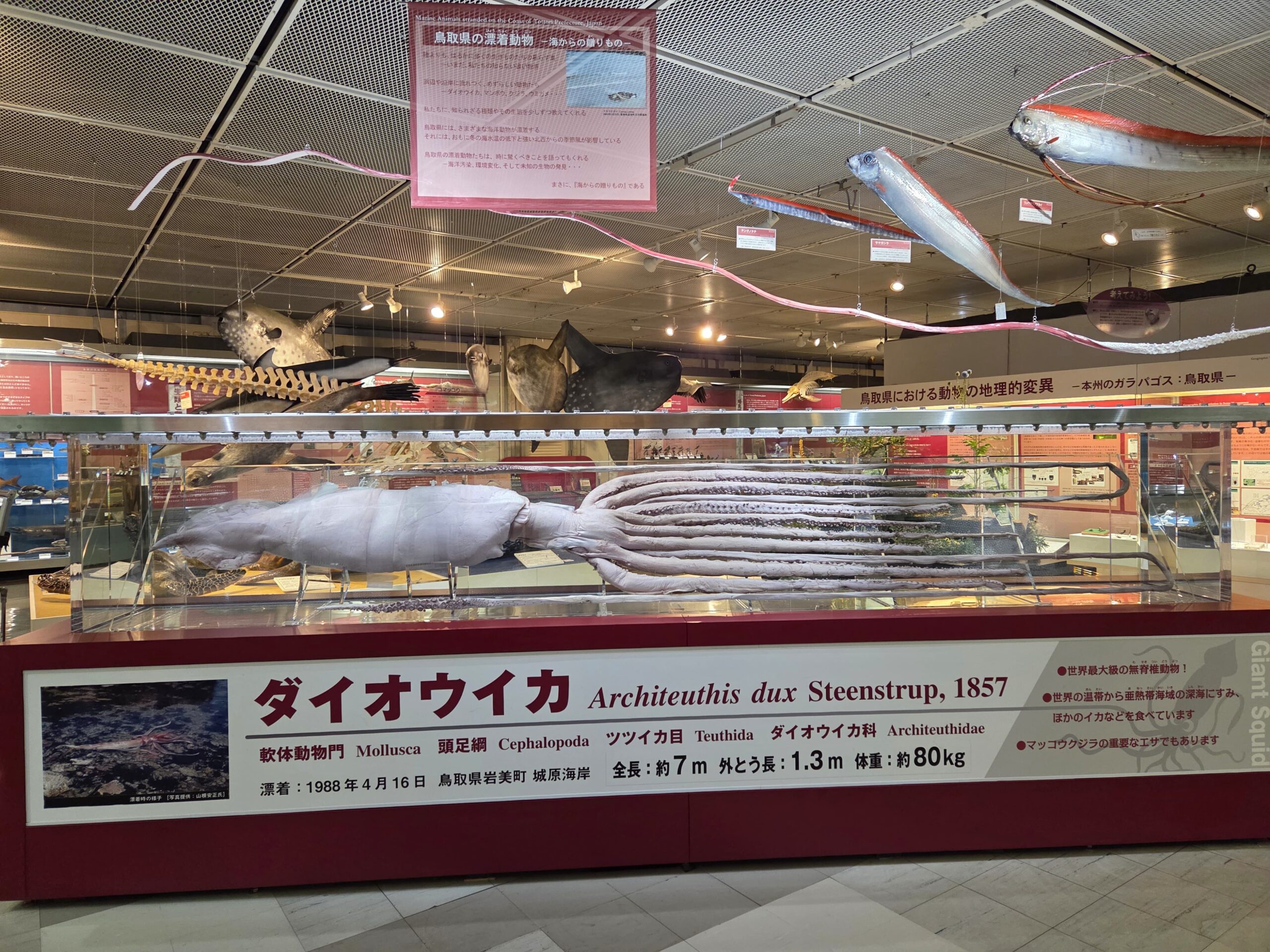
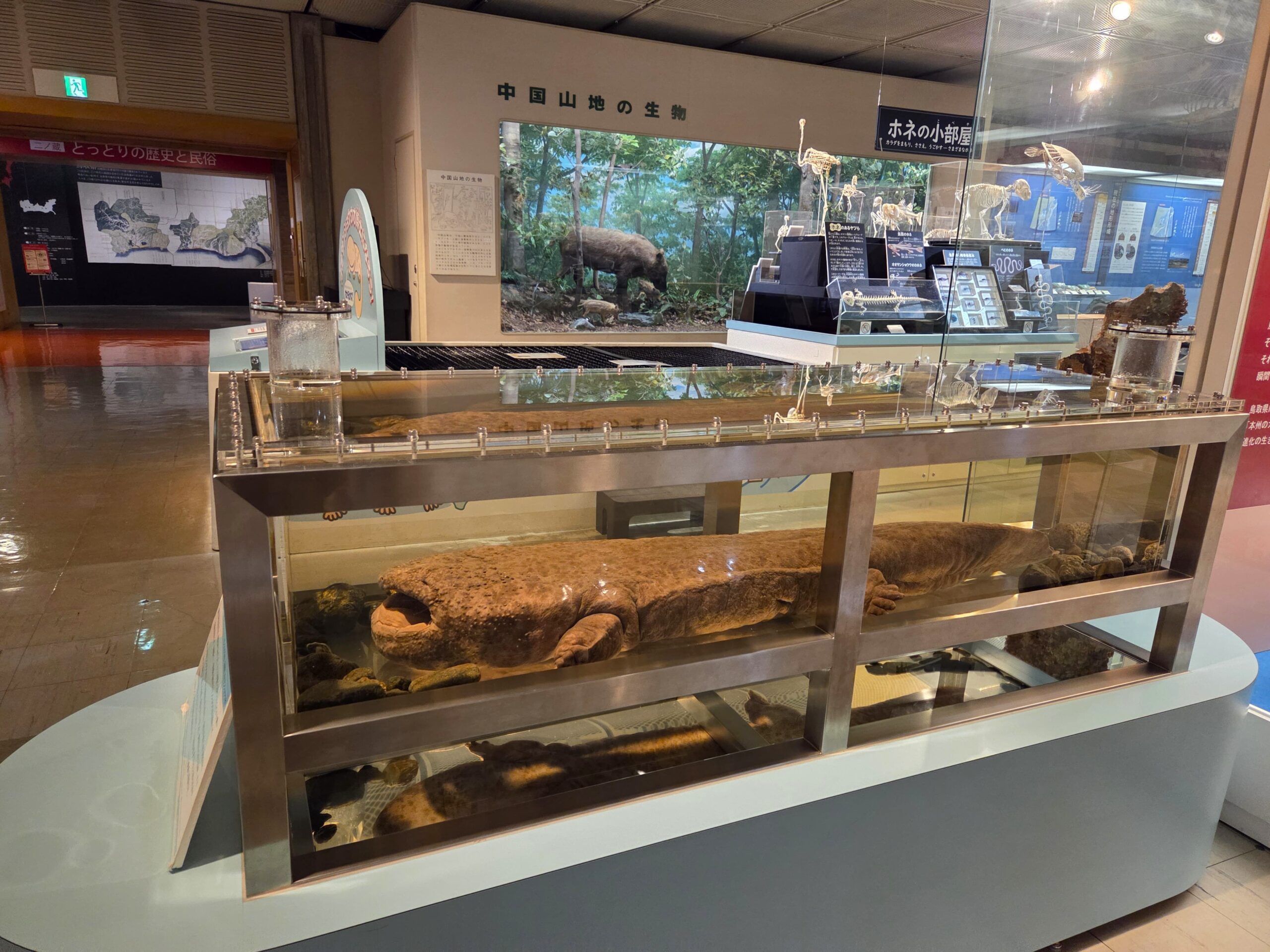
The permanent exhibition was about Tottori history but there wasn’t much crowd there. I think the most interesting exhibit there was huge fossils of sea creatures.
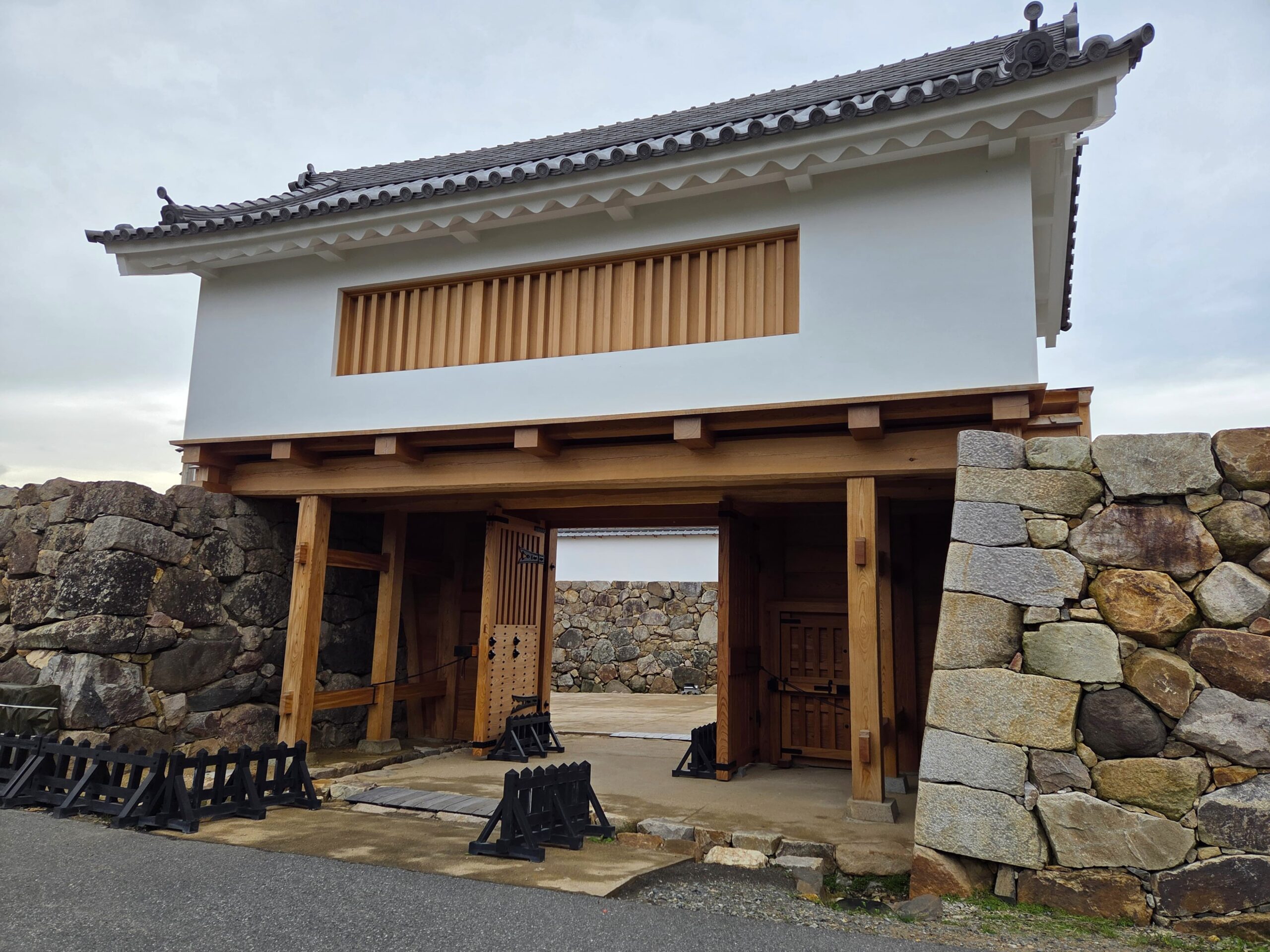
To end the day, I visited the Tottori Castle Ruins located just next to the museum. There was nothing there, since the castle main tower has been completely demolished. The only remains there are the bases. I climbed up to see the empty fields and it was possible to get a view of Tottori City here. Next to the castle, there’s a Western-style guest house as an attraction but it was undergoing renovation. The only open part was the Japanese garden behind which was pretty peaceful. I saw my first autumn leaves here, so pretty.
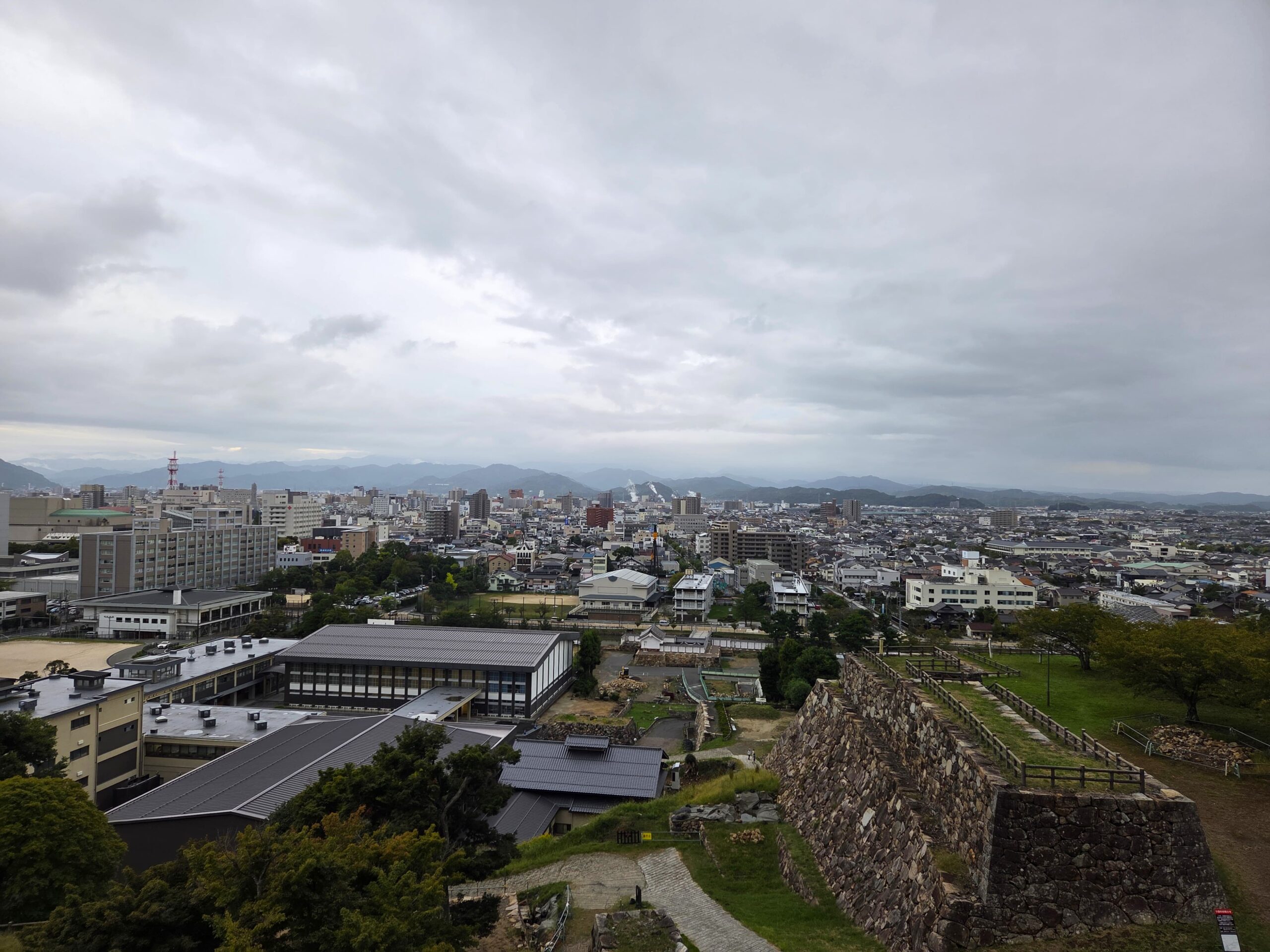
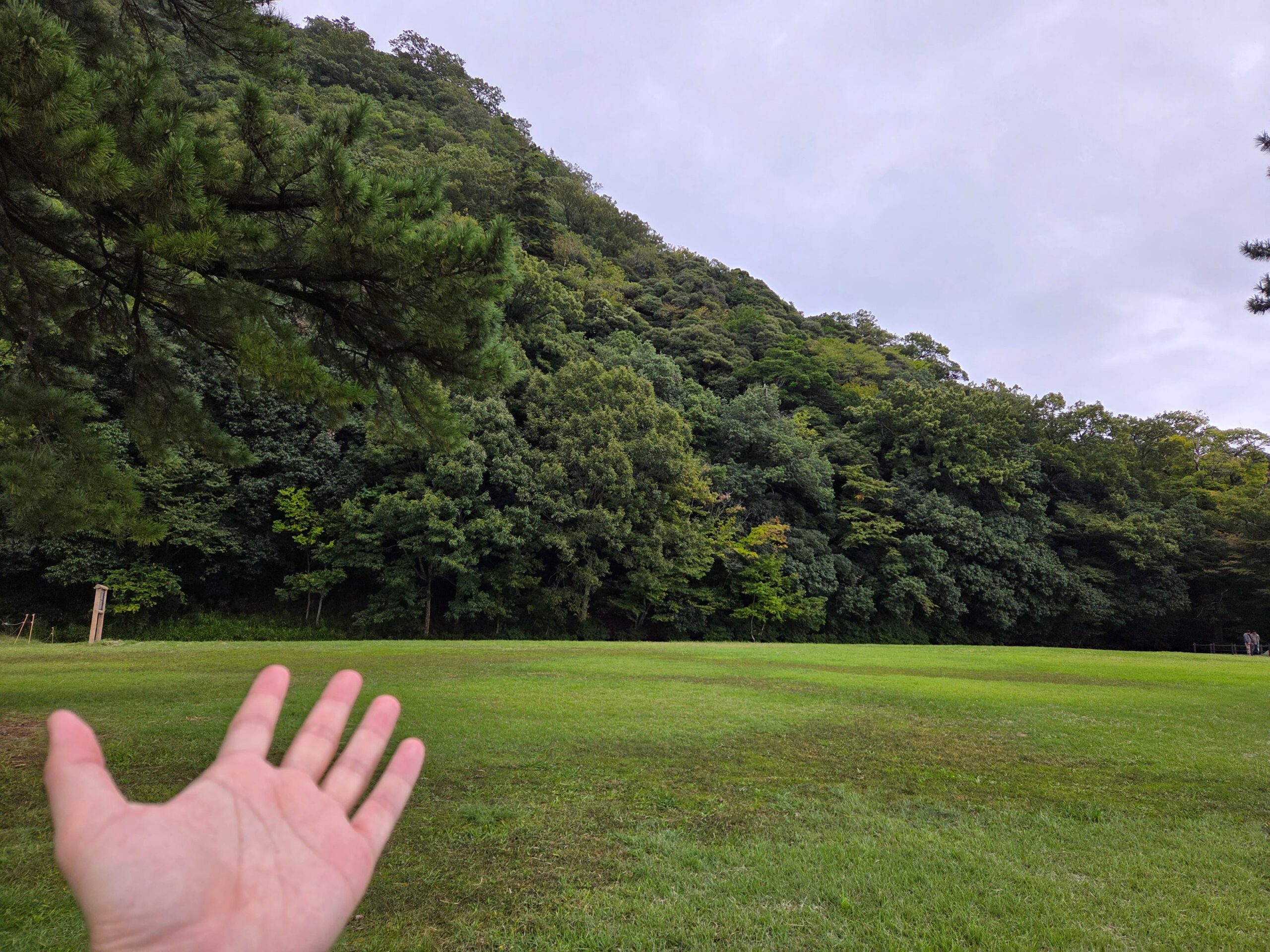
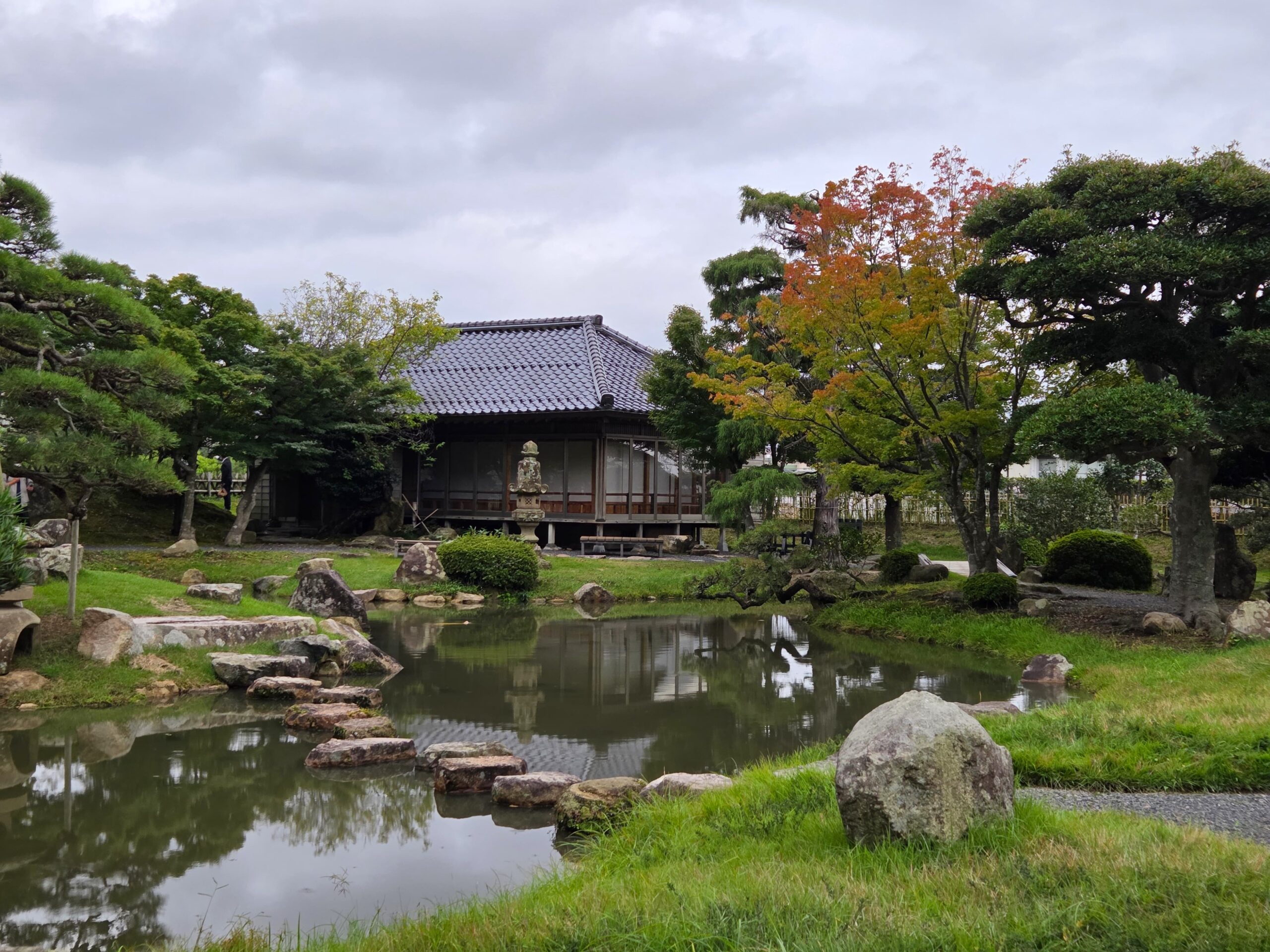
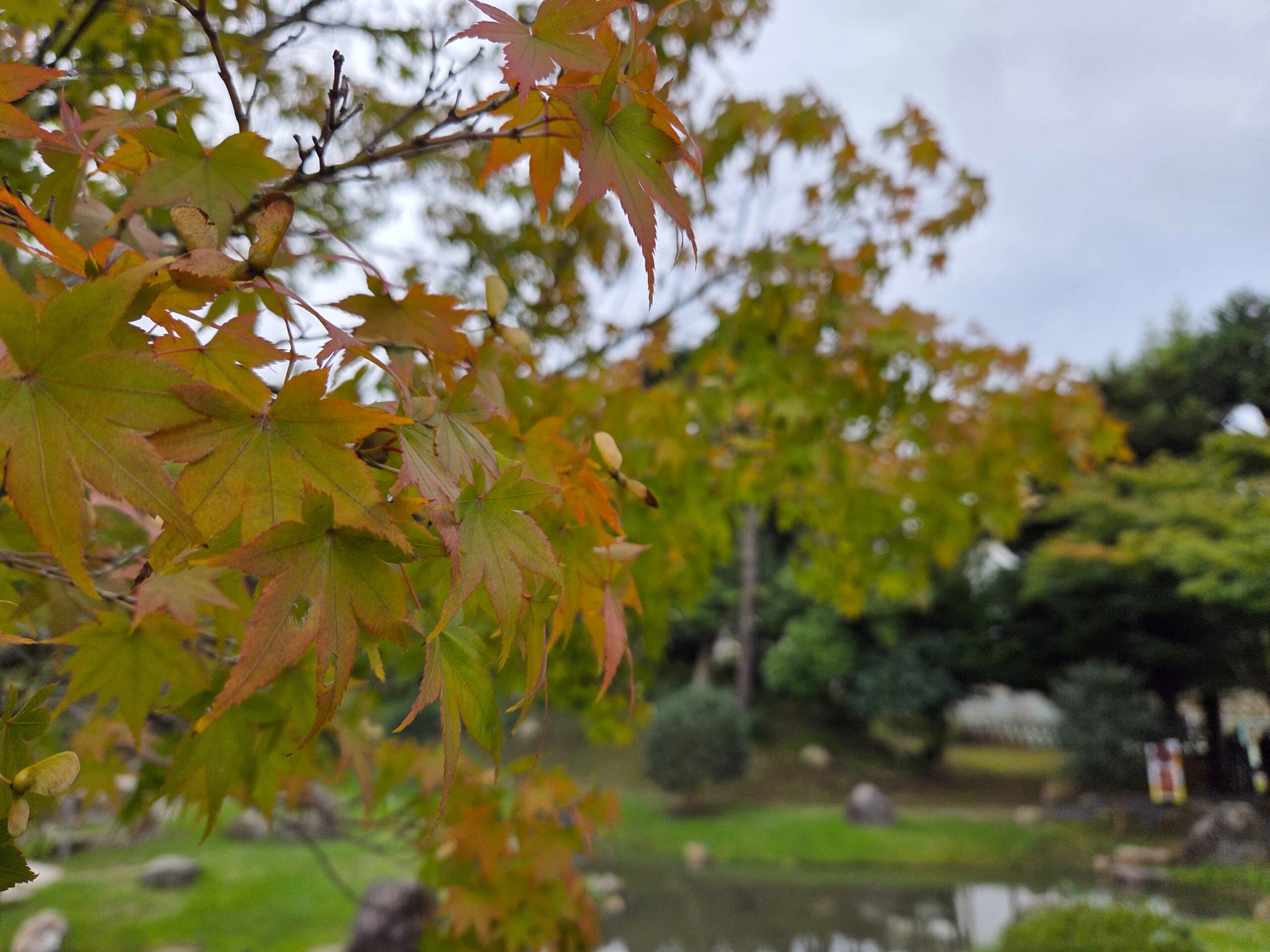
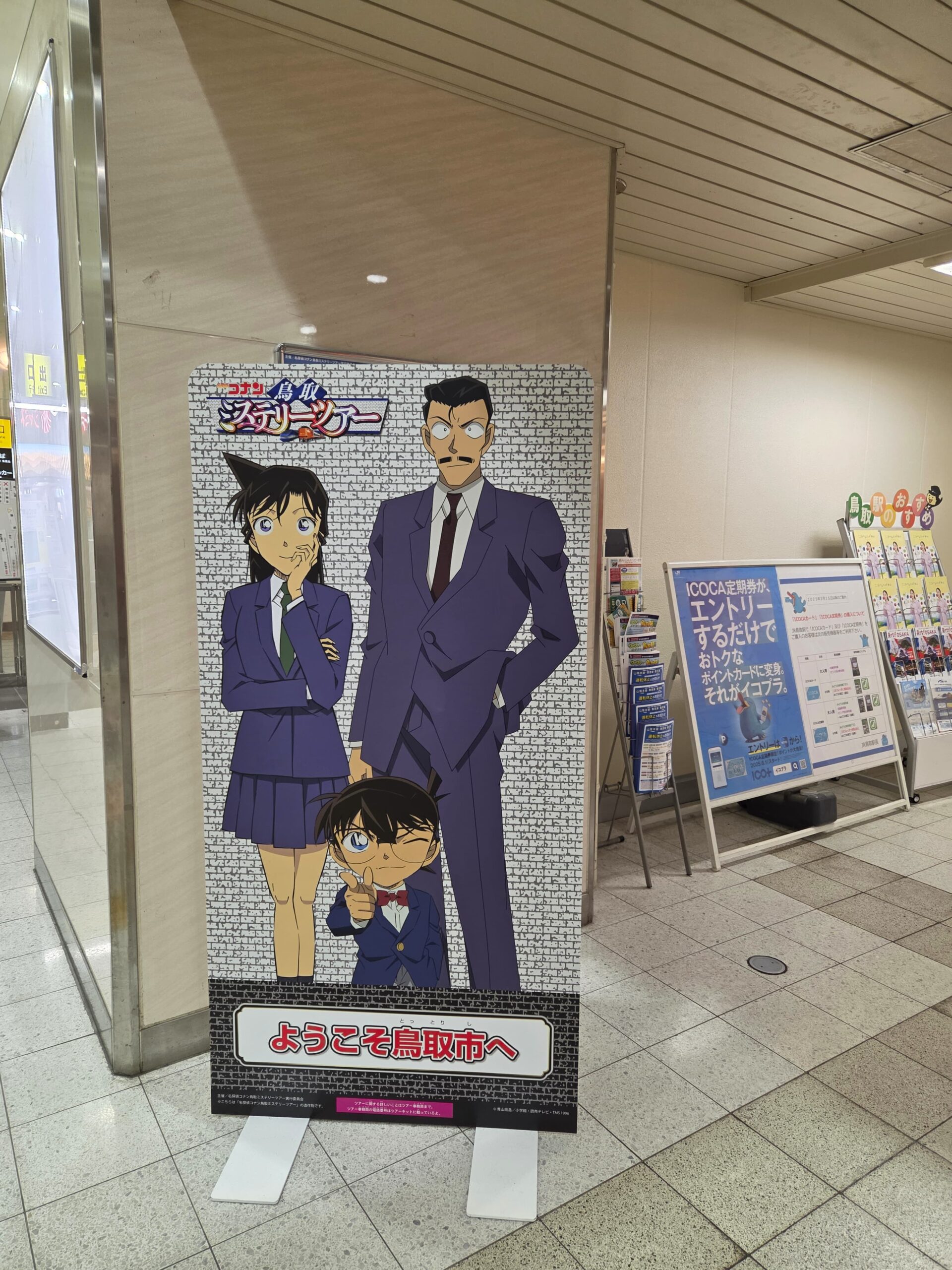
From my observation, it seemed like there were people taking on a Detective Conan-themed challenge to visit those attractions to find hints and solve puzzles, presumably to exchange for some prize after completing the challenge. I saw those posters too in the train station but decided not to join since the places all deviate from my routes.
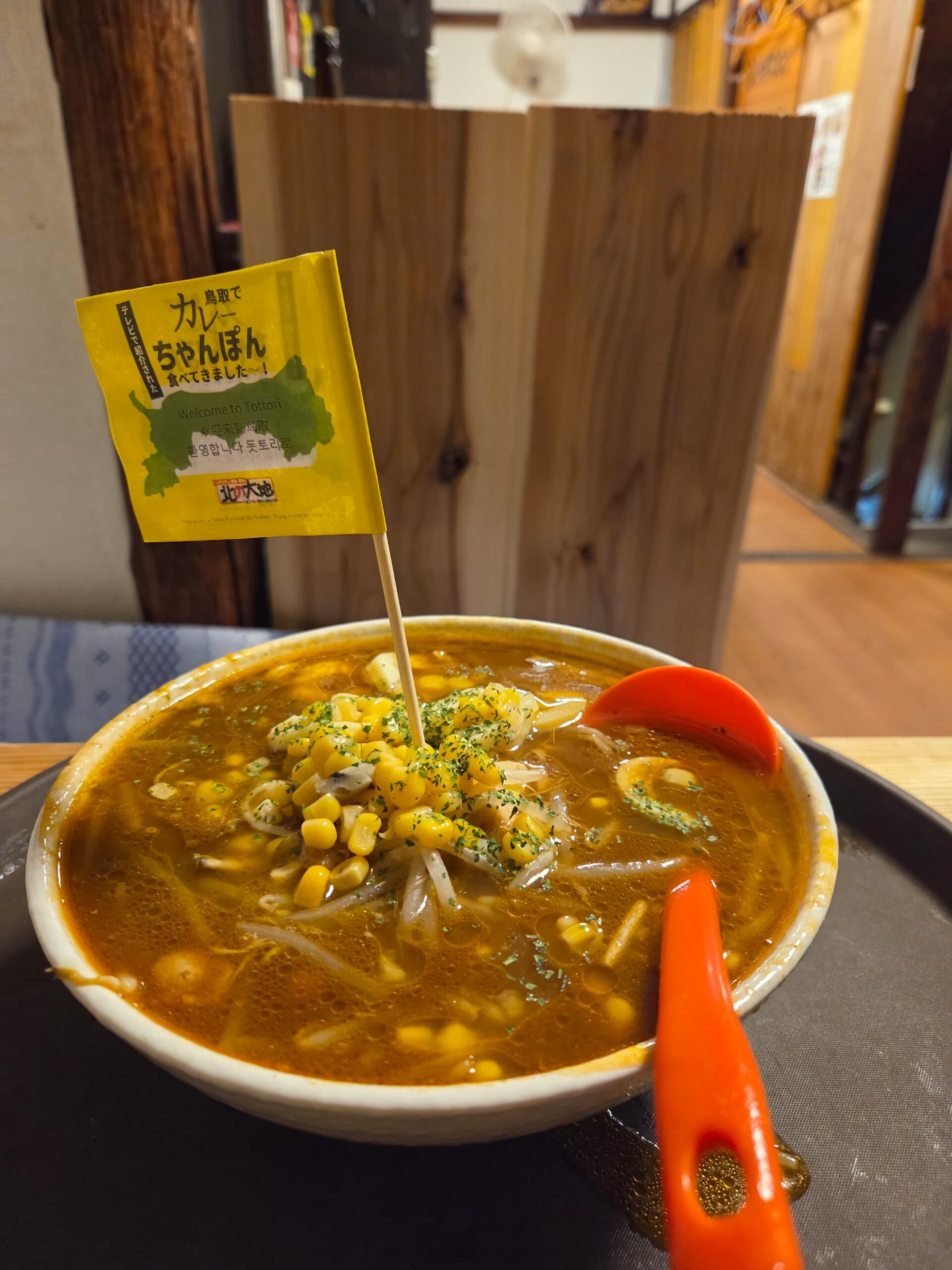
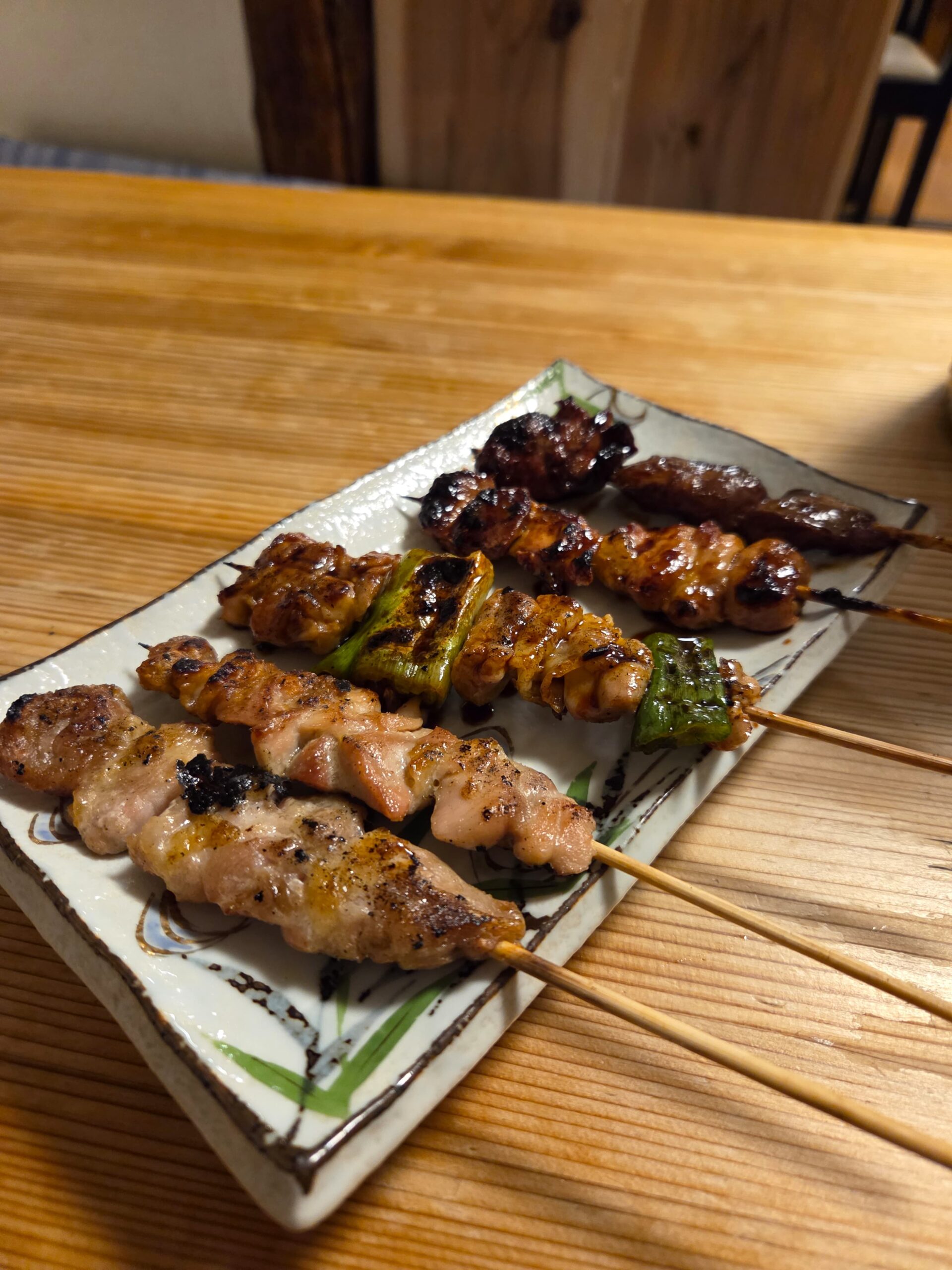
I headed back to the hotel and had dinner nearby at a yakitori place “KitaNoDaichi” where the owner said it was very rare that foreigners will visit. I tried their recommended ‘curry ramen’ but it was below expectation; the yakitori was good though. After that, I sent out my luggage with the hotel front desk. Kind of interesting that I struggled to find the appropriate words when speaking in Japanese, but I totally understood what they replied, haha.
Hokuei: Conan Town
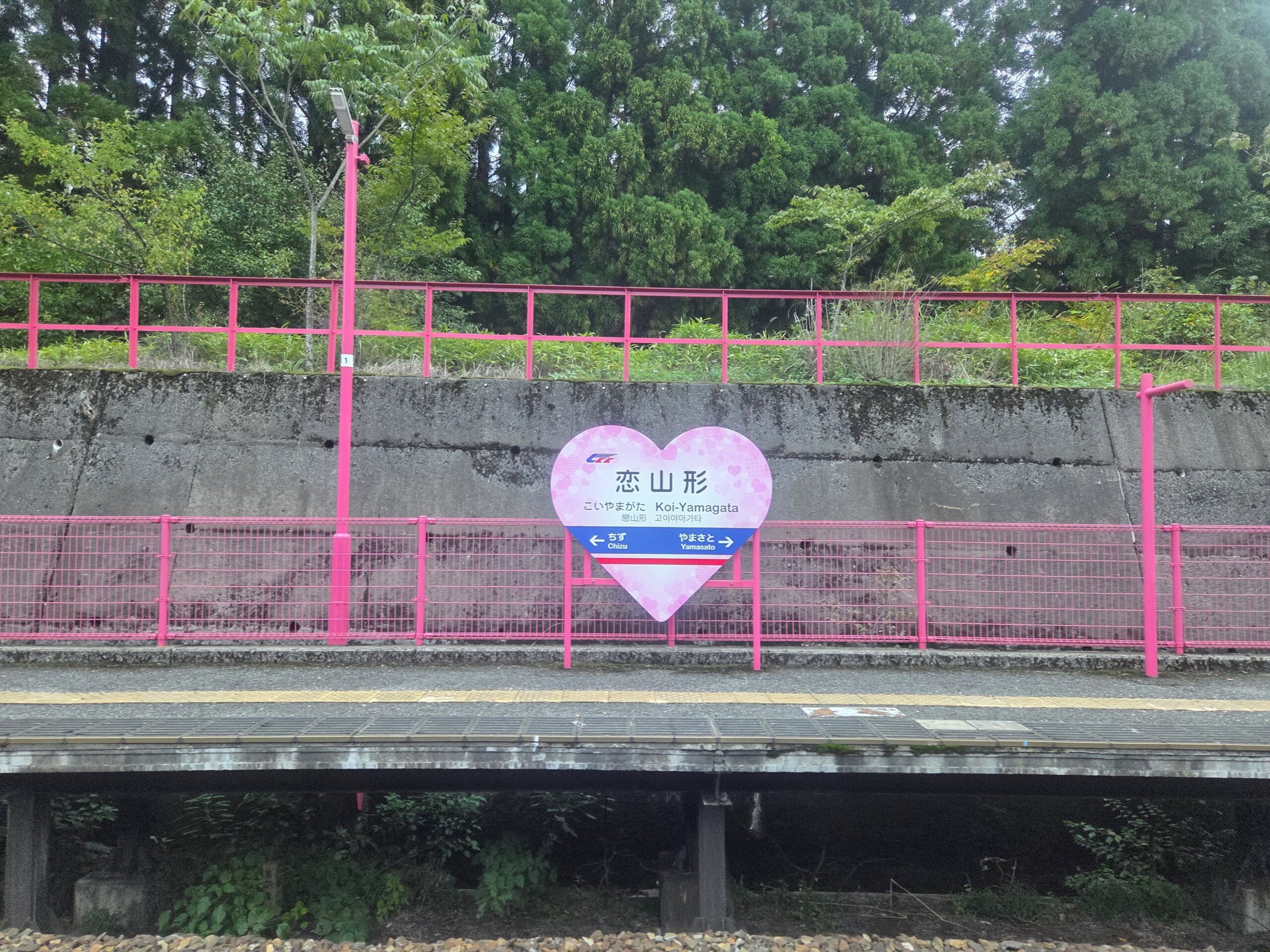
It was quite tough to travel here, as I needed to use the local train. Initially the train was quite full of students going to school, but after a certain station, the train became empty and mostly we tourists who aimed to go to Hokuei remained.
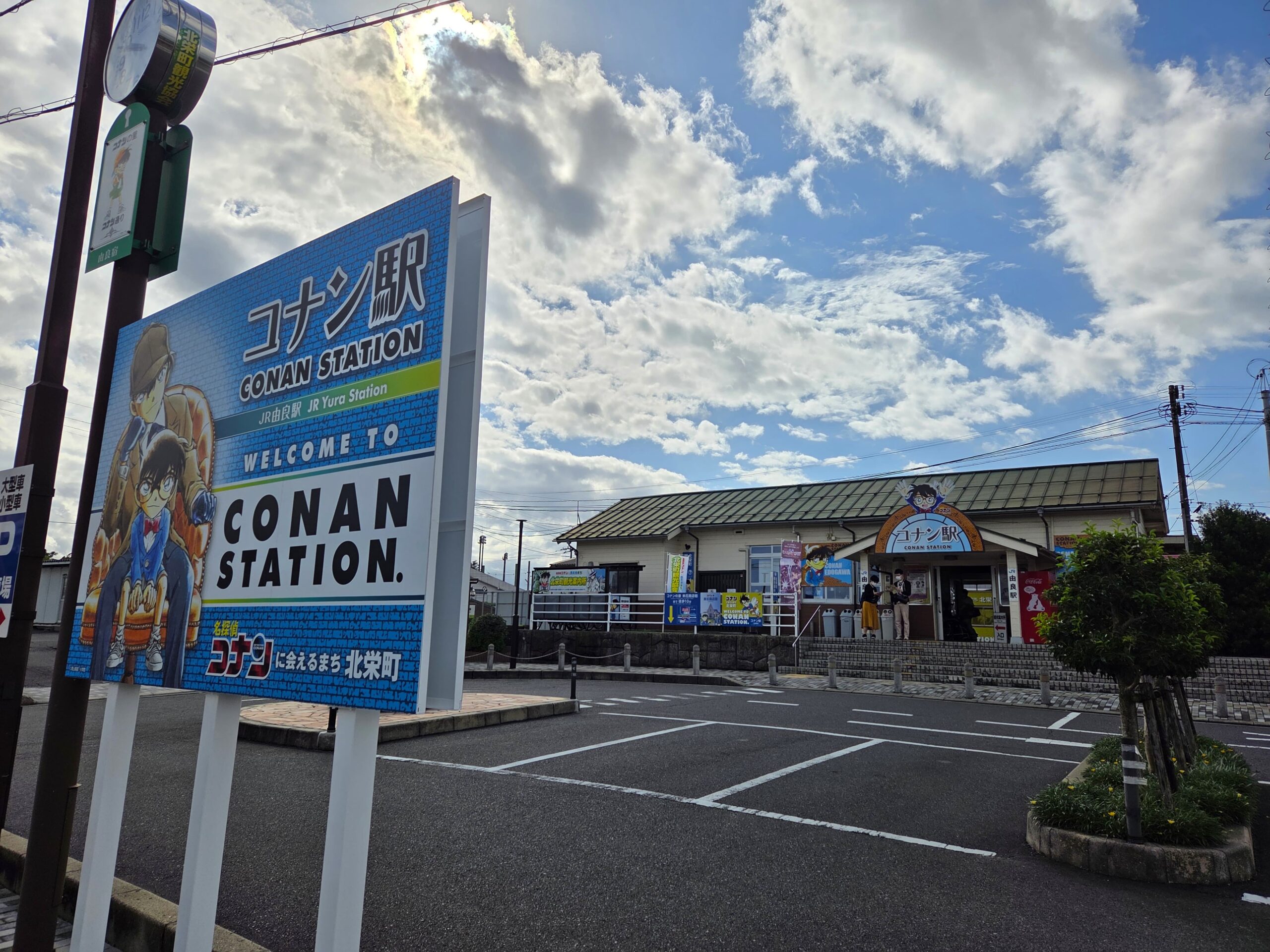
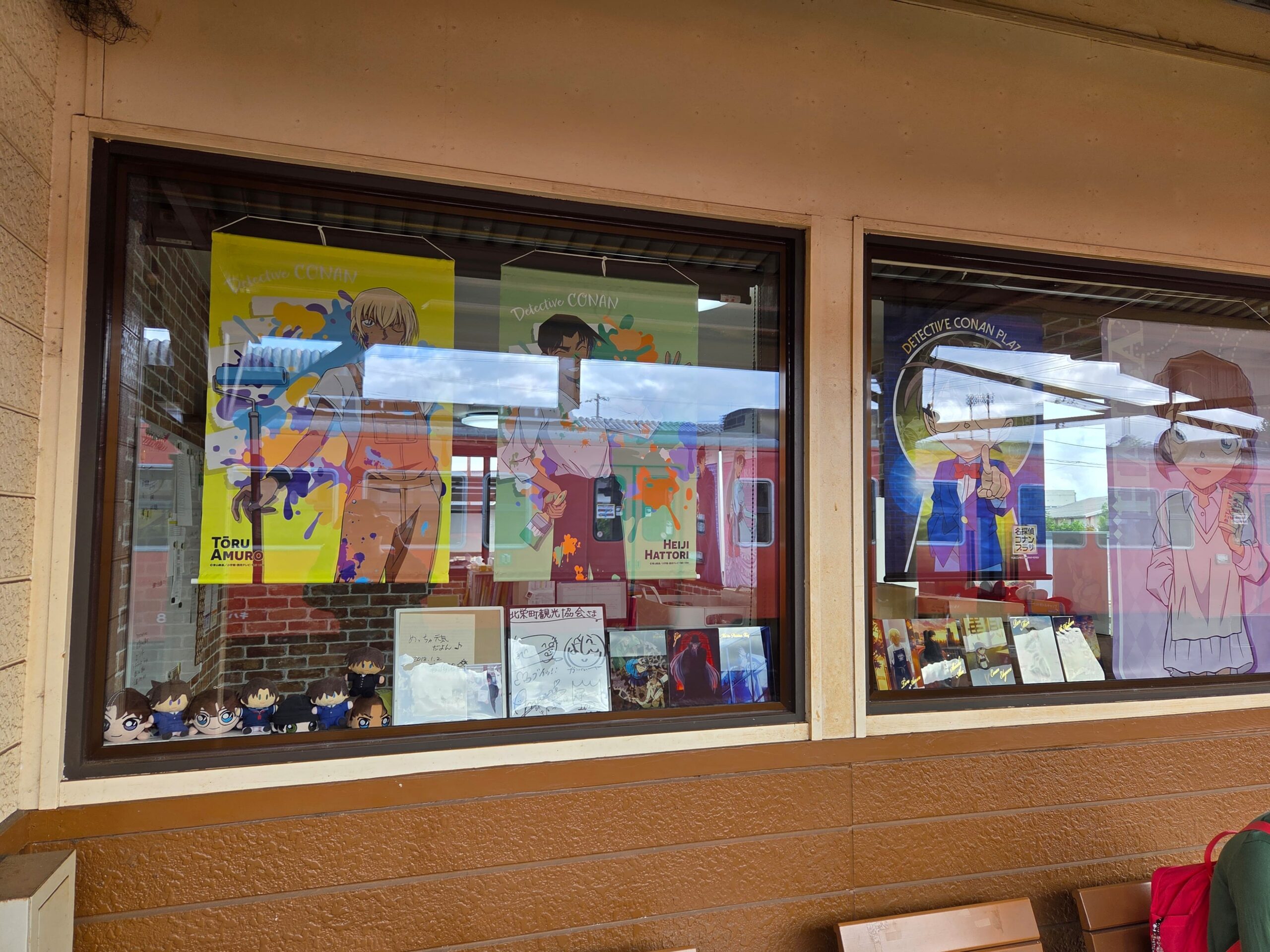
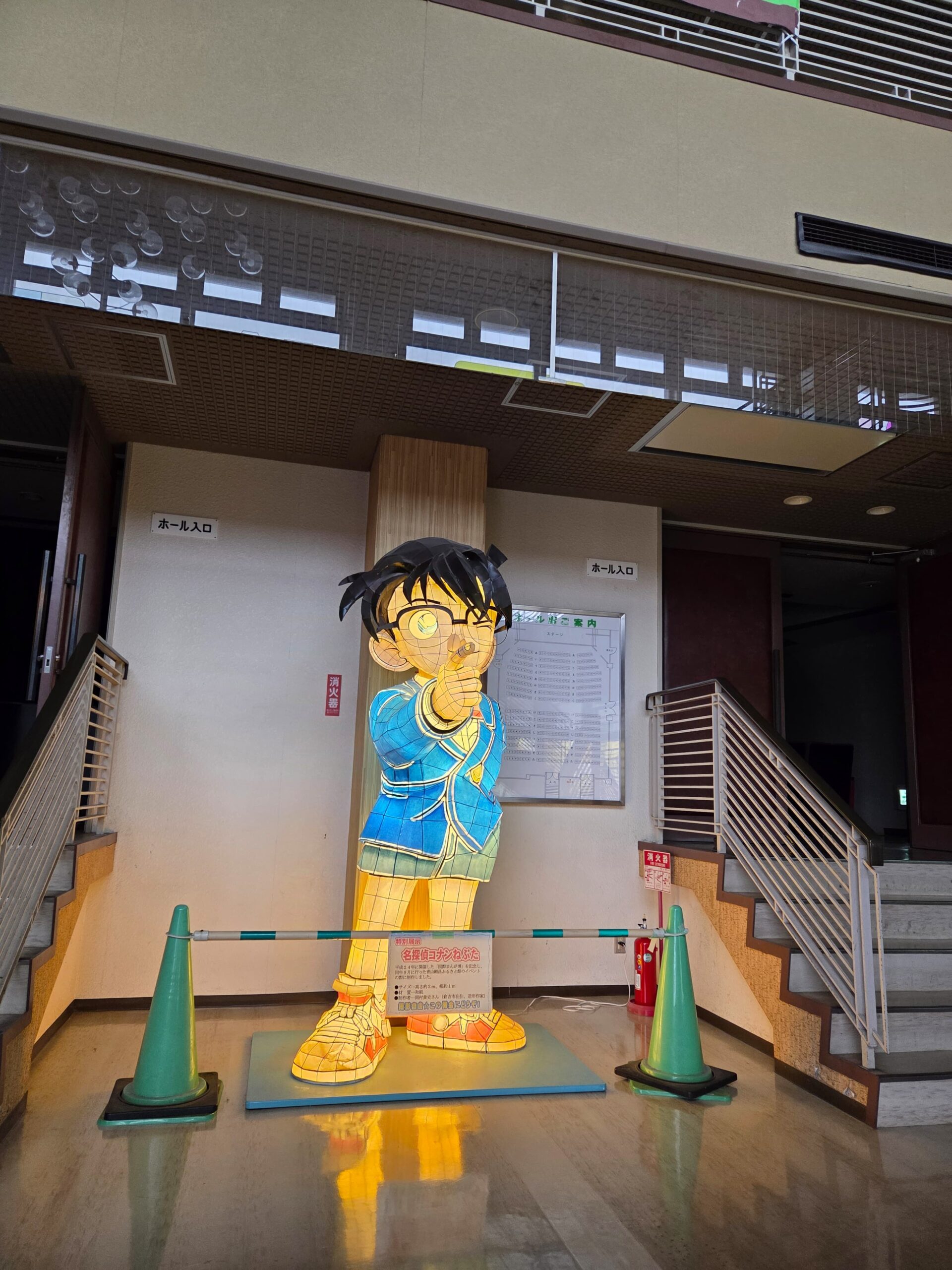
When reaching Hokuei’s ‘Yura Station’ or dubbed as “Conan Station”, the whole station is Conan-themed! From the stairs, posters, windows, everything is Conan-themed. Right outside the station, there are several more Conan-themed attractions, like statues and posters.
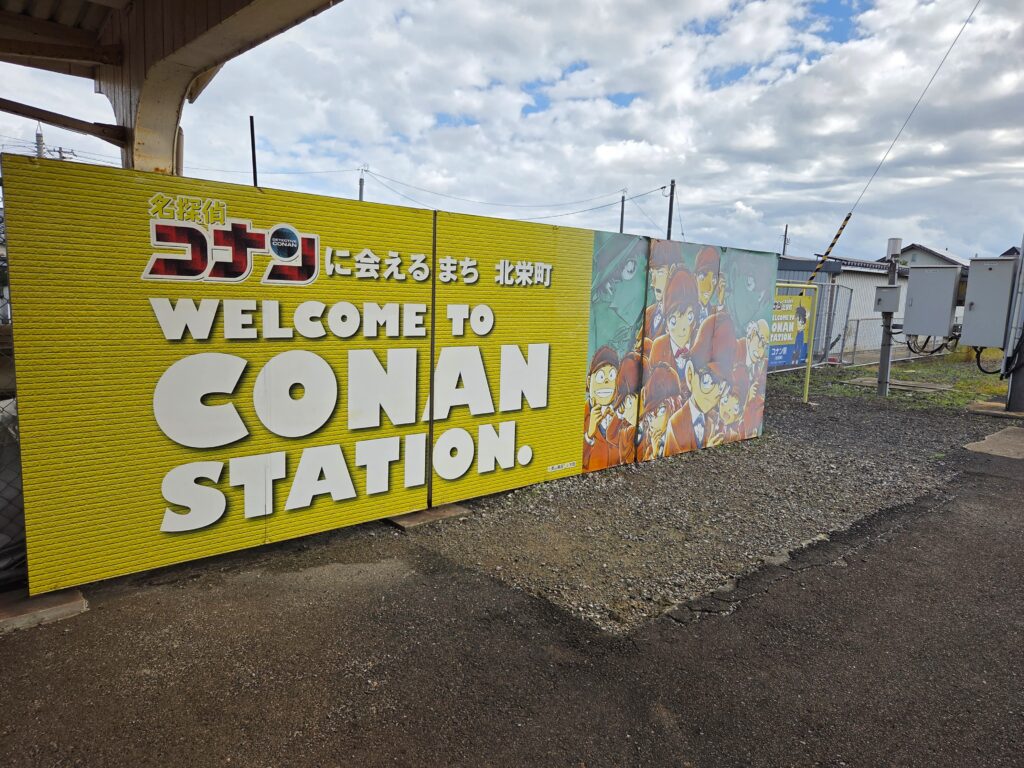
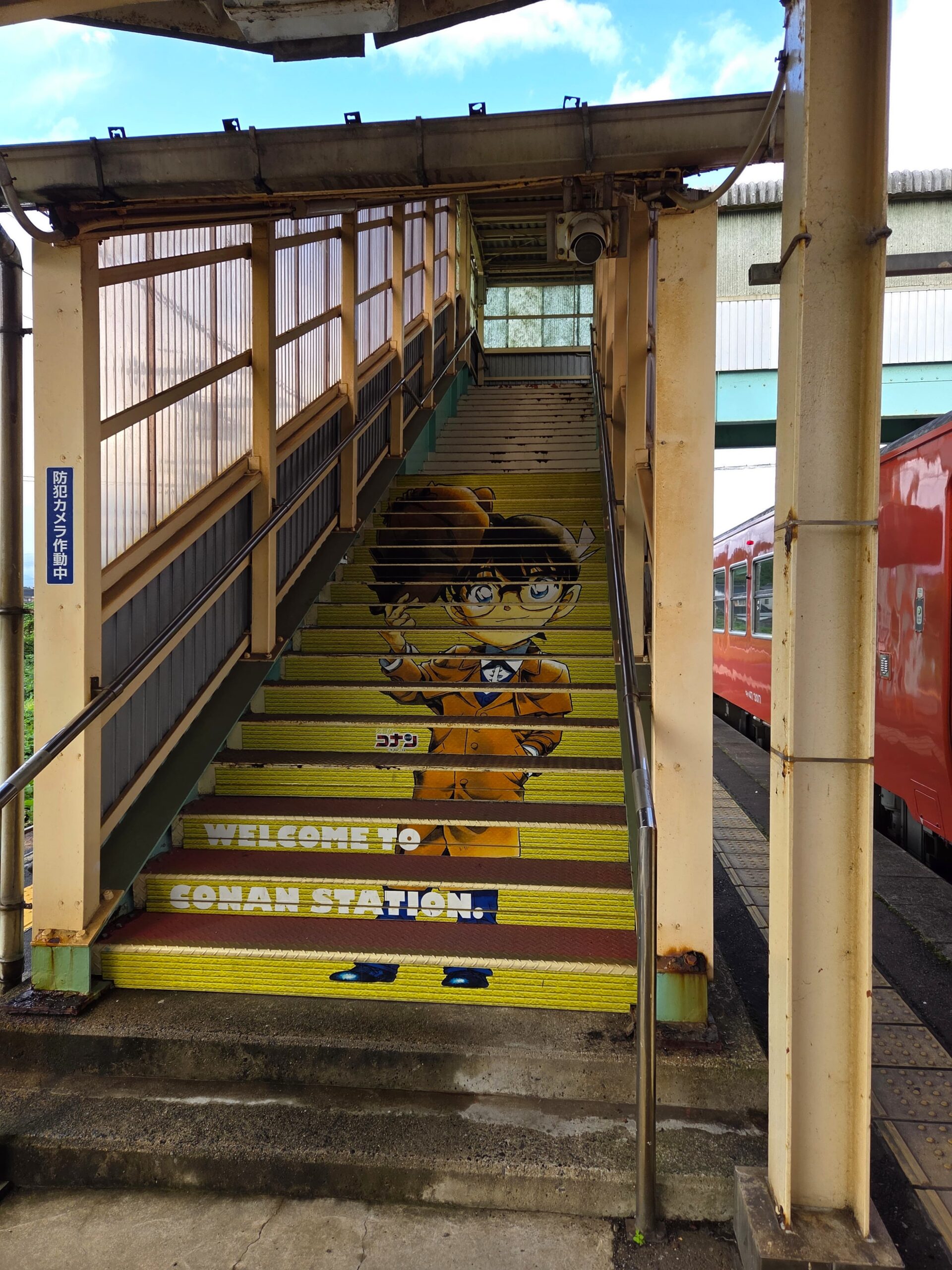
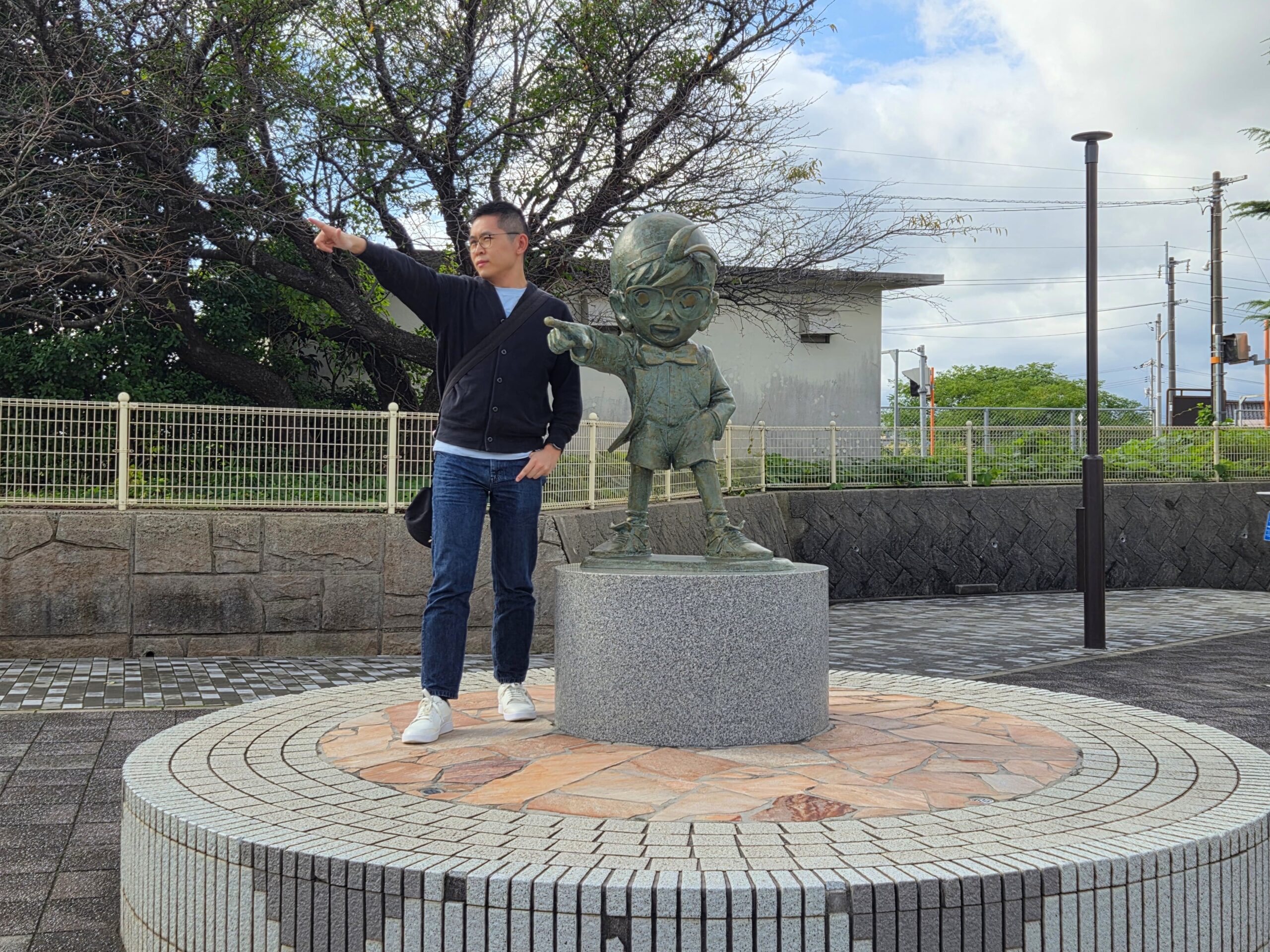
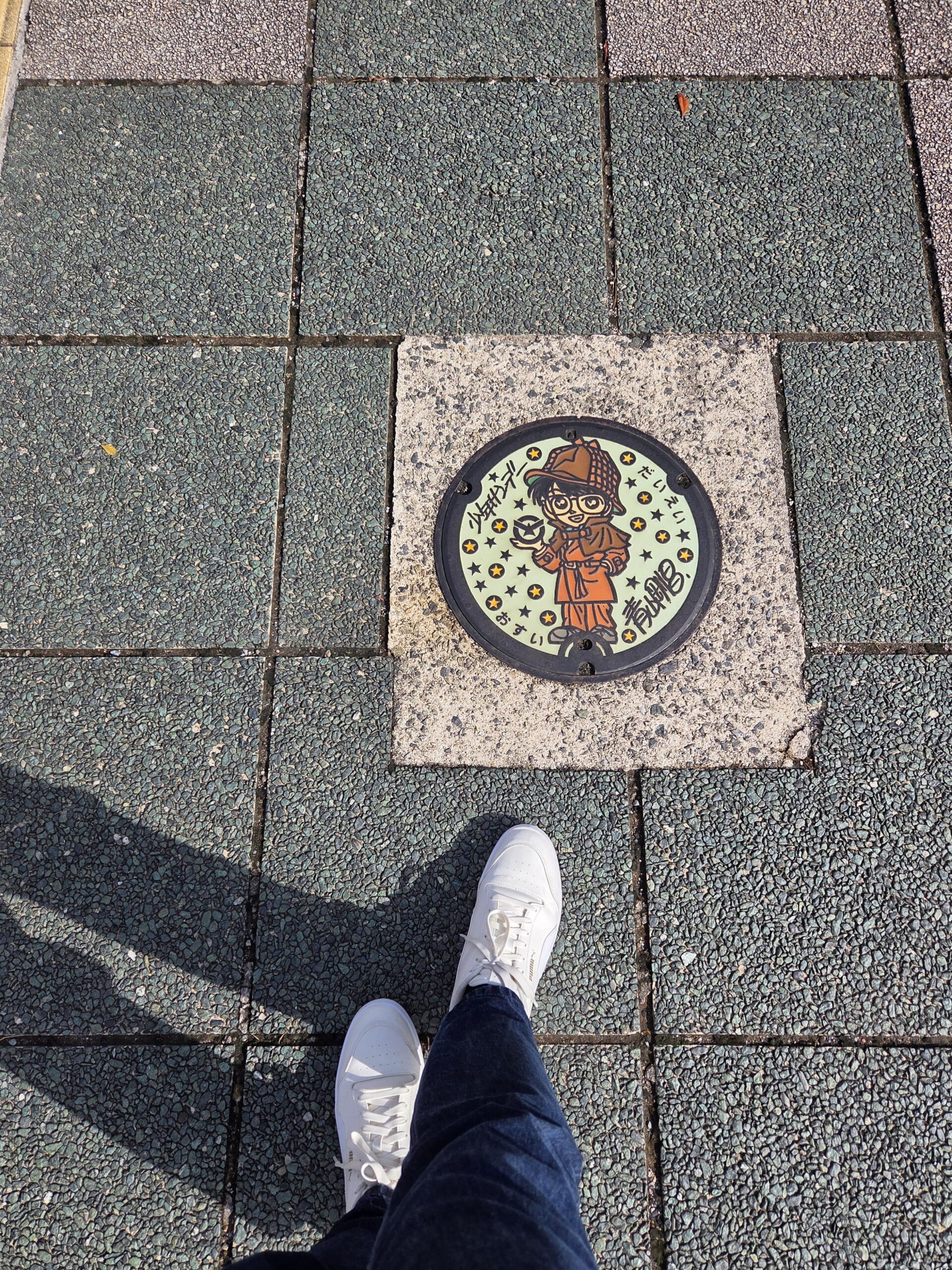
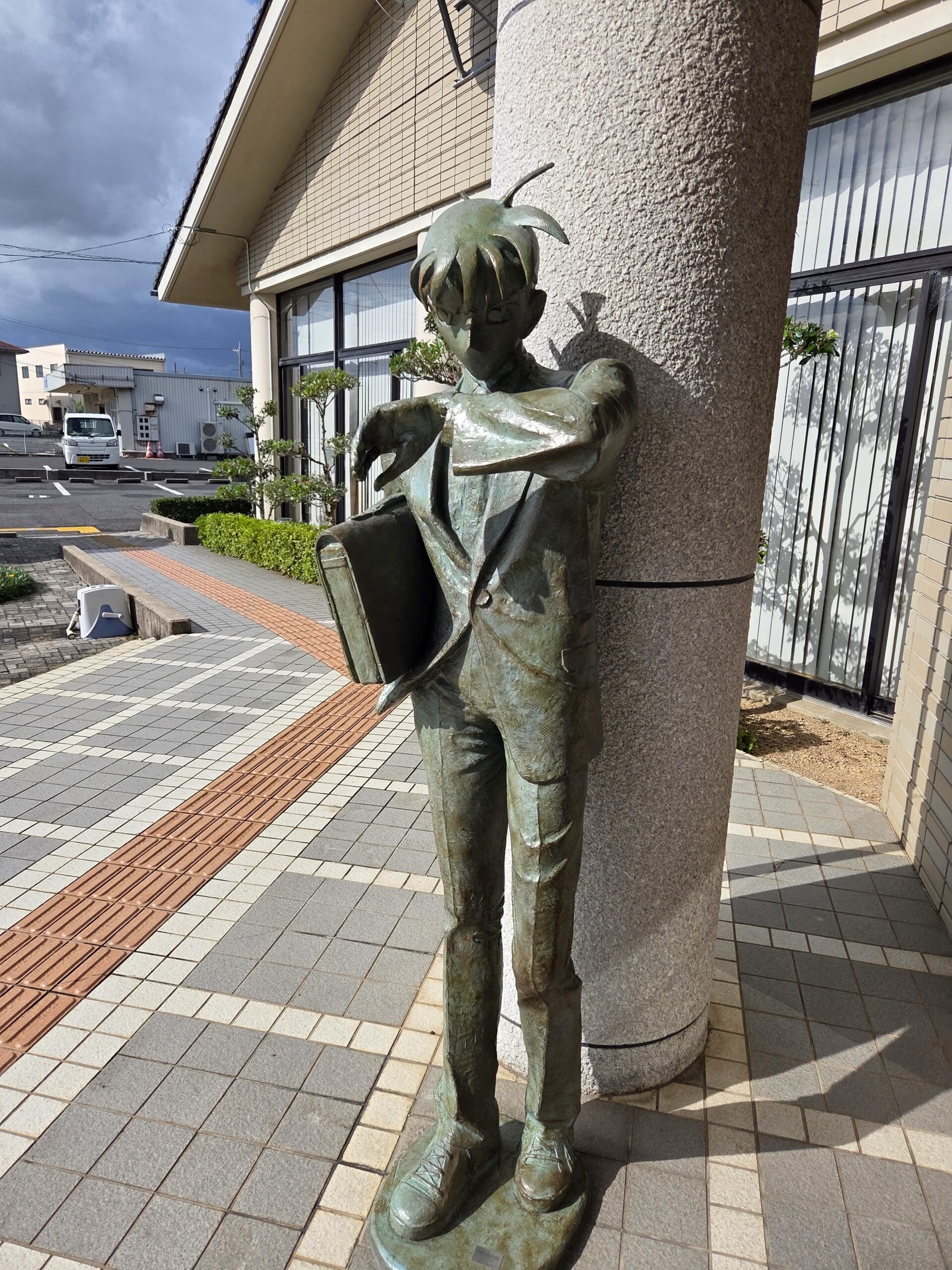
I think a huge portion of the town economy comes from tourism. From the station to the main attraction “Gosho Aoyama Manga Factory” museum, the whole stretch of 1.5-km footpath features so many statues of different Conan characters. Halfway between the station and the museum, there is a small ‘shopping district’ that is modelled after “Beika town” which features several Conan-themed cafes, restaurants, and shops.
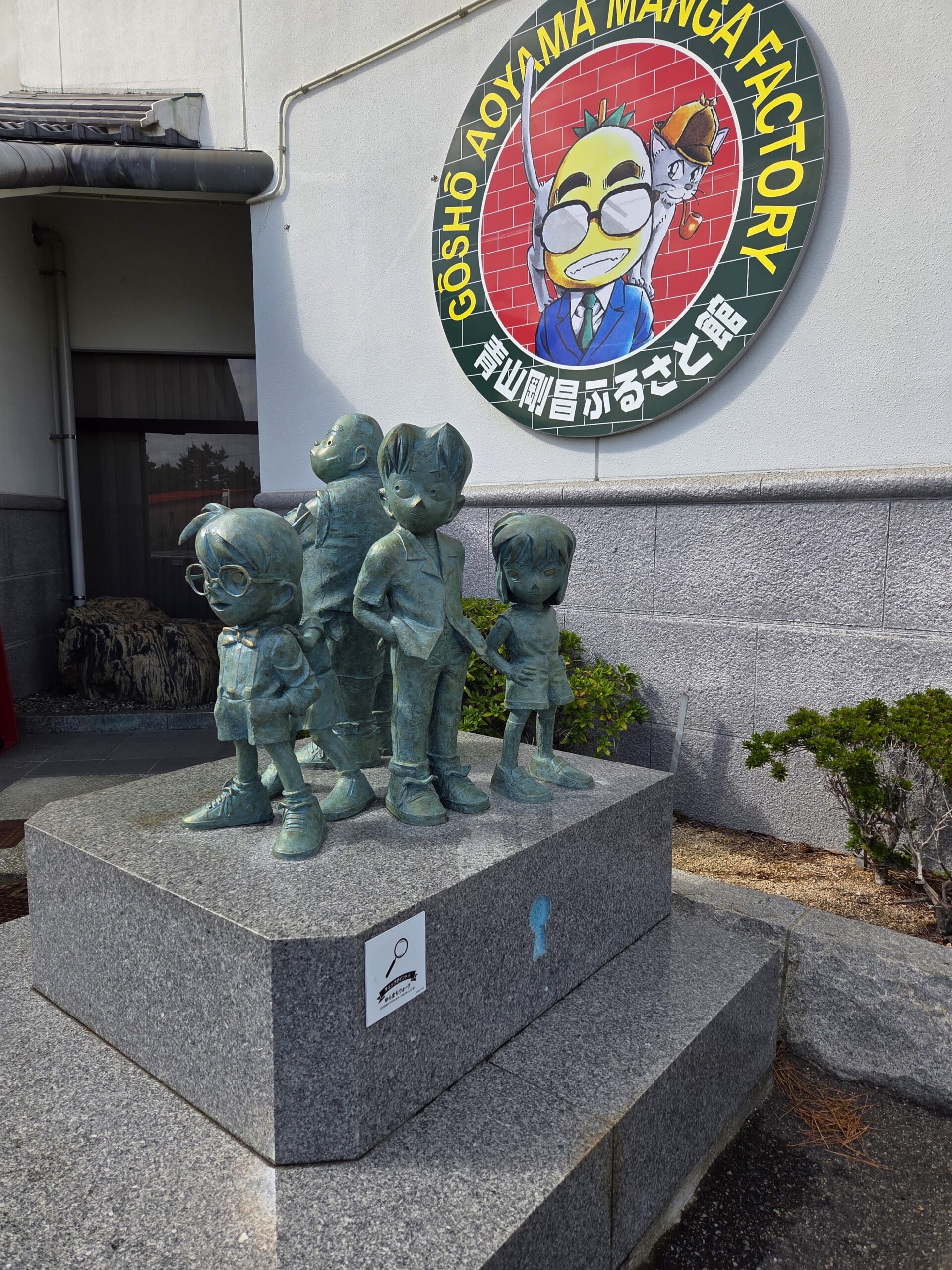
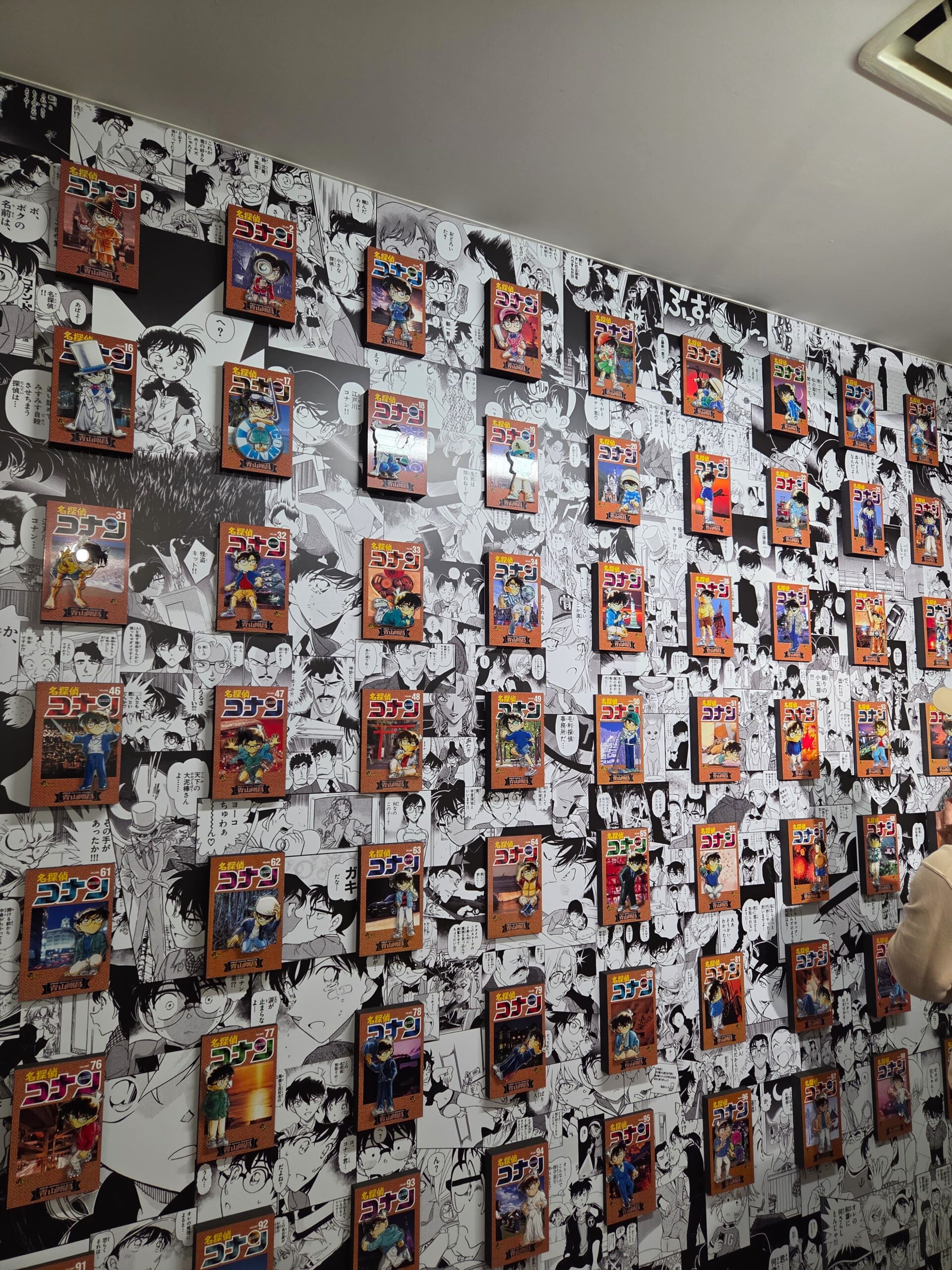
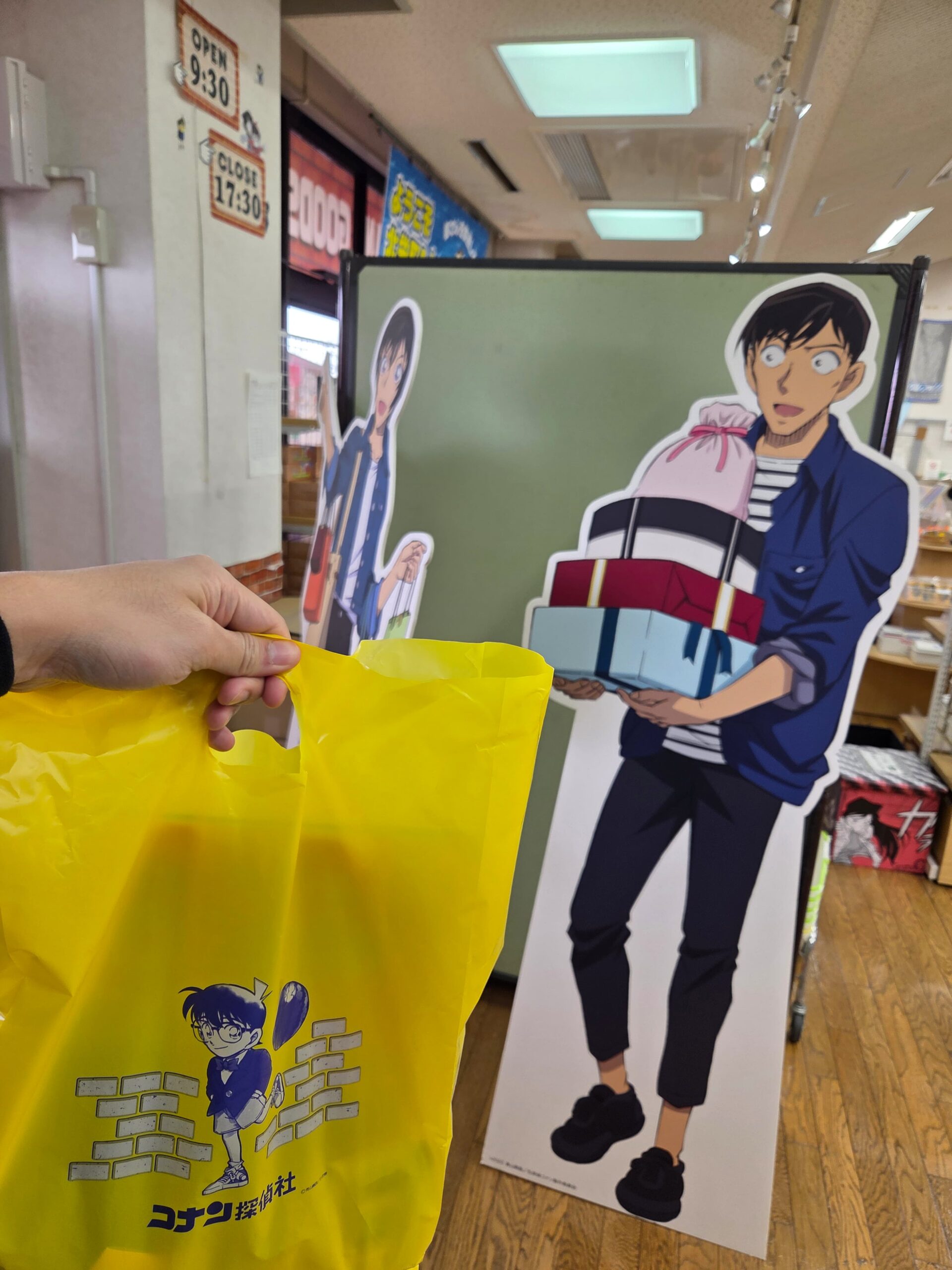
I first walked to the museum. The museum features Gosho Aoyama’s works, mostly Conan, but also his other works such as Magic Kaito and Yaiba. It was pretty good and kind of short, but the museum is showing its age. Some exhibits were starting to break, but it was still great to see all the different exhibits.
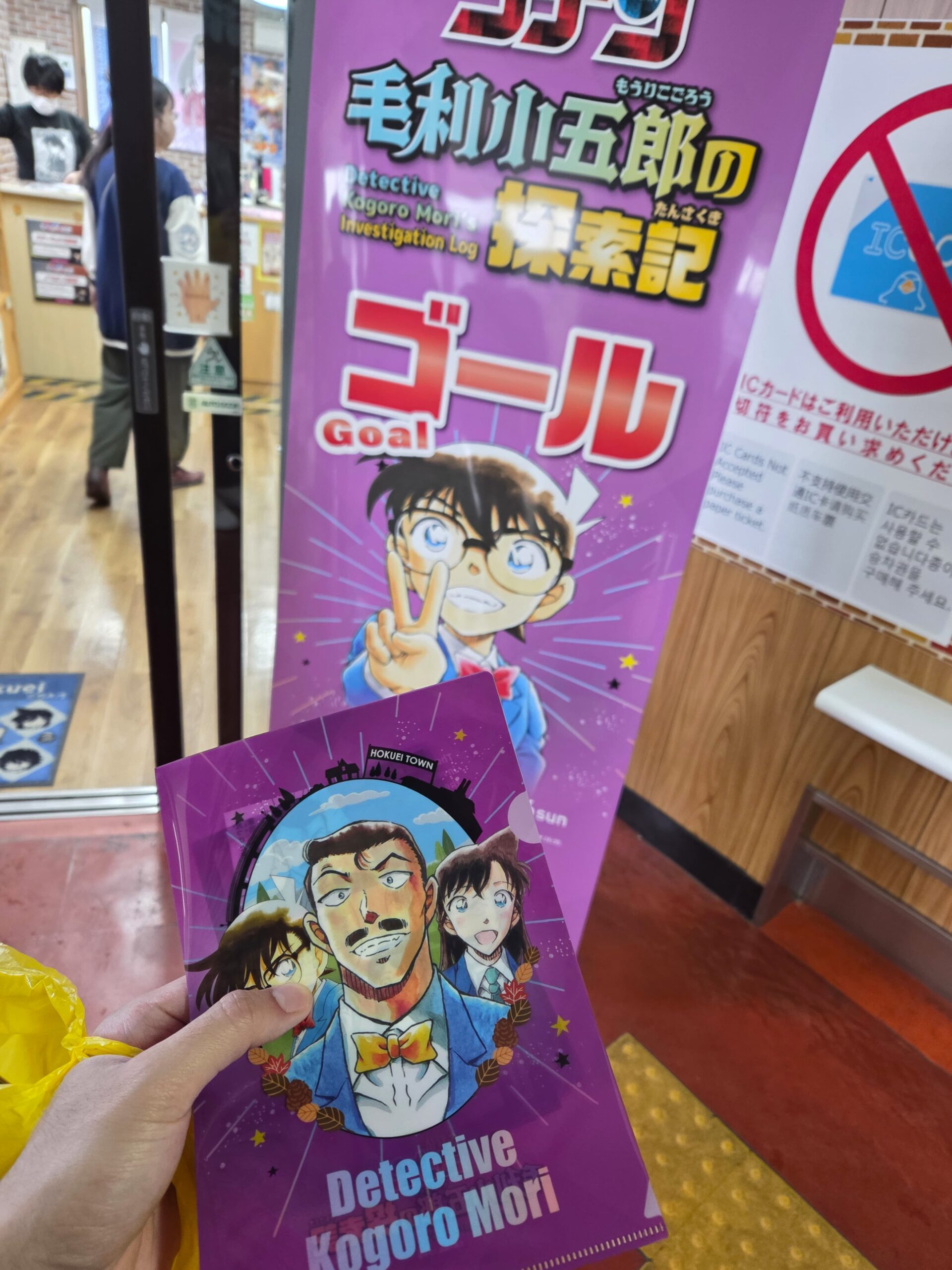
There was also a treasure hunt challenge that I joined: it started at the museum, then I had to visit multiple spots across the town while solving some puzzles, and then when I eneded at Conan Station, I need to show my final answer to the staff to redeem a prize. It was fun! It made me visit all those attractions, some of which I wouldn’t know if not for this challenge.
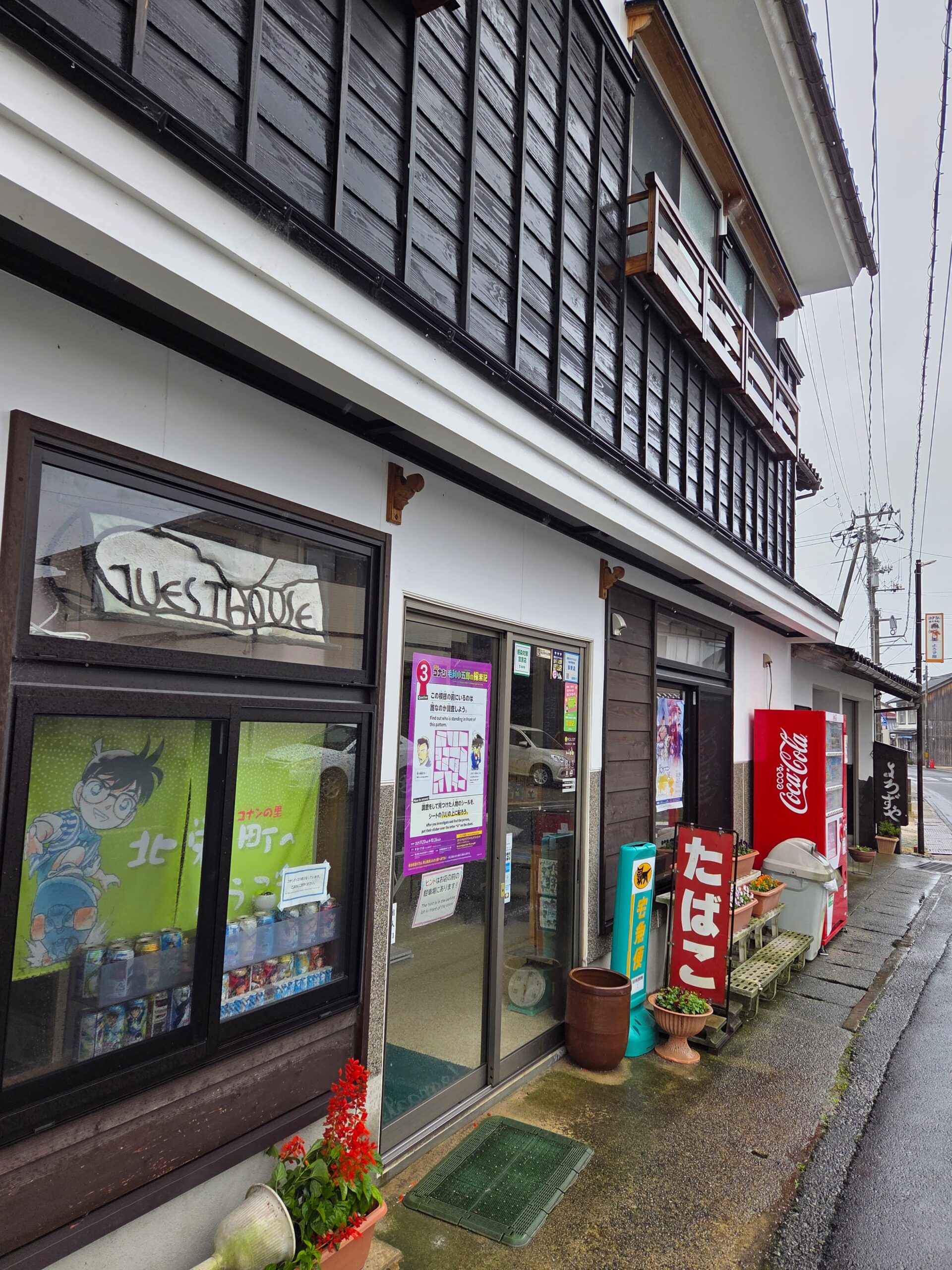
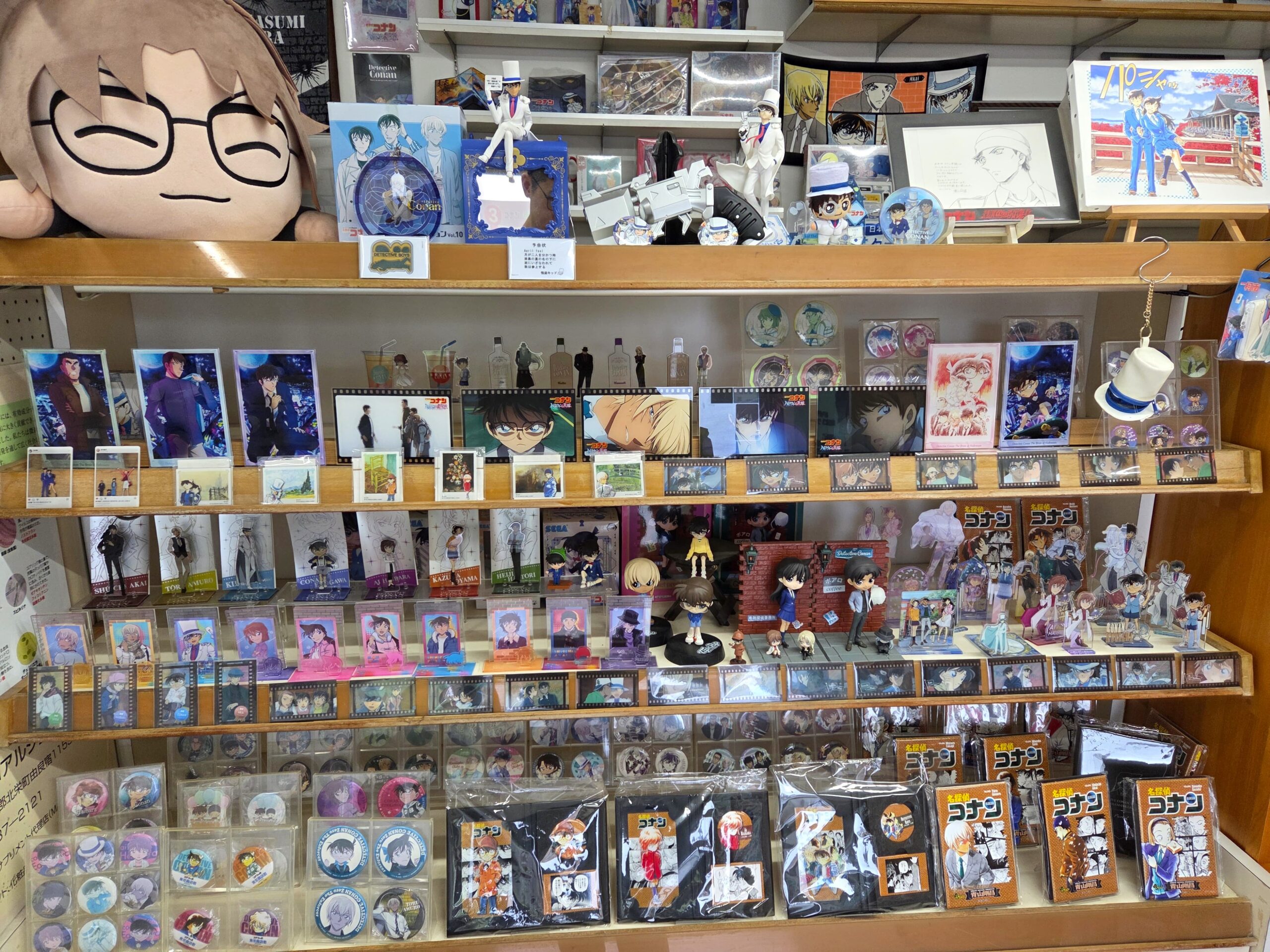
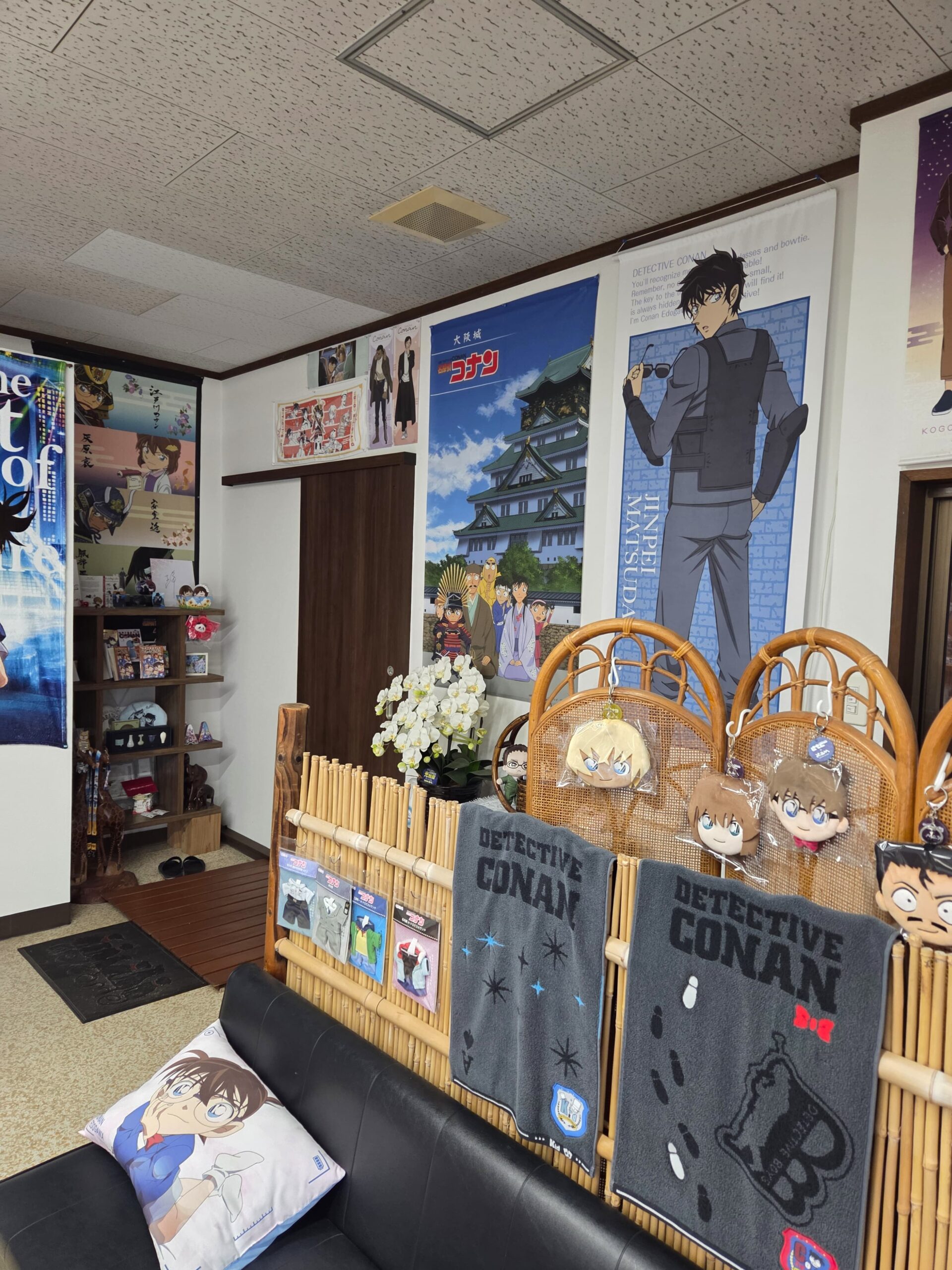
There was one interesting challenge location located far off at a homestay. Apparently that homestay was full of Conan merchandise and the owner mentioned that they’re not for sale, meaning they’re purely joining the challenge for fans to admire this “Conan shrine”
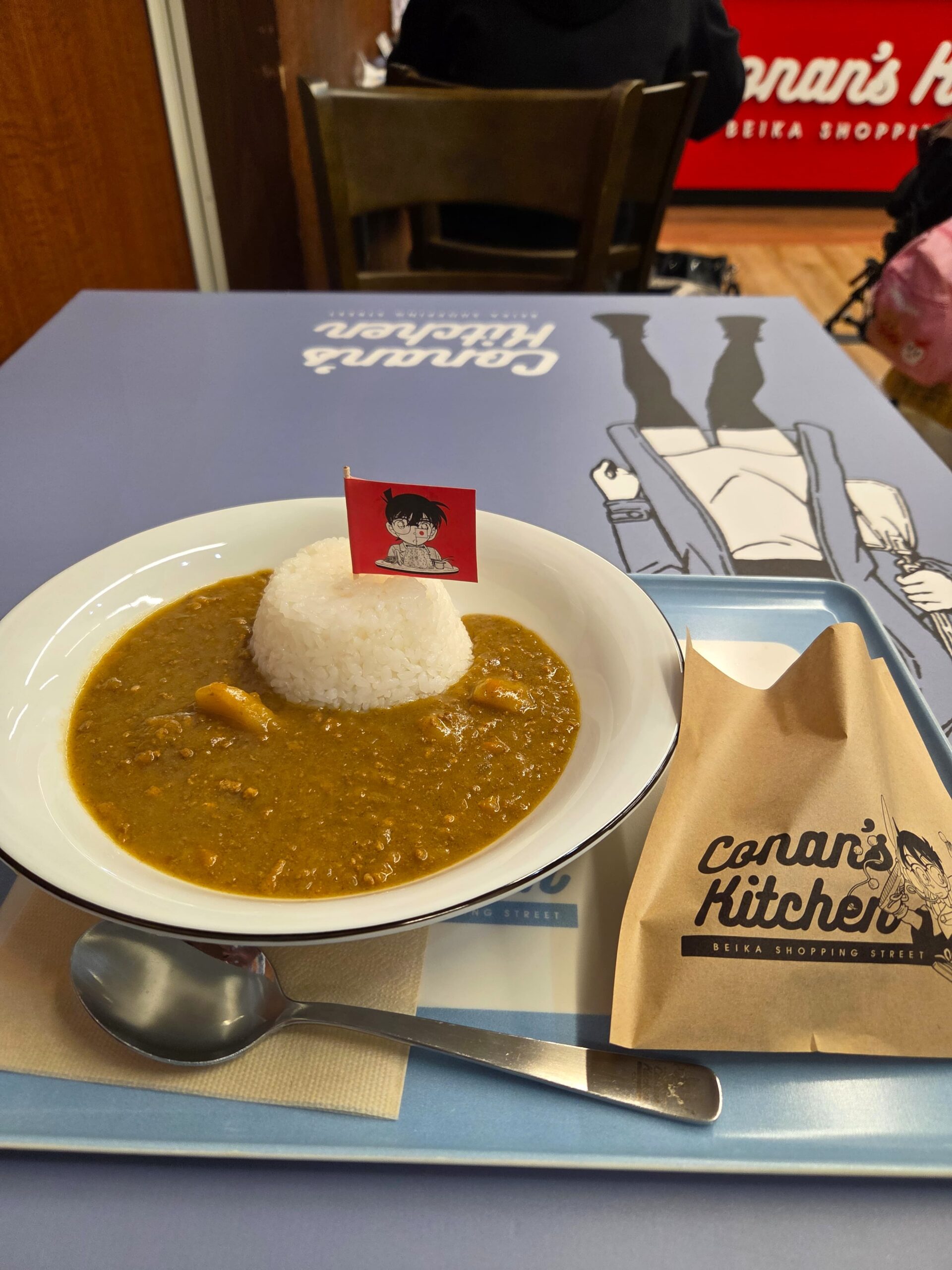
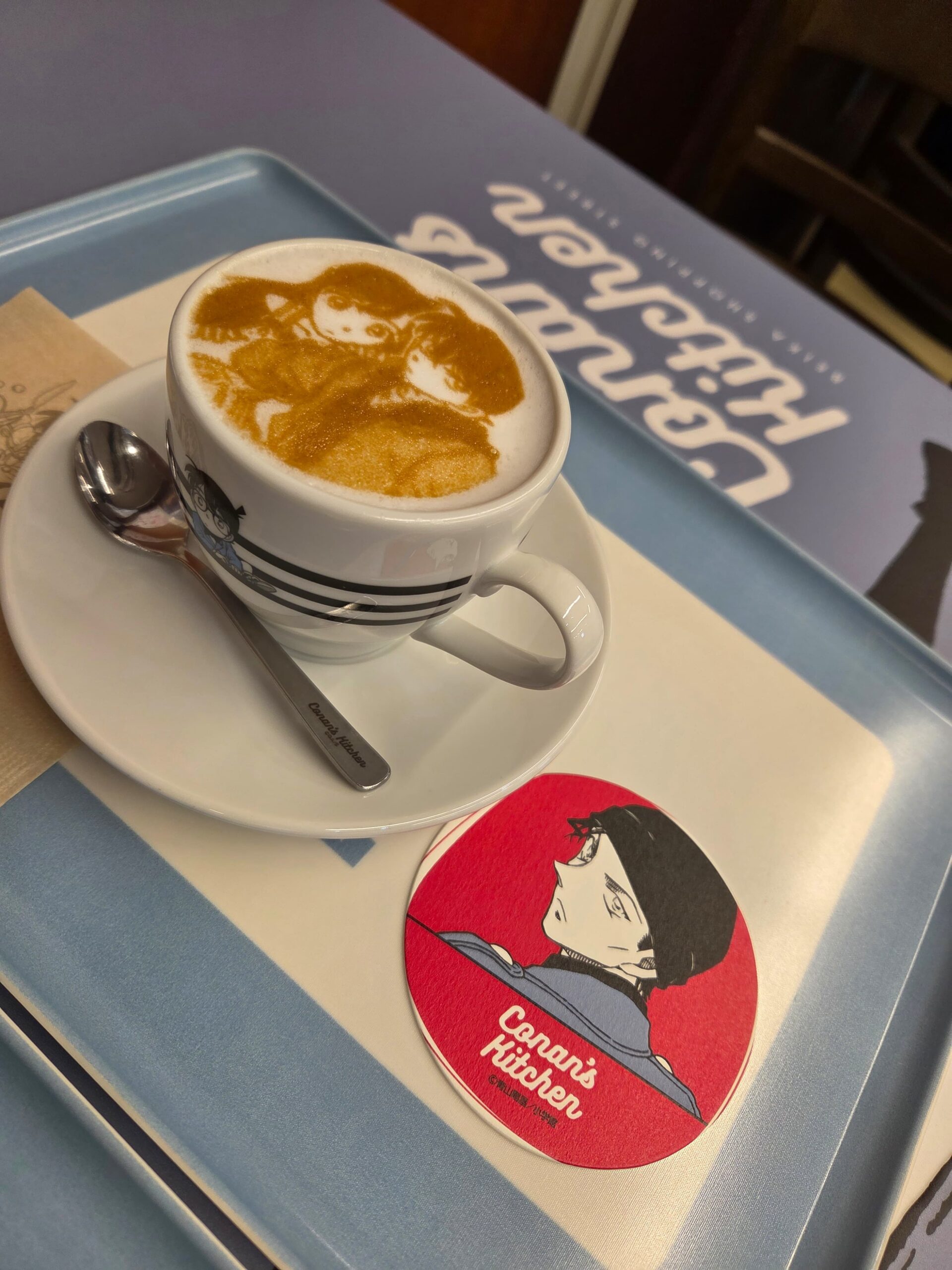
For lunch, I ate at the Conan’s Kitchen at the “Beika Shopping District” area. Alas, it started to rain, and while the rain was bearable, the wind was pretty strong and it wasn’t that nice to walk under. I braved the rain with my small umbrella and visited all those treasure hunt places and ended at Conan Station at around 2 pm.
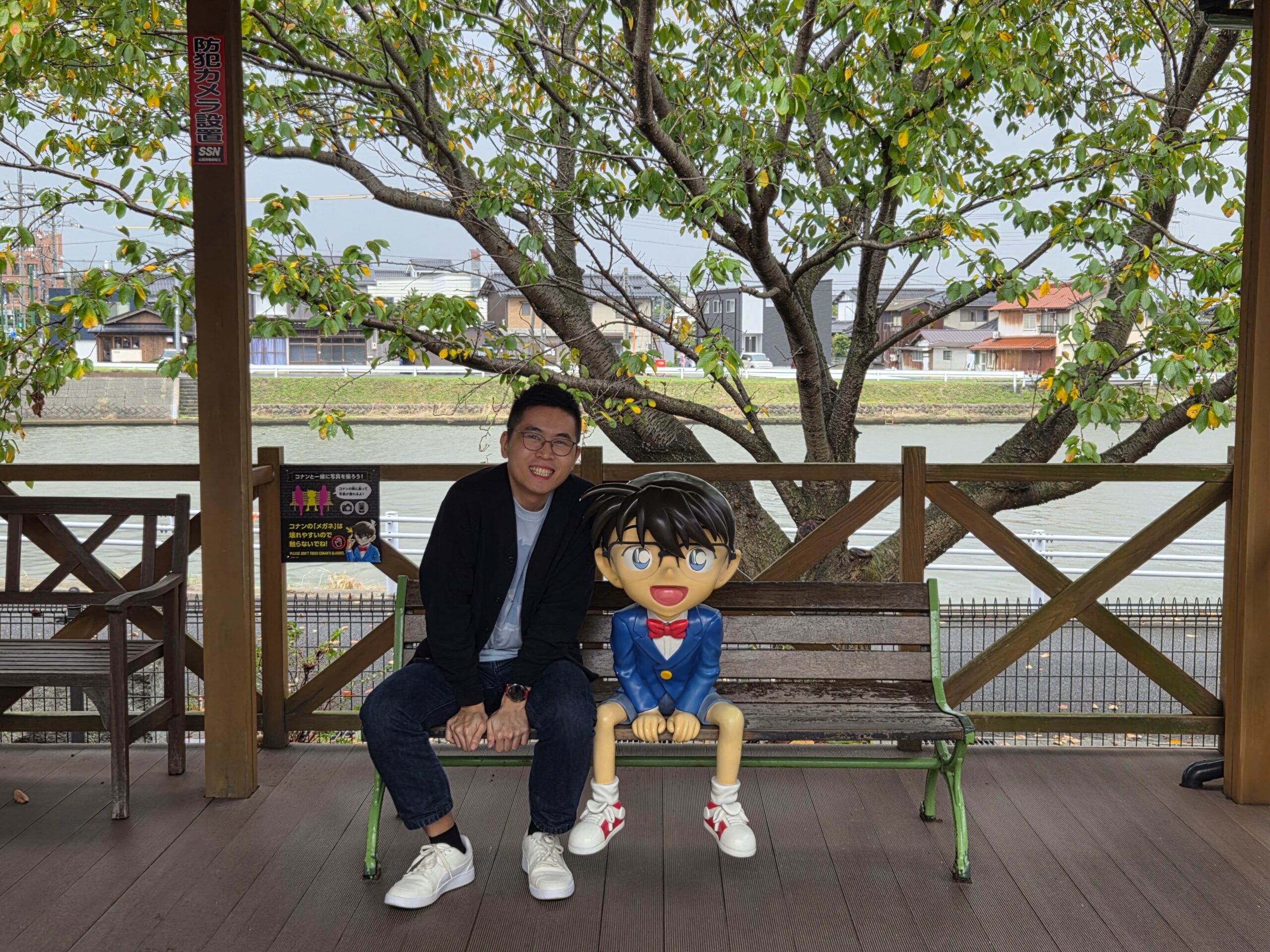
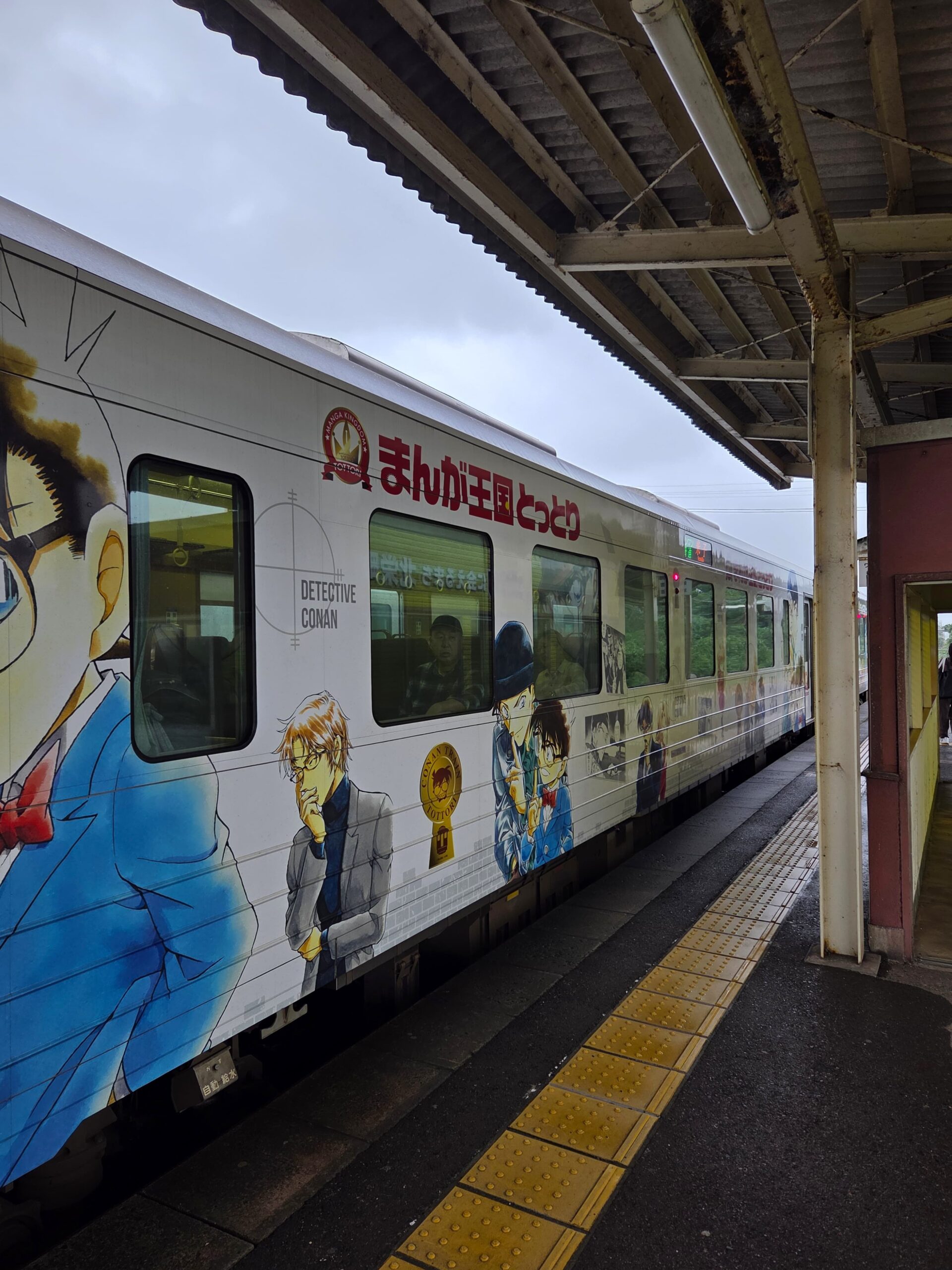
I hoped to explore more parts of the town, but I guess the weather wasn’t supporting my plan, so I ended the exploration there and hopped on a train to my next destination. To my surprise, the outgoing train I took was Conan-themed! Now that’s a great way of ending the trip :)
Matsue
My next destination was Matsue, located in Shimane Prefecture, next to Tottori. I had to change from a local train to a limited express train so I could reach faster. My first impression of the train station is that Matsue City is much larger than Tottori City. I visited the tourist information centre again to get the bus schedule before checking in to the hotel. When I checked in, the hotel still hadn’t received my luggage yet, so I guess one night would be without luggage. Yeah I already prepared for this case, that’s why I already packed some extra clothes in my backpack.
Since I arrived much earlier than I thought and now I had no luggage, I thought why not go to Aeon mall and check out the clothes and other stuff. I ended up buying some clothes from GU. It was quite good that they have tax-free procedures for all stores across Japan, and it showed that the store clerk rarely had people doing this since they had to ask their manager how to do such a procedure.
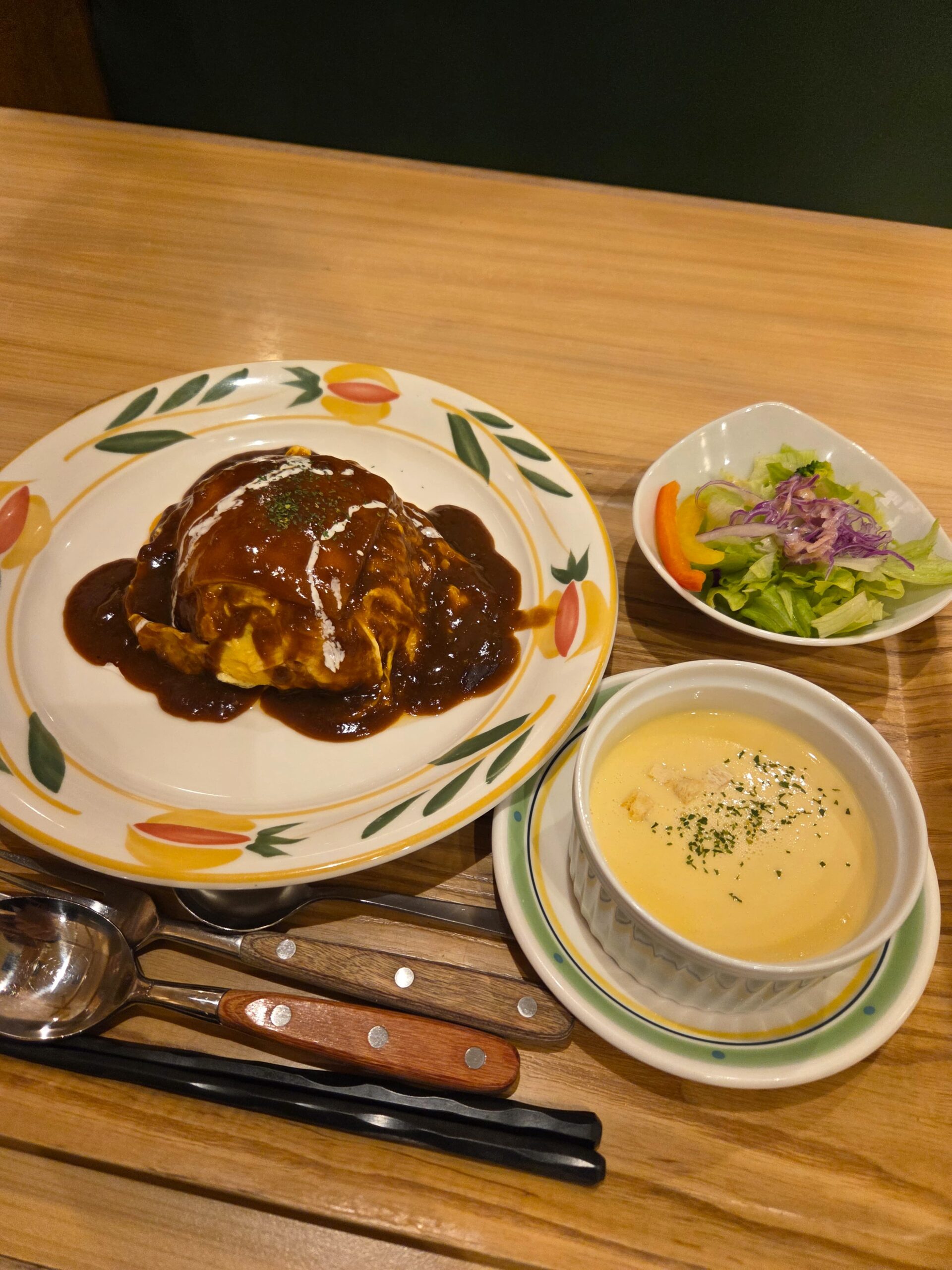
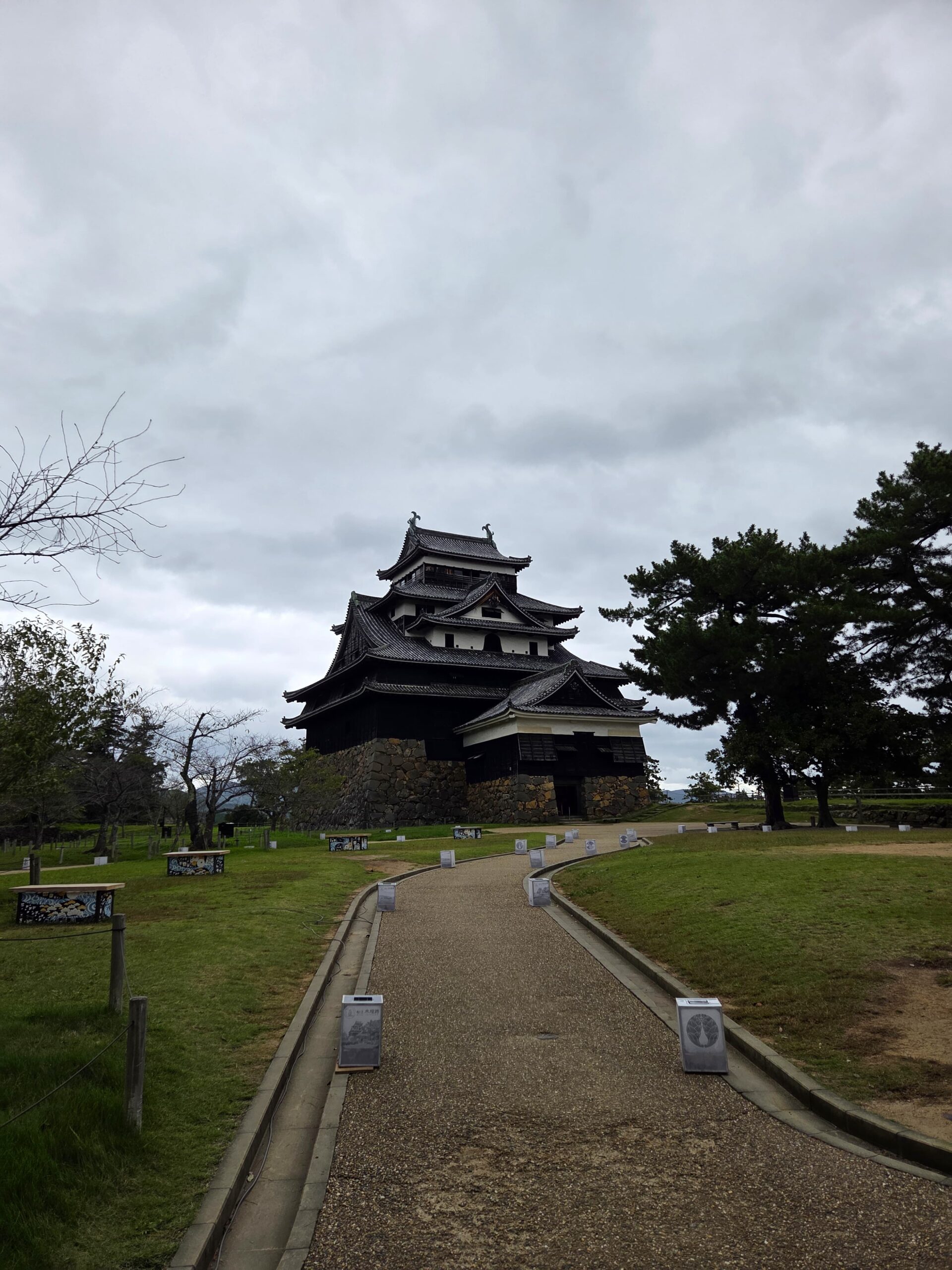
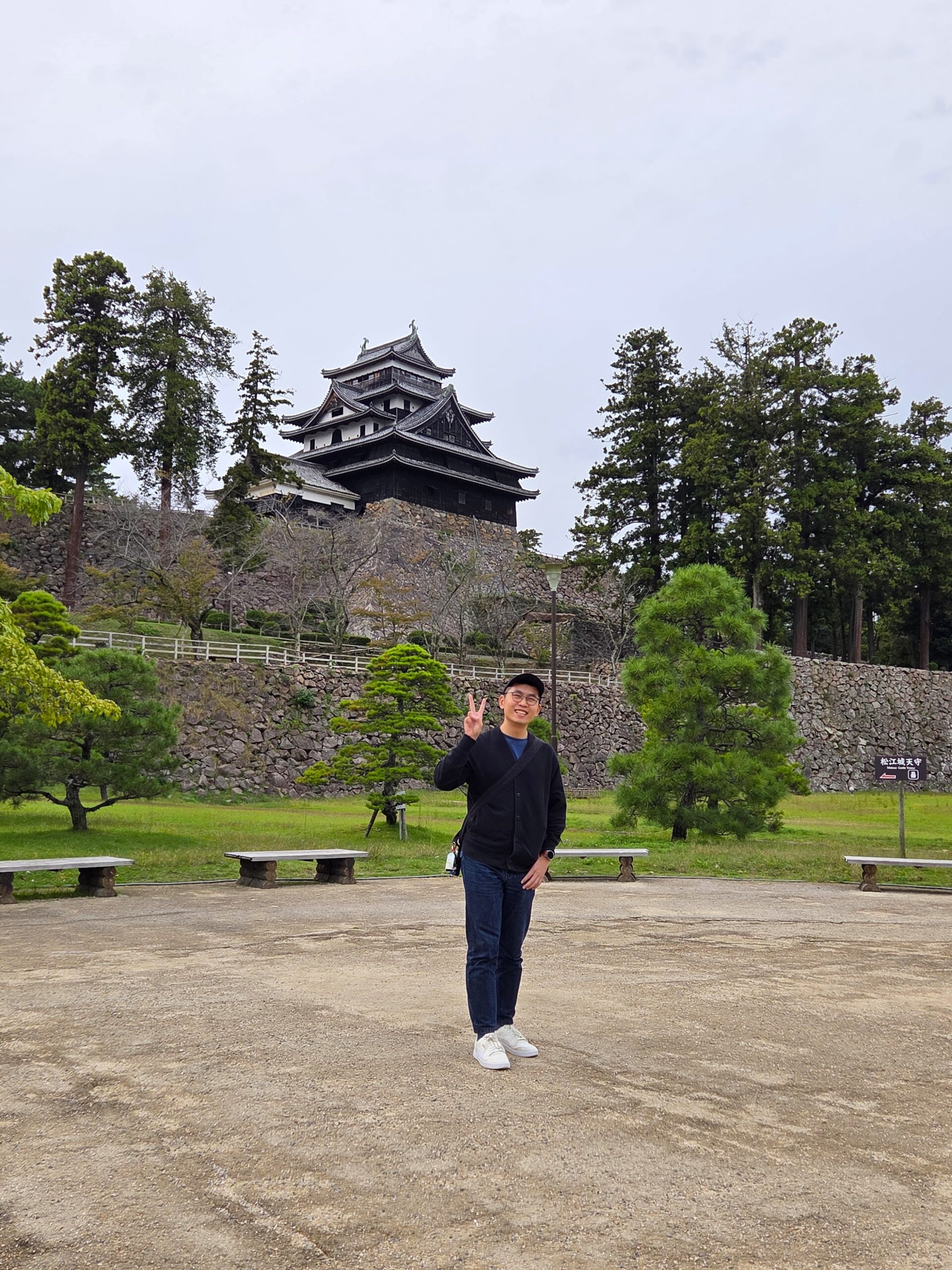
My first full day in Matsue was spent with Matsue Castle first thing in the morning, just right on its opening hour. I managed to catch the peaceful ‘all by myself’ experience before the tour groups arrived and made the castle crowded. The castle is really impressive and well-preserved in its original condition, but inside there wasn’t much to showcase.
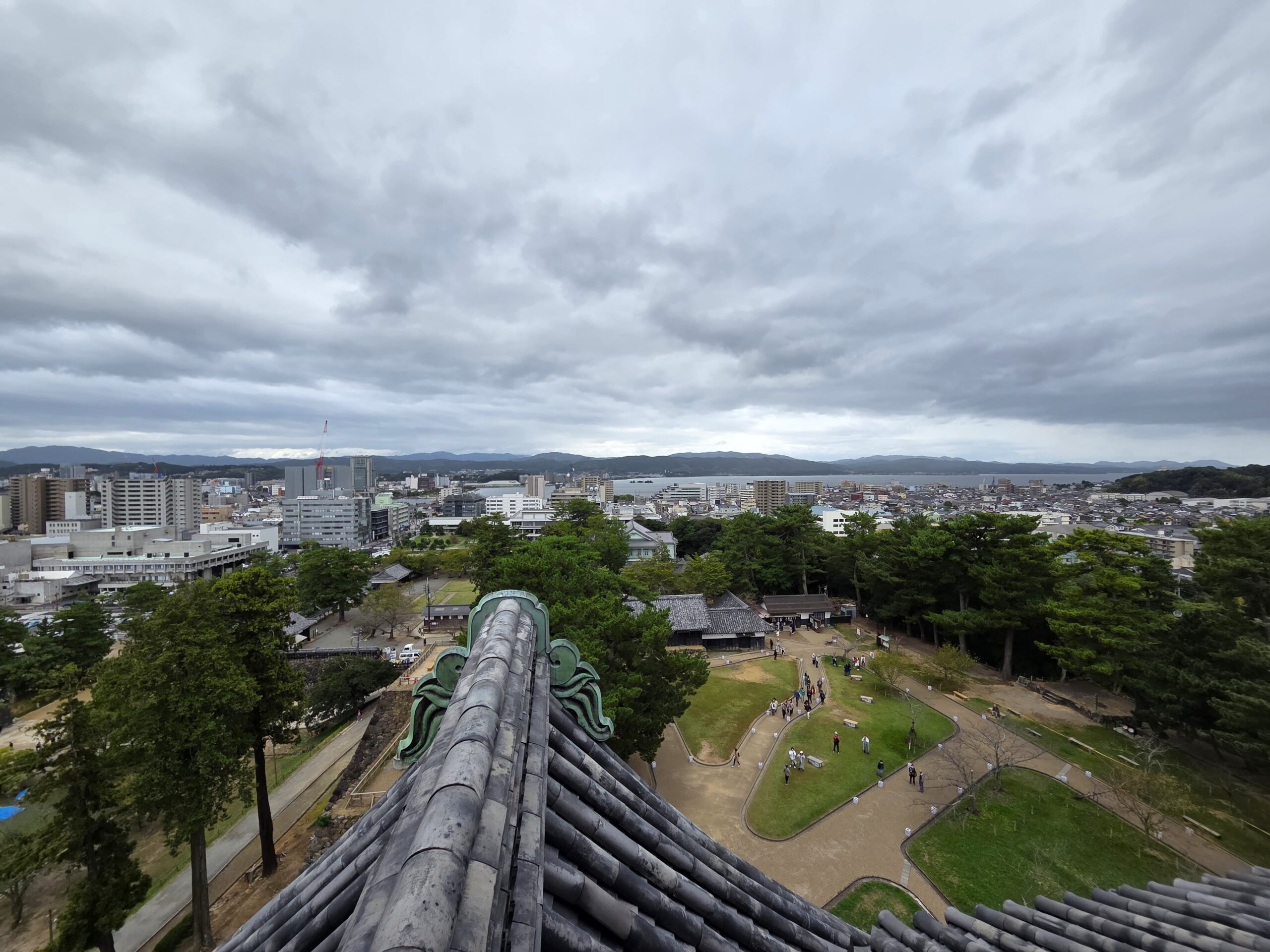
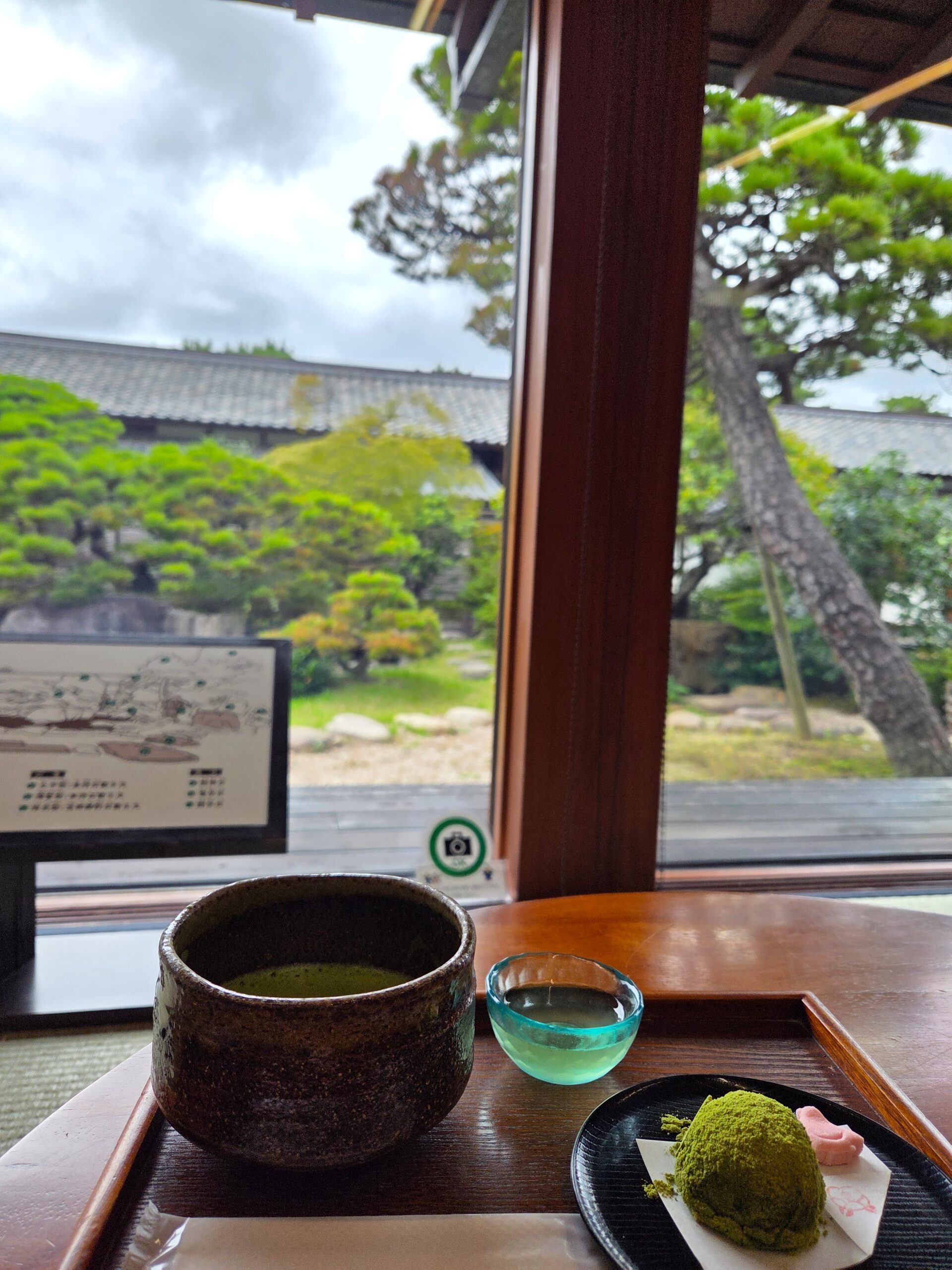
After I left the castle, I visited the Matsue History Museum. While all exhibits are in Japanese, it was really impressive in showing how Matsue developed from a small town to a castle town. Also, it introduced briefly the Meiji Restoration era and how it affected the castle and how this “Lafcadio Hearn” guy was well received during that era. The museum also features a cafe serving matcha with a good view of a Japanese garden and a small view of Matsue castle. I decided to rest there a bit to enjoy the view. I had taken a postcard from the Matsue History Museum that has a stamp rally in it, so it was also my goal that day to complete the postcard with stamps from different places.

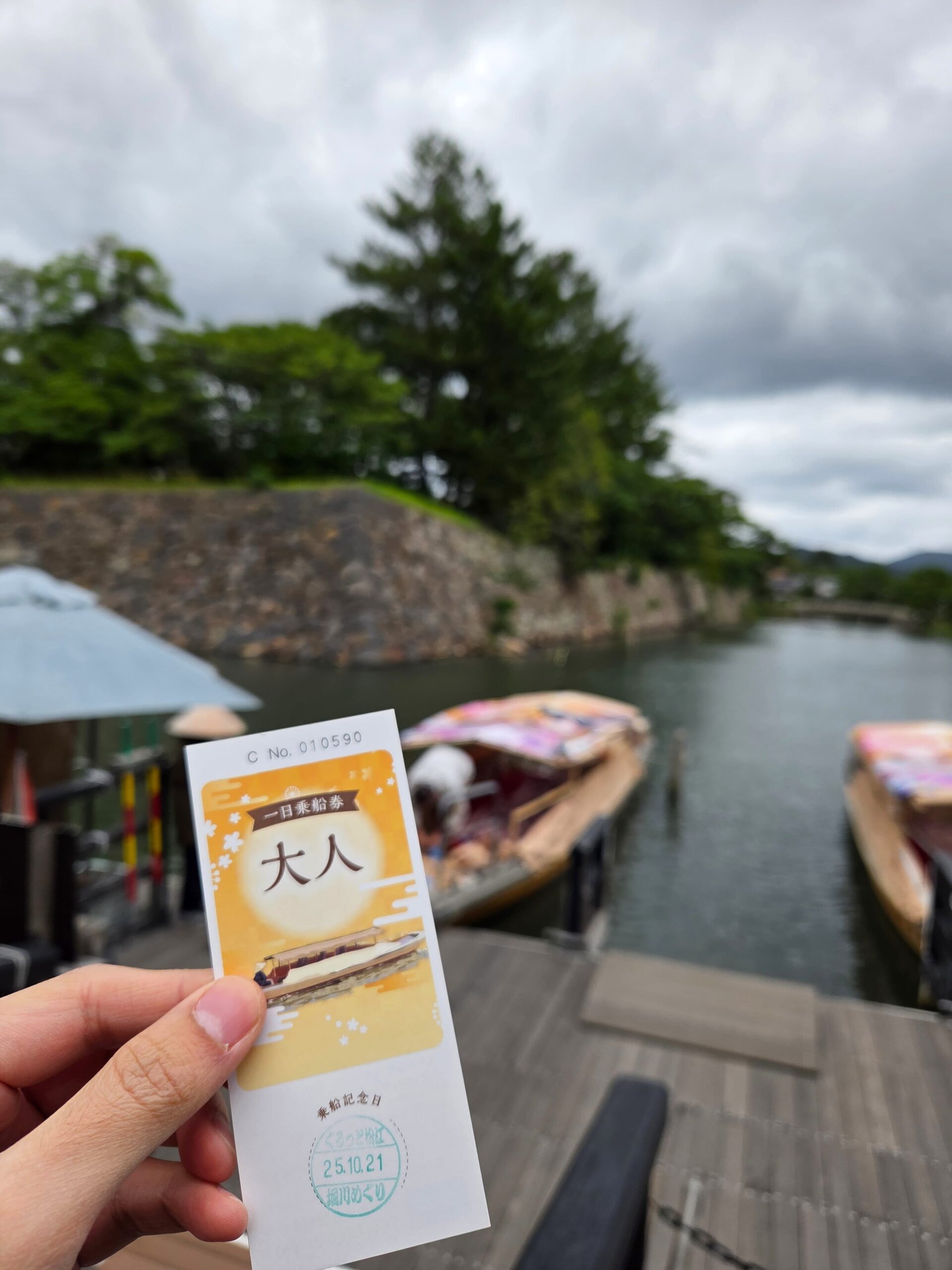
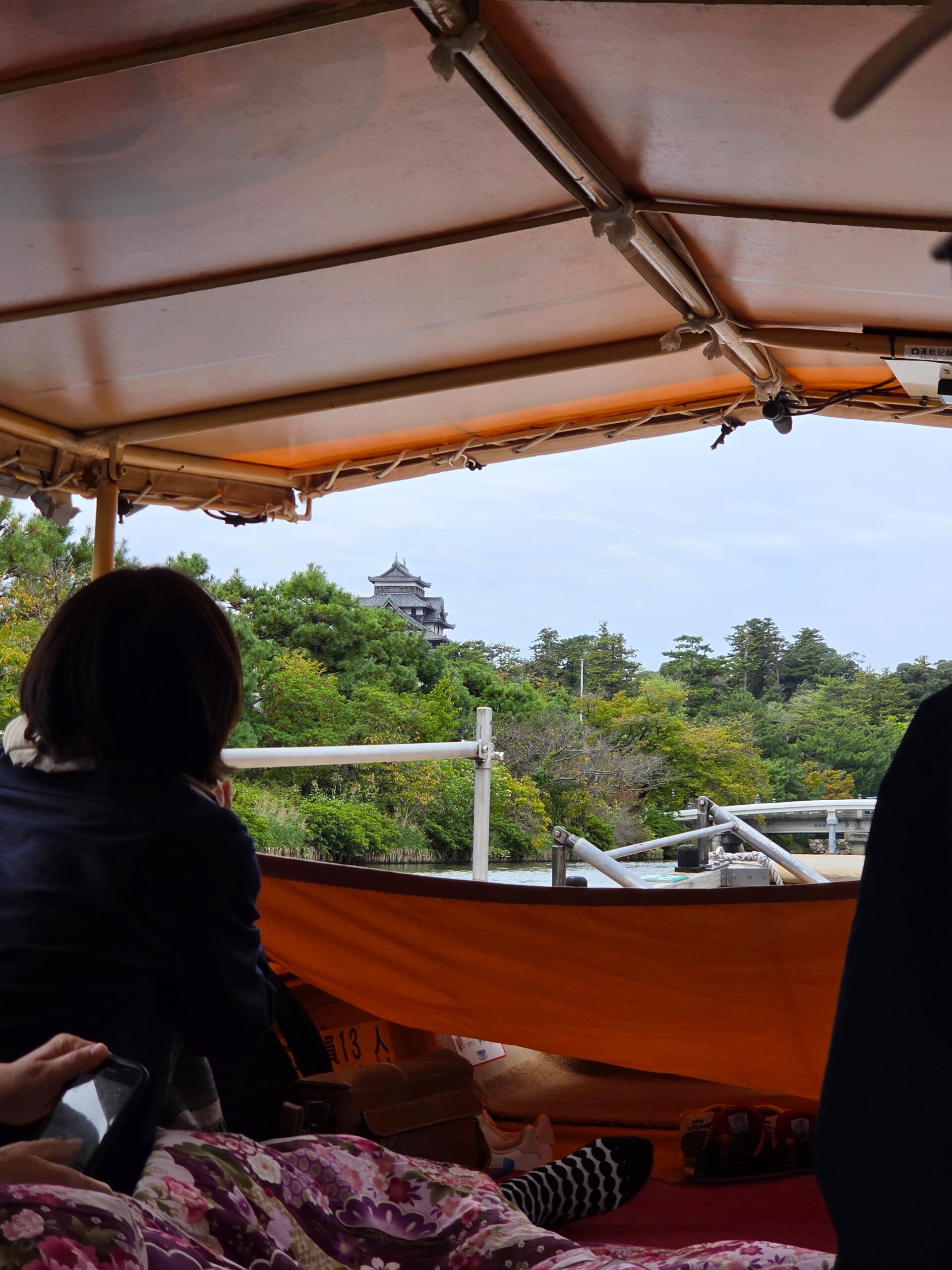
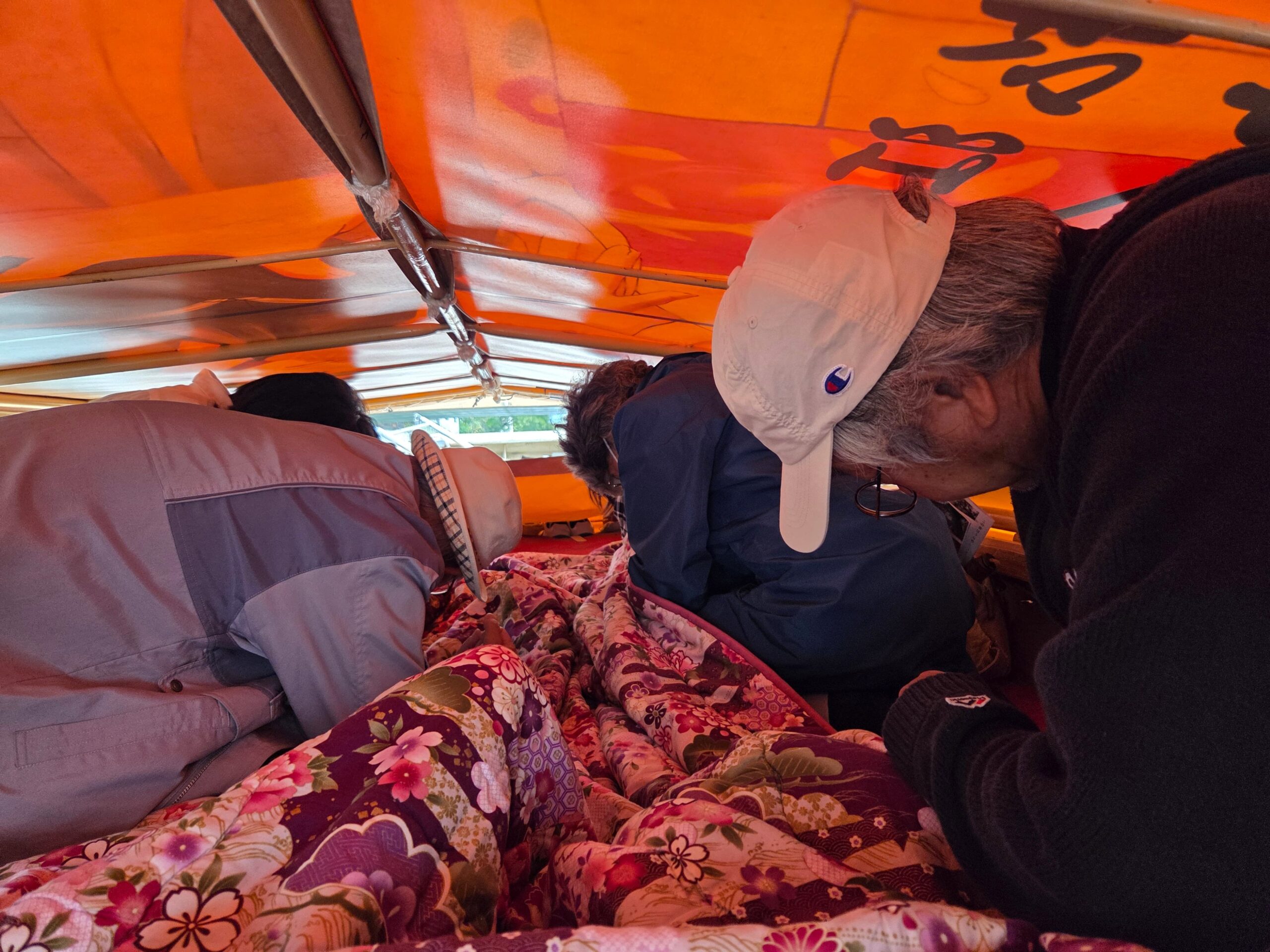
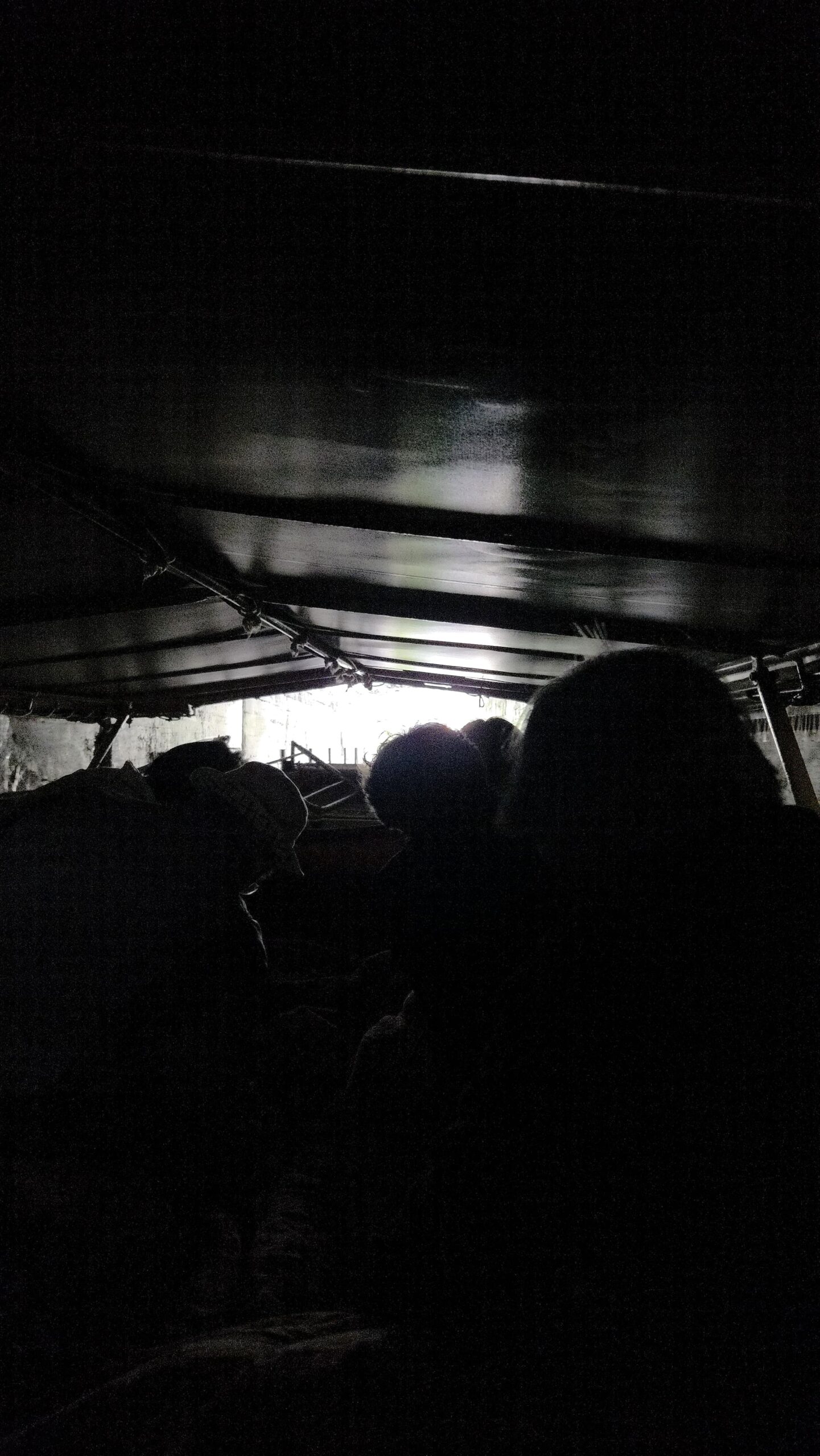
After that, I joined the “Horikawa Sightseeing Boat Tour”. Horikawa is basically the canal surrounding Matsue Castle. It was a really interesting experience. The tour guide who also paddled the boat introduced so many different points of interest in Japanese. Well, they also played a recording of the English version “because there’s a foreigner (me) joining the tour,” but the English version is basically just introducing the name of the point of interest and nothing more. The Japanese version has so much more information like some brief history of such places. I think the most interesting part of the tour was that at some points where we crossed under some bridges, they needed to lower the roof and we needed to bend down and hold for a while. At some point, the guide also sang a folk song to entertain us. What a lovely experience.
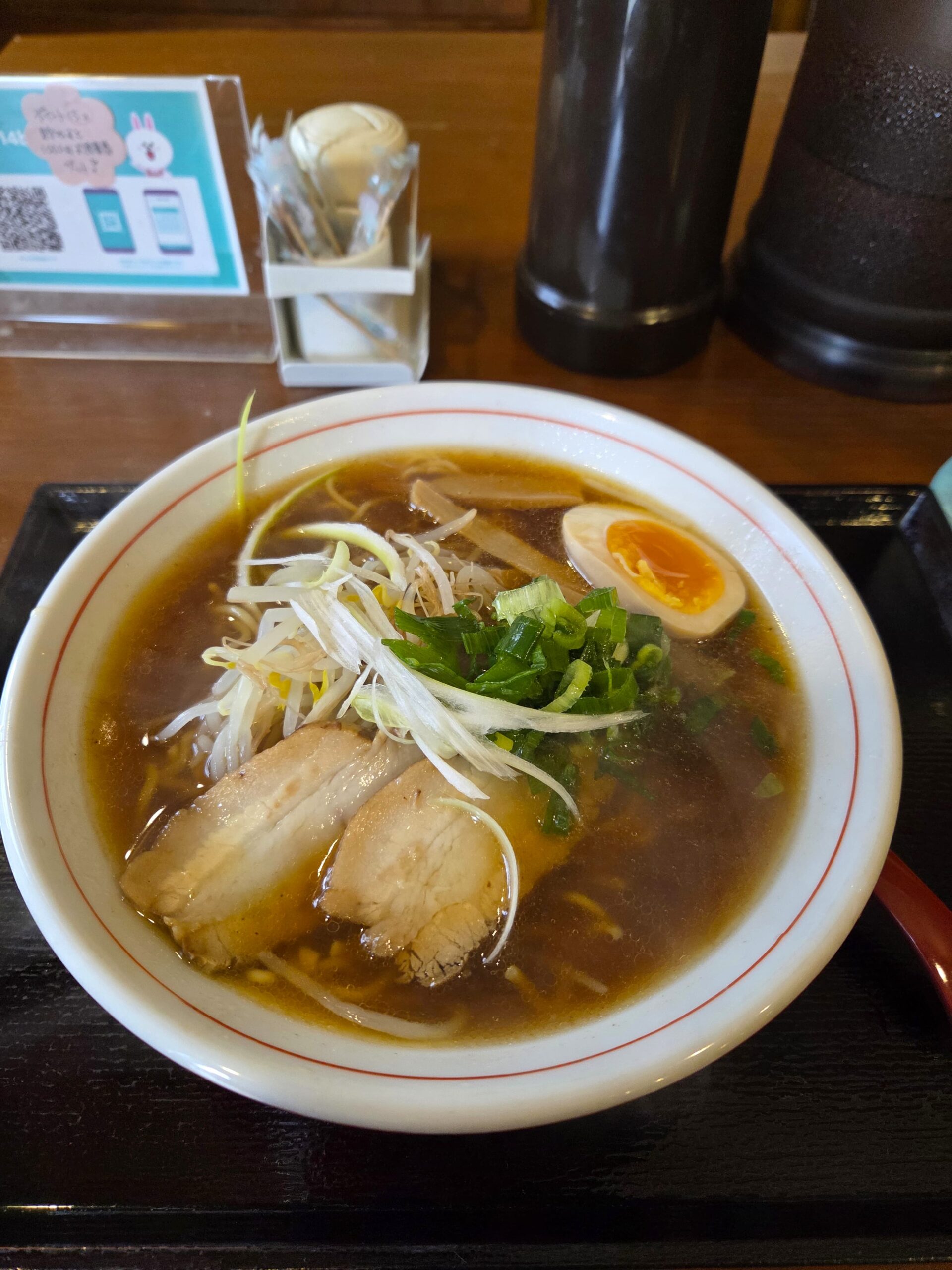
Next was lunch at a ramen shop, with pretty good broth.
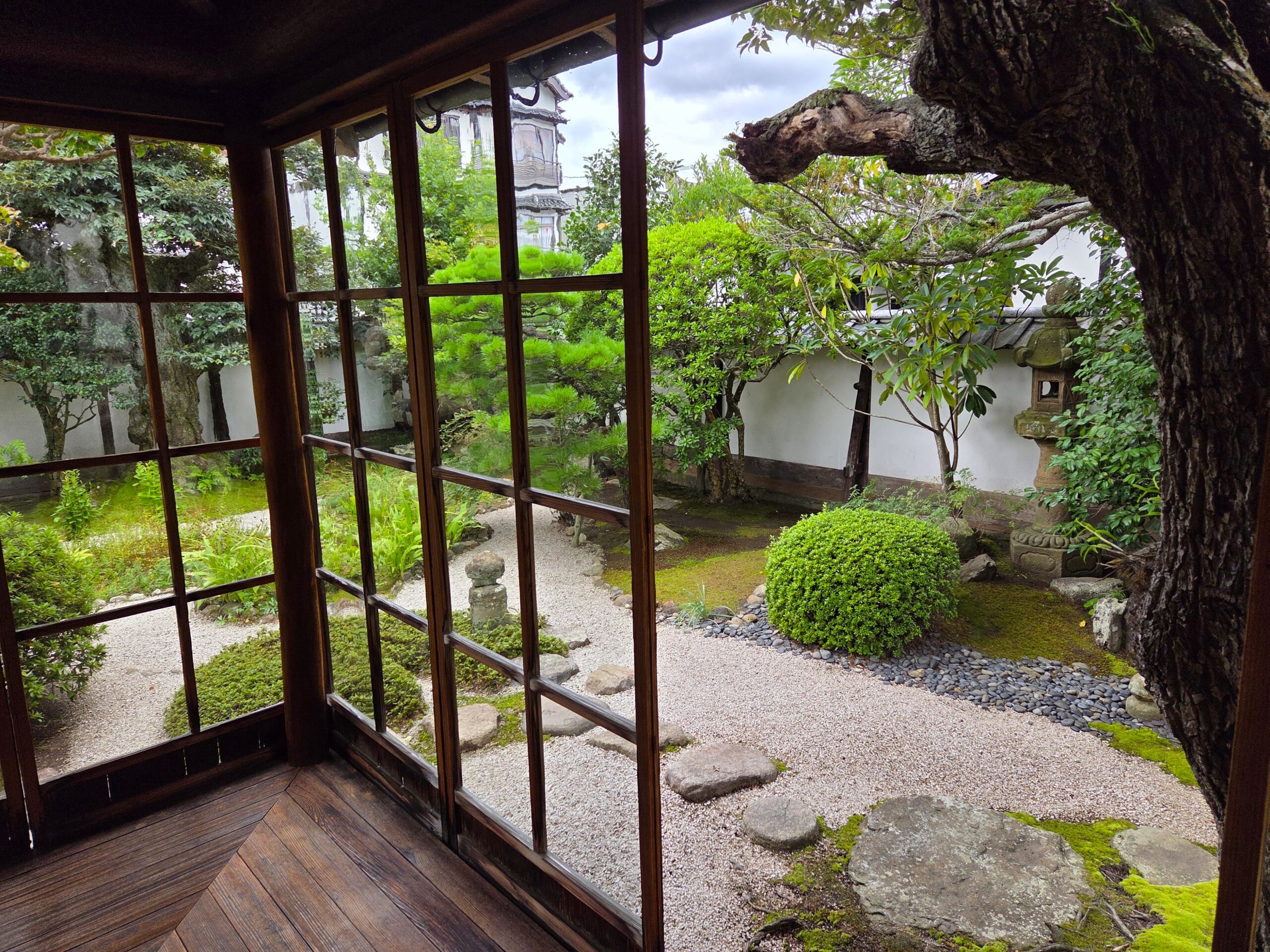
After lunch, I walked around Shiomi Nawate Street to visit the attractions one by one. First was a former samurai residence; nothing much inside, just a pretty classic Japanese house. Then I rested inside a cafe for my beloved taiyaki!
Then I finally reached the Lafcadio Hearn Memorial Museum. I entered the House area first and saw the furniture and living area. Not much explanation here, until I visited the main building. Lafcadio Hearn was an American who visited Japan in the early Meiji era. When visiting Matsue, he had stayed in that house for several years while teaching English to local students. He then married a local Japanese lady, and adopted a Japanese name and citizenship. He wrote lots of things about Japan in that era, especially the ghost stories he heard from his wife. “The first weeb” was the comment I got when I shared that story in the Discord server I’m in. LOL
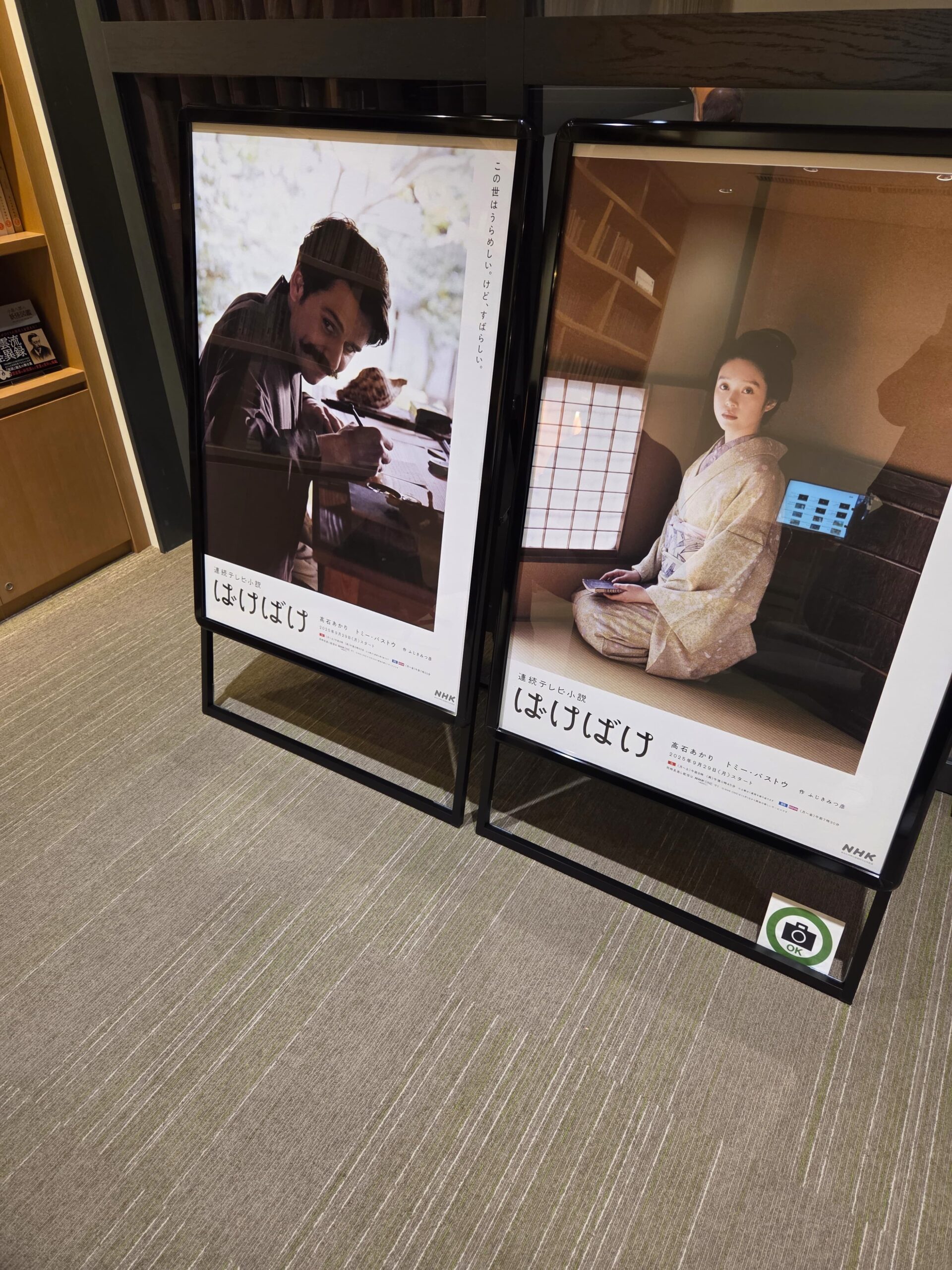
Anyway, the museum was very crowded, especially with local Japanese tourists! I found out the reason when I was leaving the museum: apparently there was an NHK TV drama that loosely adopted his & his wife’s life: ばけばけ/Bakebake/The Ghost Writer’s Wife. The setting of this TV drama is mainly in Matsue of Meiji era. That’s why the city was bustling with local tourists.
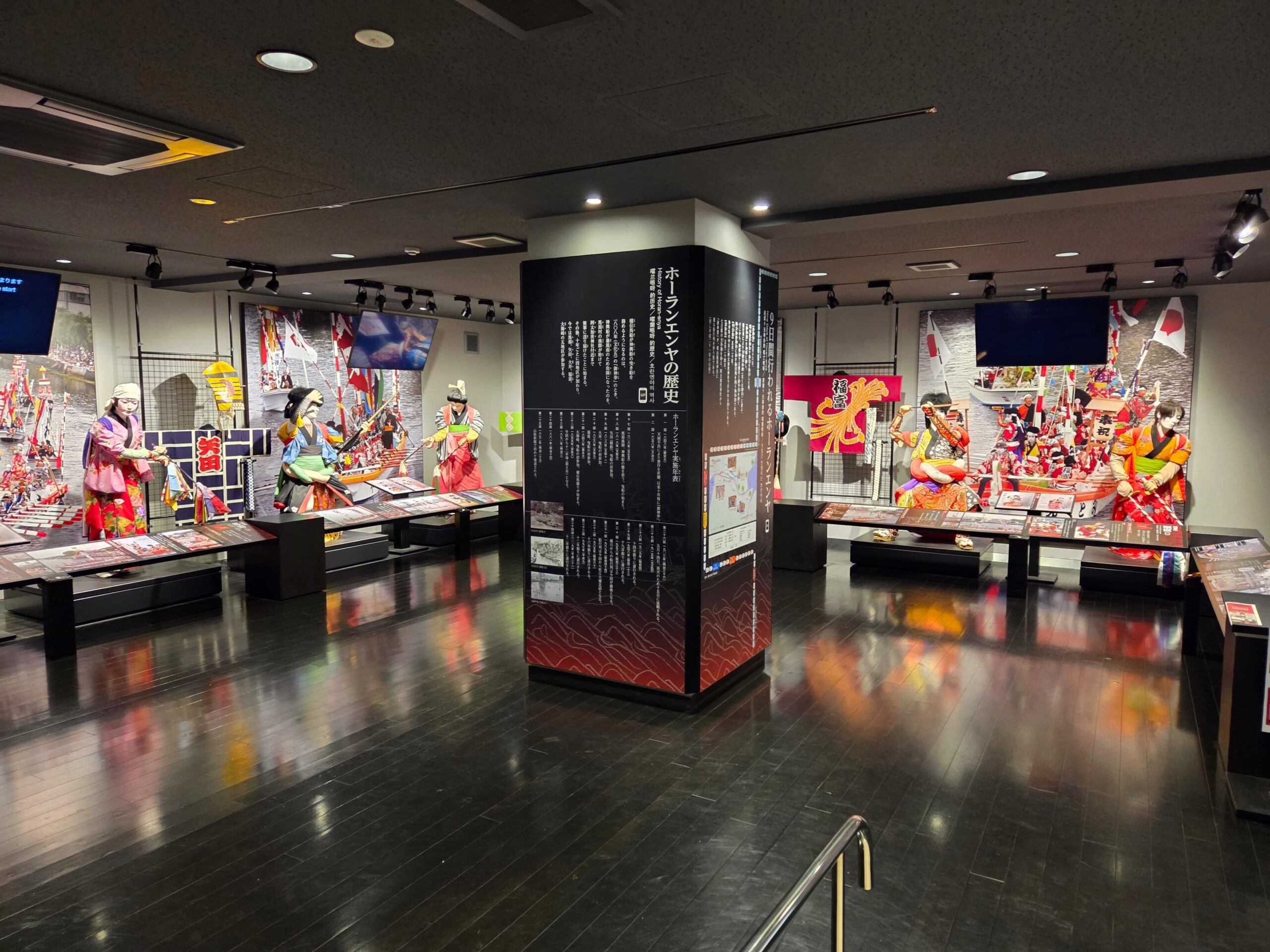
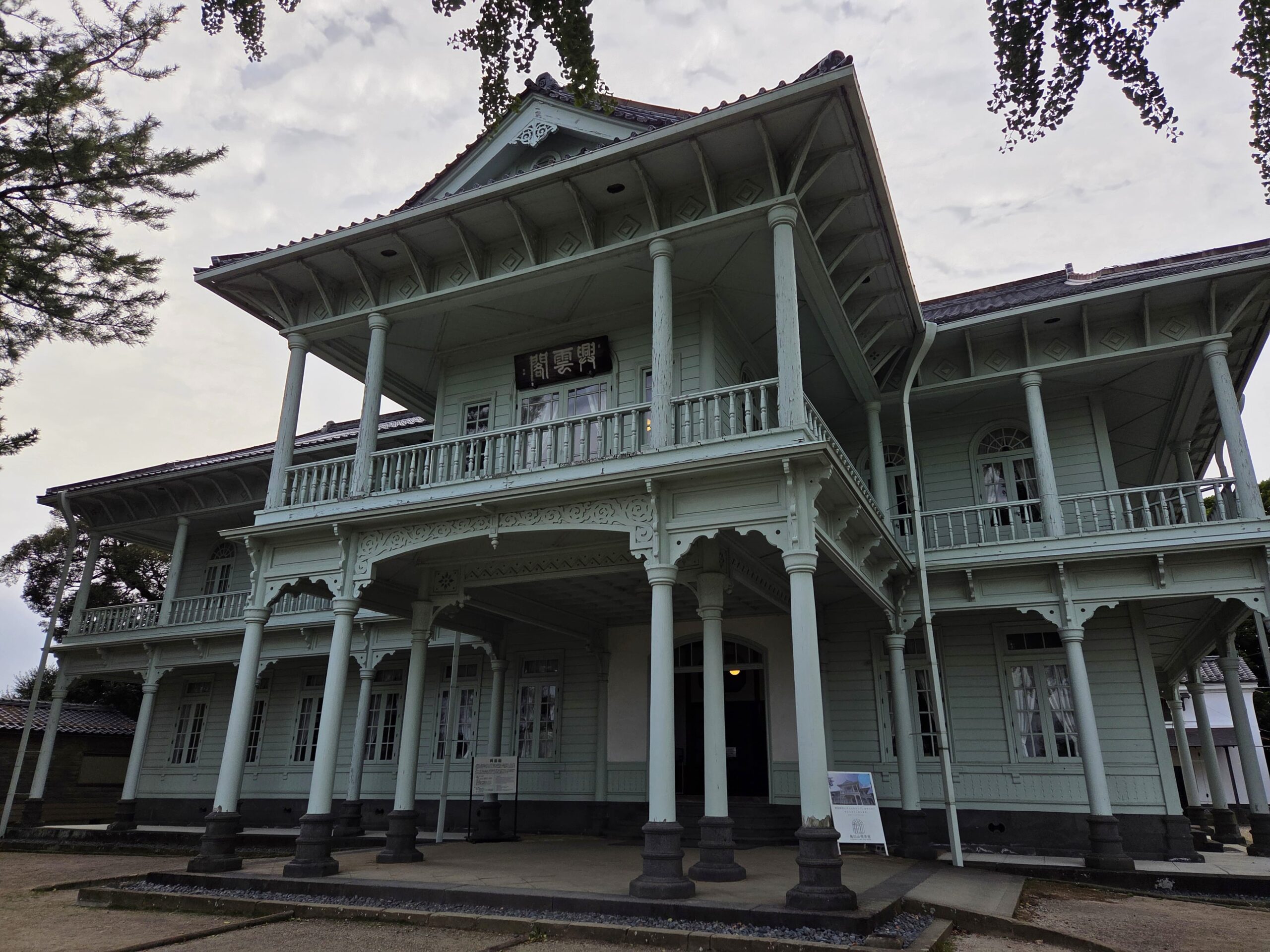
After the museum, I realized that I had missed some places for the stamp rally, so I walked to the Matsue Castle area again to visit the Matsue Horan-enya Memorial Hall (a small museum dedicated to a festival in Matsue), Matsue Castle’s tourist information center, and finally Kounkaku (a western style building nearby the Matsue Castle). It was quite fun to complete a stamp rally.
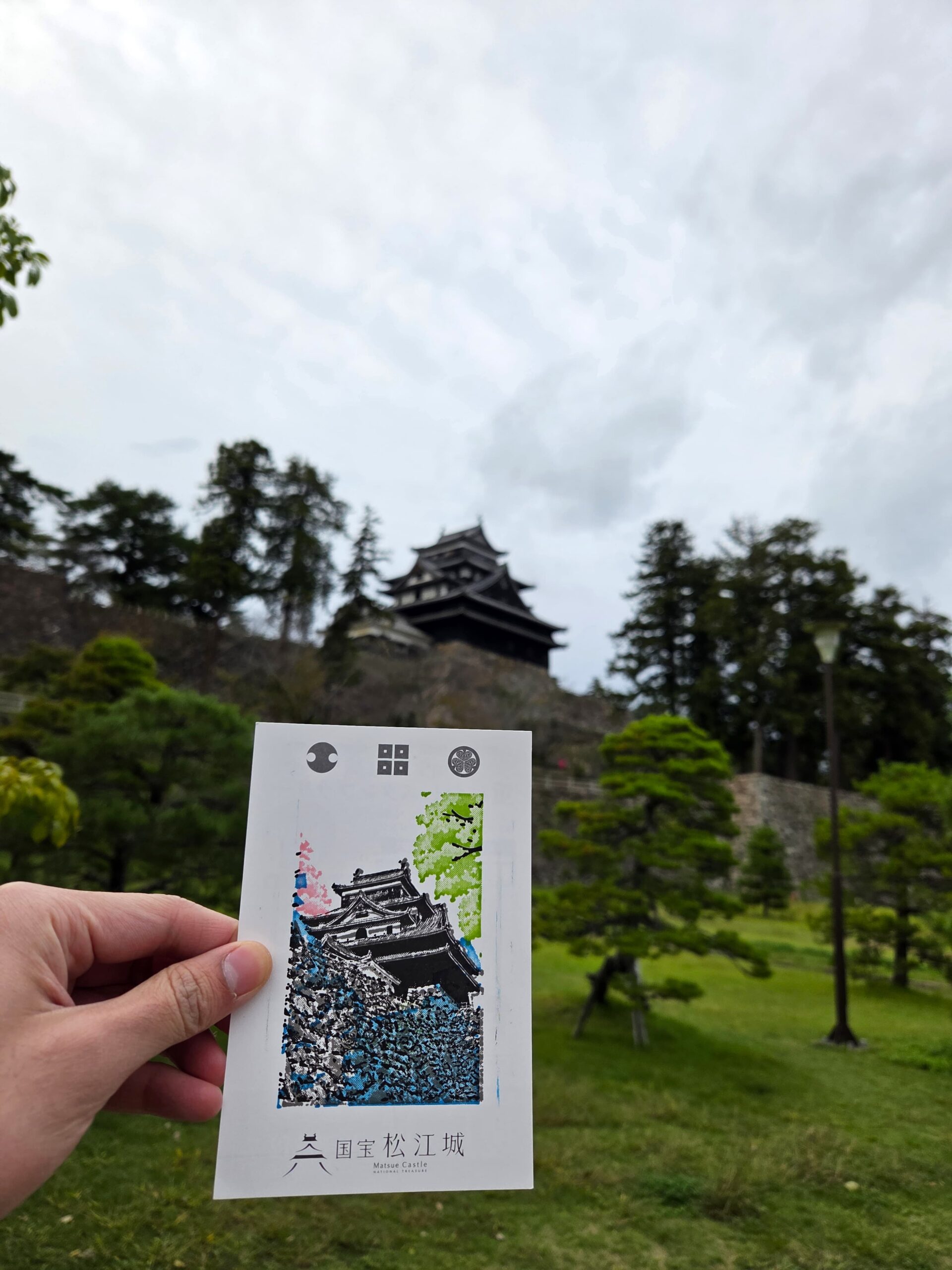
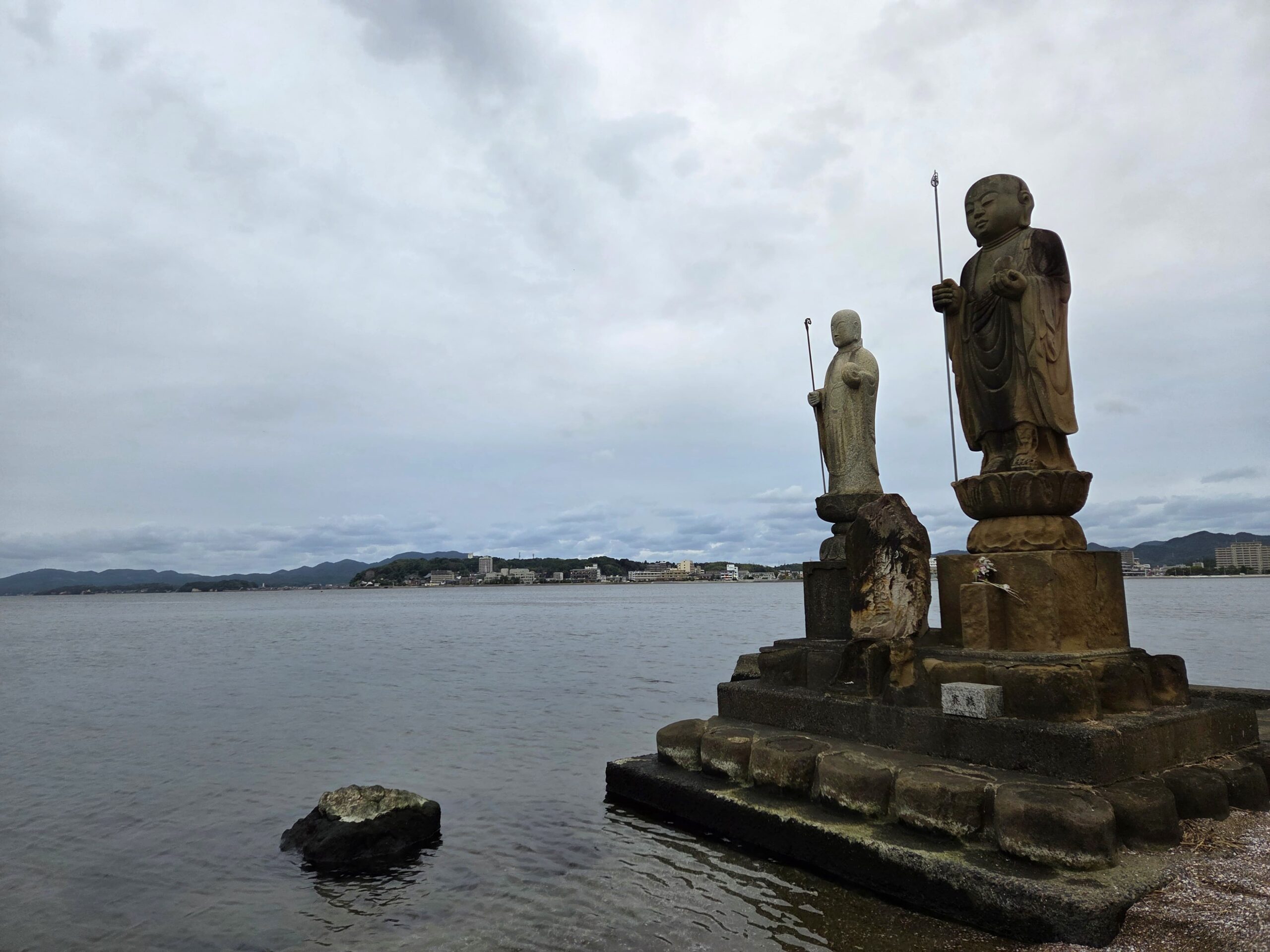
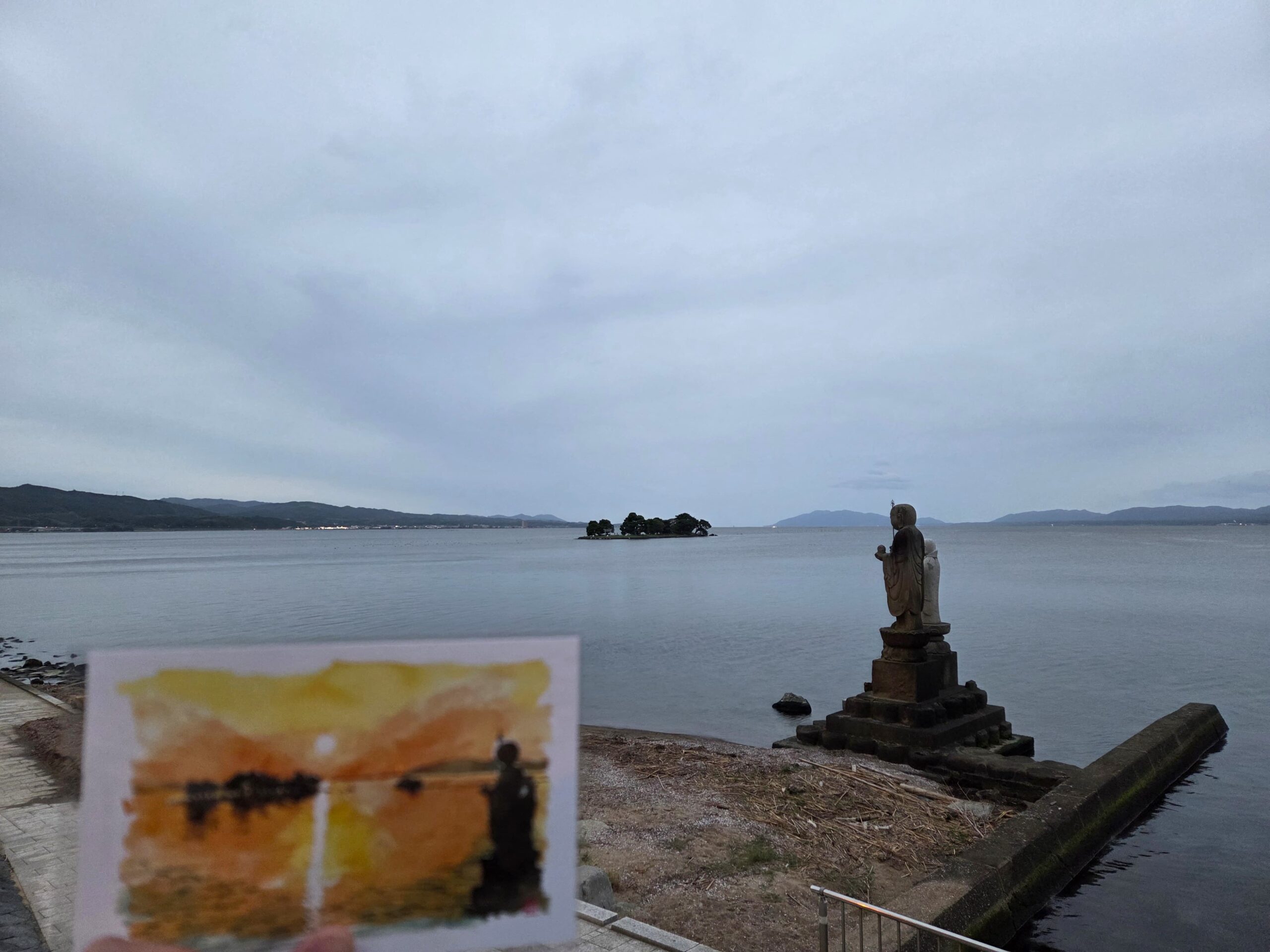
After resting, I decided that I wanted to hunt for the sunset at Shinji Lake. It was still pretty early, so I decided to walk slowly. I intended to visit the Shimane Prefectural Museum too, but unfortunately it was closed that day. Also, the weather was unfortunately not good for sunset viewing as it was totally cloudy and slightly rainy. I waited till sunset time and took pictures of the expectation (postcard I bought from the museum) and the reality.
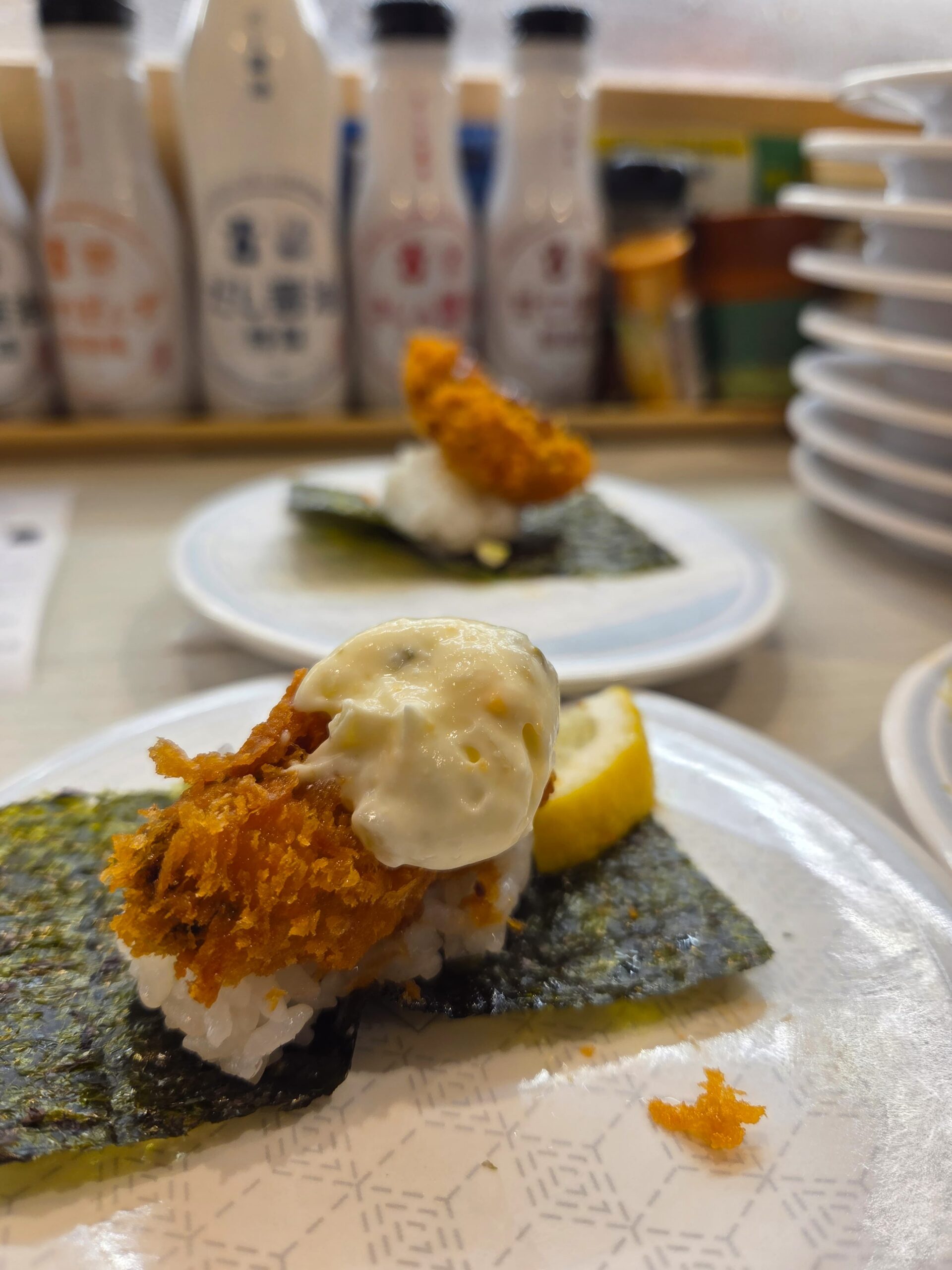
The weather became really cold fast after sunset, so it was not very nice to walk. I found a sushi restaurant and decided to have my dinner there. After that I walked back to the hotel and rest for the day, reuniting with my luggage.
Izumo
The next day was dedicated as a day trip to Izumo. Izumo was the westernmost point of my trip. Reaching there around 9 am, I visited the tourist information centre again for the bus schedule and recommendations.
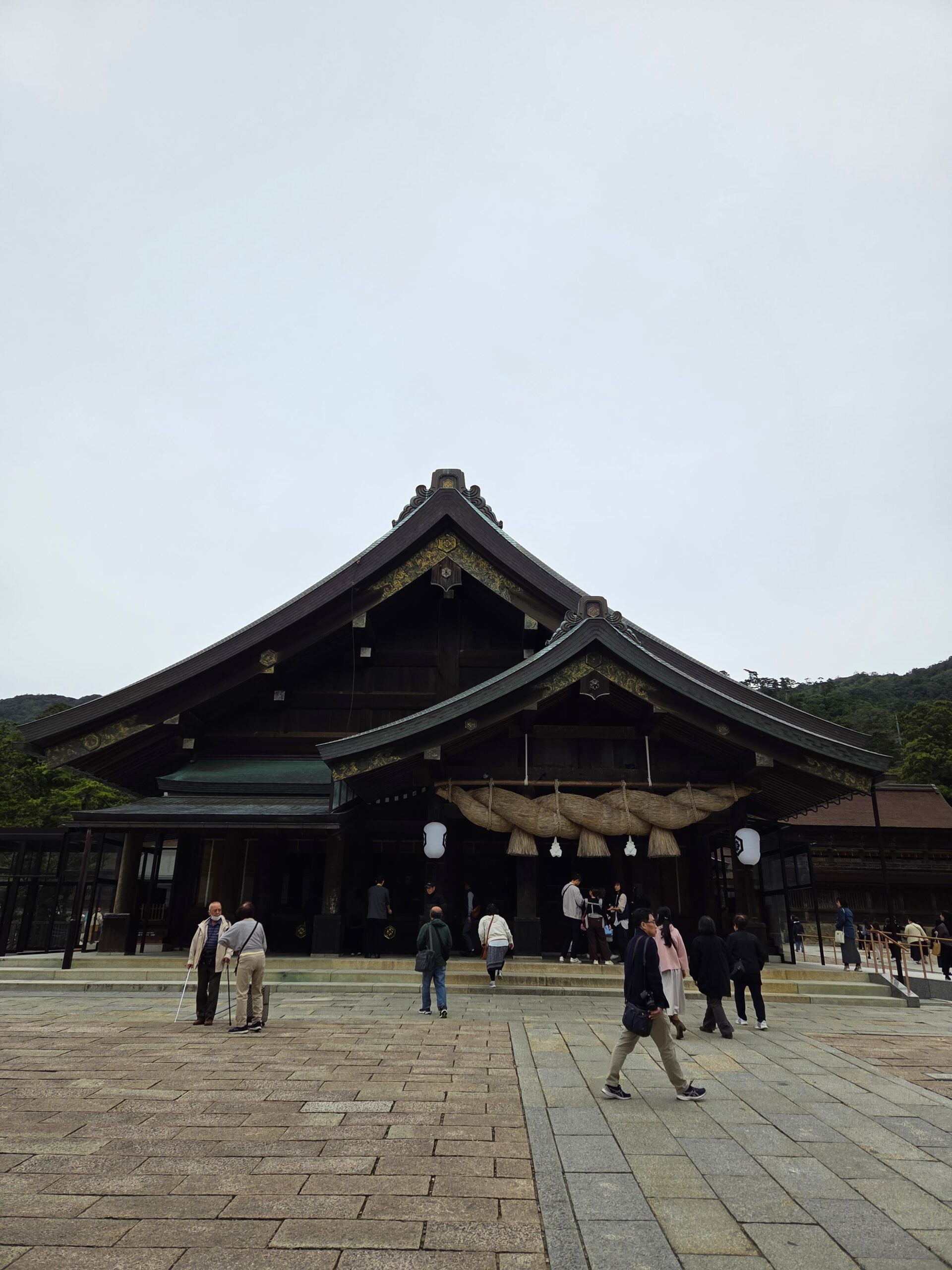
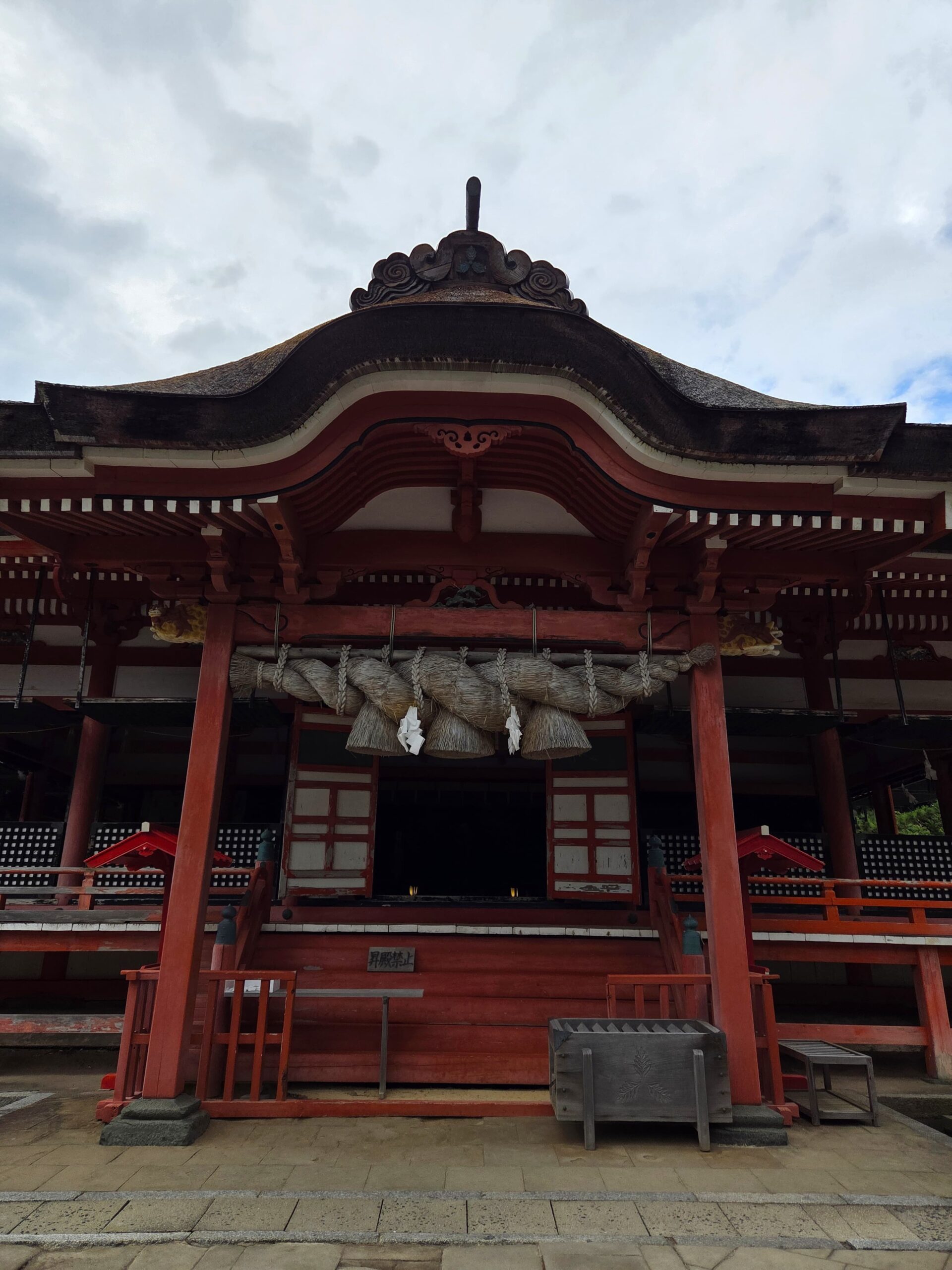
First, I took a bus to visit Izumo-taisha. The shrine was so vast and had the feeling of Kasuga-taisha (of Nara), being located in a forest area and dedicated to an important deity. The buildings here were so old but still pristine and well maintained. I observed that in this area, when praying, people clapped four times instead of twice. I also observed that there’s a place where visitors can scoop the sand and bring it home? I wonder what the significance of that is. After this shrine, I visited the museum of the shrine, which showcased so many old artefacts of the olden days. That Lafcadio Hearn guy got several mentions here again, since there were some artefacts that were marked as being shown to him at the time, since he was the first Westerner who was allowed to enter the shrine compound.
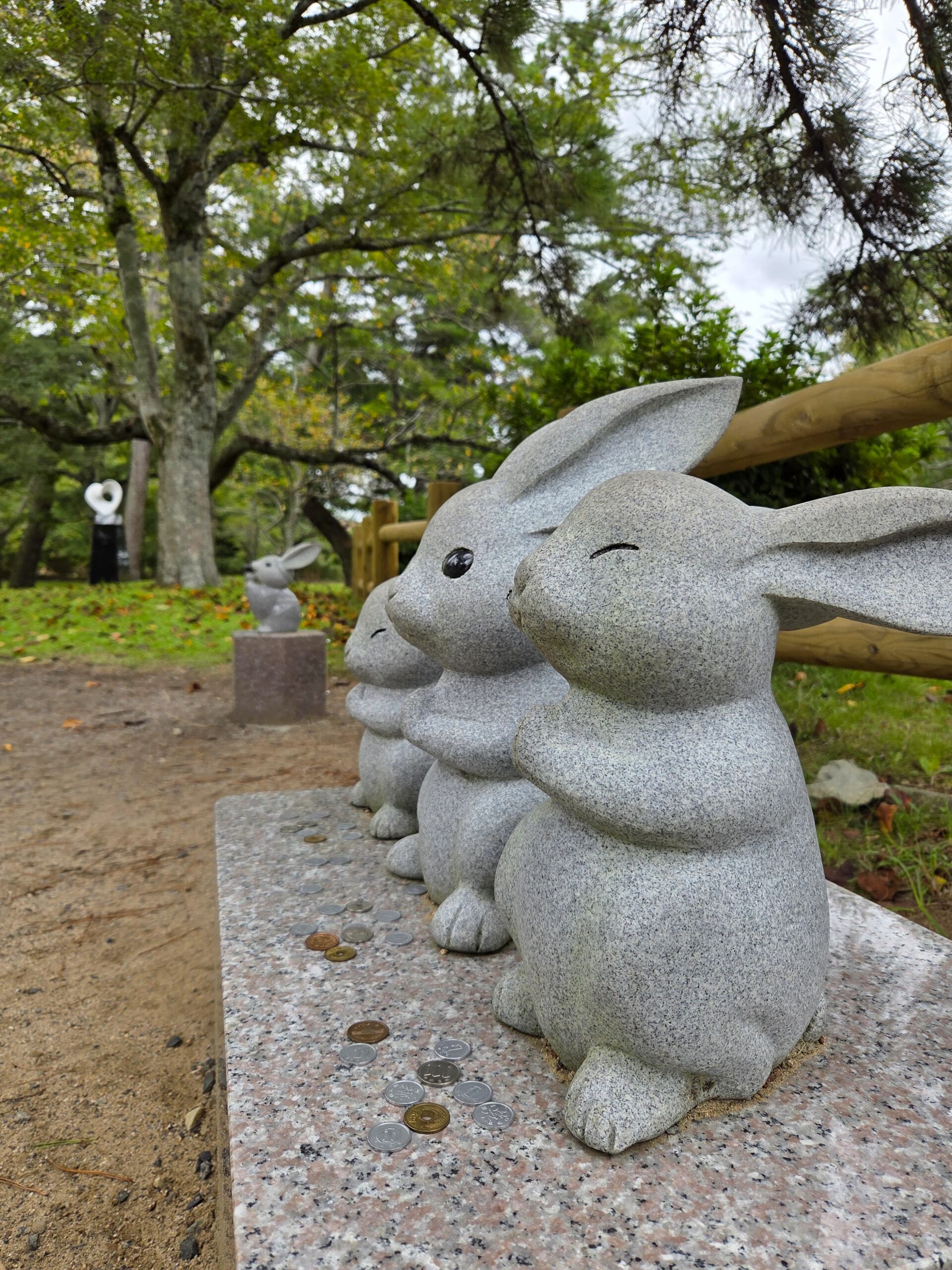

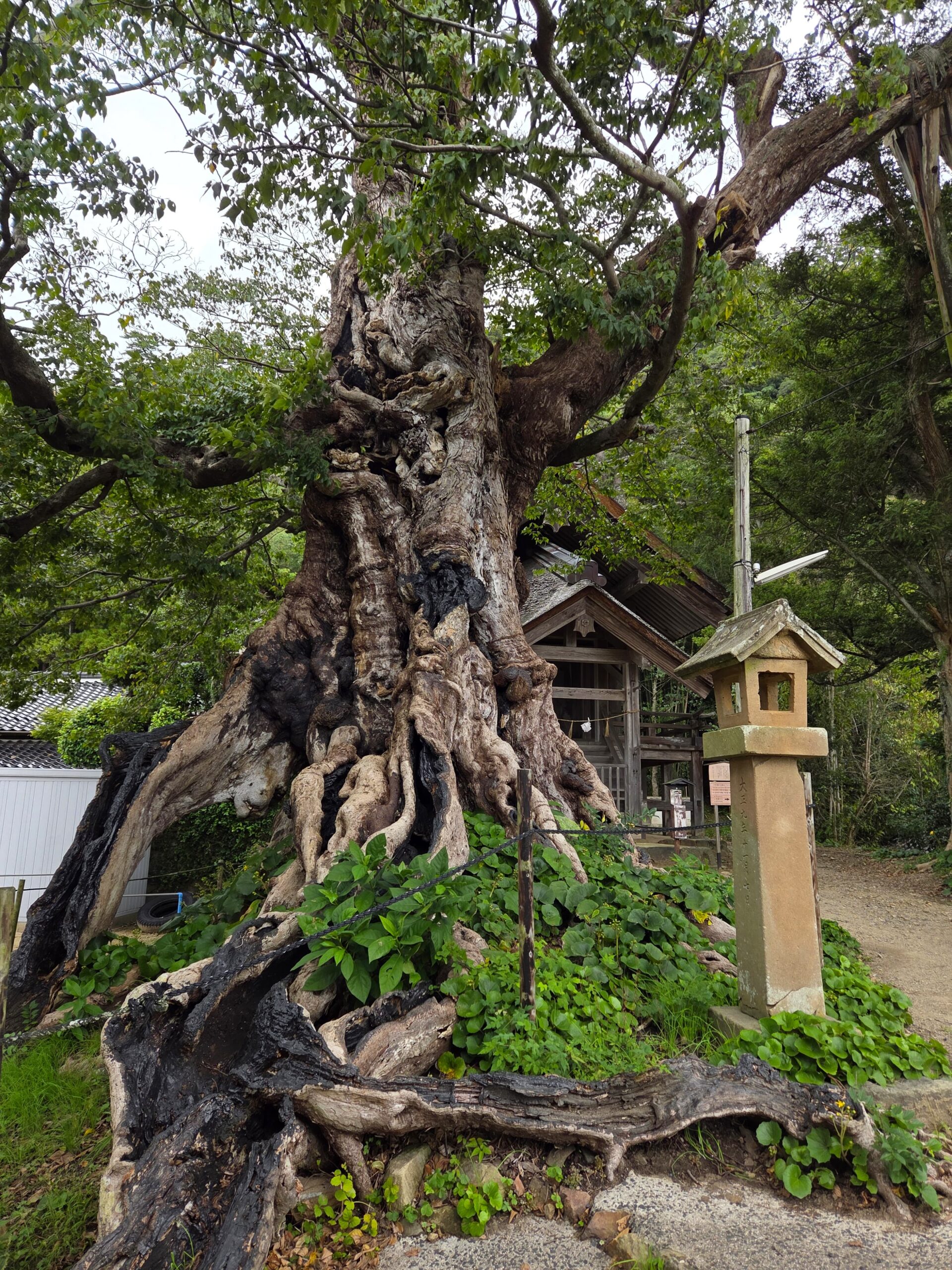
After Izumo-taisha, initially I planned to visit the Shimane Museum of Ancient Izumo, but it was closed for renovation. I visited some spots nearby that were recommended by the tourist information center: a very old tree, and a spring. Nothing much to see, so I headed back to the main street of Izumo-taisha for lunch.
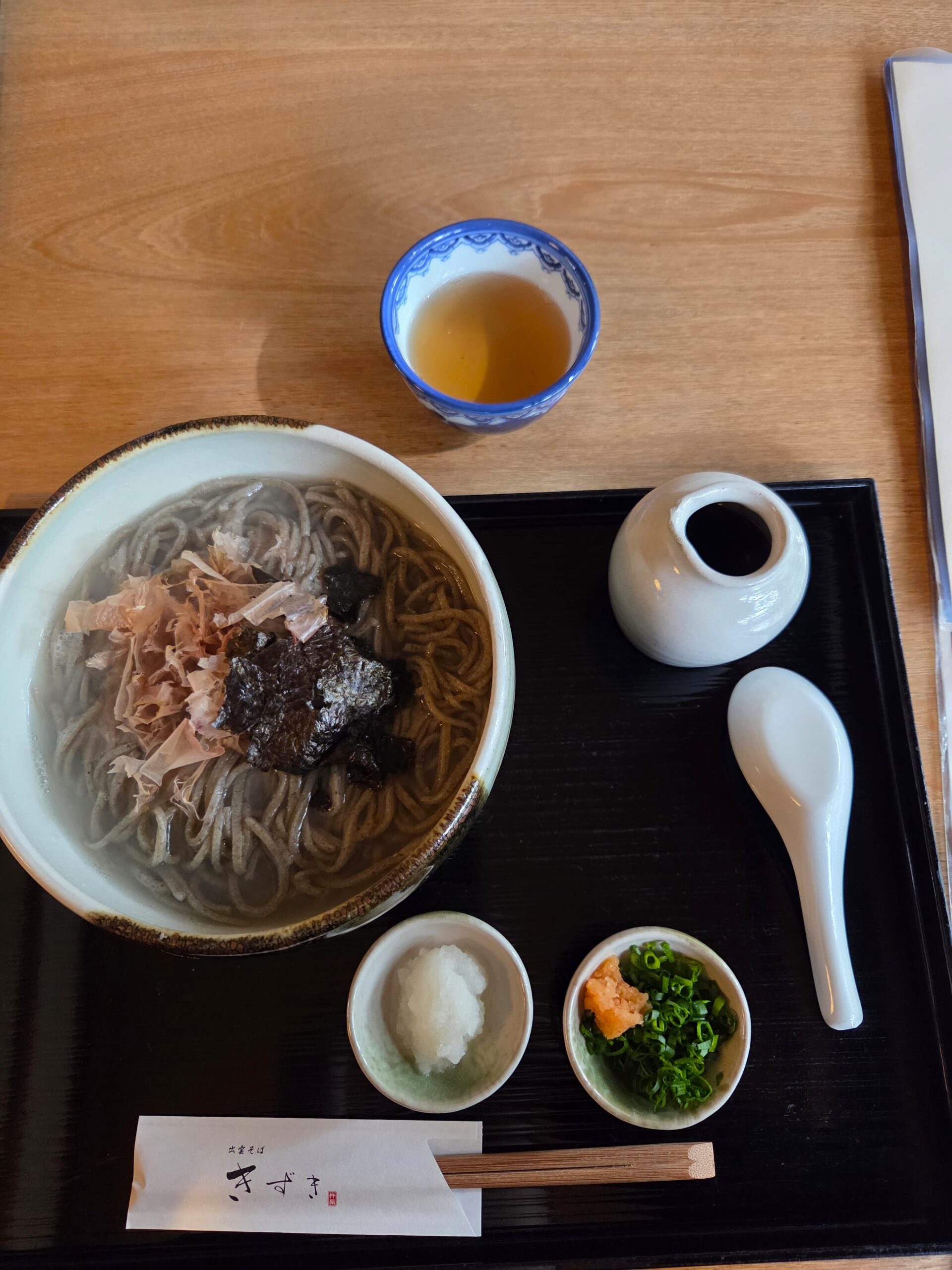
I was kind of late for lunch and everywhere was crowded with people lining up. I wanted to try Izumo soba, so I had to queue at one of them. I tried their recommended Izumo-soba at a shop called “Kizuki”, and indeed the noodle part was unique since it was made with buckwheat with kernels milled together, producing a dark colored noodle. However, the experience was quite underwhelming since the seasoning and side dishes were severly lacking. I wished I had ordered other side dishes too to give more variety of tastes.
After lunch, I spent the afternoon at the main shopping street and visited each of the shops. I bought some souvenirs and had some snacks too.
Then I decided that I would take a bus to the Hinomisaki area. Hinomisaki deserves a really special mention here. It was extremely beautiful, like those Instagrammable spots of Nusa Penida, but it encompasses a large swath of area, not just one corner. Also this place comes with a lighthouse!
I made a mistake of visiting the Hinomisaki shrine and exploring the lower area first before going up the lighthouse since the lighthouse closed early at 4:30 pm. And when I reached it, it was already 4:15 pm and they already posted a sign that they no longer accepted entry for the day. However, there was a group of local tourists in front of me that managed to convince the clerk to extend the opening time by several more minutes. And I also joined them in asking if she could sell one more ticket for me. It was such an experience rushing up the stairs, quickly taking pictures, and then rushing down. Phew…
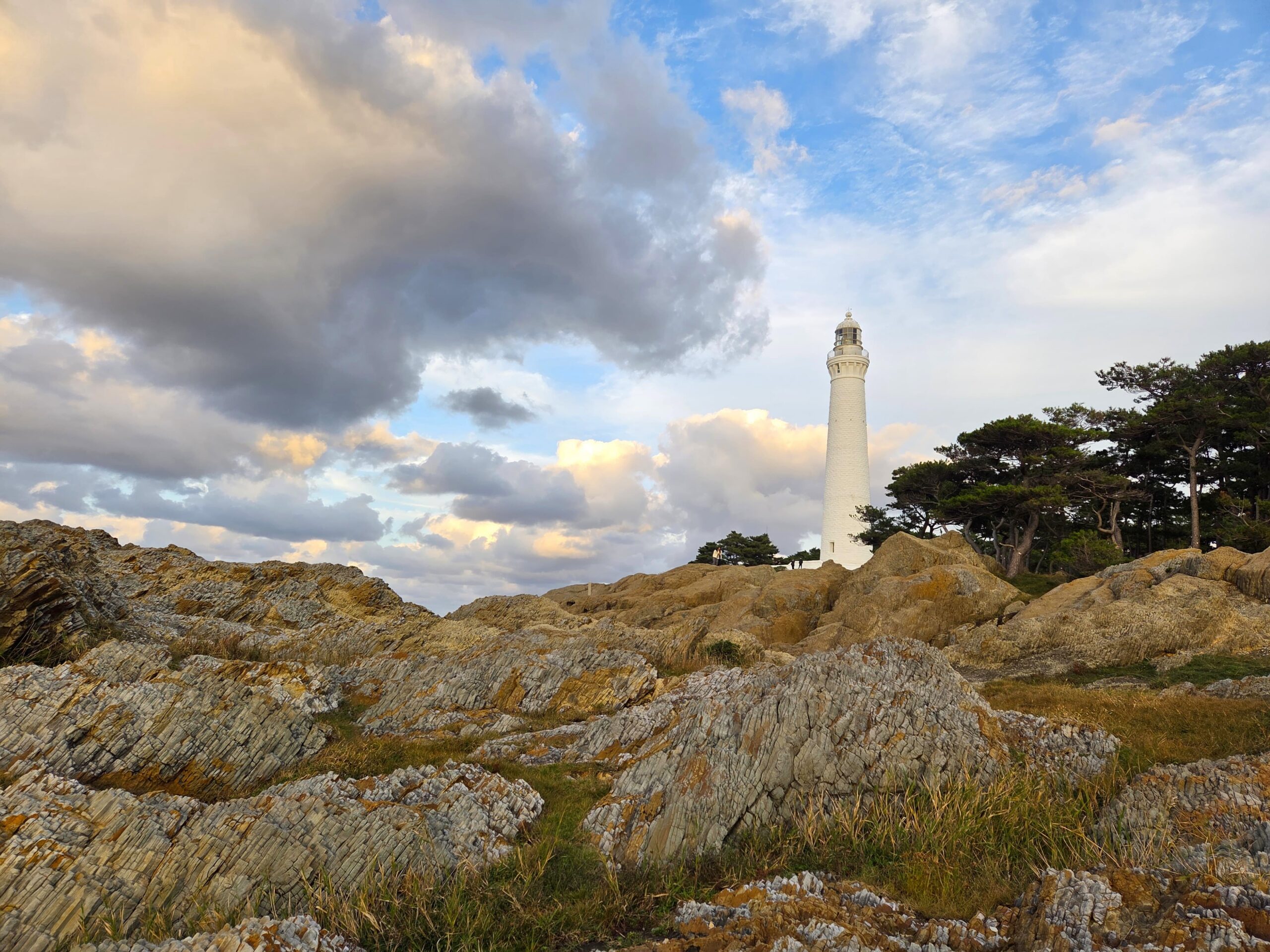

After that, I walked along the rocky area to find a good spot to view the sunset. I rested at one of the rocks and just viewed the sea slowly. It was really beautiful and peaceful. The sunset view was also really amazing. At that point, I felt really grateful to be alive to be able to view such an amazing sight.
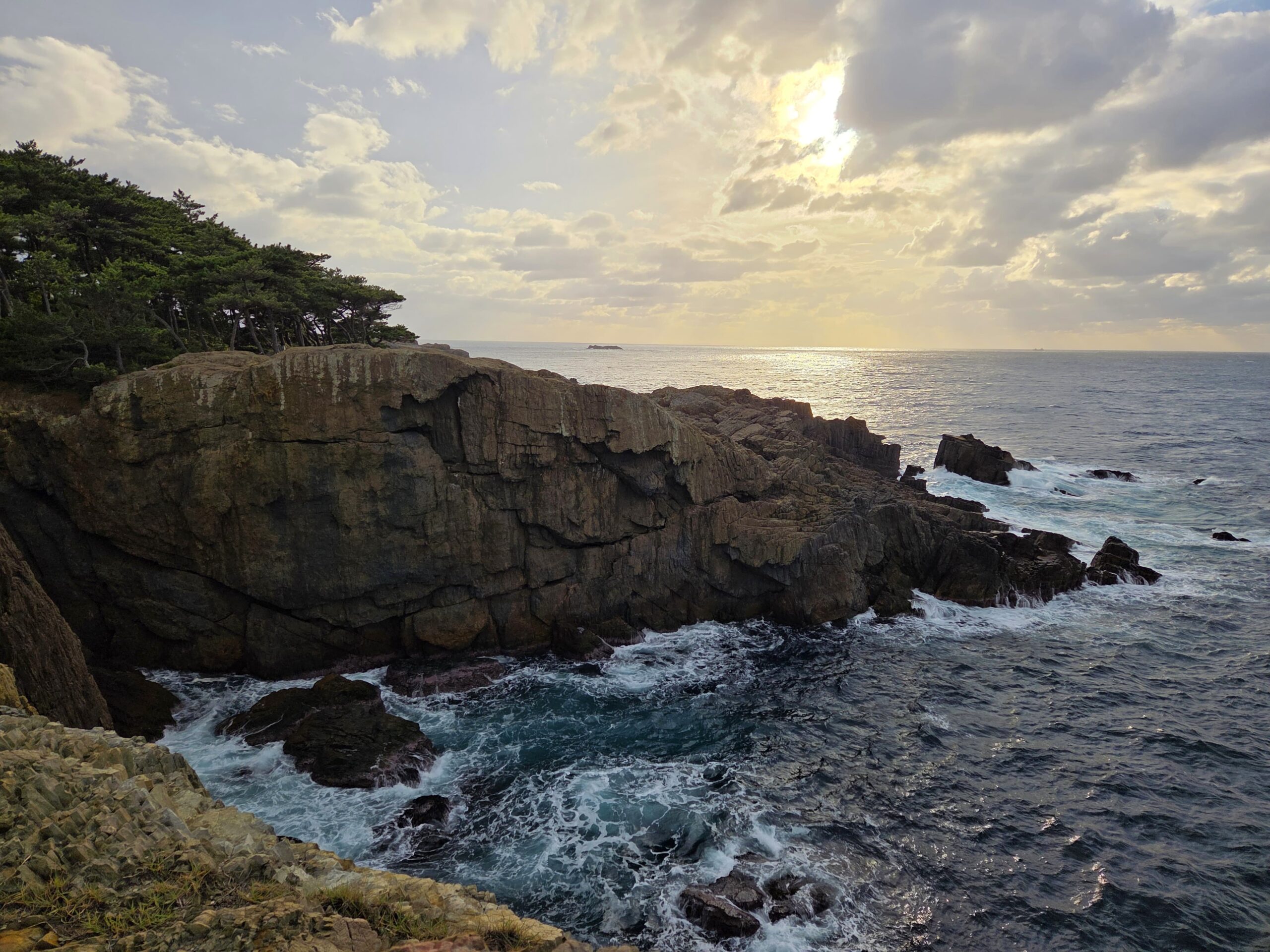
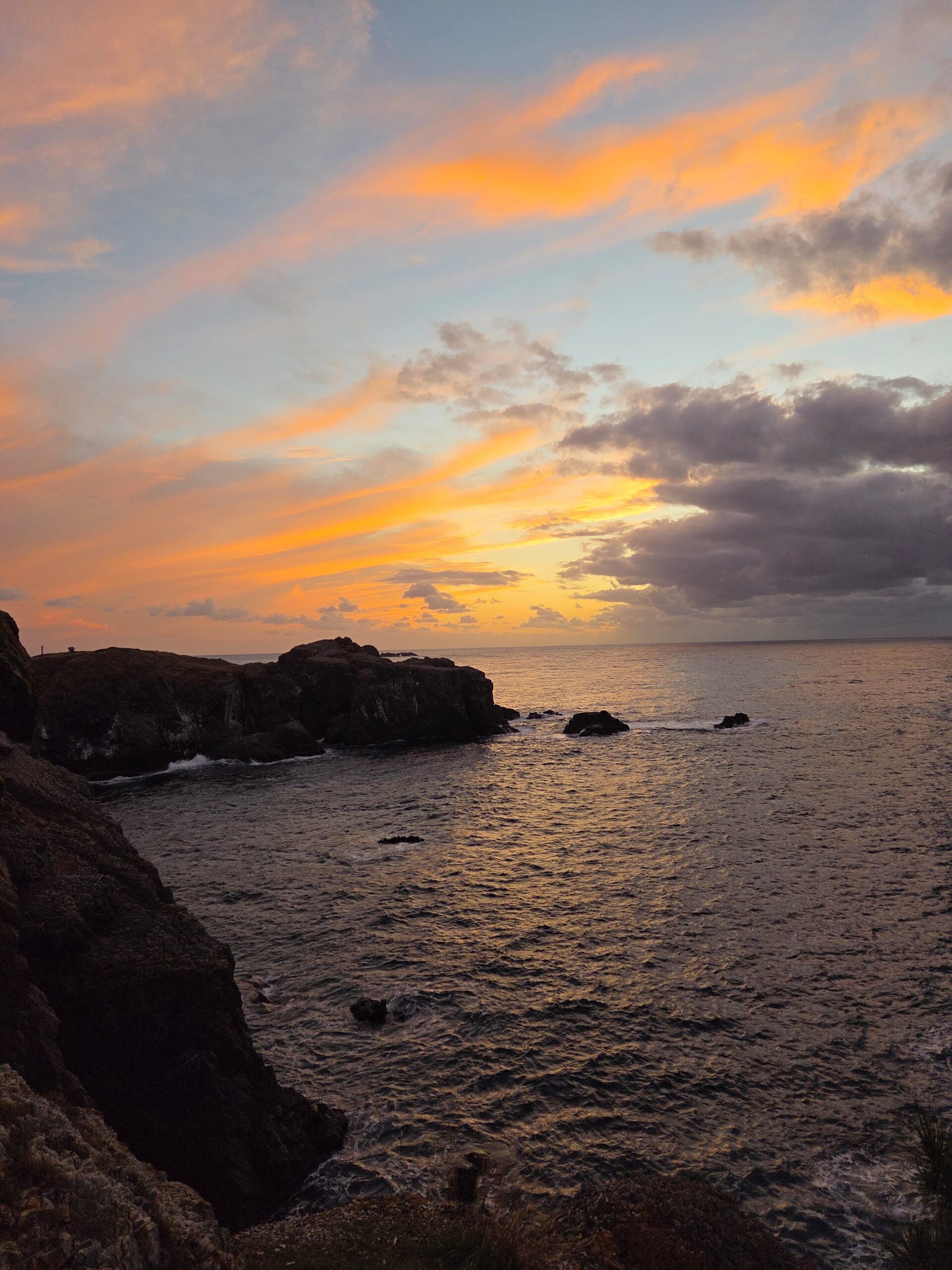

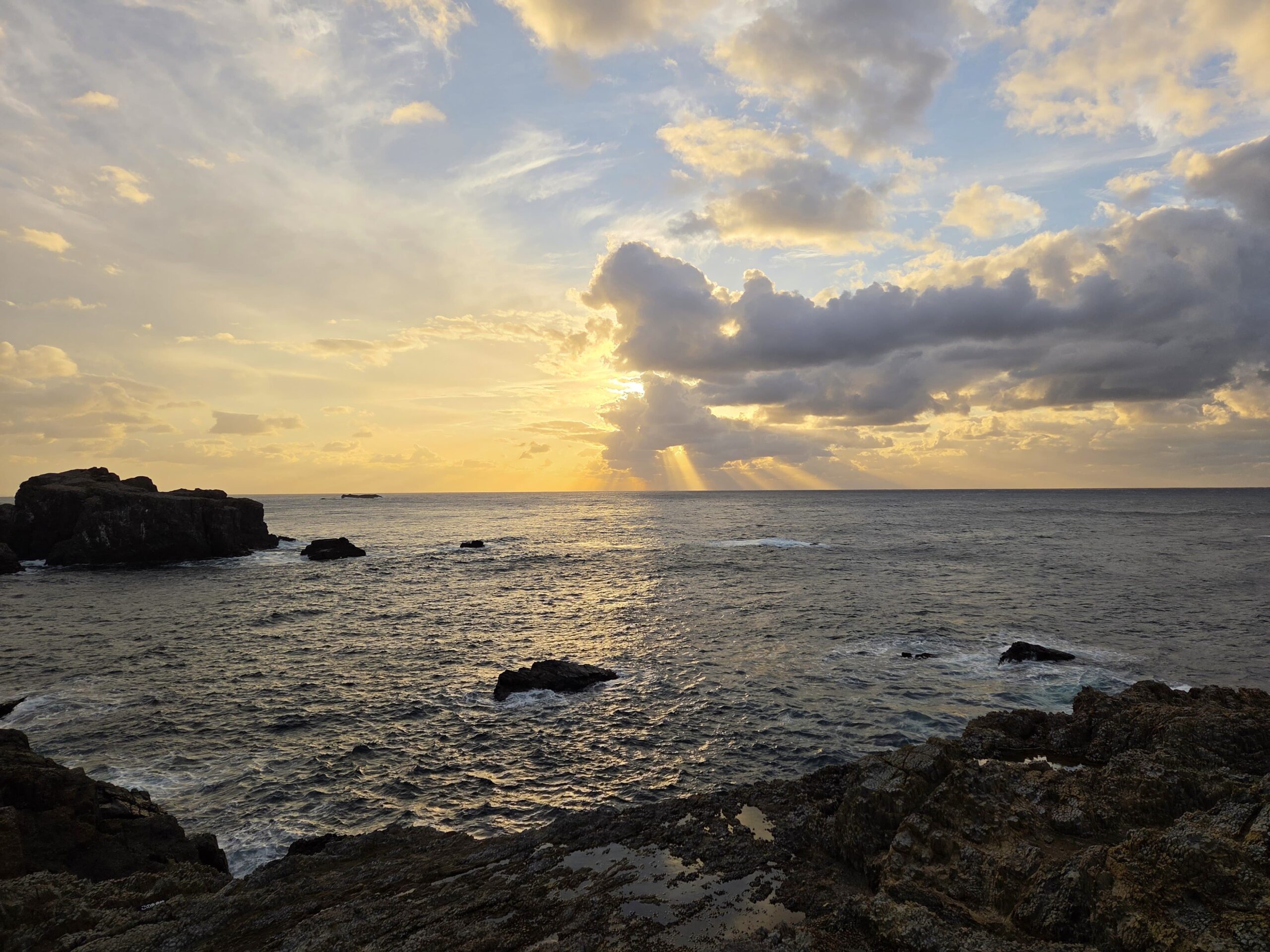
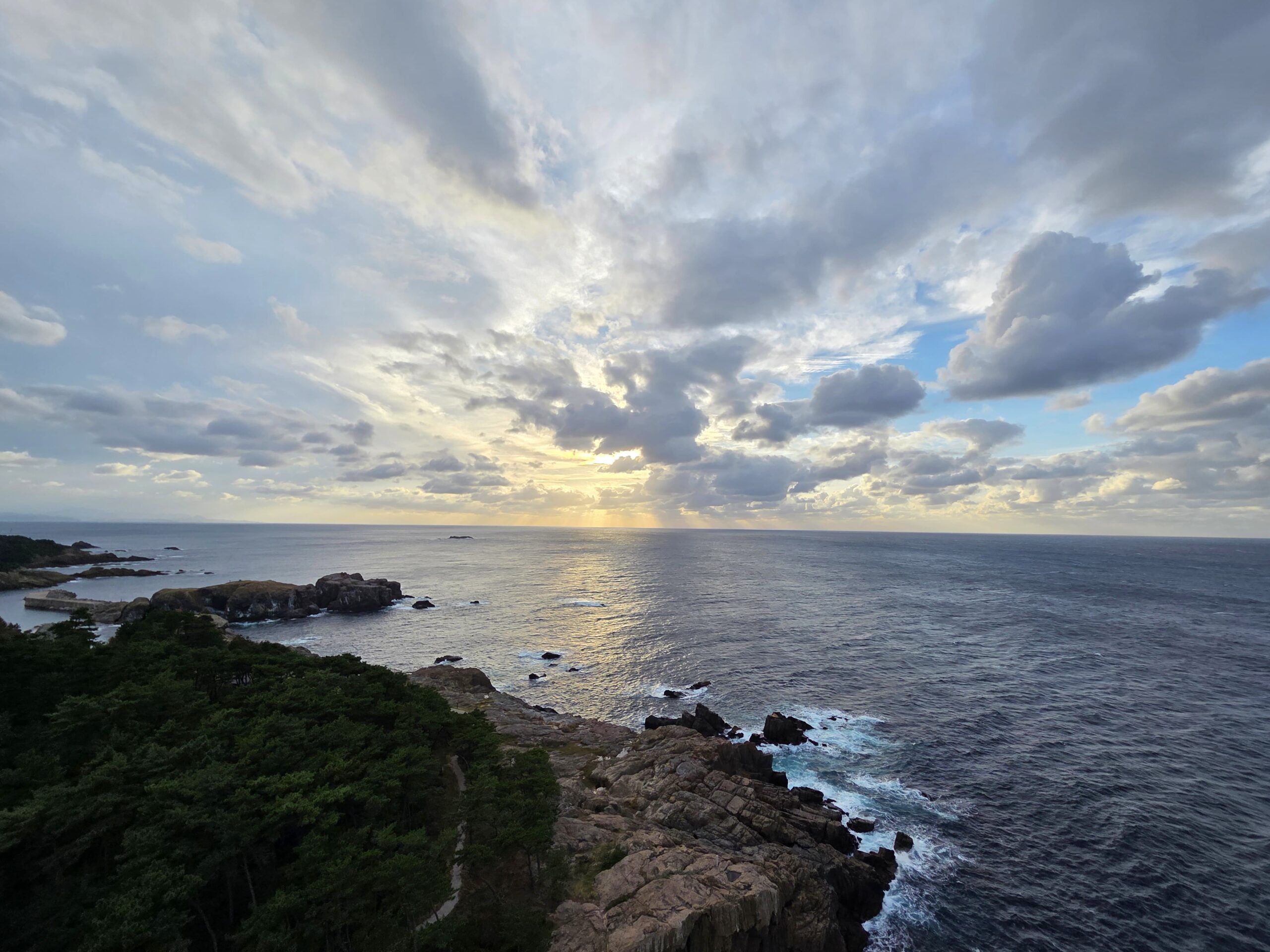
After sunset, I had to rush to the bus stop, and the sky turned dark really fast and the weather too became cold. One couldn’t stop but to wonder, ‘what if the bus never arrived?’, but thankfully it did arrive on time. That was the last bus of the day, and if I had missed that, I might have had to stay at one of the nearby accommodations.
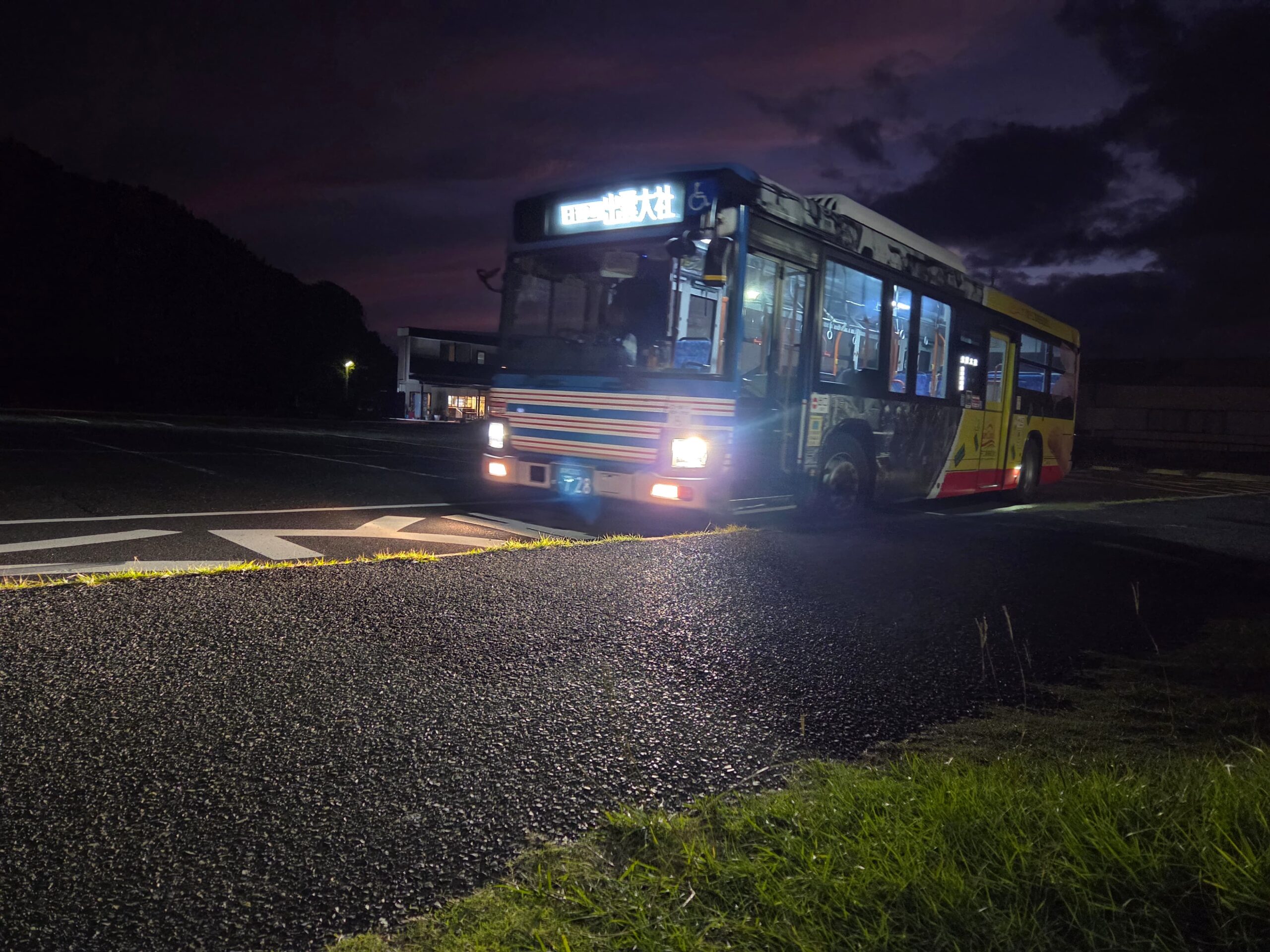
I had dinner at Izumo station, bought from a convenience store, since all other shops were closed. After that, I took a train back to Matsue and rest for the night.
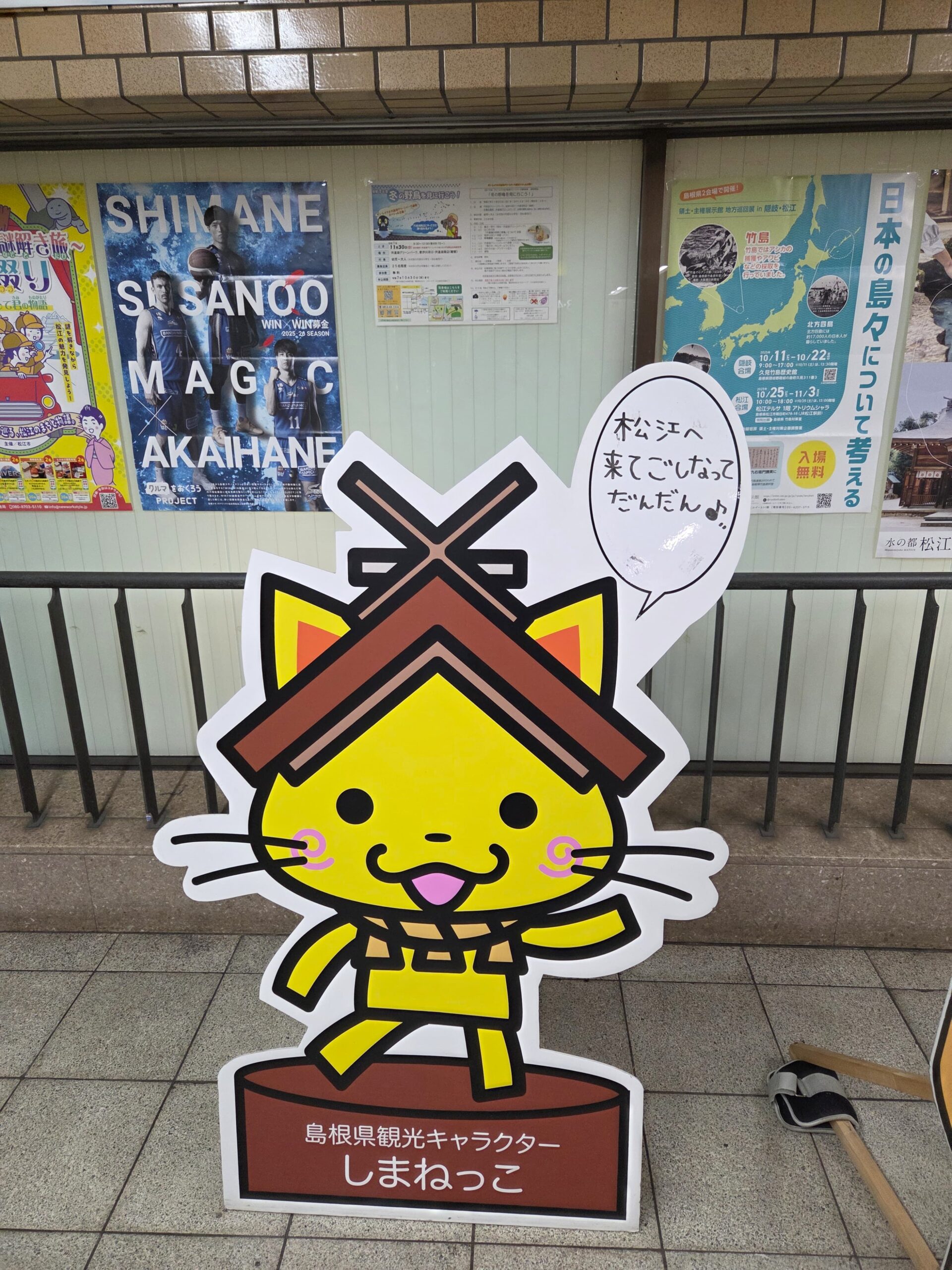
Yushien and Lake Shinji
I had one more full day to spend in Matsue and I didn’t know what to do here. There were several spots I put in my itinerary centered around Yushien Garden at Daijkonjima, but after seeing some tourist guides, I was also considering to visit other places (like Matsue Vogel Park, or Tamatsukuri Onsen?)
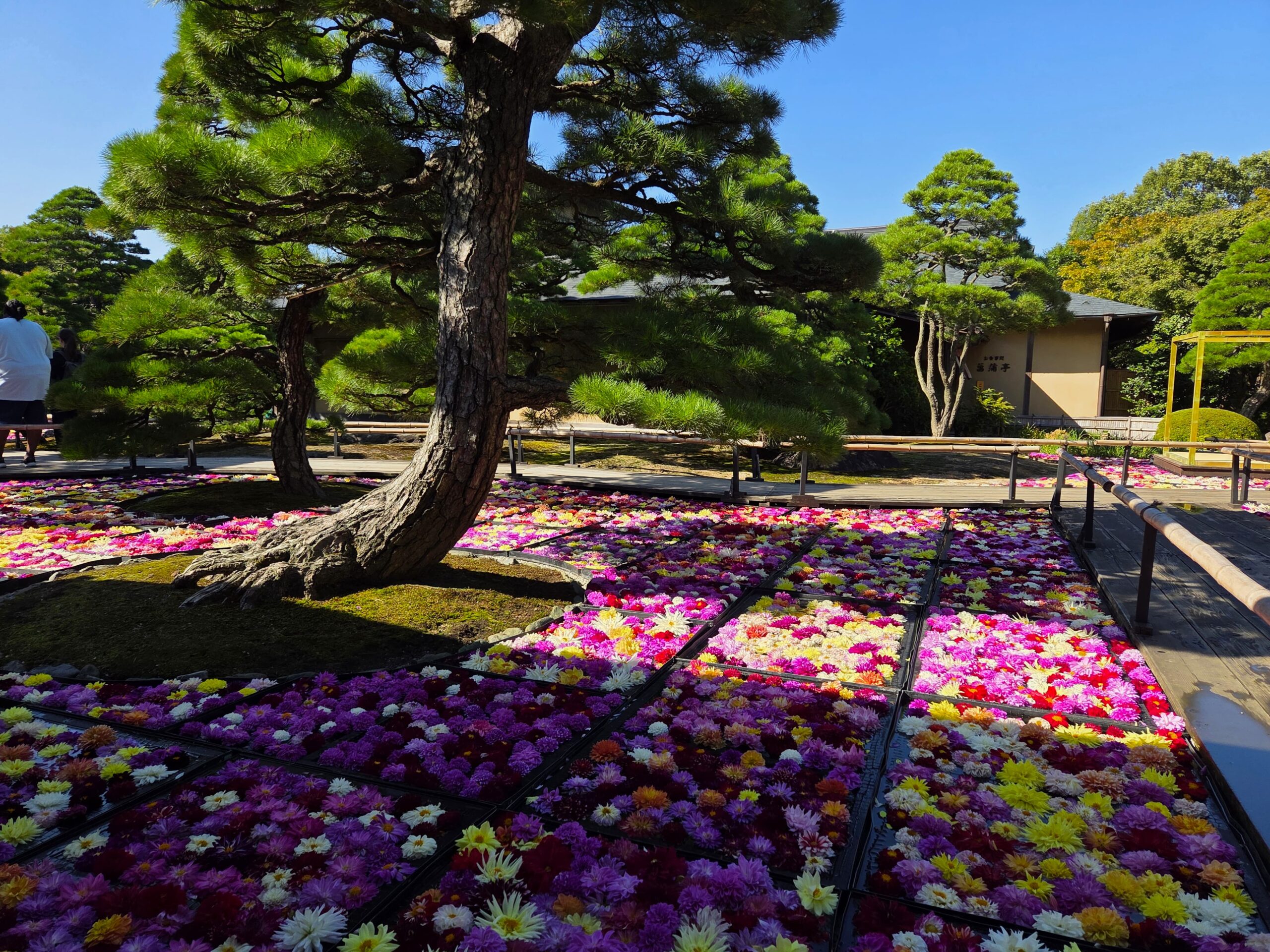
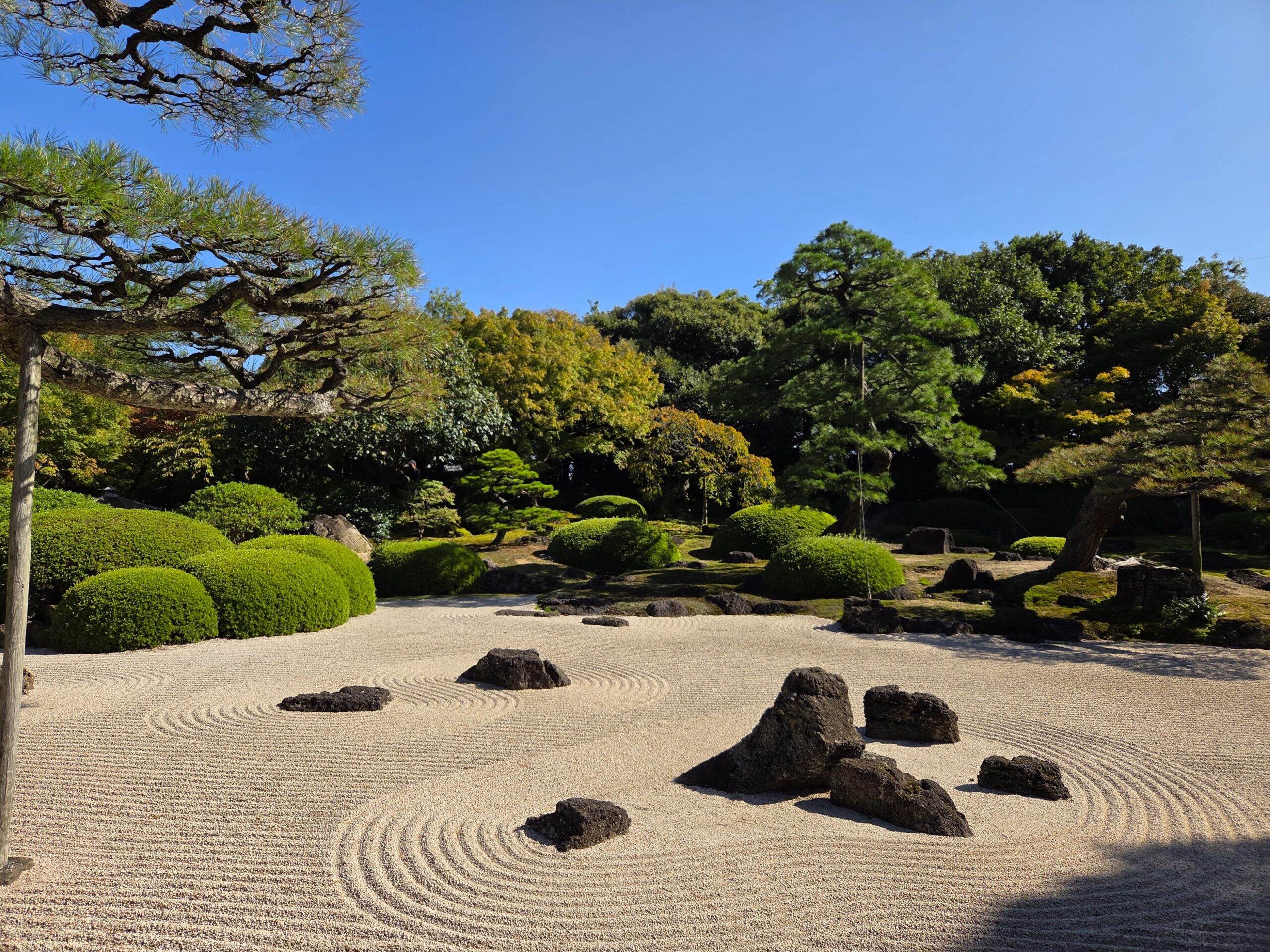

I decided to start the day with Yuushien. It was a really long bus ride there. It is located in Daikonjima, an island inside Nakaumi Lake. That garden was really underwhelming, quite crowded with foreign tourists, and while it was well maintained, the route was already set to be one way and there were so many ‘pit stops’ to sell you overpriced souvenirs. Sigh, I only spent like 1 hour there and decided I had enough. I was much happier when visiting the supermarket nearby the bus stop while waiting for the next bus back to Matsue.
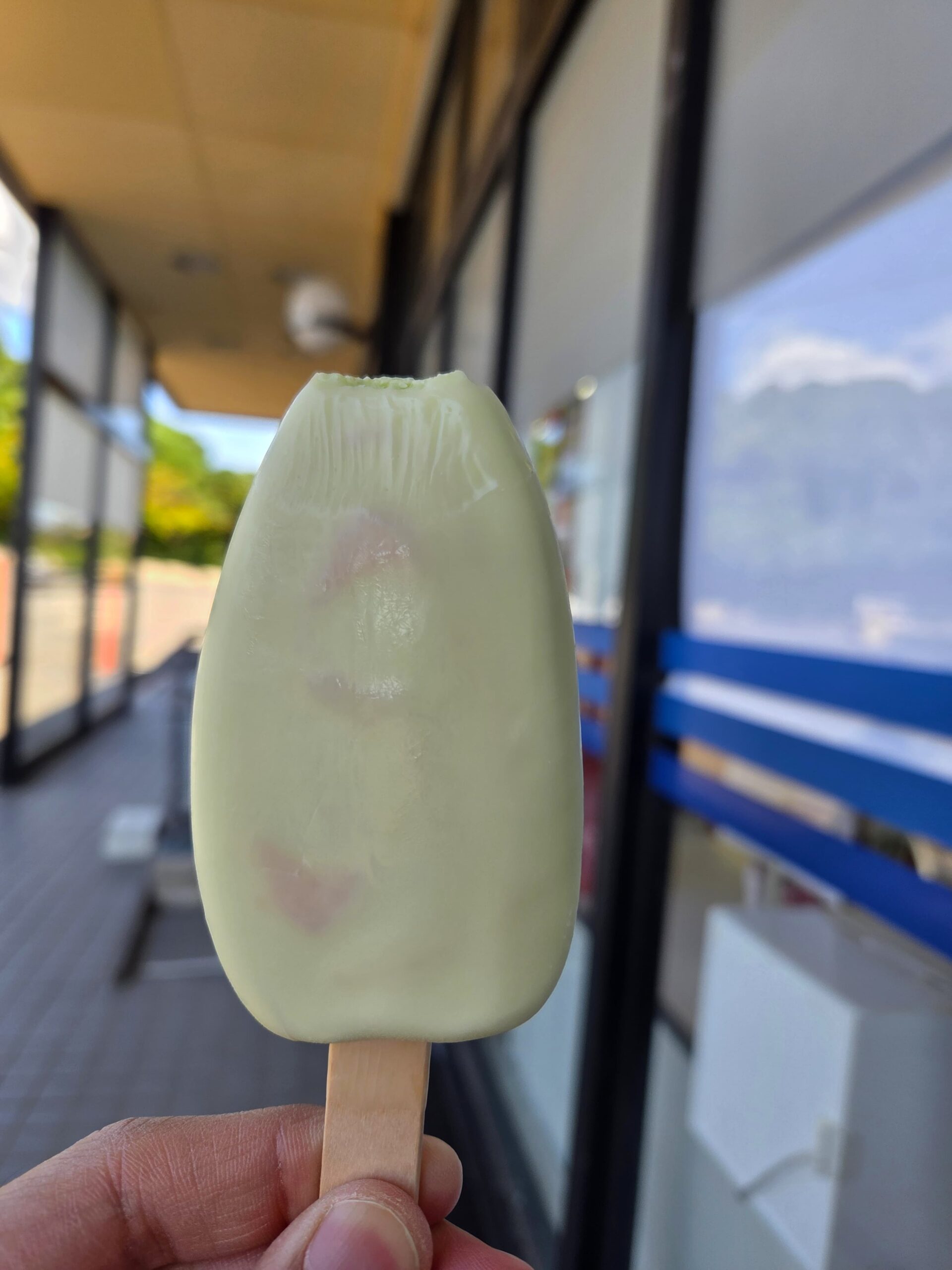
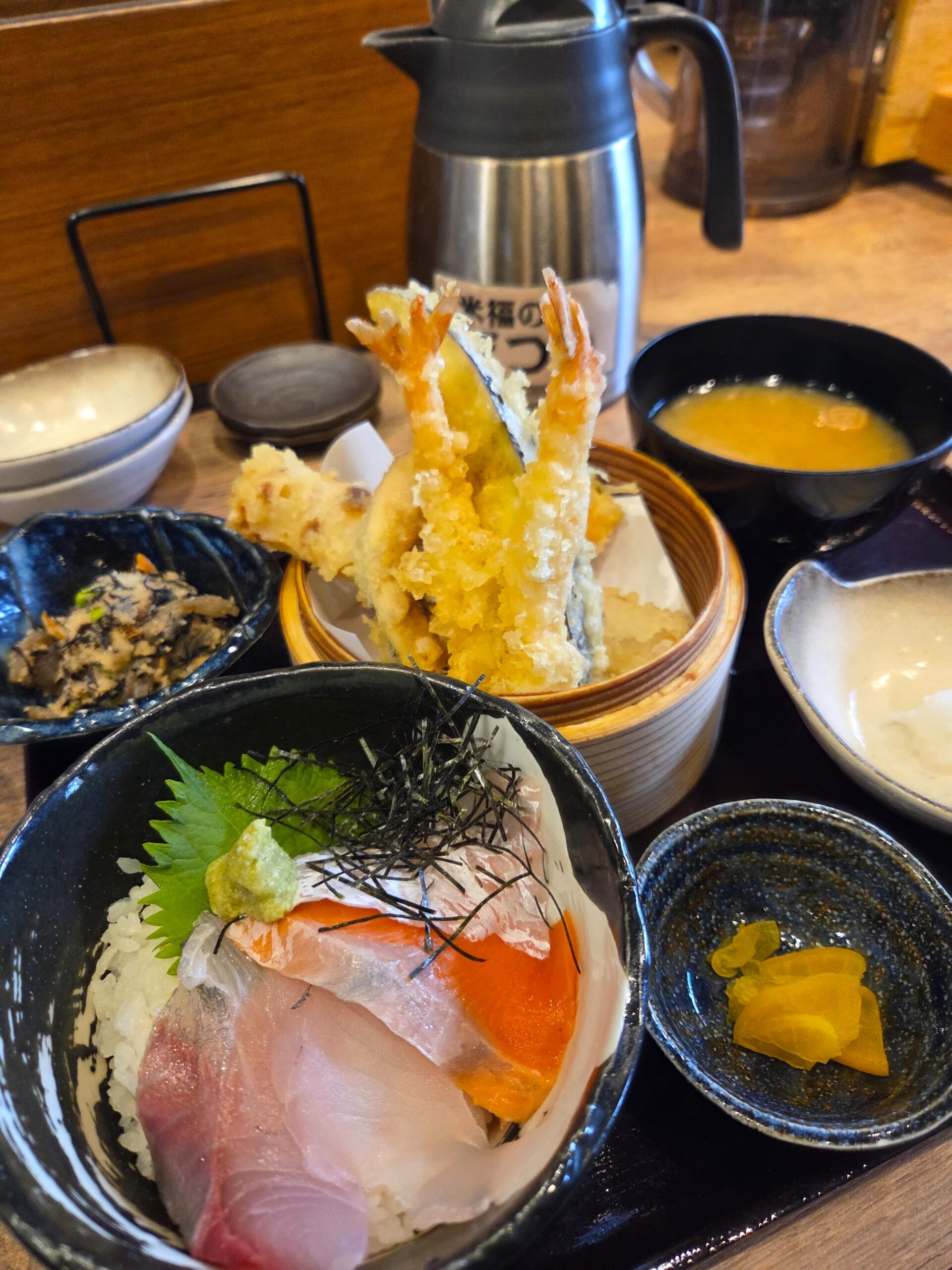
I had lunch at Matsue station. It was tempura and it was really good. At night that shop is an izakaya but for lunch, it was just a normal tempura shop. During lunch, there were a lot of office workers eating here too.
After lunch, I had nothing else to do so I decided to try the Shimane Prefectural Museum. It was a great decision.
That museum was really amazing. That museum carried so many renowned artworks from many different artists both local and international artists. The most famous one being Hokusai’s “The Great Wave off Kanagawa”. It was here just because the private collector of Hokusai’s artwork was from Matsue and had donated many of his artwork there. Because of that, this museum also had special exhibitions of Hokusai’s all other lesser known artworks, which is really a lot, since he worked as an illustrator in many books, and had a unique style. Very interesting to view all those.
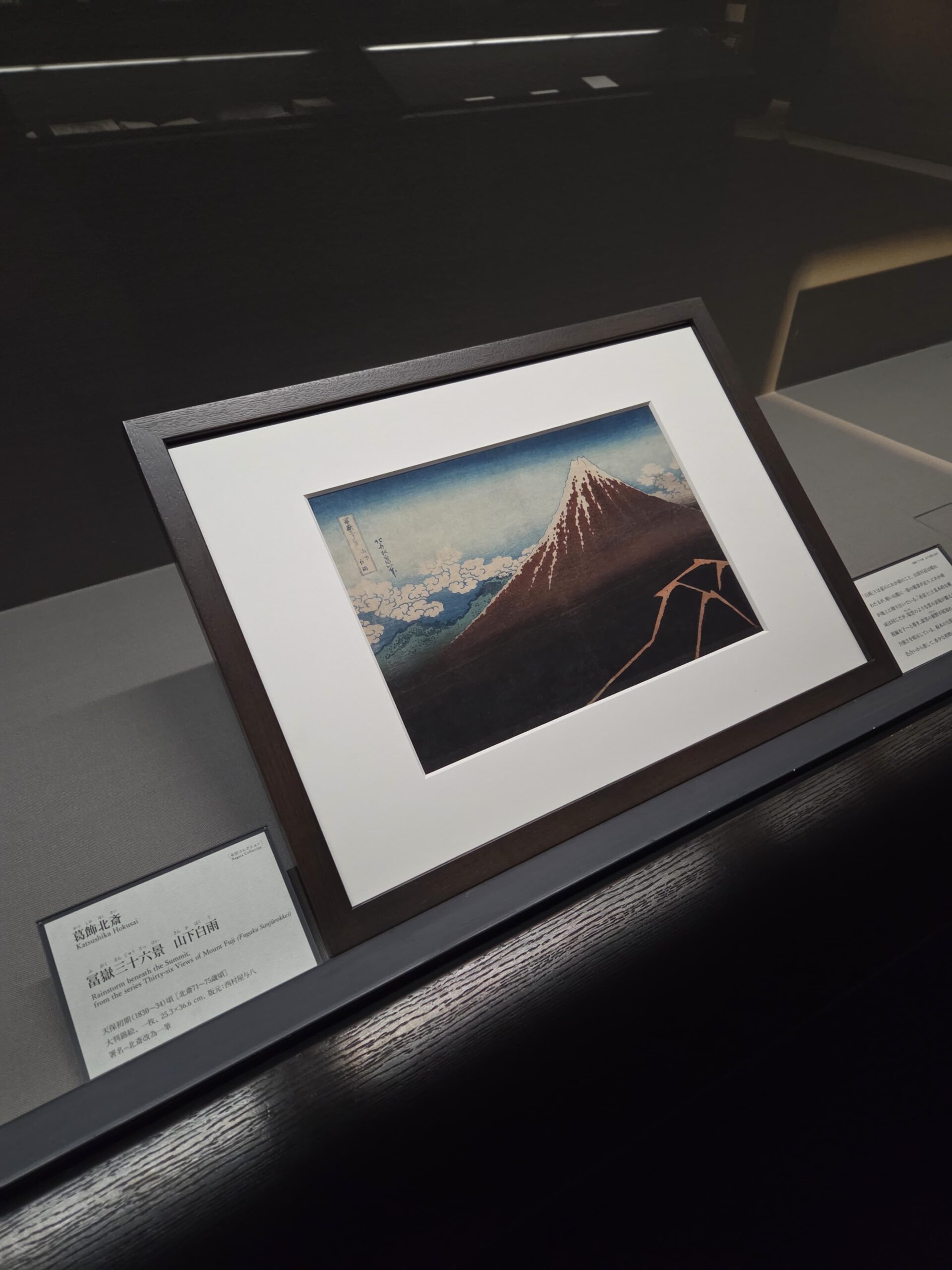
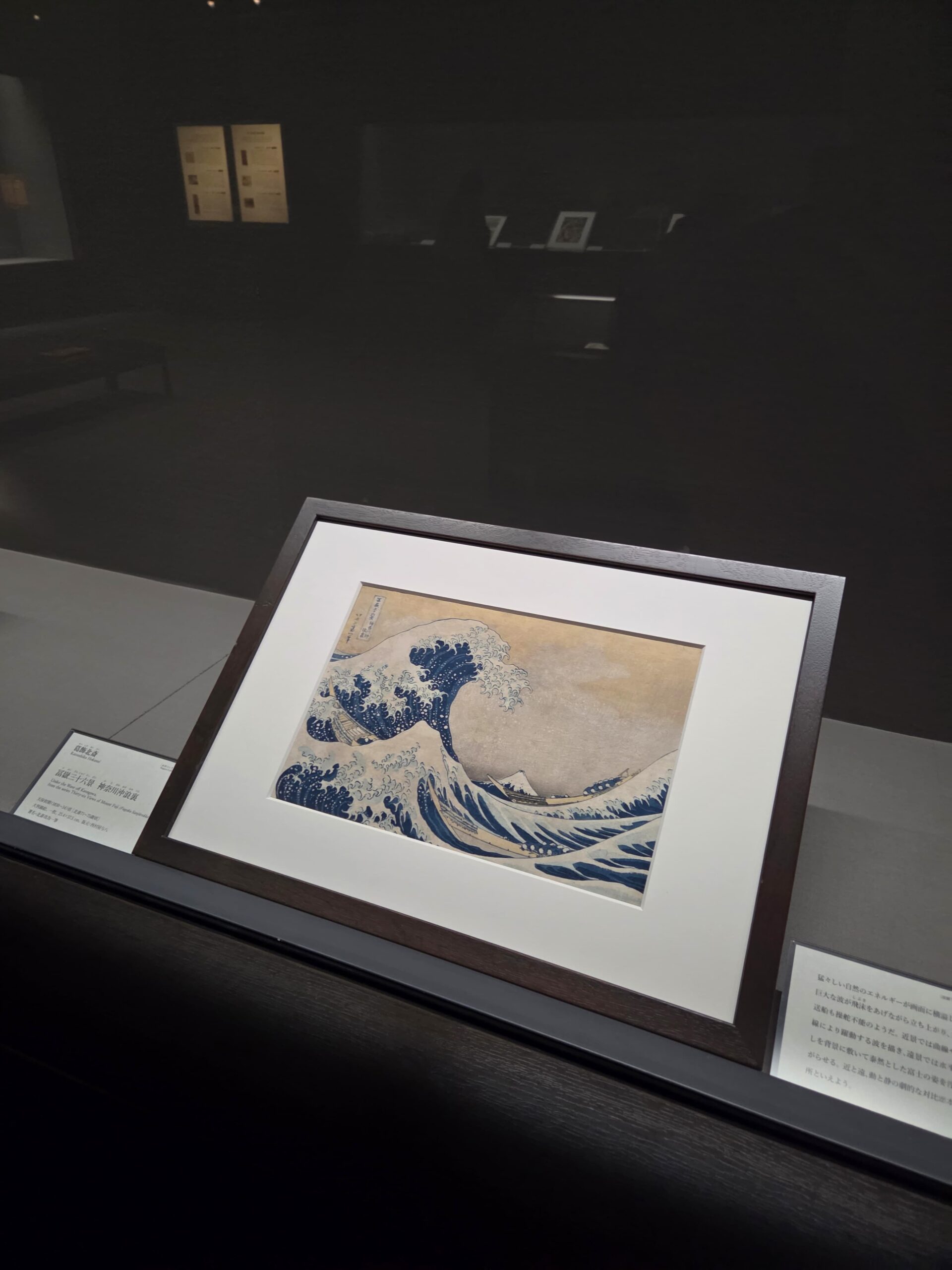
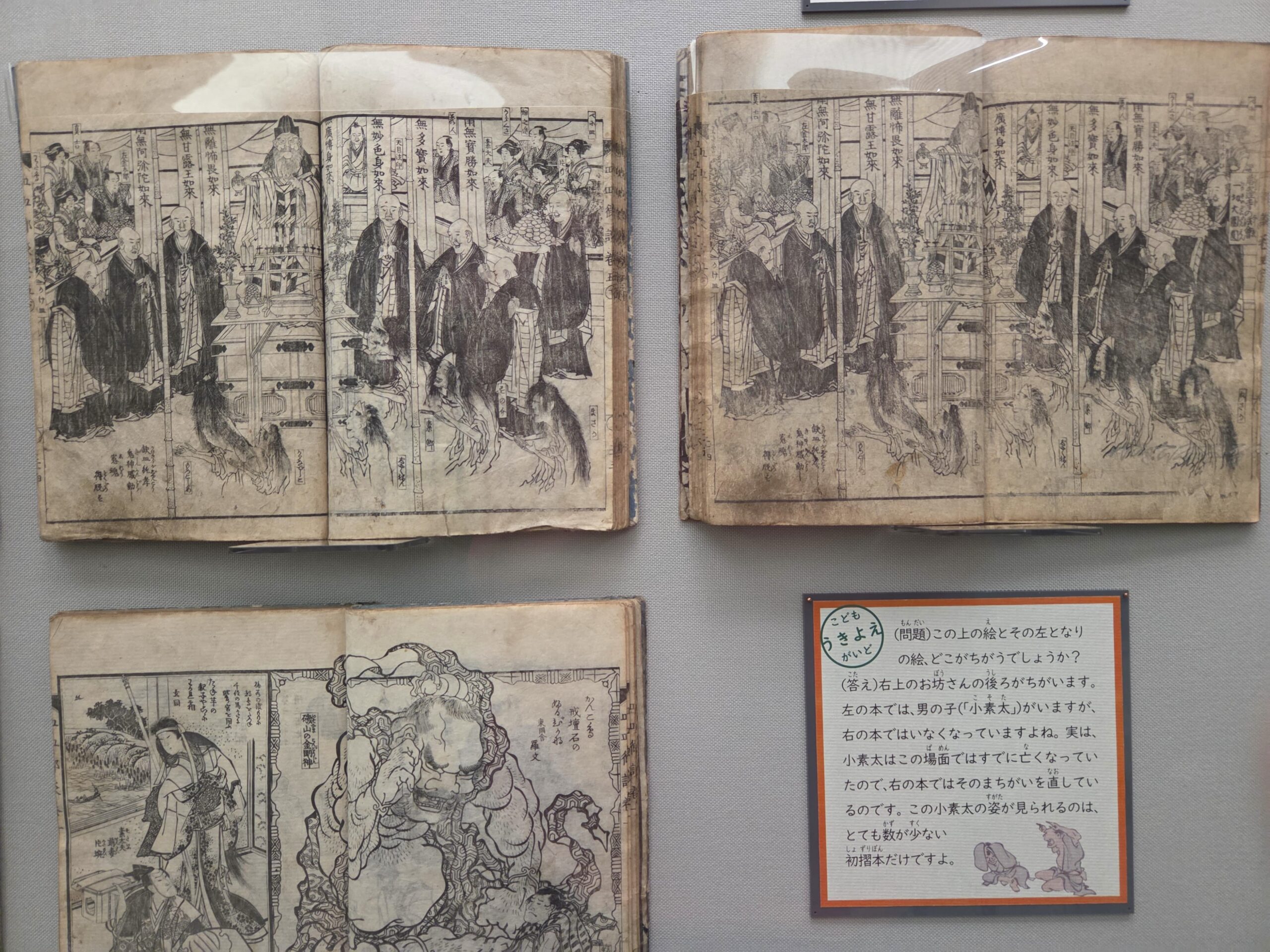
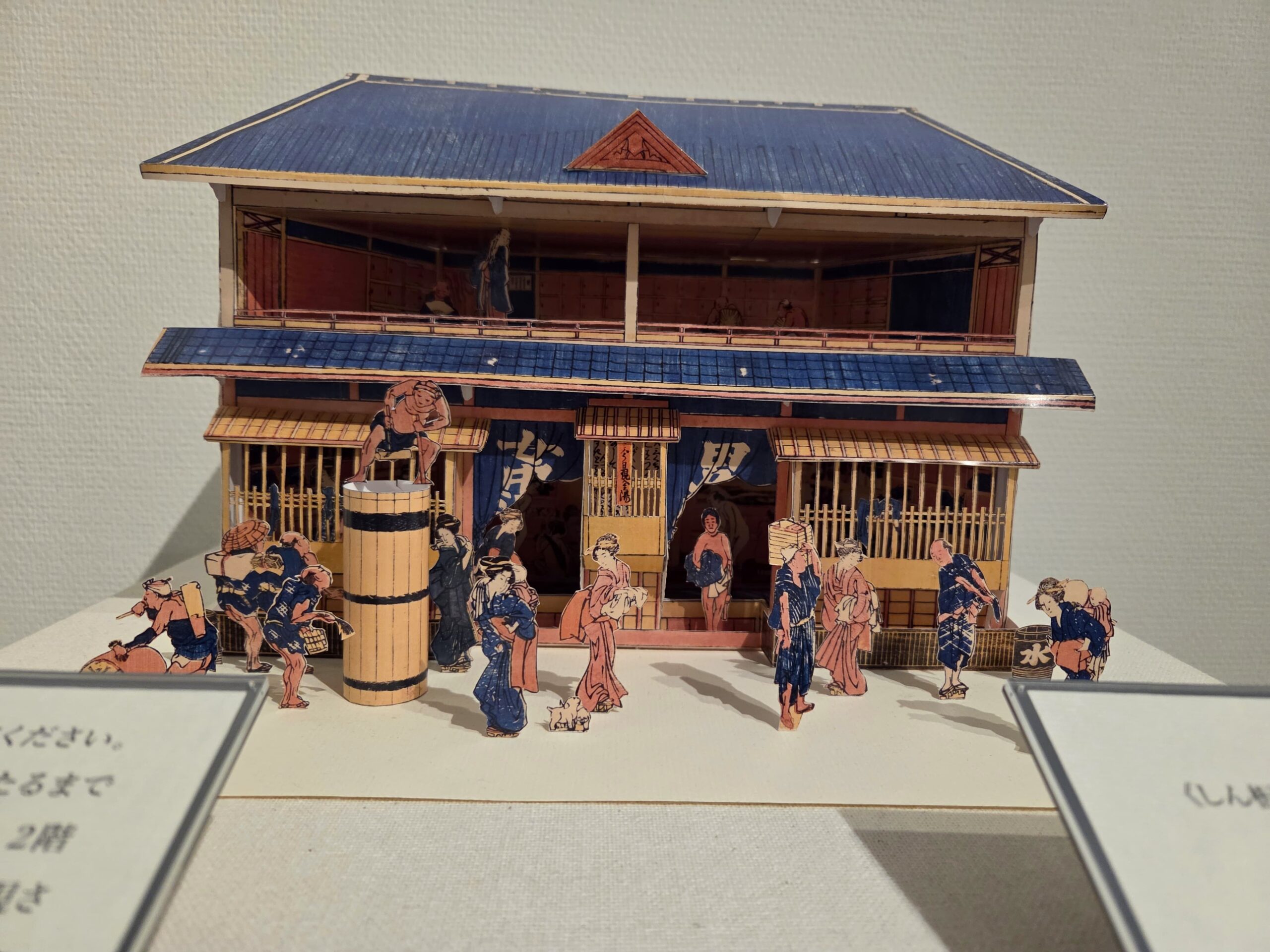
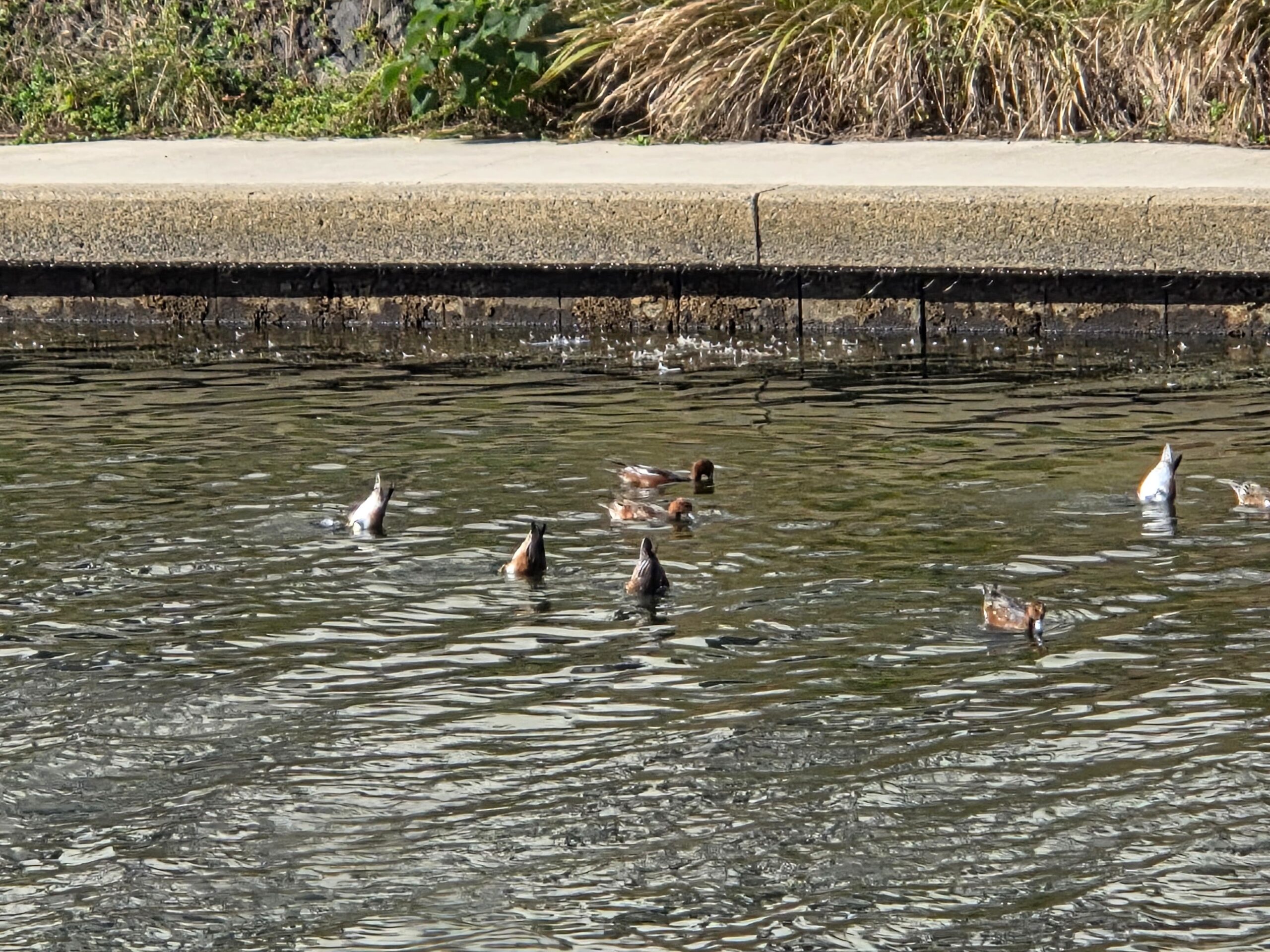
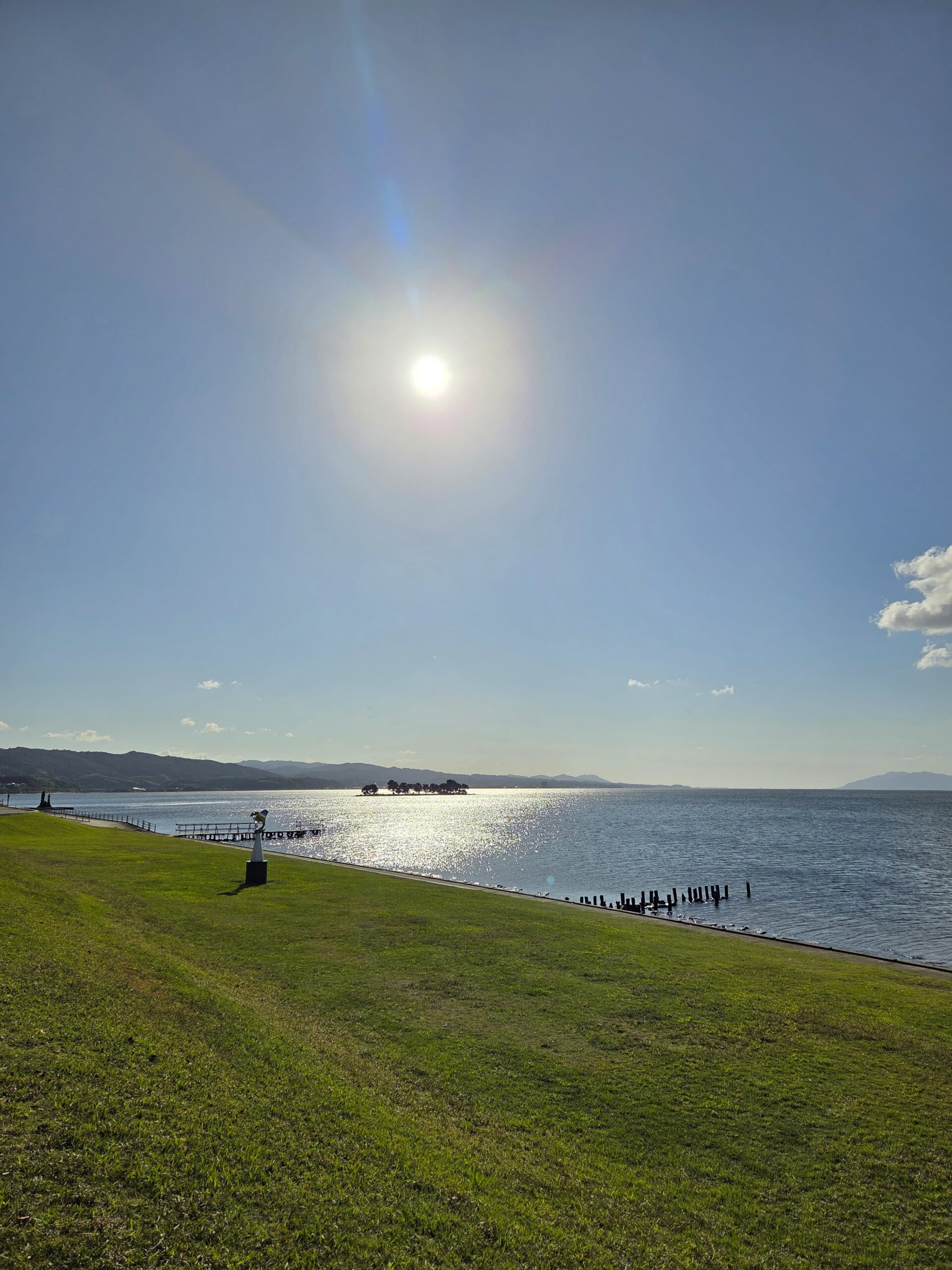
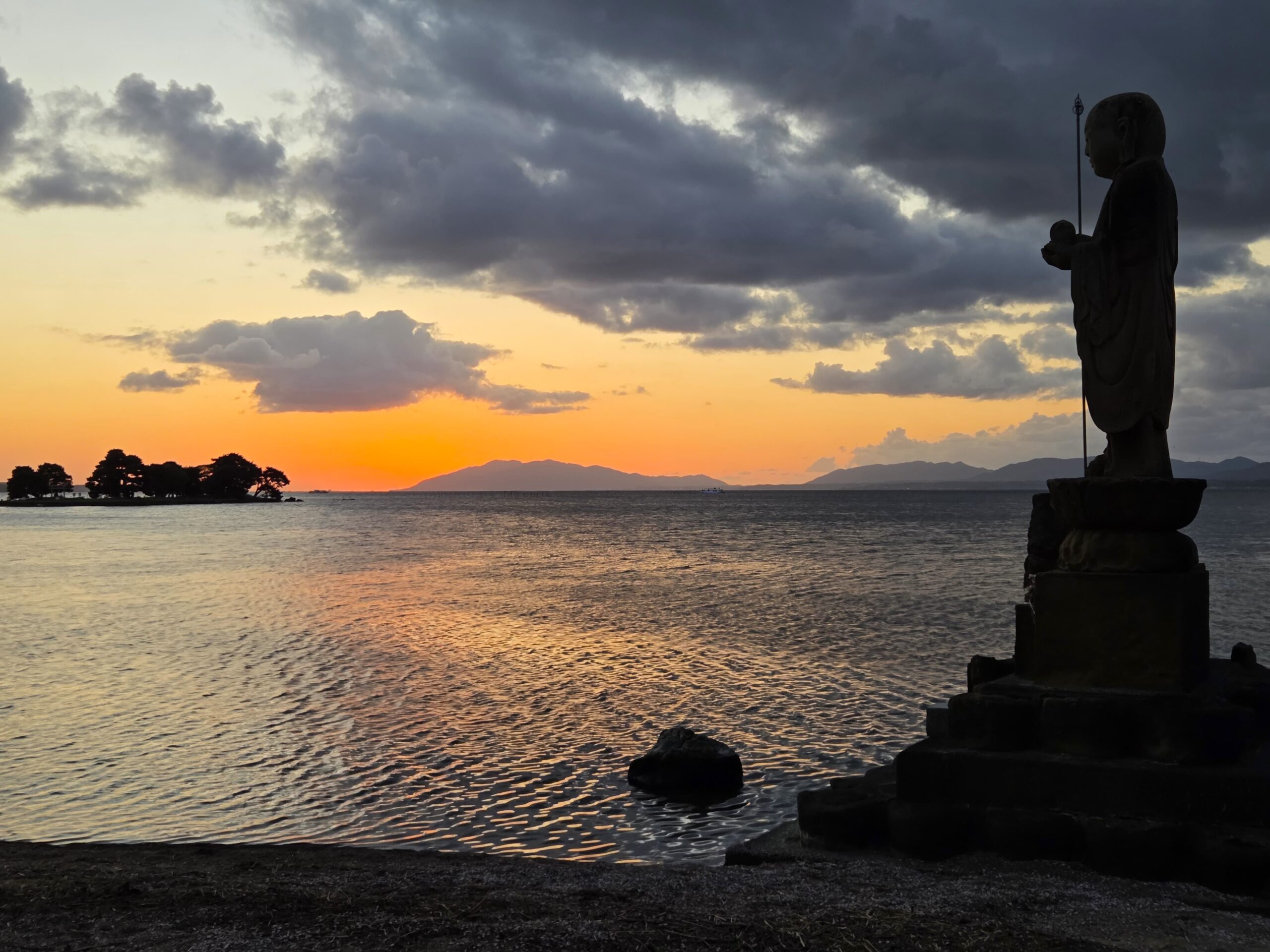
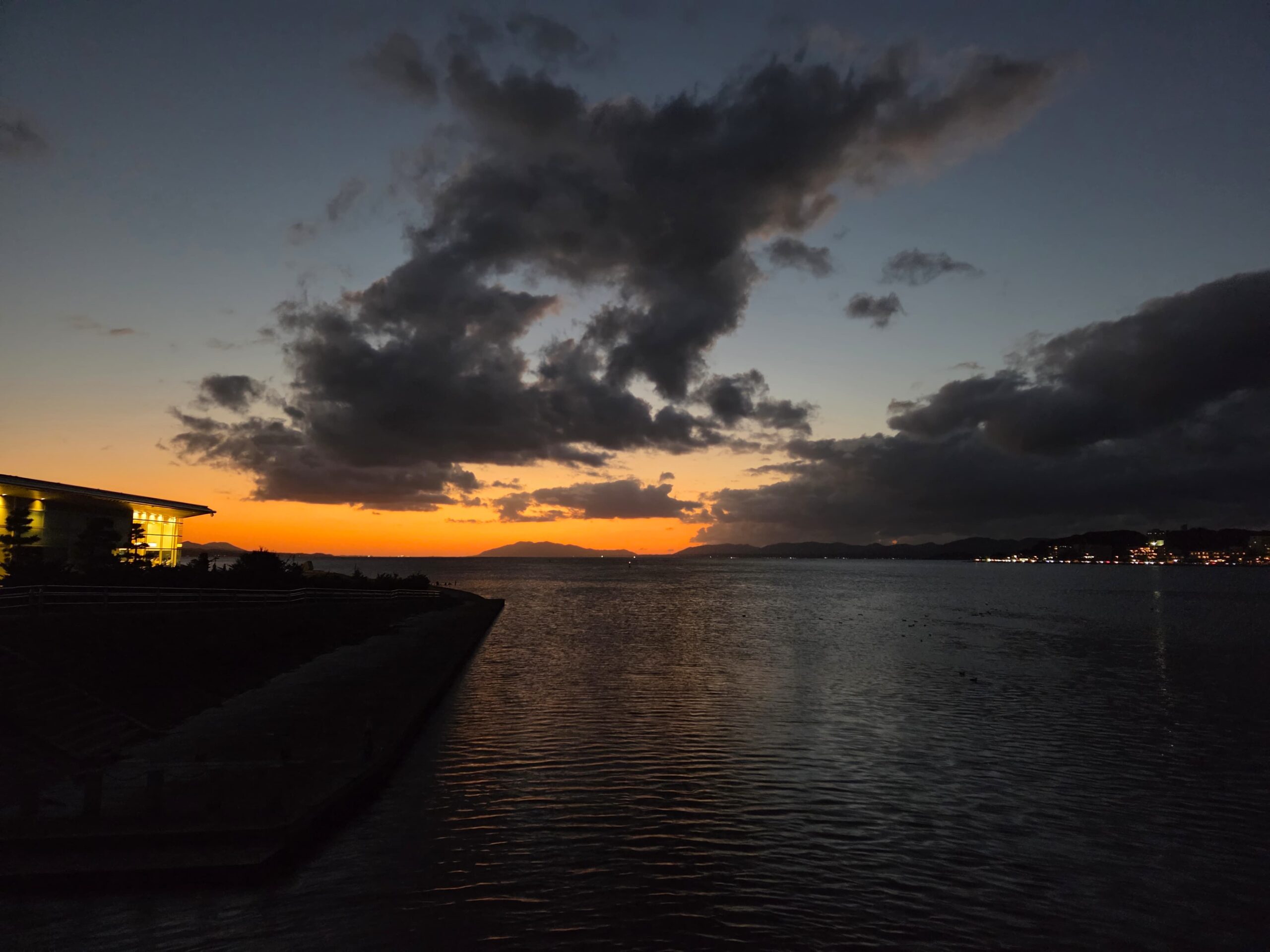
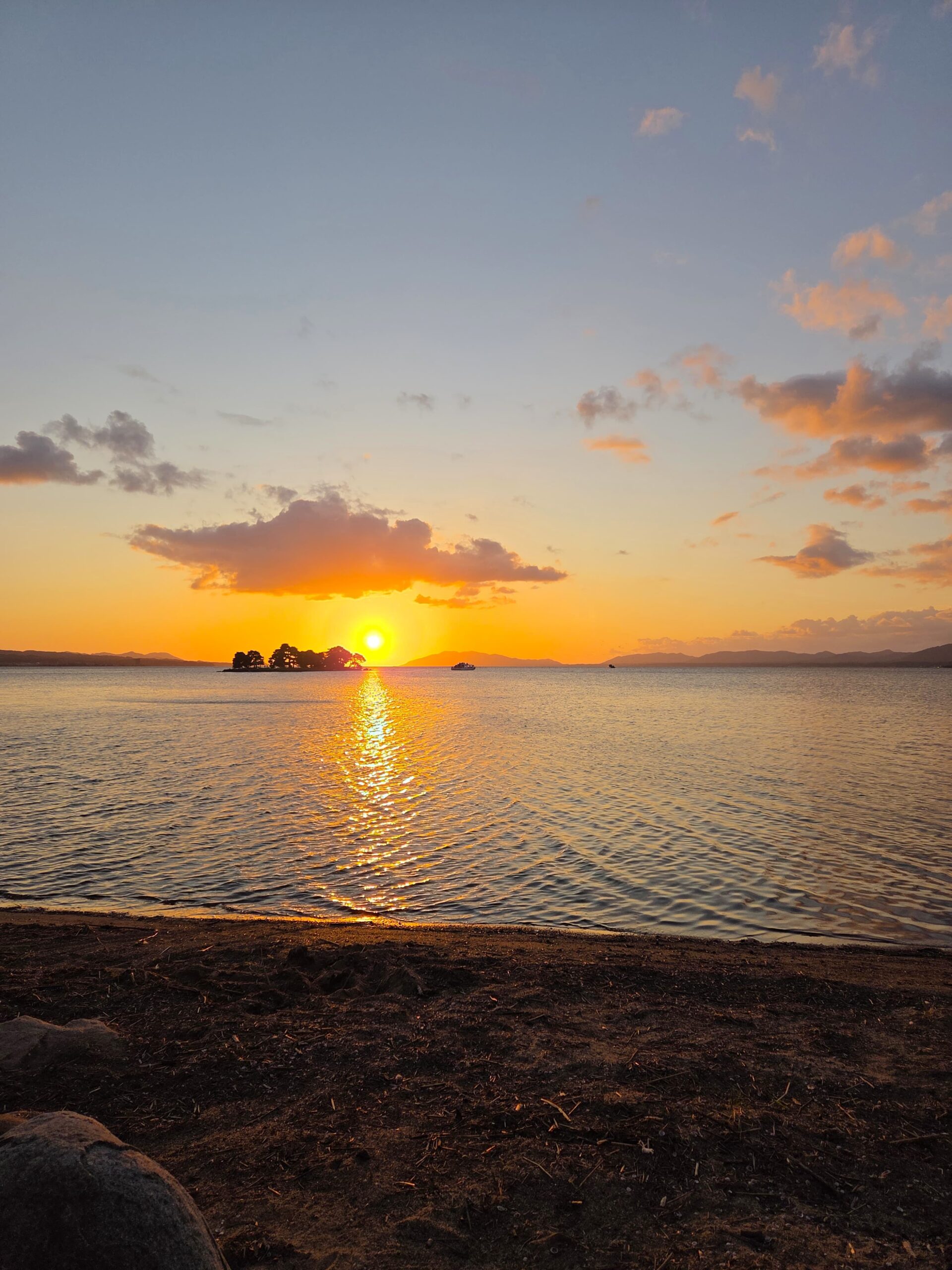
After the museum, it was time to view the sunset at Lake Shinji just next door to the Shimane Prefectural Museum. That day, the weather was clear and the sunset hunt was a great success! I was glad that I decided to cut short my time in Daikonjima and spent my time here in the Shimane Prefectural Museum. What a great way to end my visit in Matsue.
Yasugi
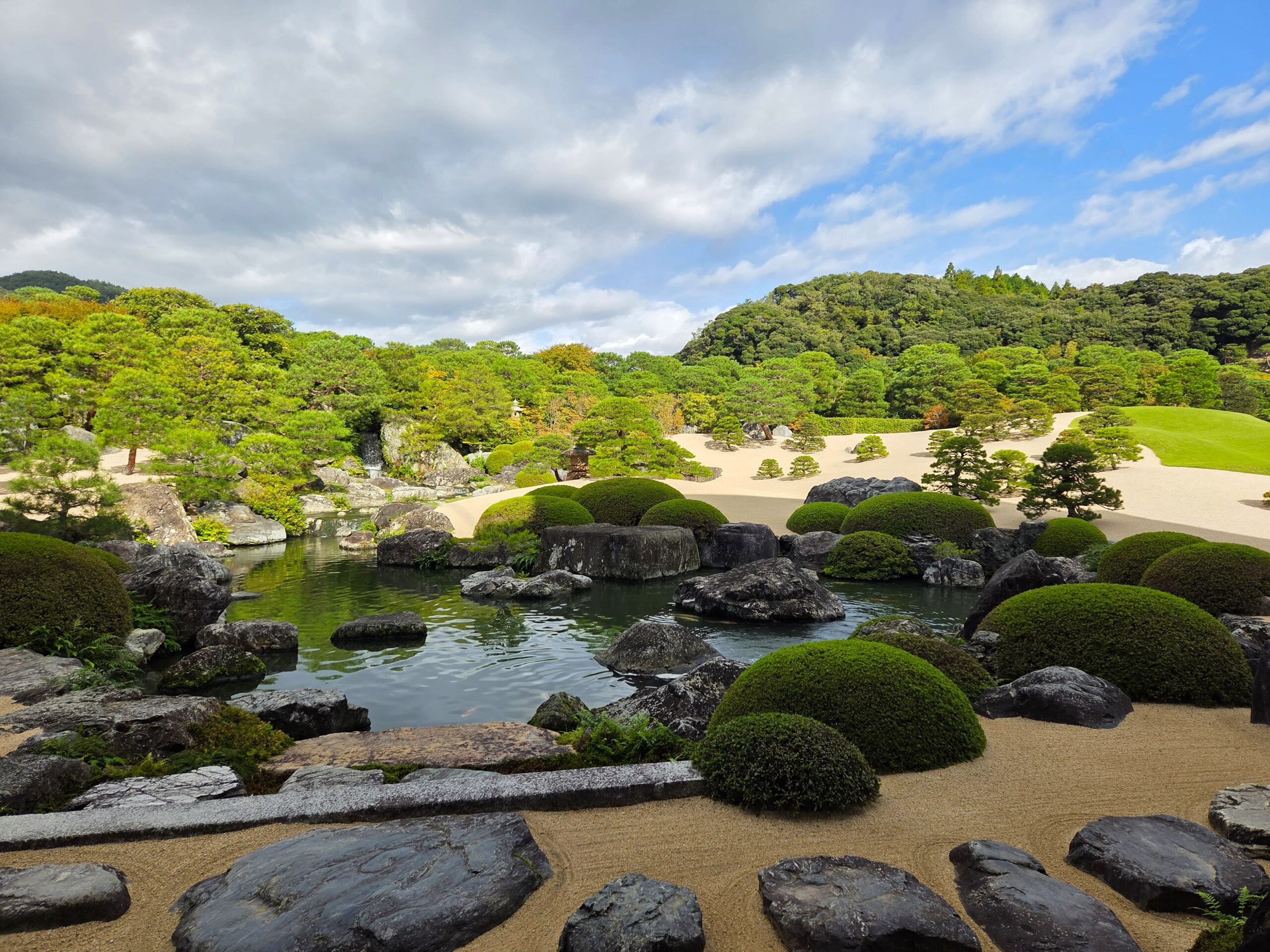
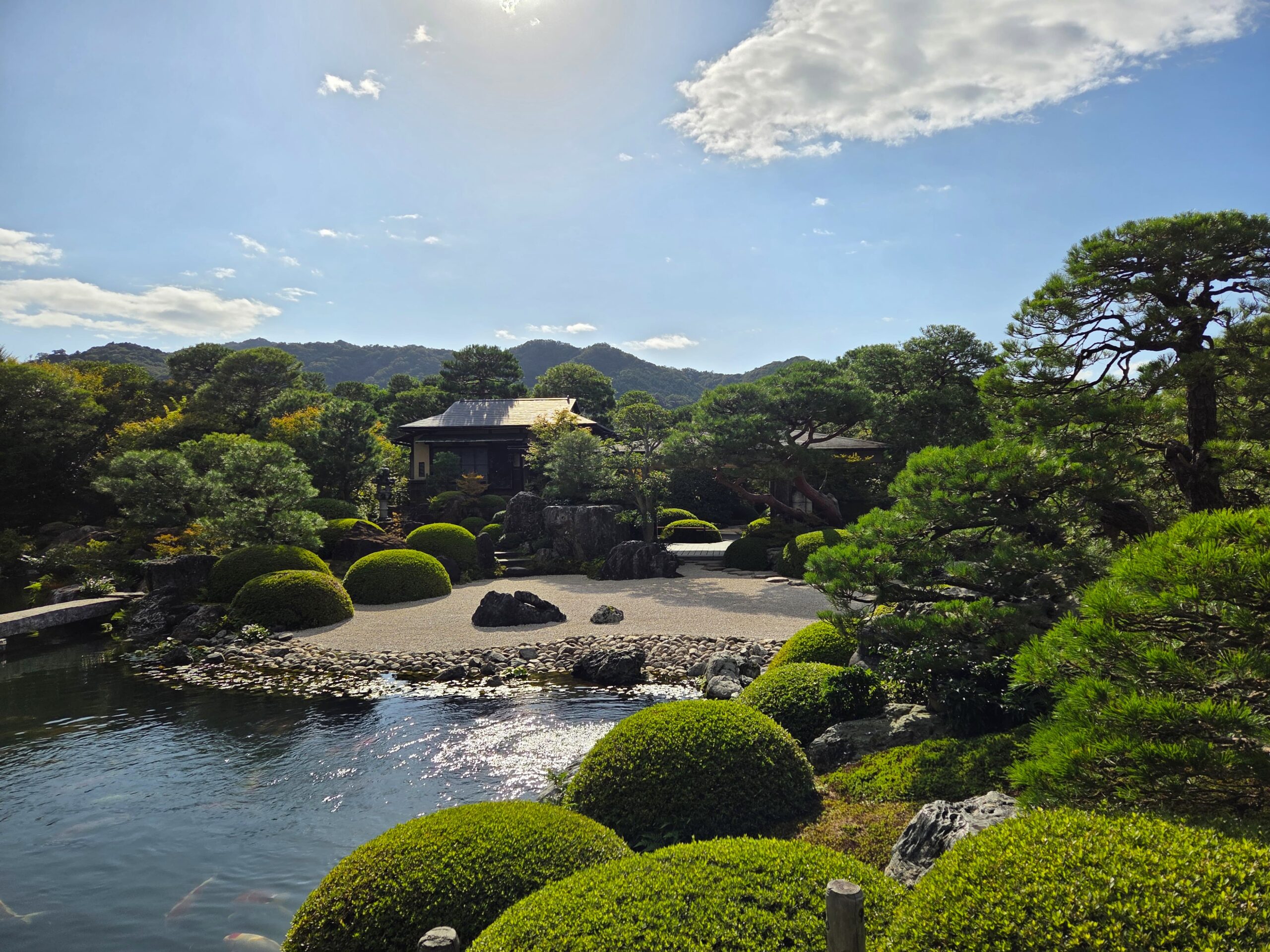
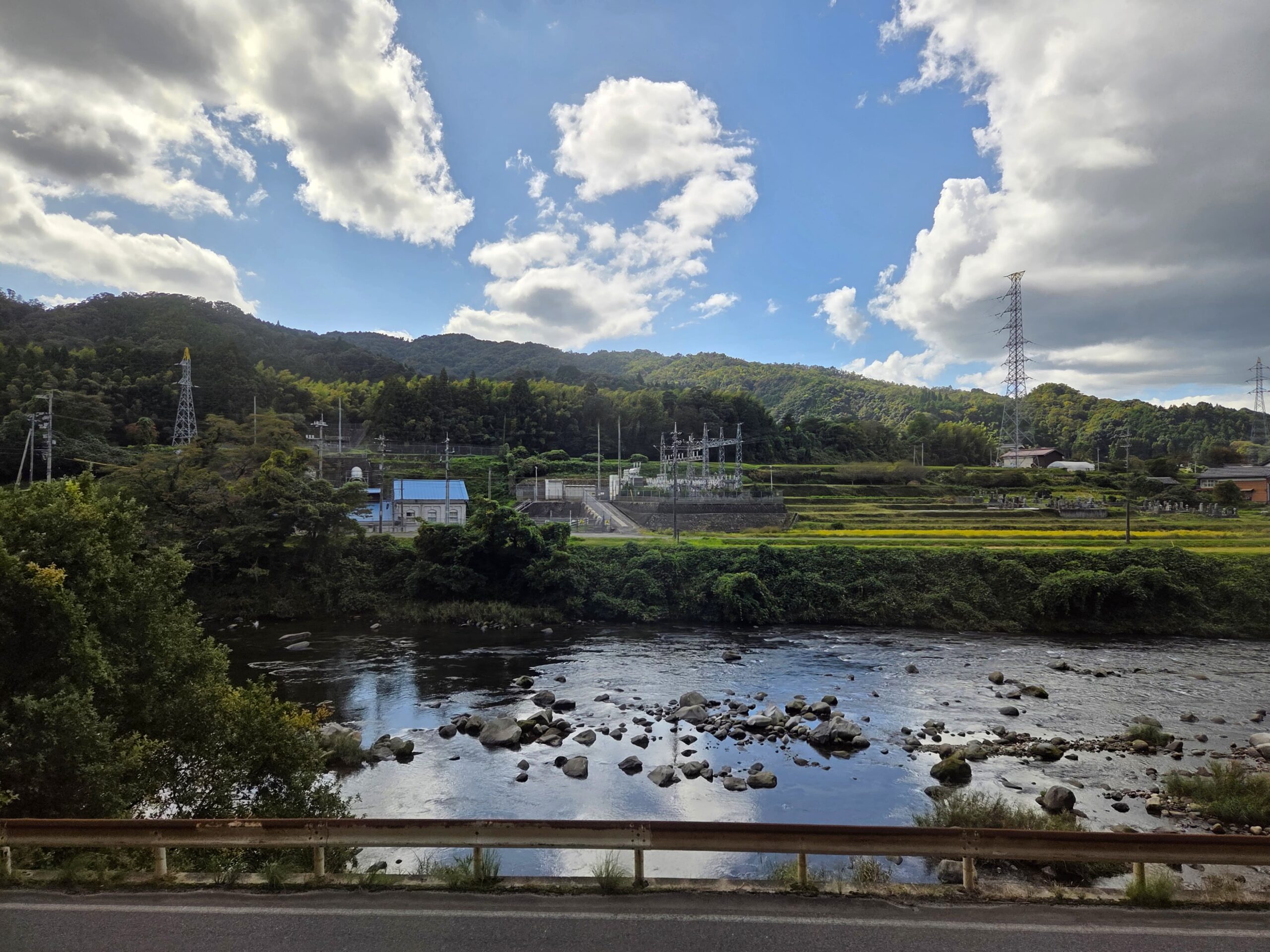
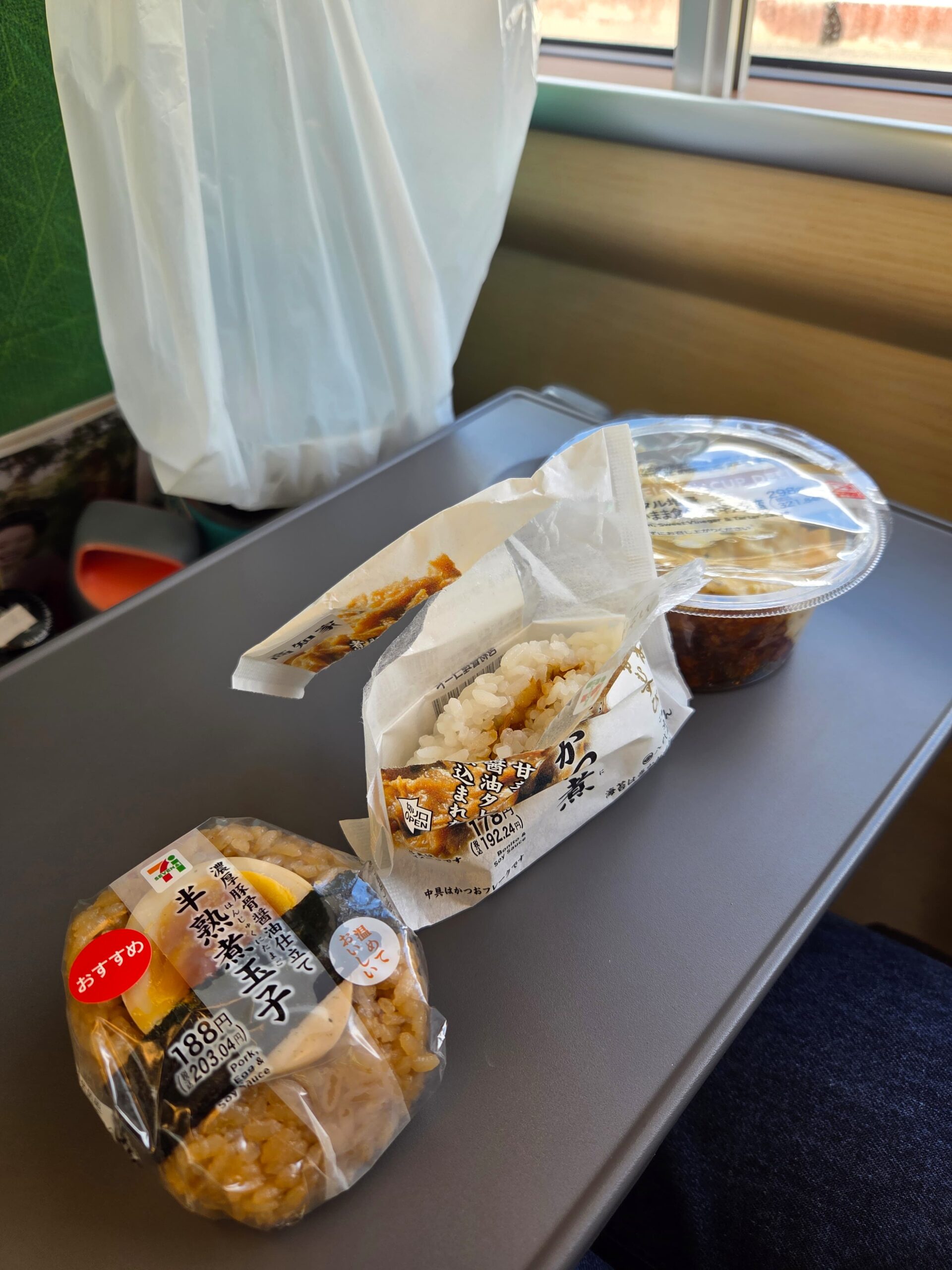
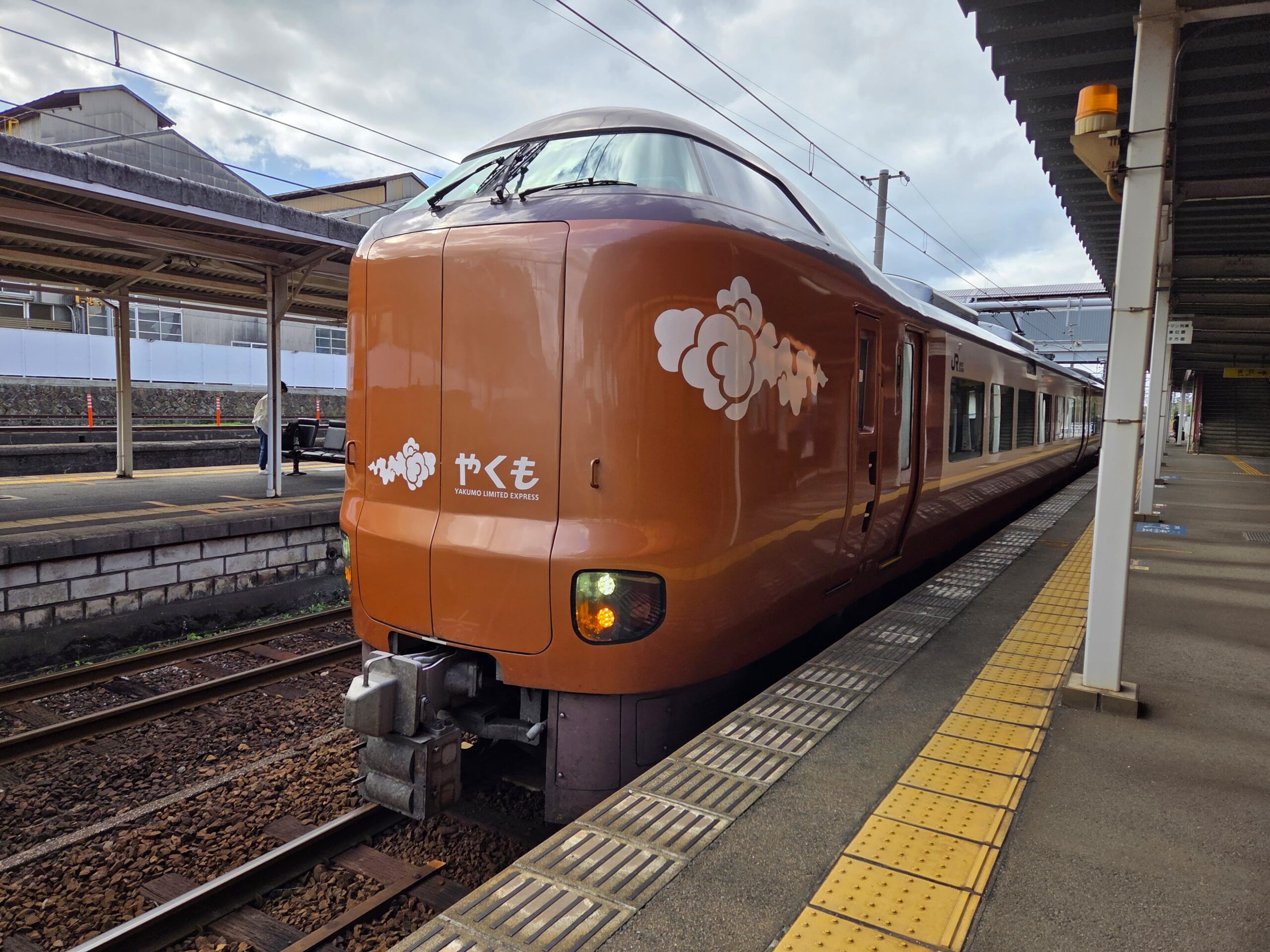
The next day was the day I planned to visit Adachi Museum of Art, which features an ‘award winning’ Japanese garden. I arrived at Yasugi station pretty early and queued early for their free shuttle bus to the museum. The museum was quite big and the artworks were interesting. However, I felt like the garden part was just so-so? I’m not sure how to appreciate them since it was quite crowded too, but this time with local tourists. After just an hour I departed back to the station. It was a strange station where the nearest convenience store is a 10-minute walk away. I bought my lunch there and ate it during my next train trip to Kurashiki. It was a long ride; basically I was crossing from one side of the coast to another. It was interesting that the train stopped slightly longer at one station halfway and announced to us that if we want to buy food or drinks, we could buy from the vending machine at the train platform.
Kurashiki
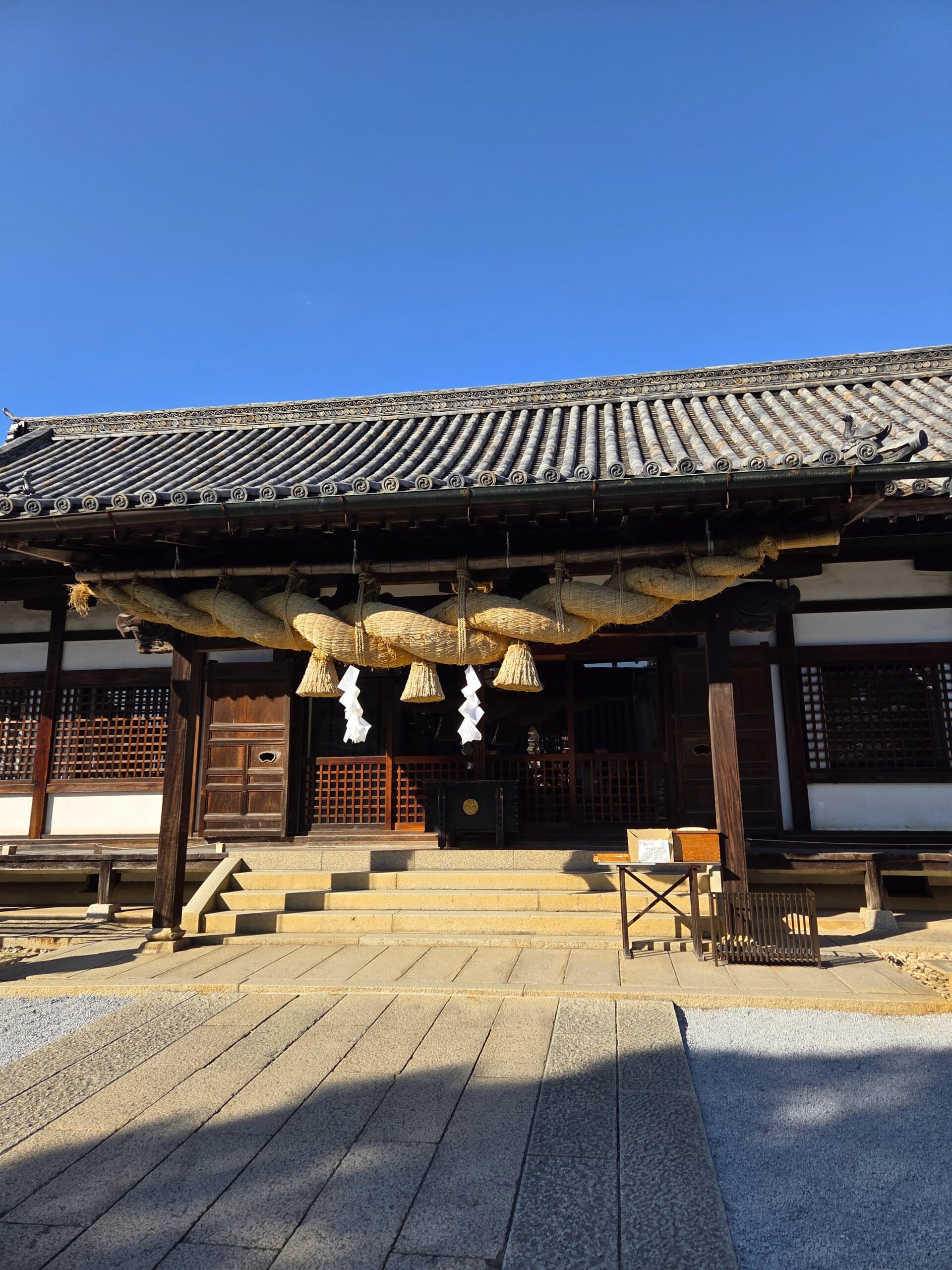
Arriving in Kurashiki, I can start to feel the “upgrade” of crowd level. It was more bustling than Matsue. I decided to pay a visit to the tourist information center again for recommendations. They recommended me to do some sightseeing along the canal (as I had planned before), and also to visit the shrine which they said had a good bird-eye view of Kurashiki. So I went there first.
The weather was really sunny, and therefore really hot. I couldn’t remember how many times I’ve stopped to buy more water and drink it. Also to climb up a hill to visit the Achi Shrine.
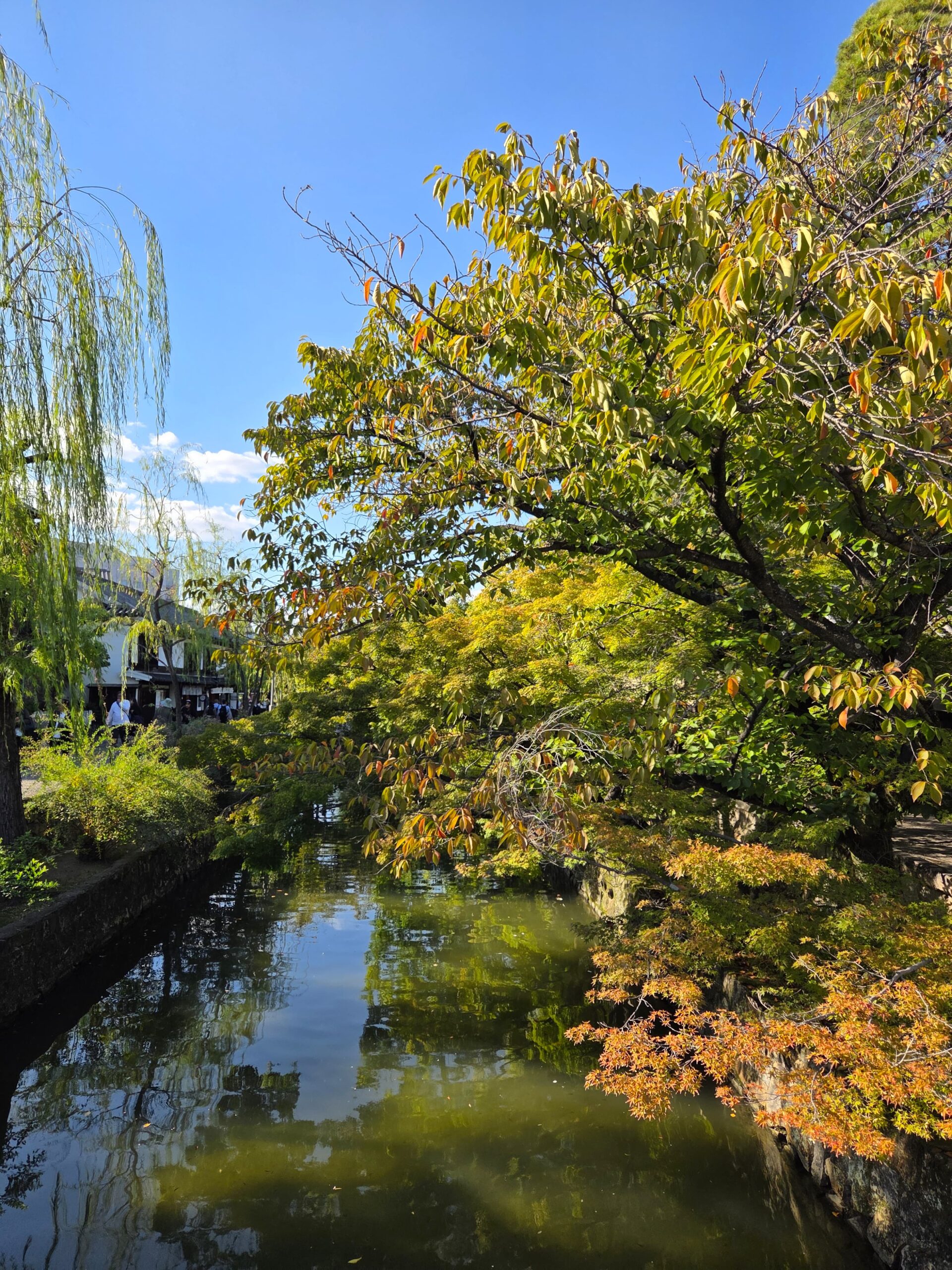
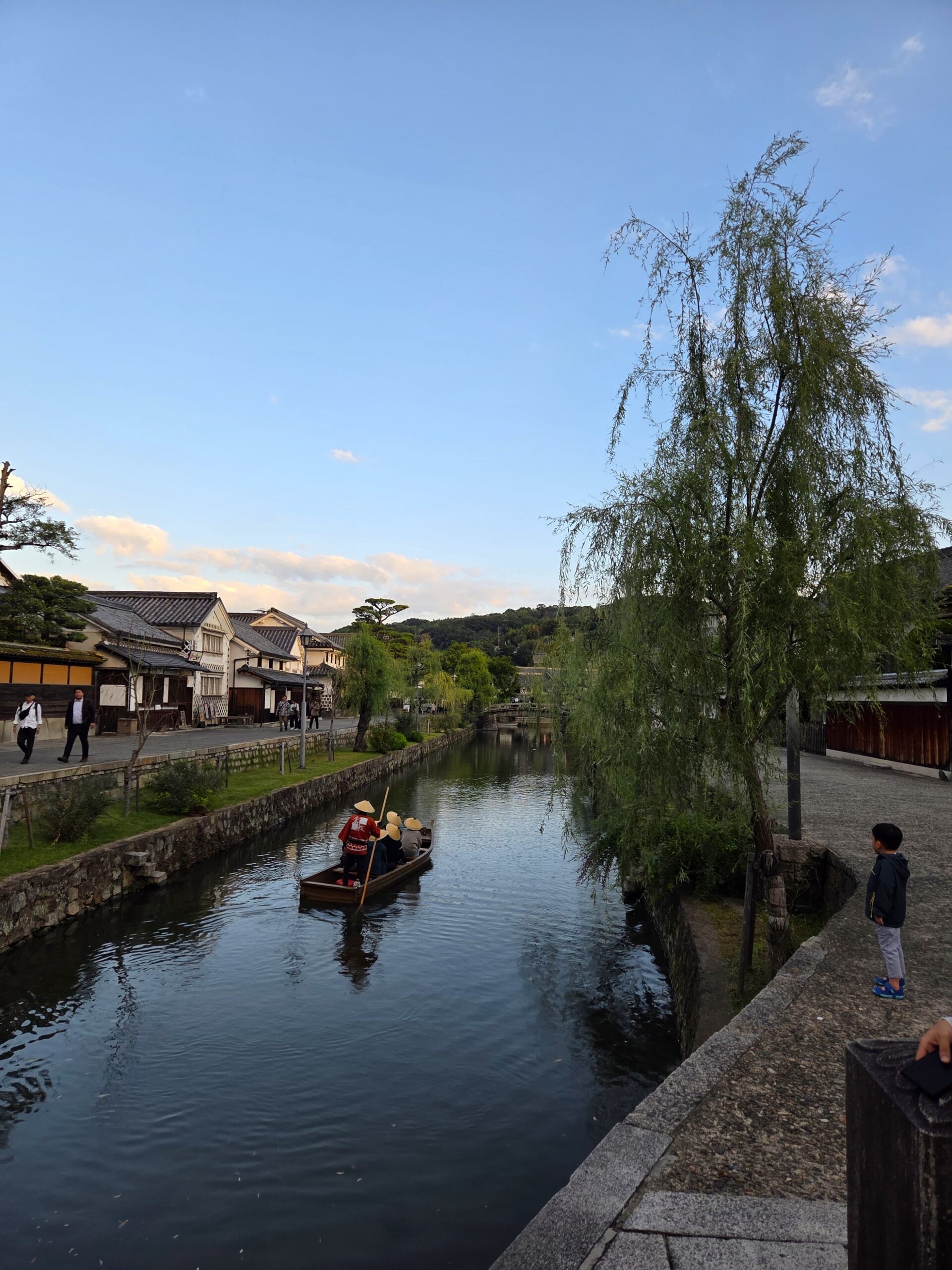
After the shrine, I went down to the canal area and started to be amazed with the architecture. The district felt like a good mix of traditional architecture and Western architecture. The canal area is the most famous part of the district, and there was a boat ride too. That reminded me of Matsue Castle’s Horikawa, except this one was shorter and much more popular as the time slots for the day had sold out.
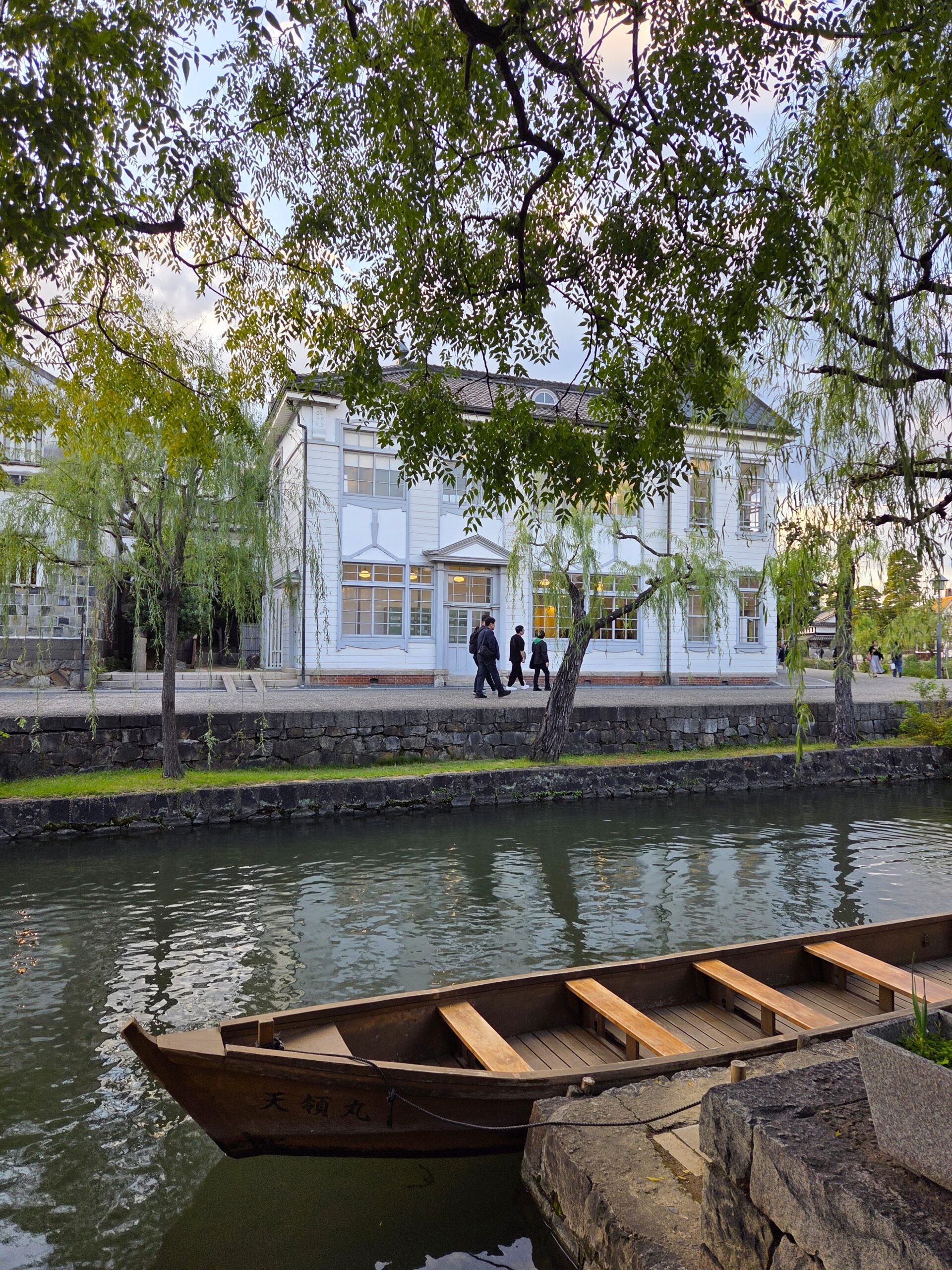
Since the day was still pretty hot, I had my refuge in the different museums around the area. The Ohara Museum of Art had several buildings covered with just one ticket bundle. Overall, it was an interesting museum that features many Western style artworks.
After that, I visited several shops and also the denim street area. It was already sunset time and every shop started to close. I visited one final shop that was still open and decided to buy a denim souvenir since Kurashiki is also famous for its denim.
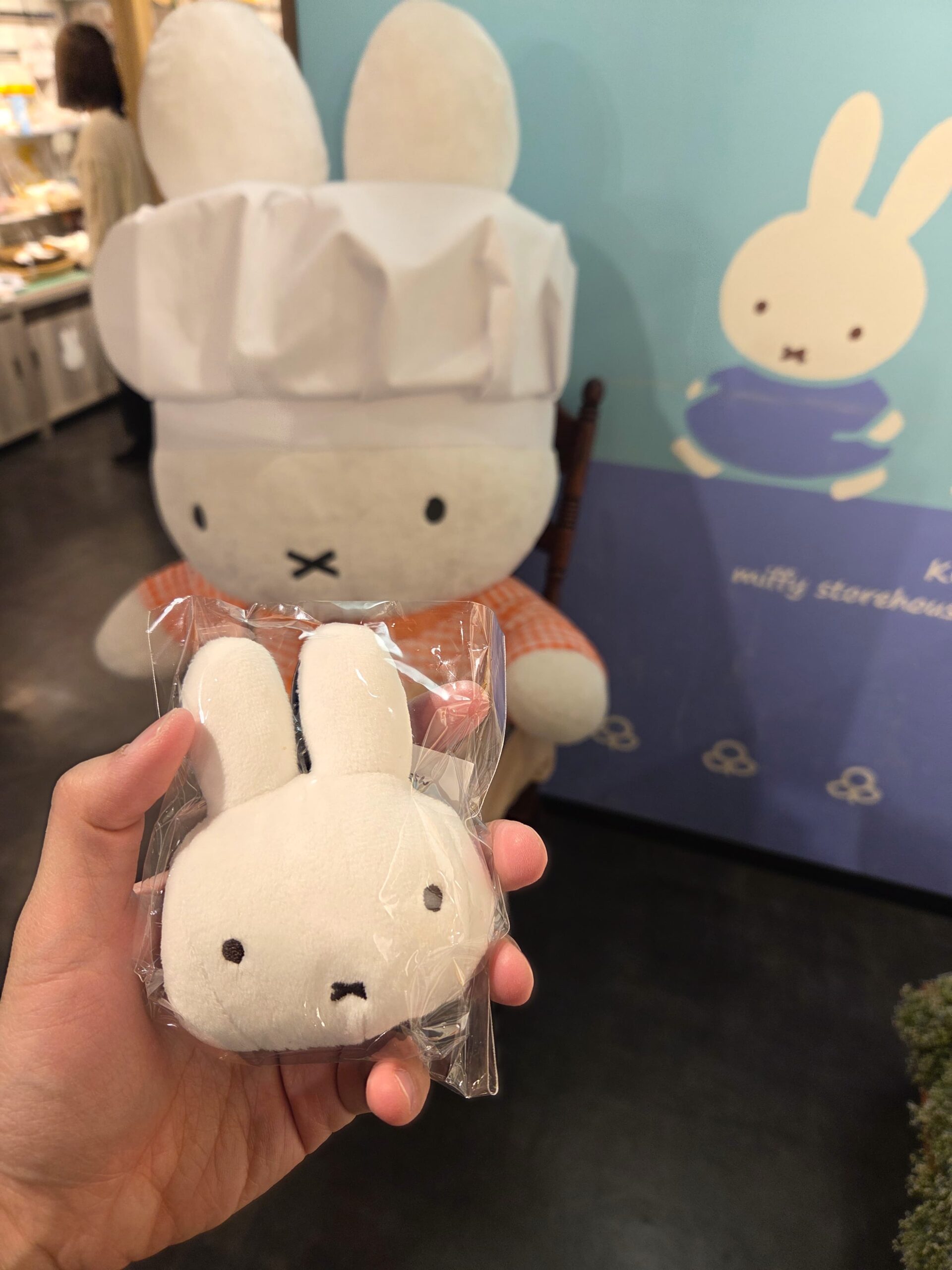
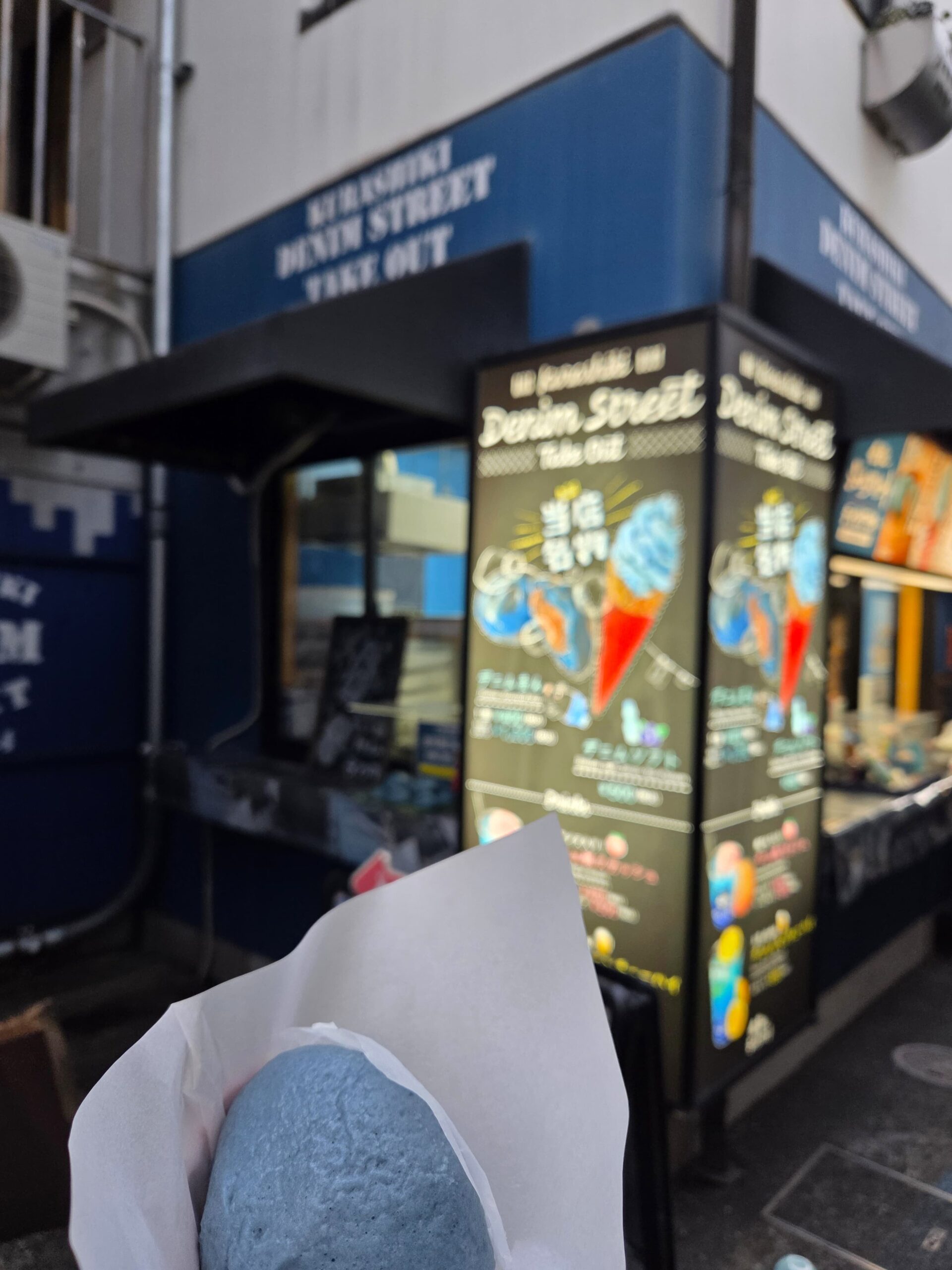
Since there’s no other shops open, I decided to find a dinner place, an udon restaurant, and then head to Okayama for my accommodation. I think it would be more worthwhile if I spent more time there in the area.

Okayama
When I reached Okayama, it’s next level of bustling. Even though it’s already night time, the station was still pretty crowded.
My first full day at Okayama was spent first at Okayama Castle. The castle was so “fake” in the sense that most of the interior have been modernized with lifts and museum exhibits. It was interesting to see the parallel of Okayama Castle to Matsue Castle where both are castle towns, and that both were never sieged like Osaka Castle. Besides that, one unique thing here was that Okayama Castle had experience with ninjas.
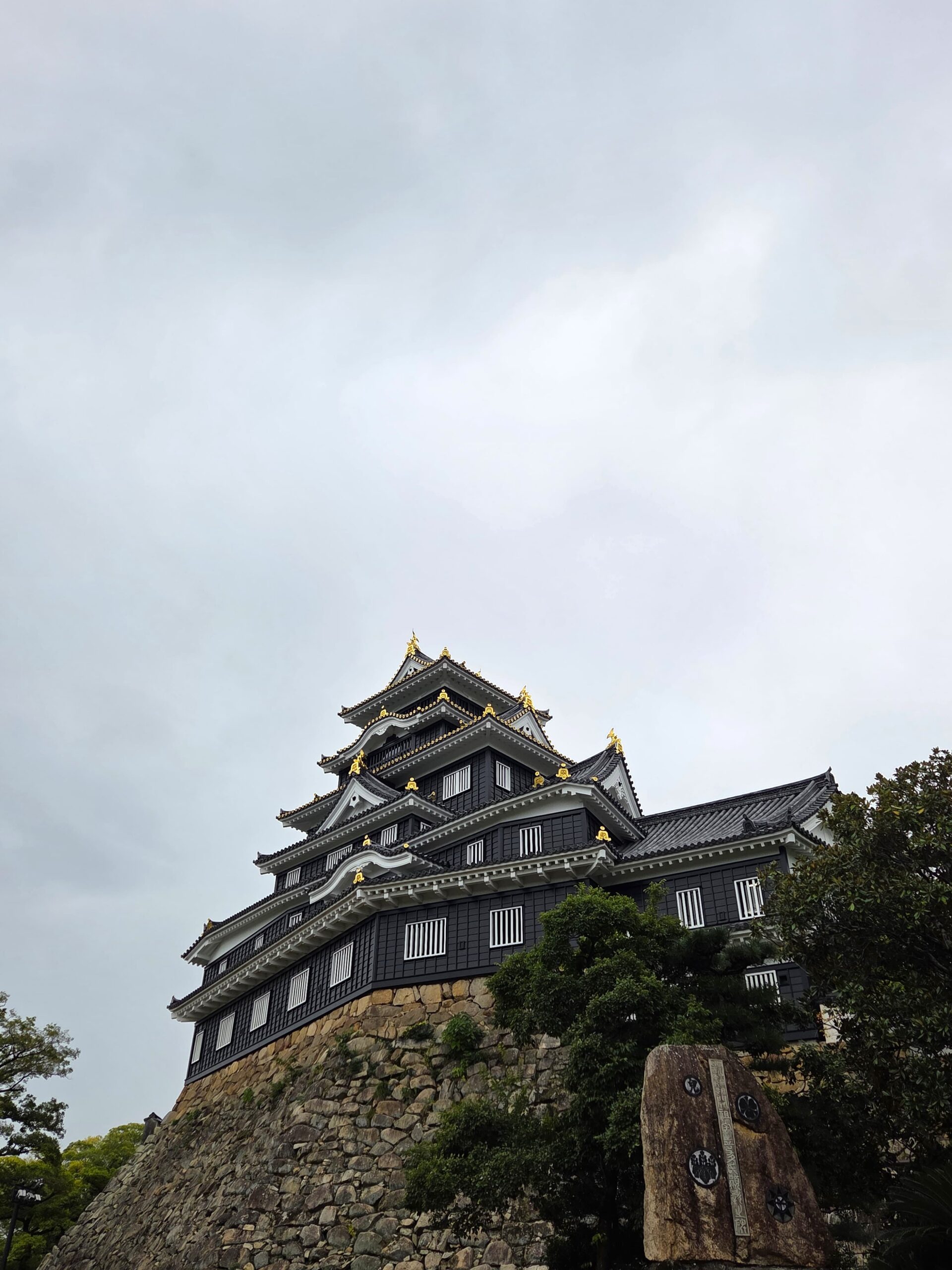
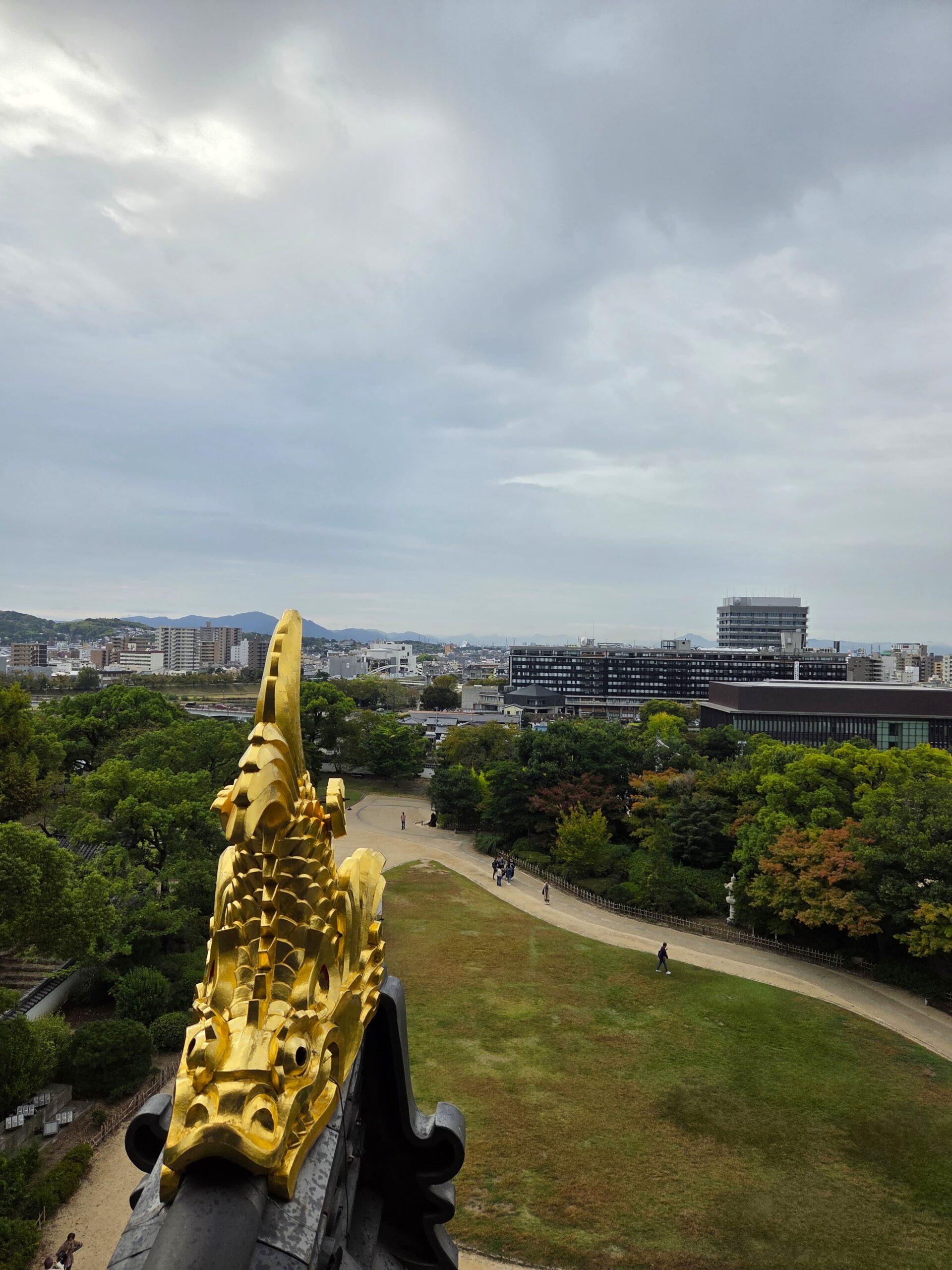
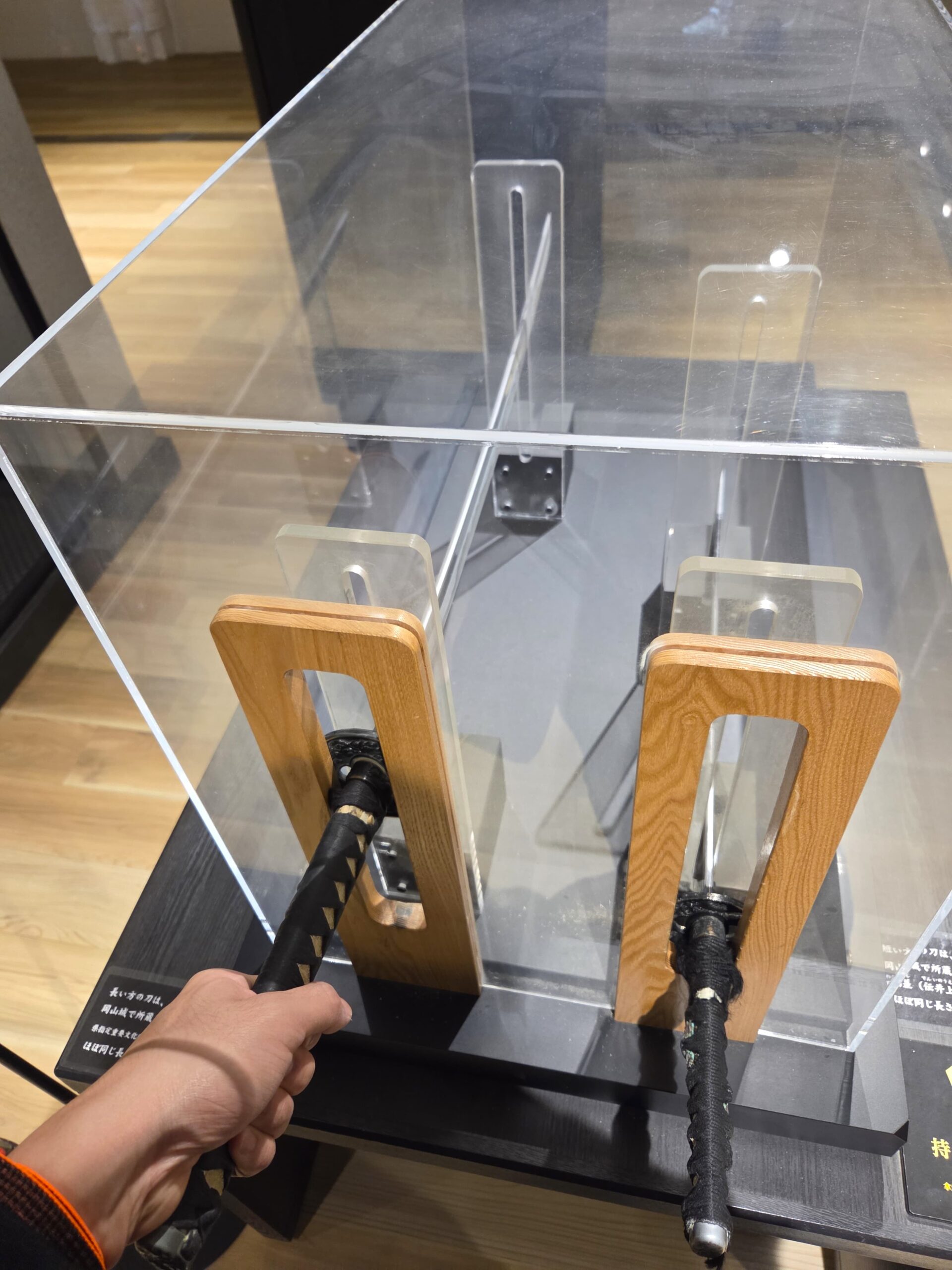
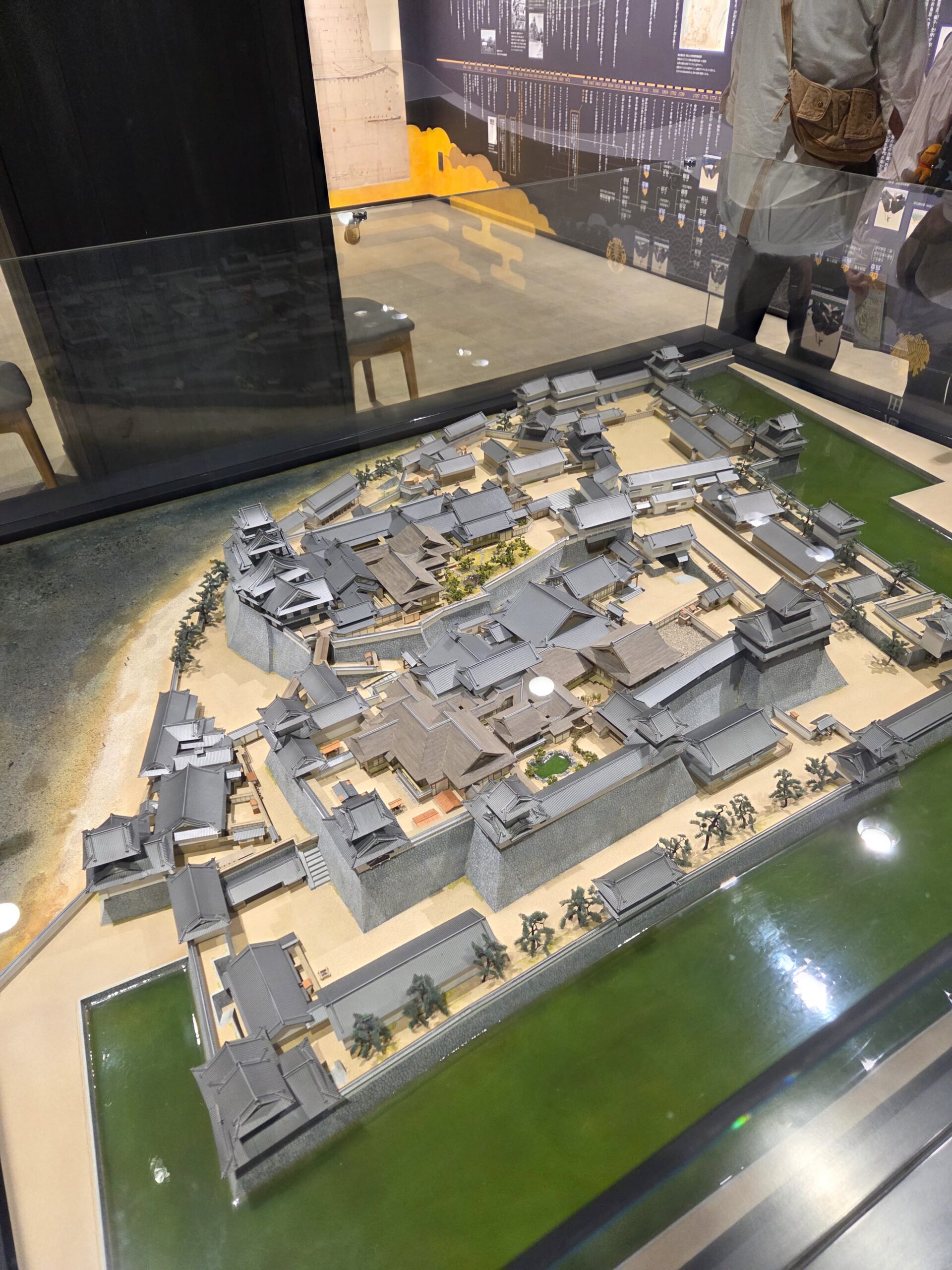
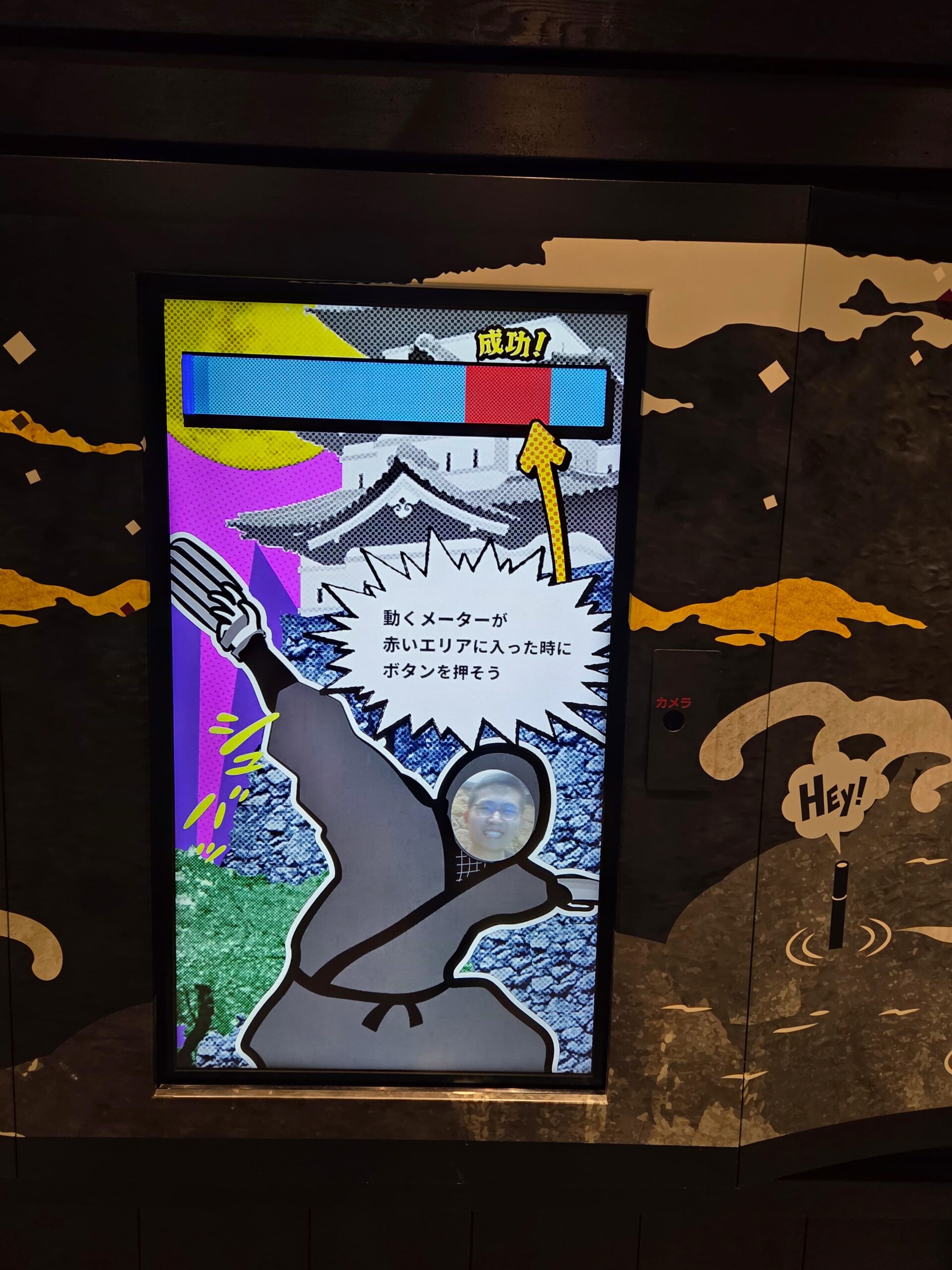
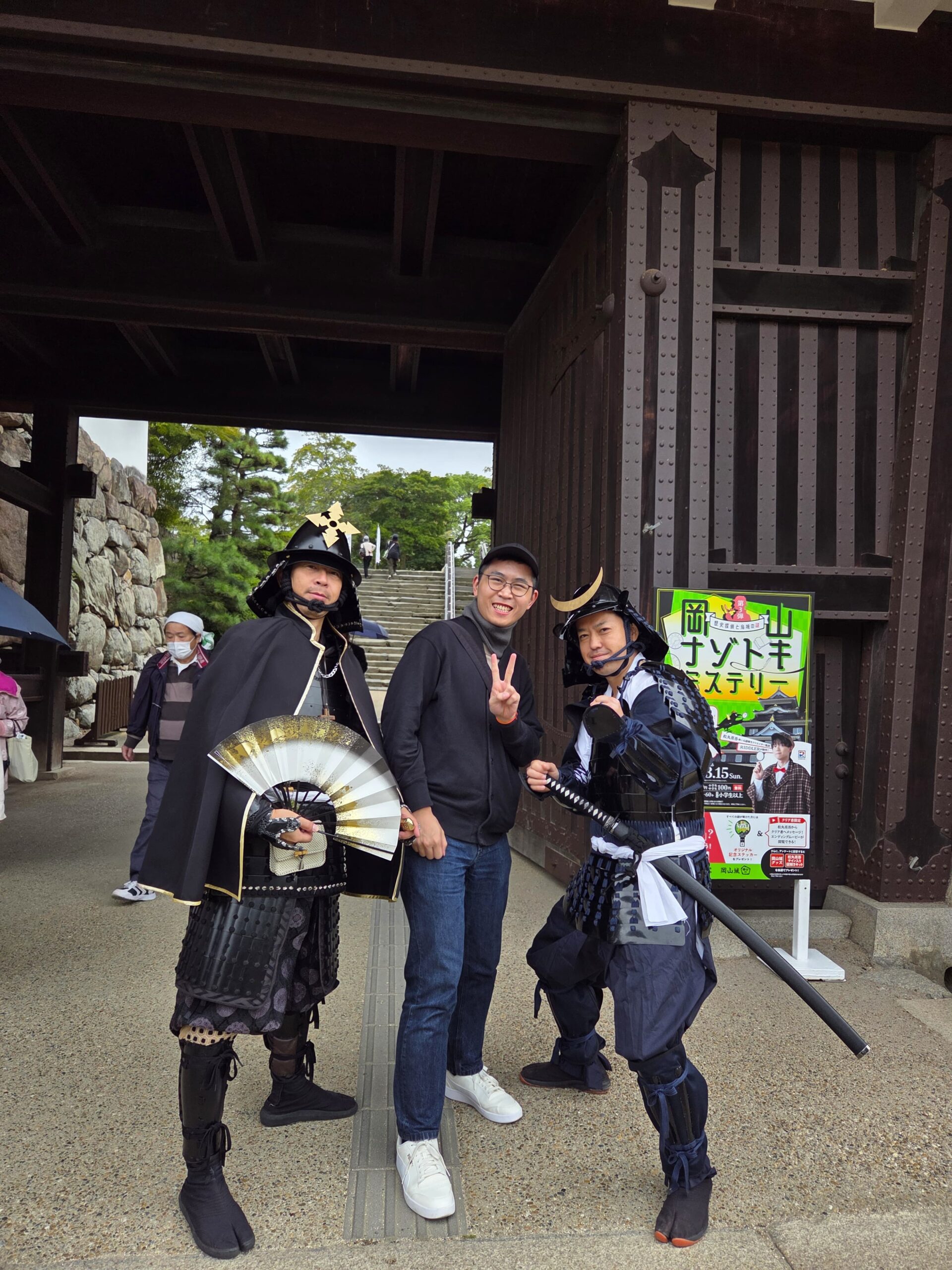
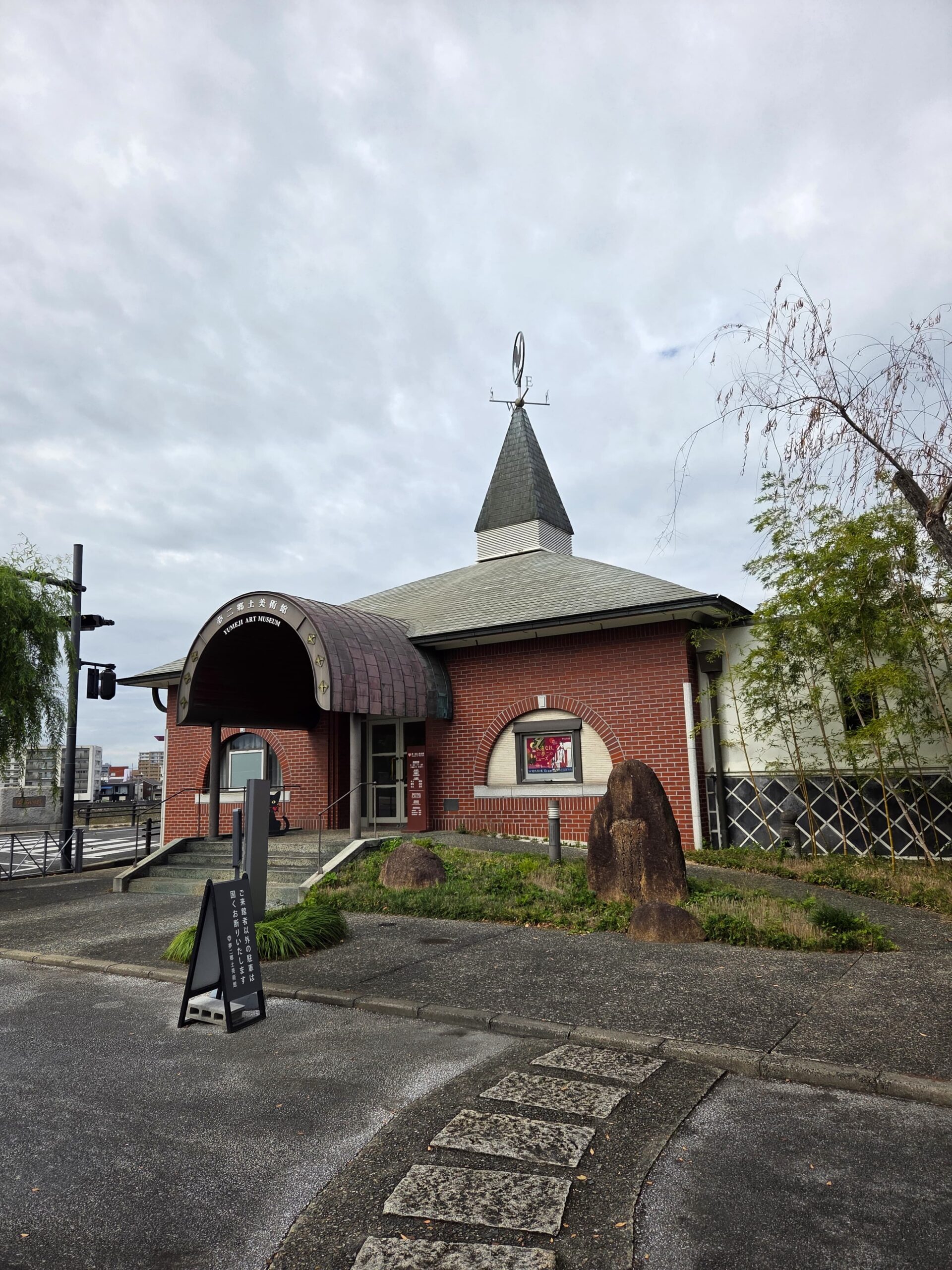
After that, I visited Yumeji Art Museum since the ticket was bundled together with Okayama Castle. It showcased many artworks of Yumeji Takehisa, which have a unique style of painting.
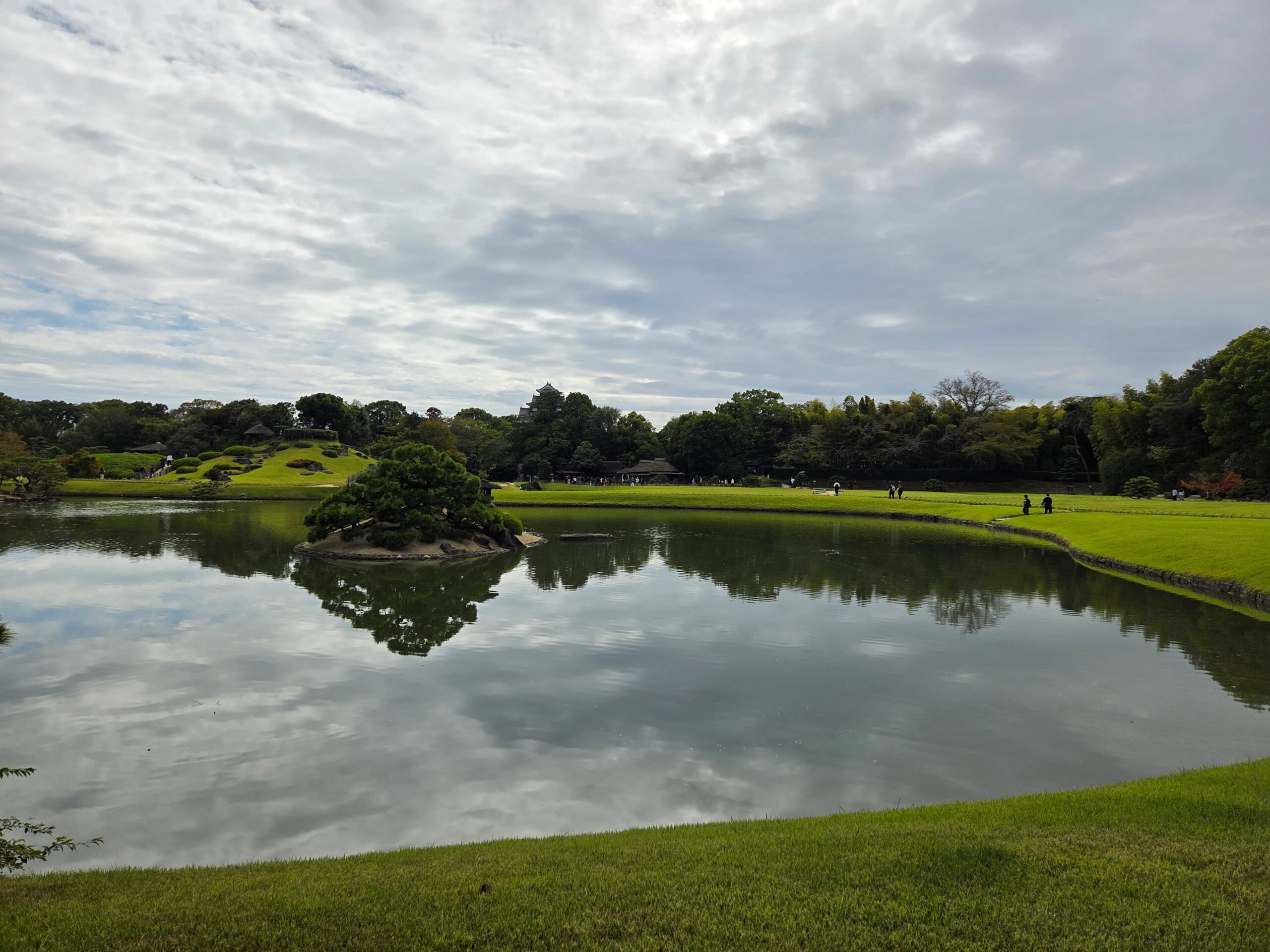
Next, I headed next to the Korakuen Garden. It was a vast garden, just like the Shinjuku Gyoen park in Tokyo, except here there was a view of Okayama Castle in the background.

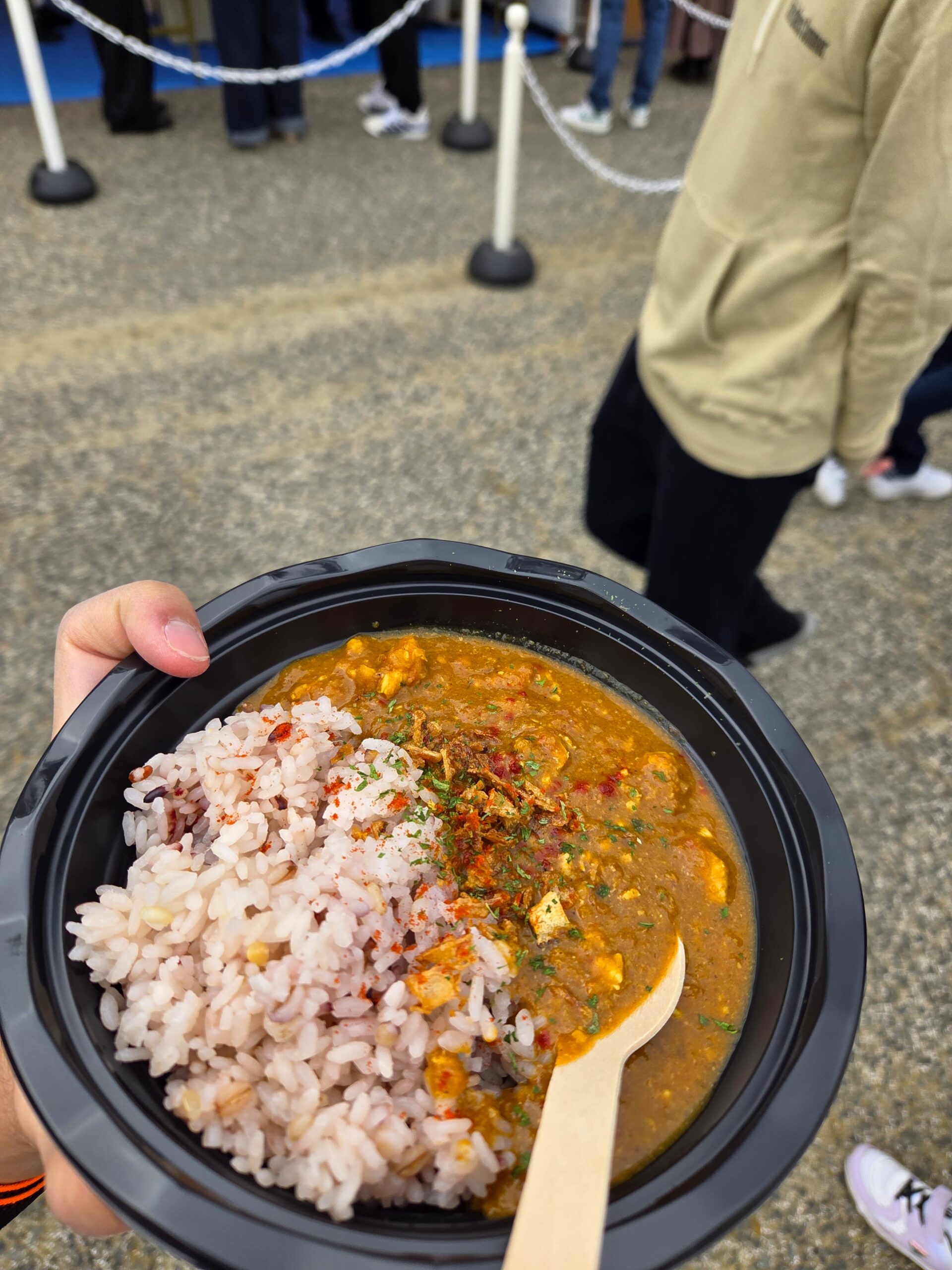
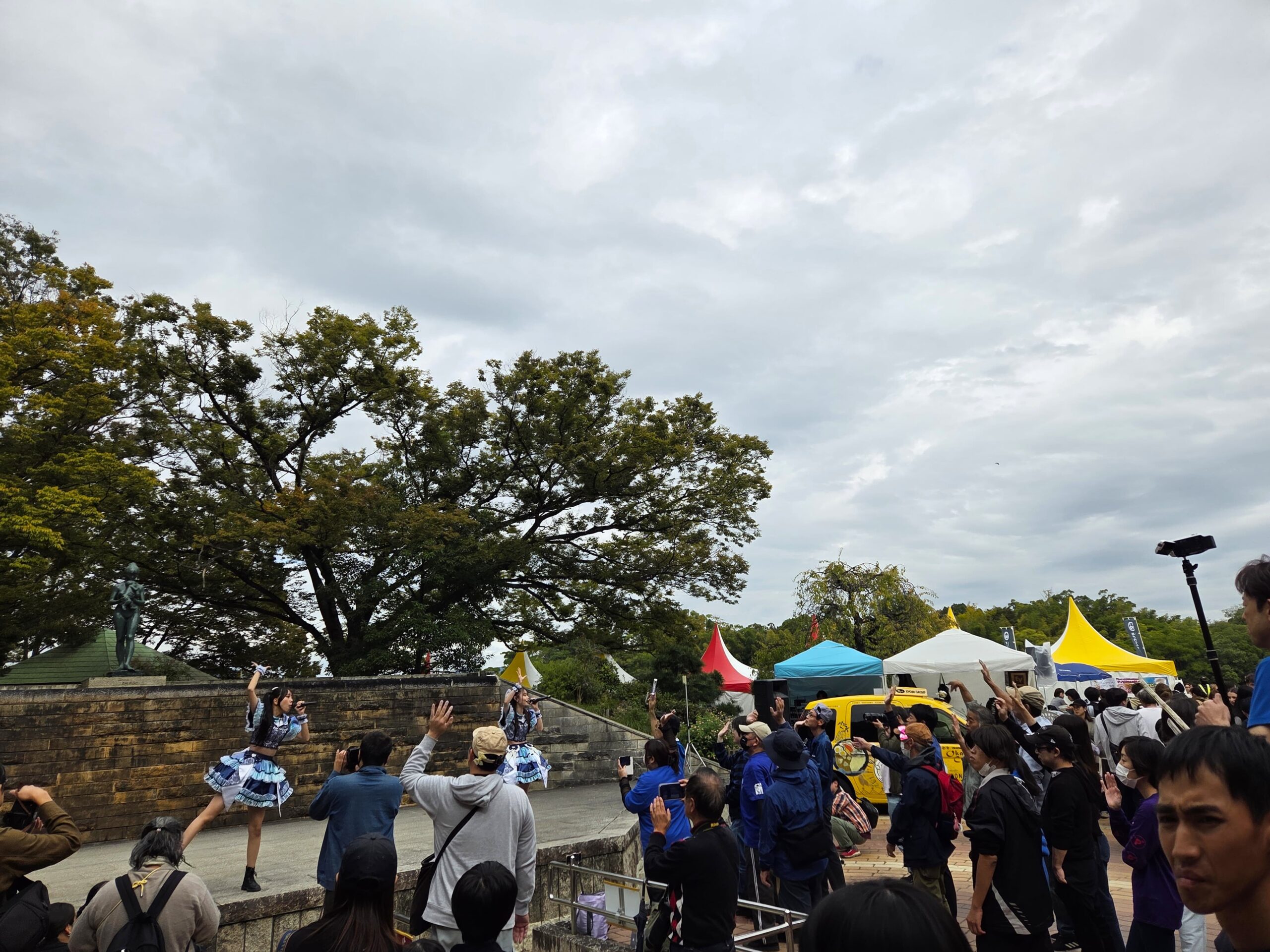
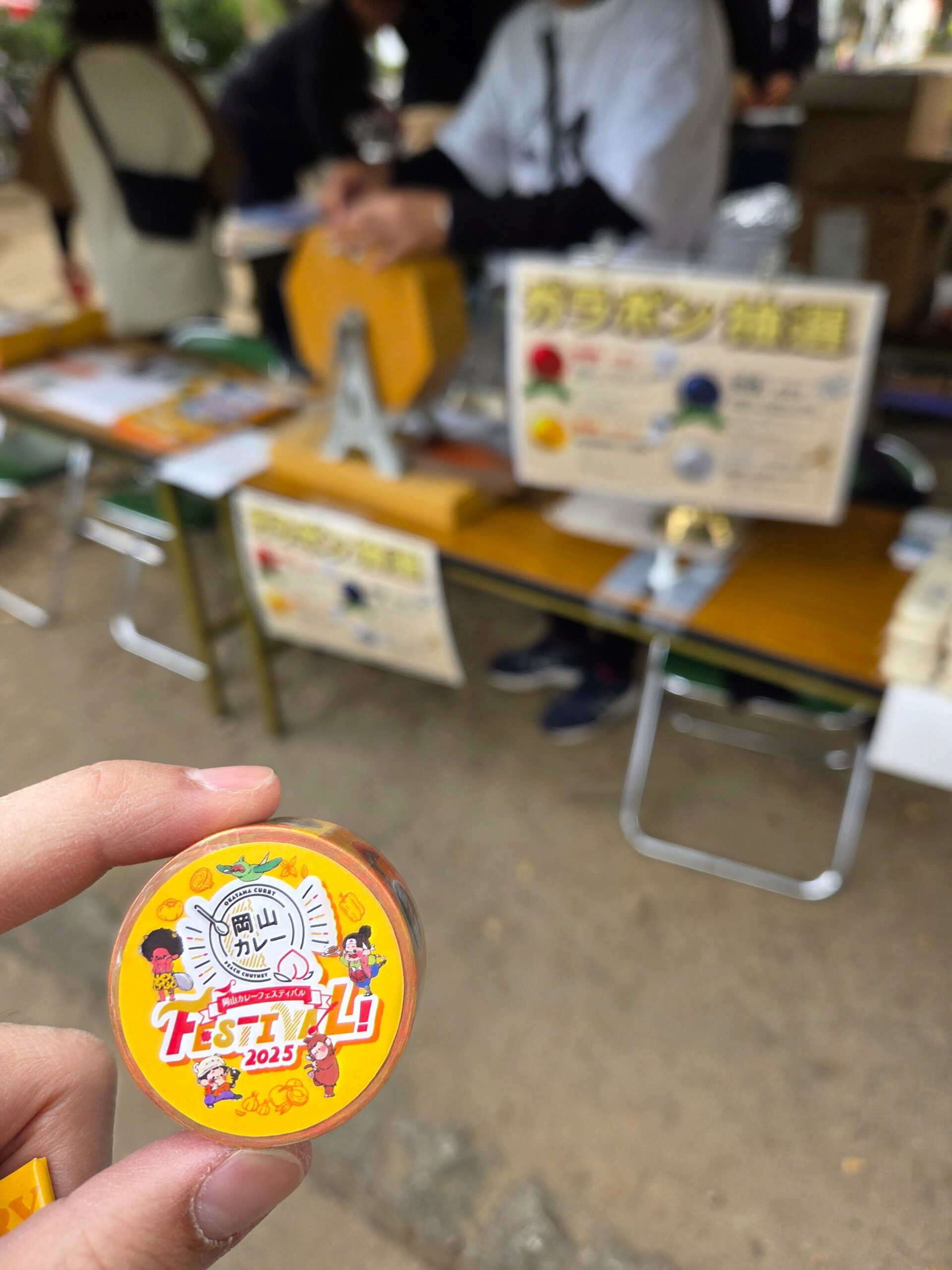
Lunch time, I stopped by the “Okayama Curry Festival” event that happened beside the Asahi River bank. Quite an interesting sight to see the entertainment section being filled with an idol group that had like 5 die-hard fans dancing in front of them.
After lunch, I took a streetcar to Okayama Station, then stopped at Bizen-Ichinomiya Station to start cycling across the Kibi plain. The bike rent was quite expensive, but I guess that’s okay since they already provided the map and directions for cycling from that station to Soja Station. The total distance was like 13 km. I didn’t have much time since I started a bit ‘late’ at 2:30 pm. They mentioned that the bike shop at the destination closes at 6 pm so I have to reach there by then. Also since the sunset was around 5 pm, I thought it was not a good idea to cycle after 5 pm since the bike and route will be pretty dark.
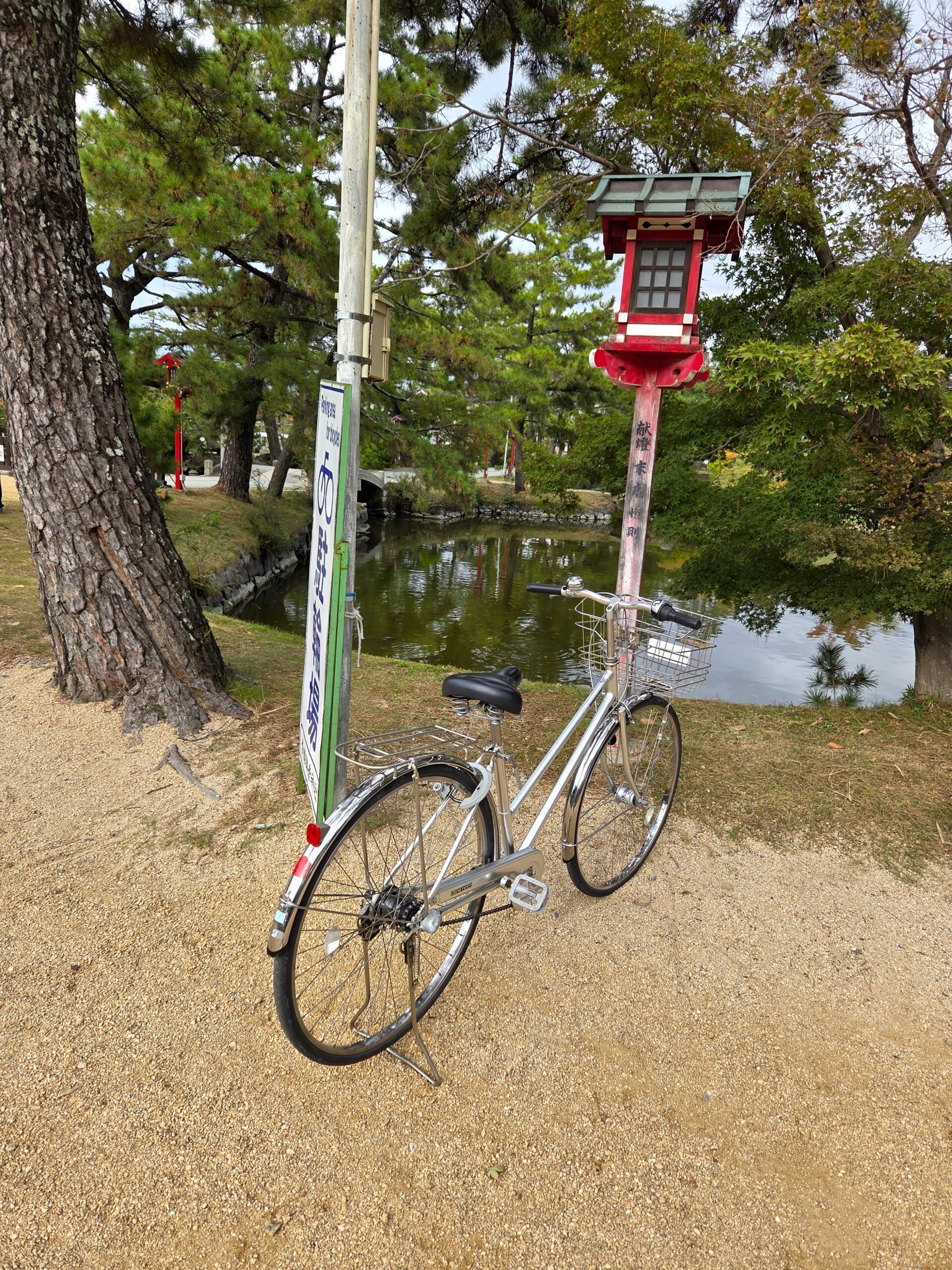
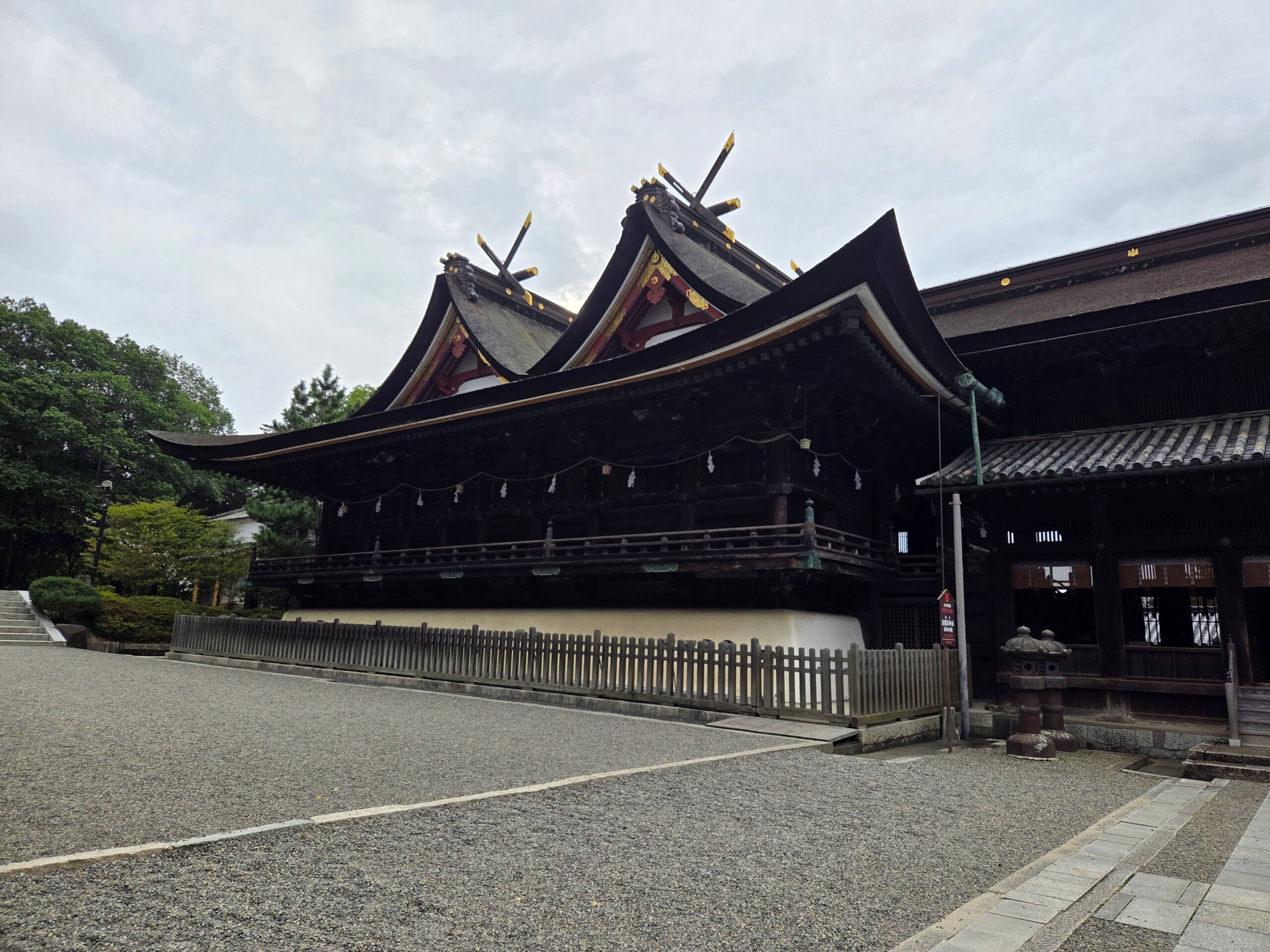
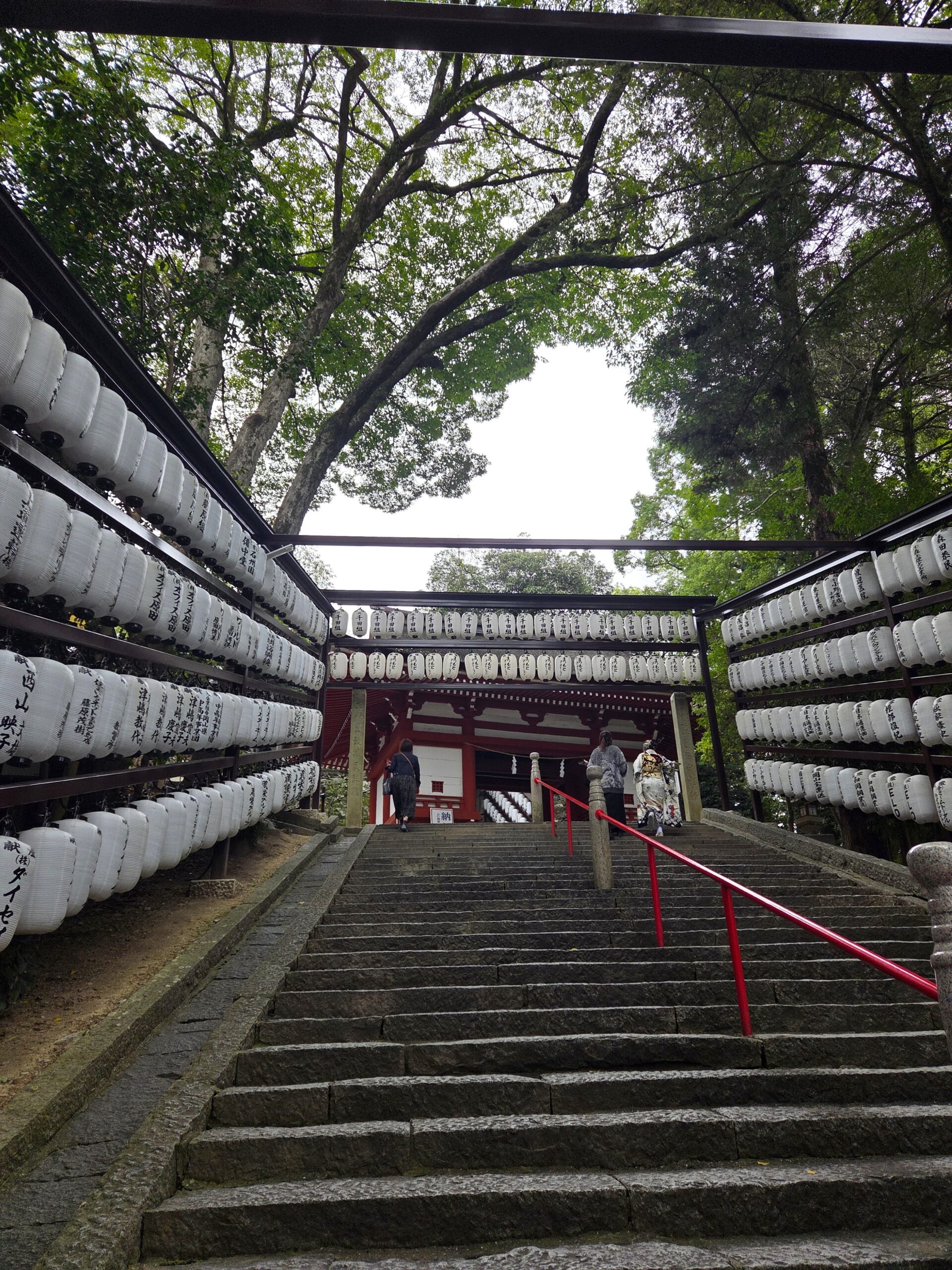
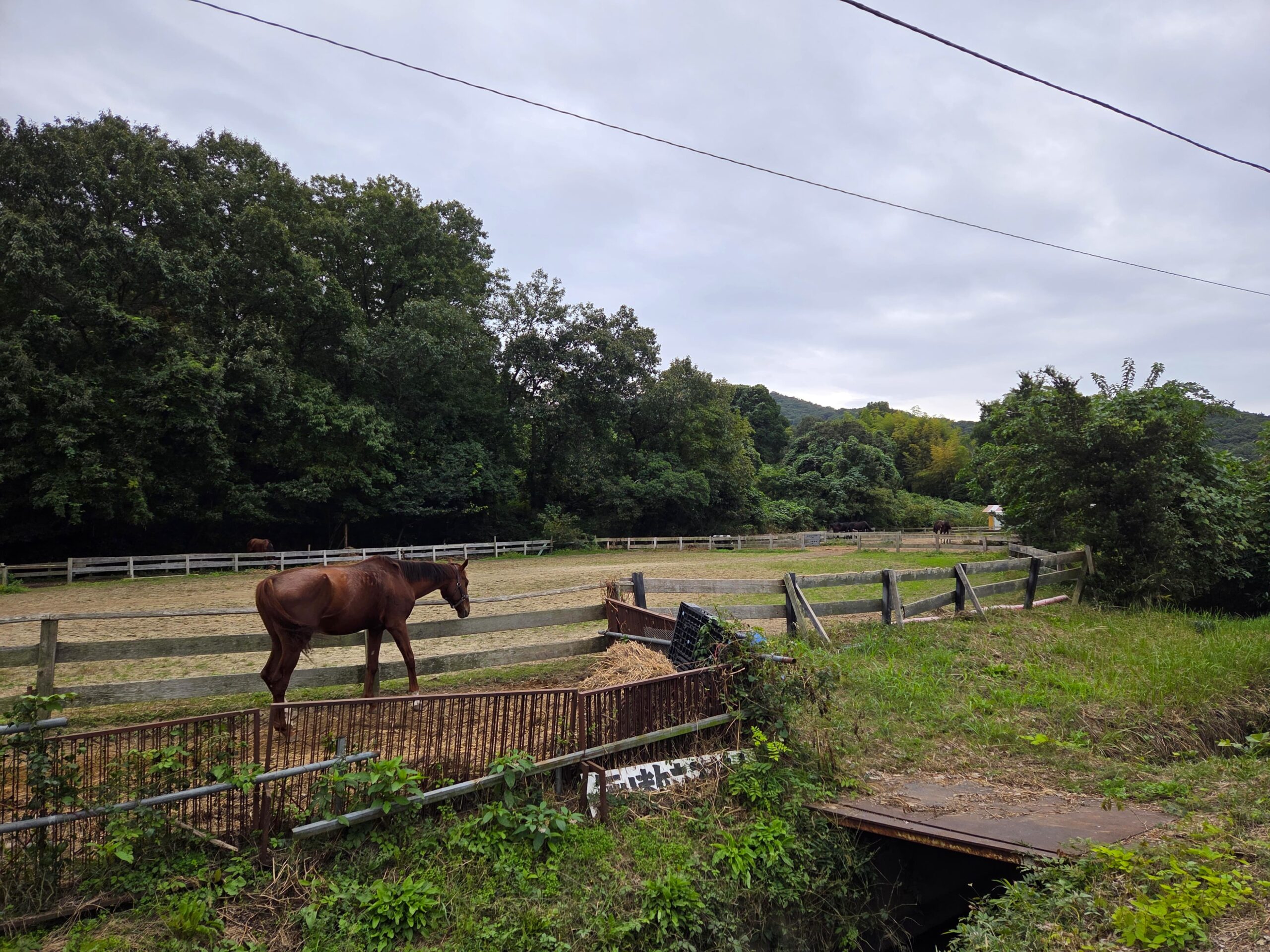
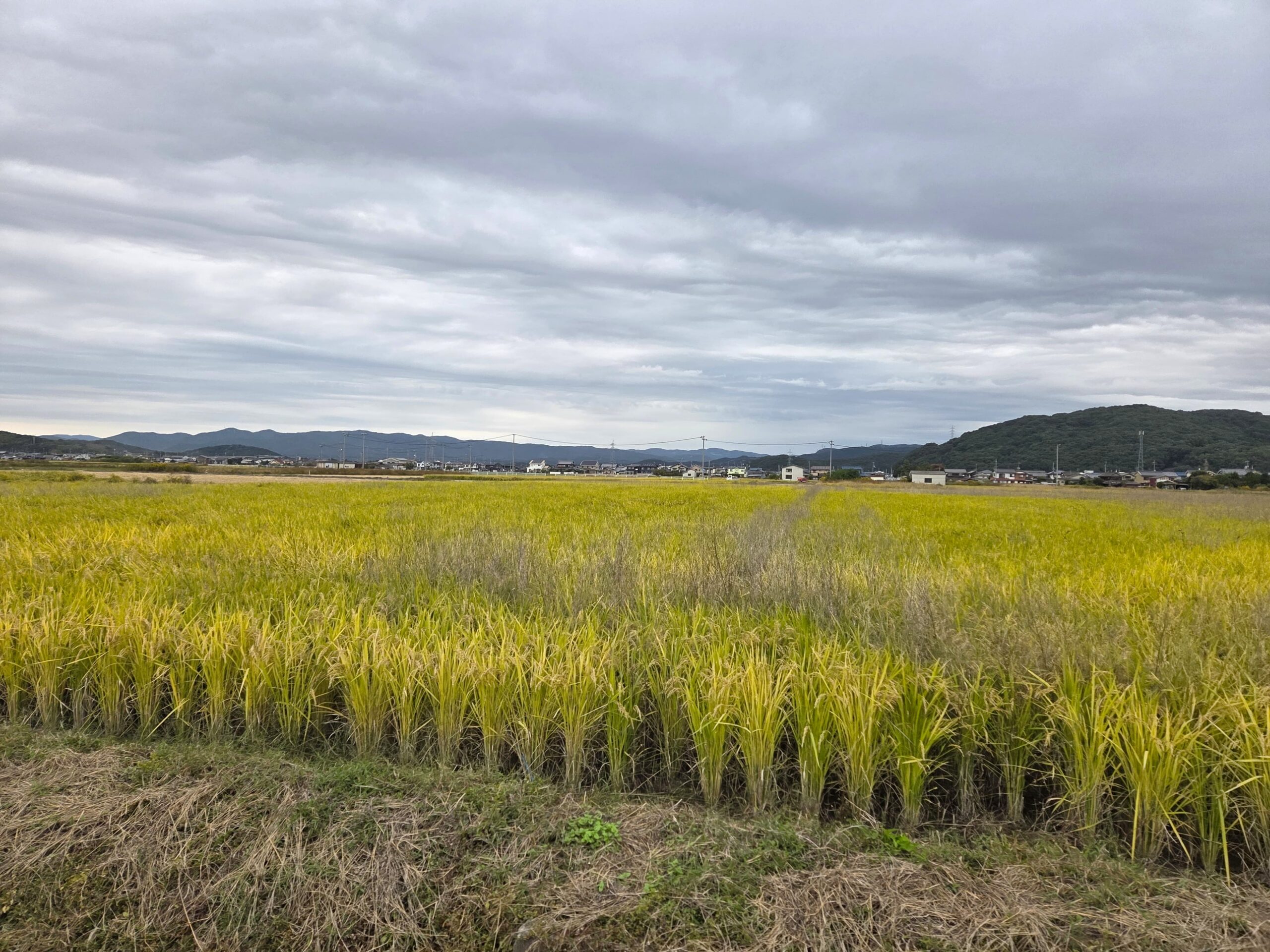
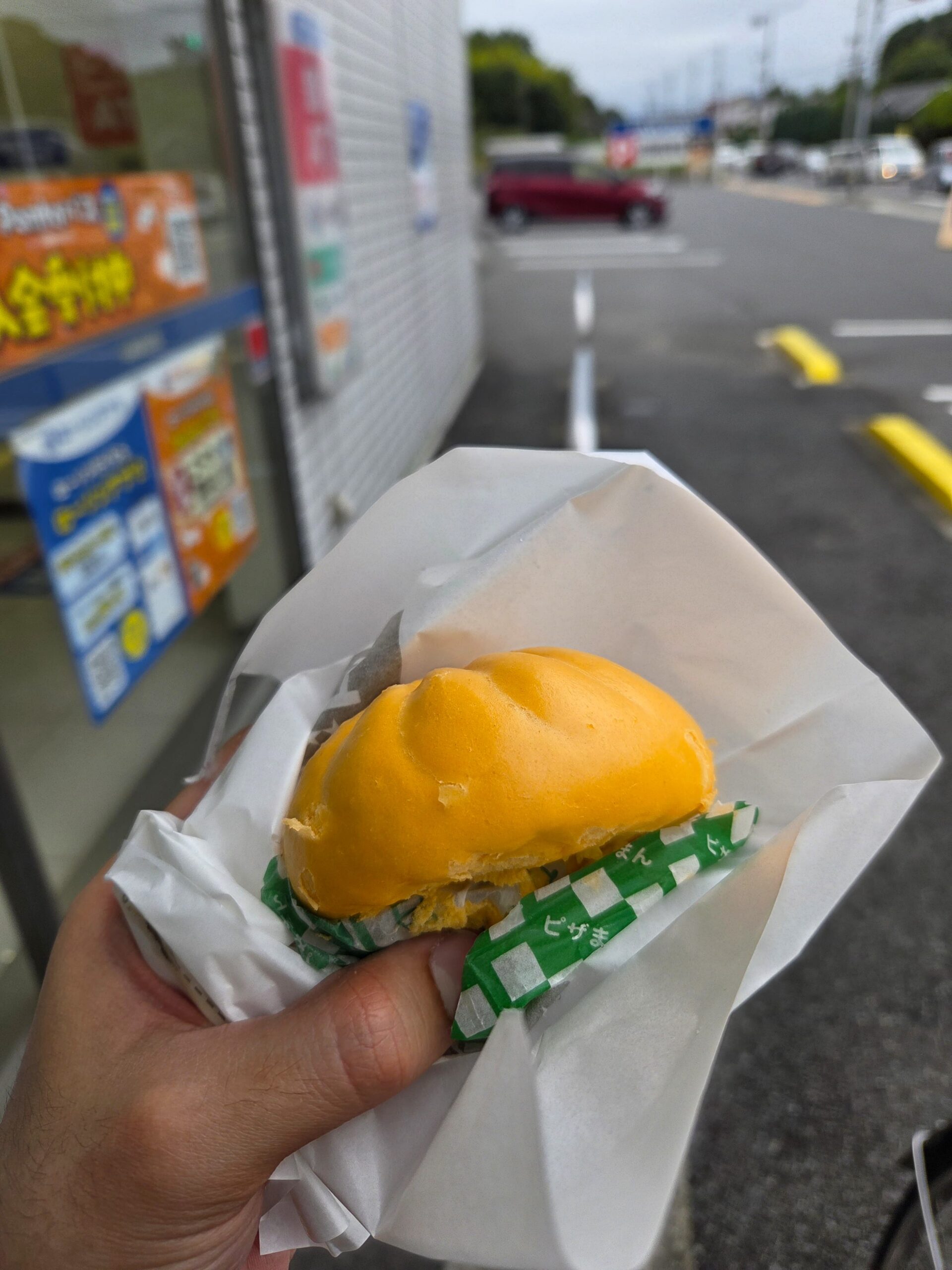

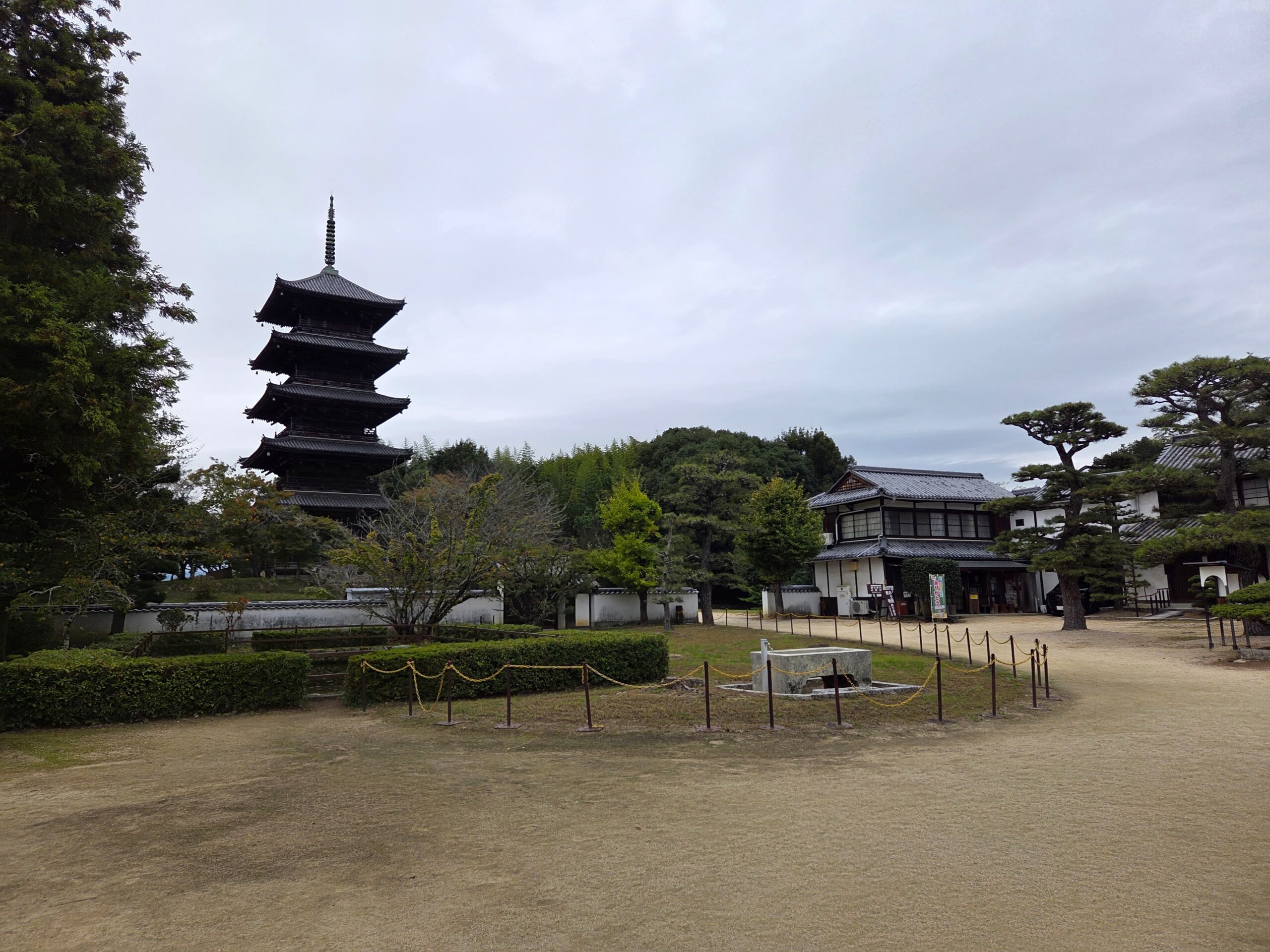
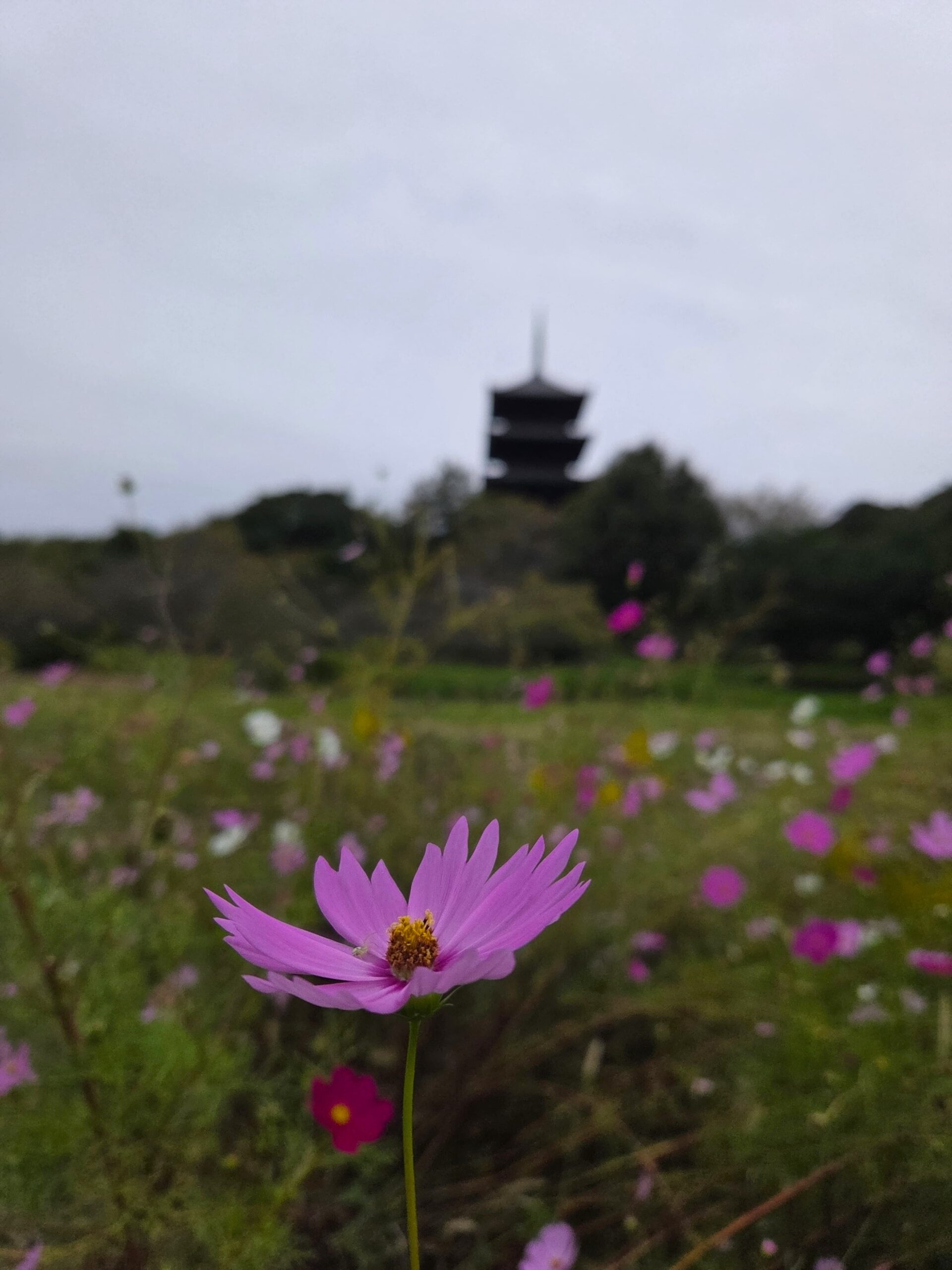
I tried to pace myself and managed to visit many different spots: temples, shrines, and passed by so many farms and there’s even a horse ranch! Nearer towards the destination, it started to rain and it was not stopping anytime soon, so I braved the rain and cycled under the rain. It was really uncomfortable and definitely never doing cycling under the rain again. Anyway I managed to reach the destination around 5:30 pm. I took a train back to Okayama and had dinner at the Aeon mall where I had a tonkatsu meal.
Naoshima
The next day was spent in Naoshima. Naoshima is located in another prefecture and I had to take a train to Uno Station to take a ferry to this island. I was quite impressed with how organized things are with the queue to the ferry. It was quite crowded and I saw many posters of this “Setouchi Triennale”; apparently there was some art festival ongoing and that involves many museums in Naoshima, which caused a lot more people visiting the island too.
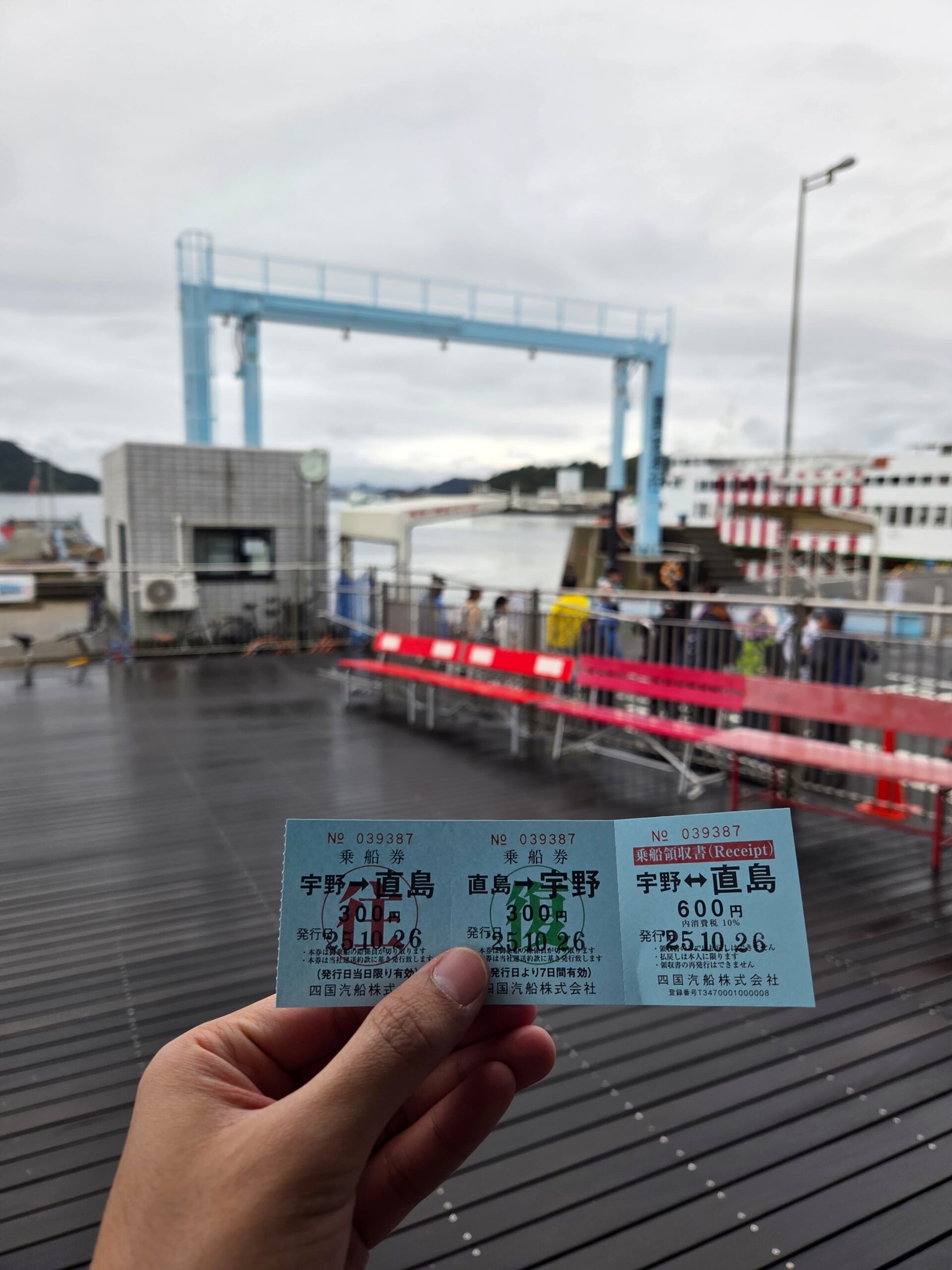
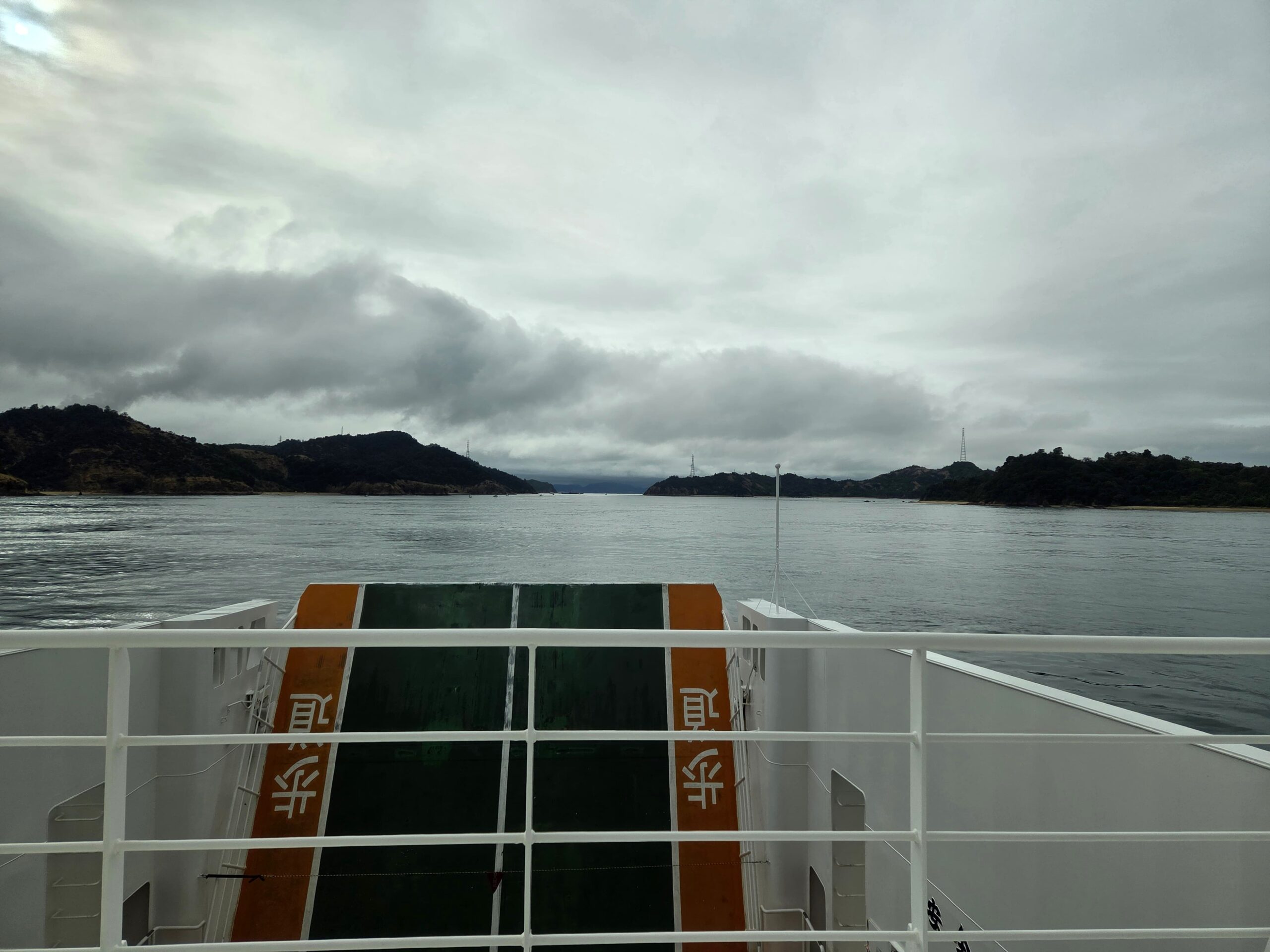
The ferry trip went pretty smooth and we arrived at Miyanoura Port. I rushed to the pumpkin artwork first before rushing to the bus stop.
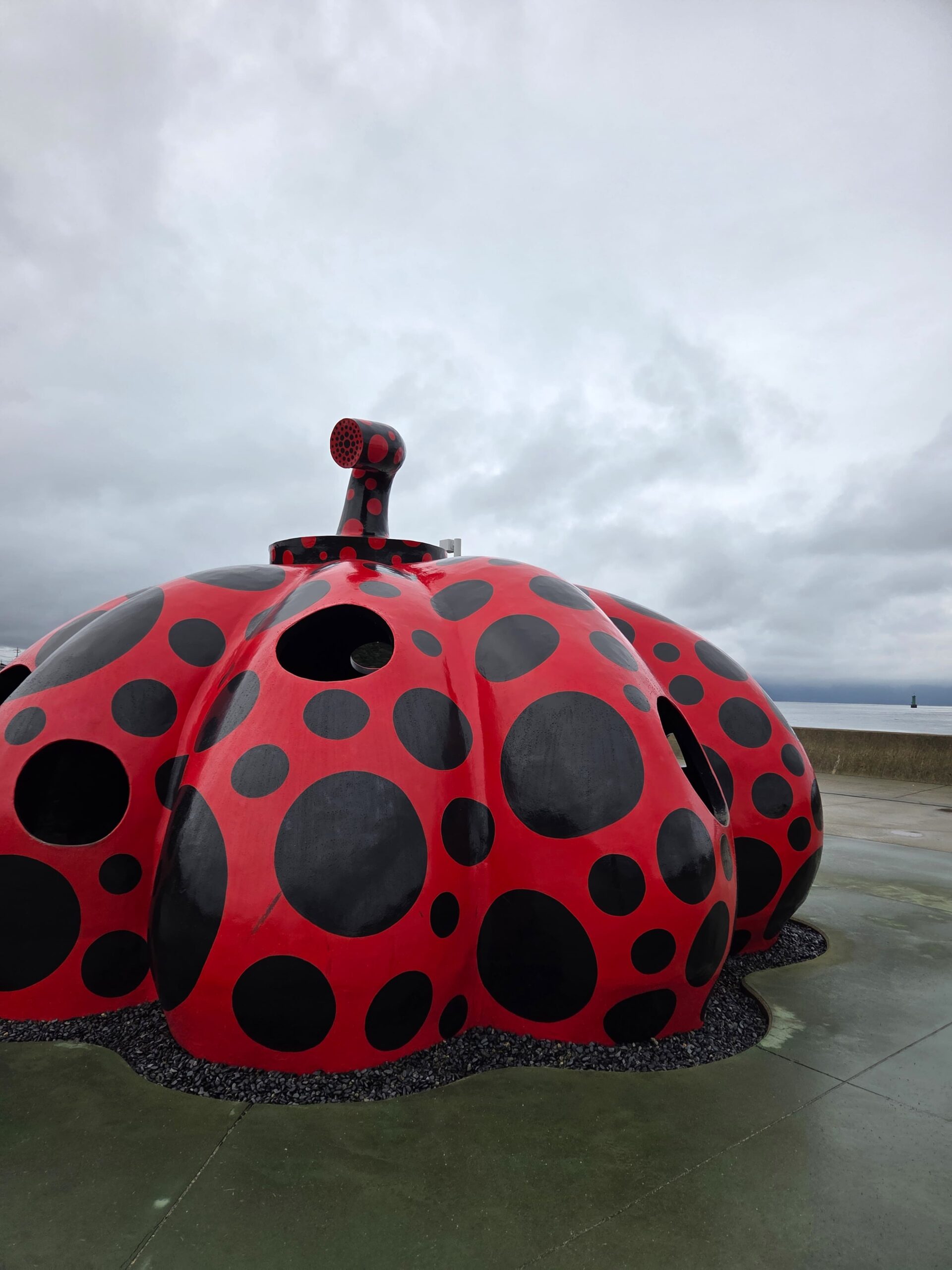
I was presented with two choices of buses: a bus that goes the clockwise or counter-clockwise route. I chose the clockwise route and found out it was a wrong choice later on since after I reached my first museum of the day at 9 am, I realized that the museums in that area won’t open until 10 am. I also learned that there were some other museums that require time slot reservations and those slots were all sold out for the day. So I visited some local shrines first and explored the area for a bit while wasting time for the opening of the museum.
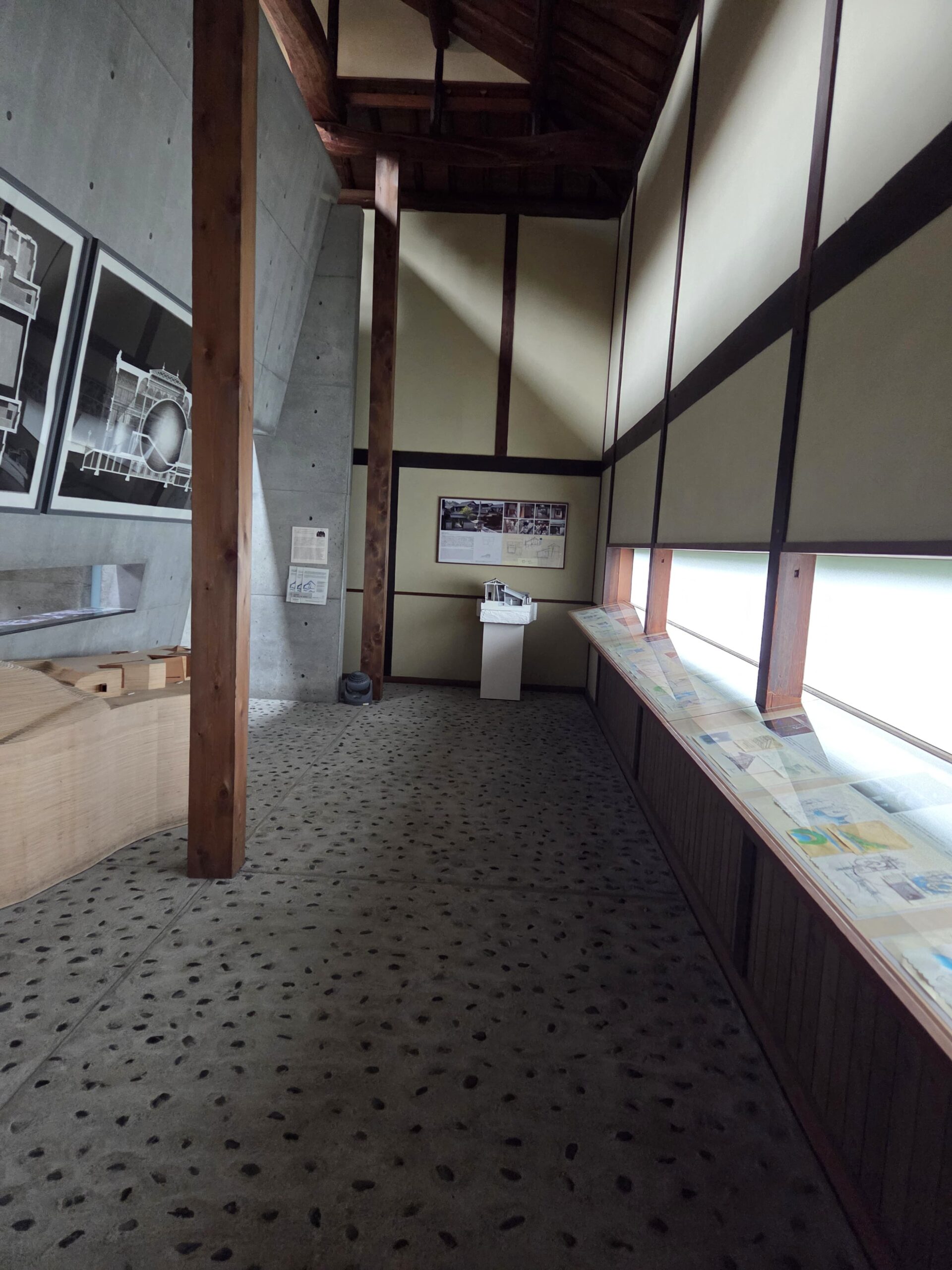
First, I visited Ando Museum, which dedicates itself to Tadao Ando, who is the architect of many famous buildings, including many museums in the island.
Then I visited the Naoshima New Museum of Art which surprisingly exhibits several artworks from South East Asia.
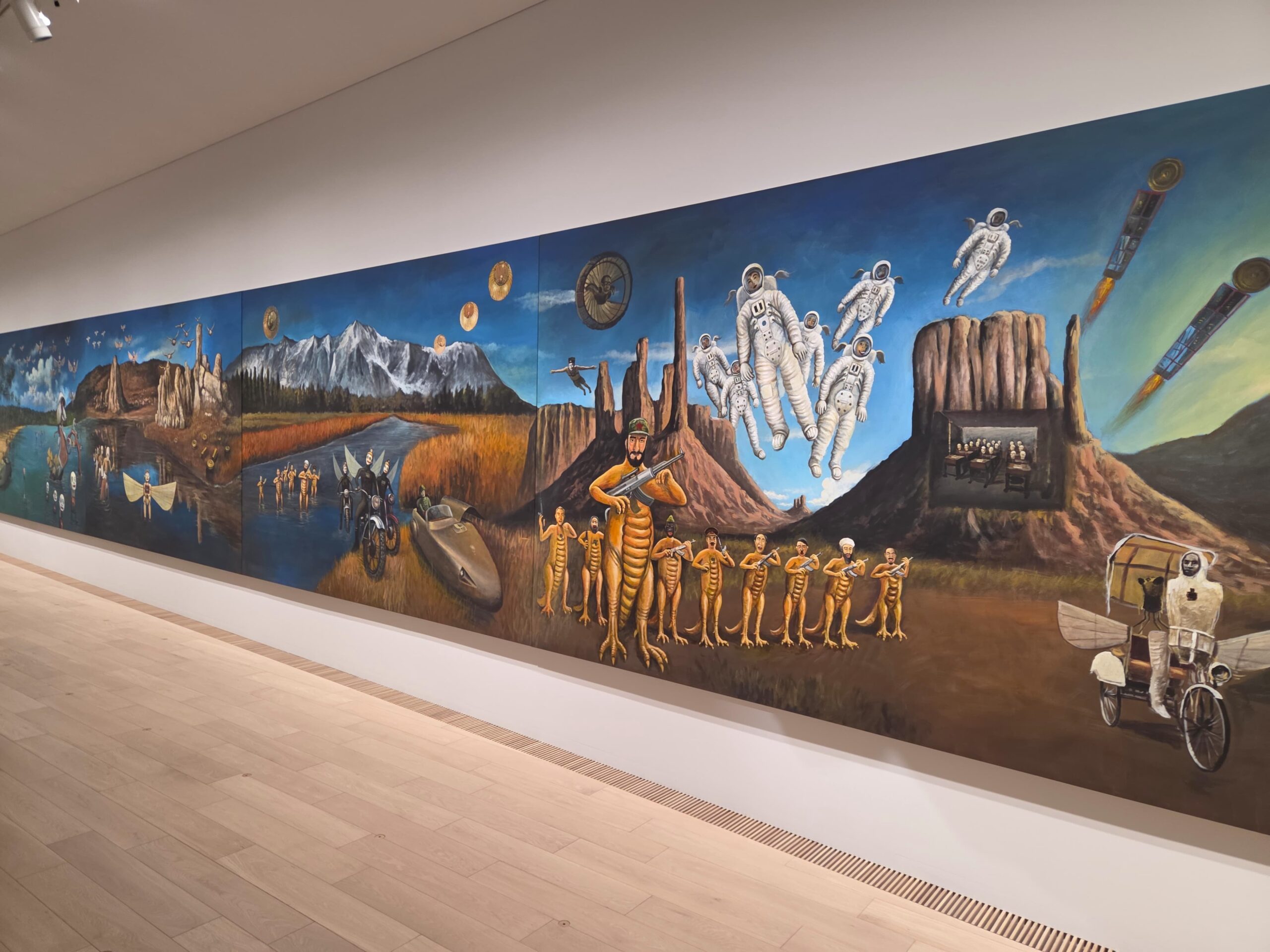
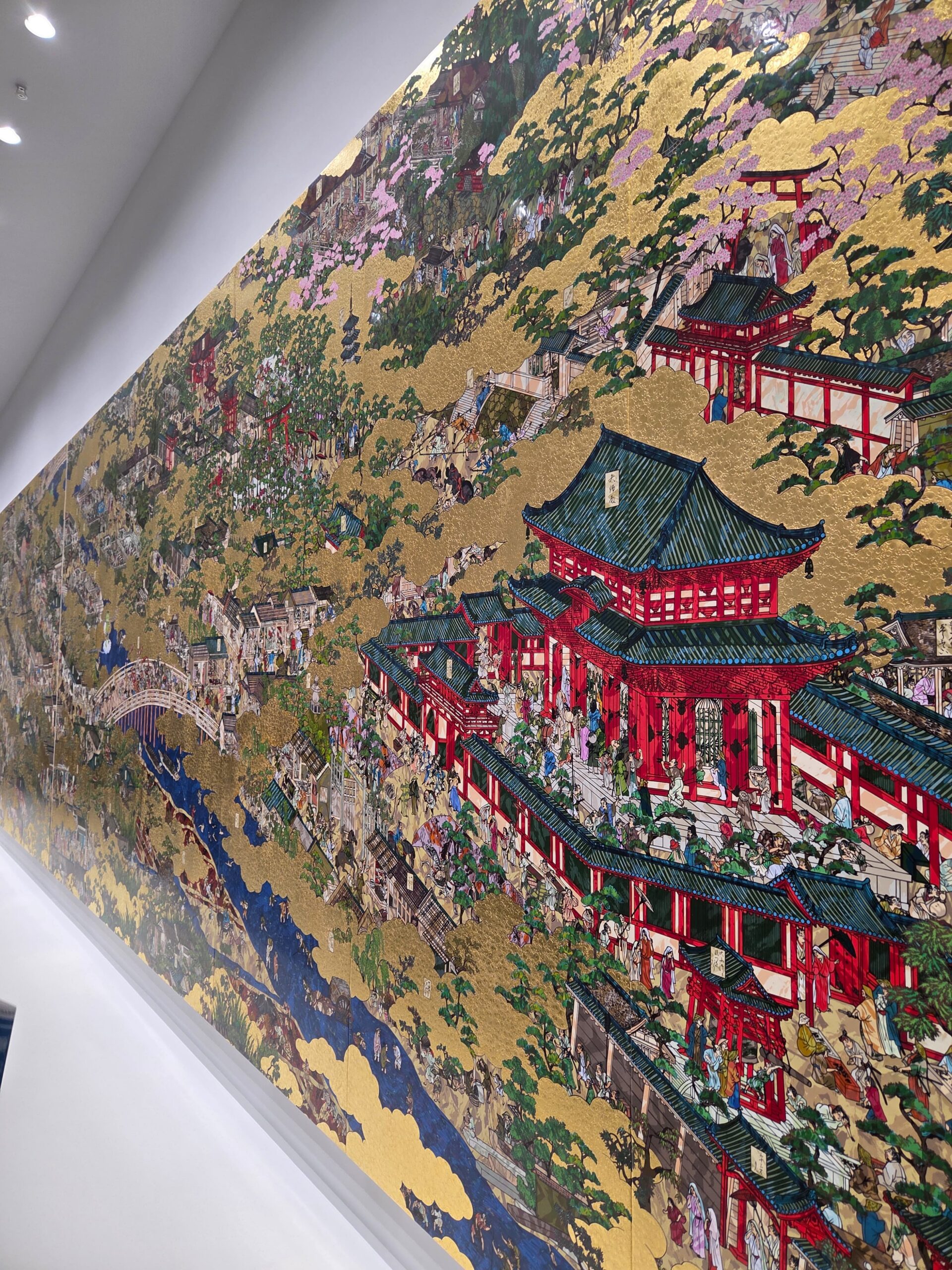
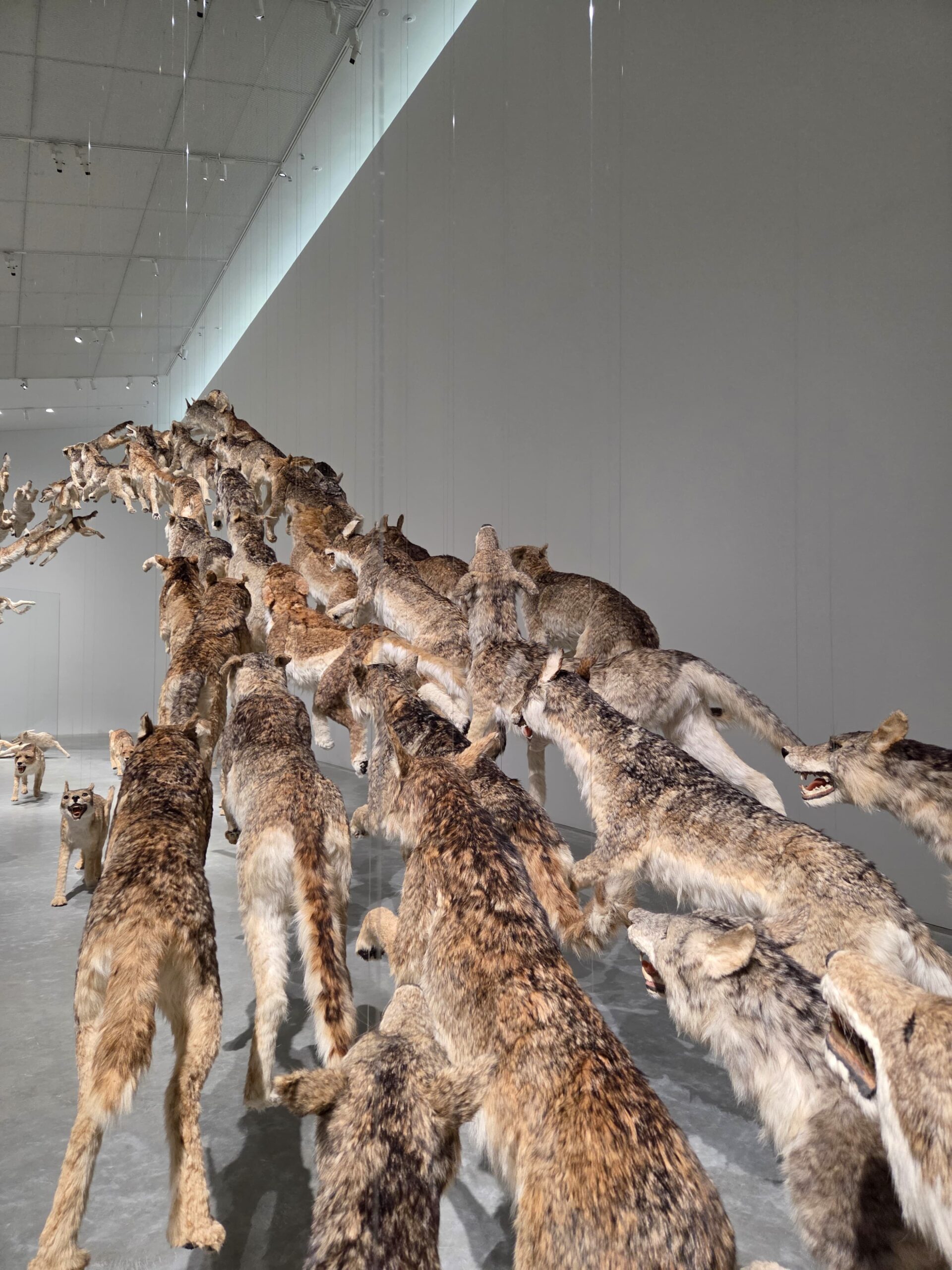
After that, I had lunch at the nearby town, and then took a bus to the Lee Ufan Museum. This museum hosts modernist arts from Lee Ufan, pretty interesting that one of the room is a meditation room.
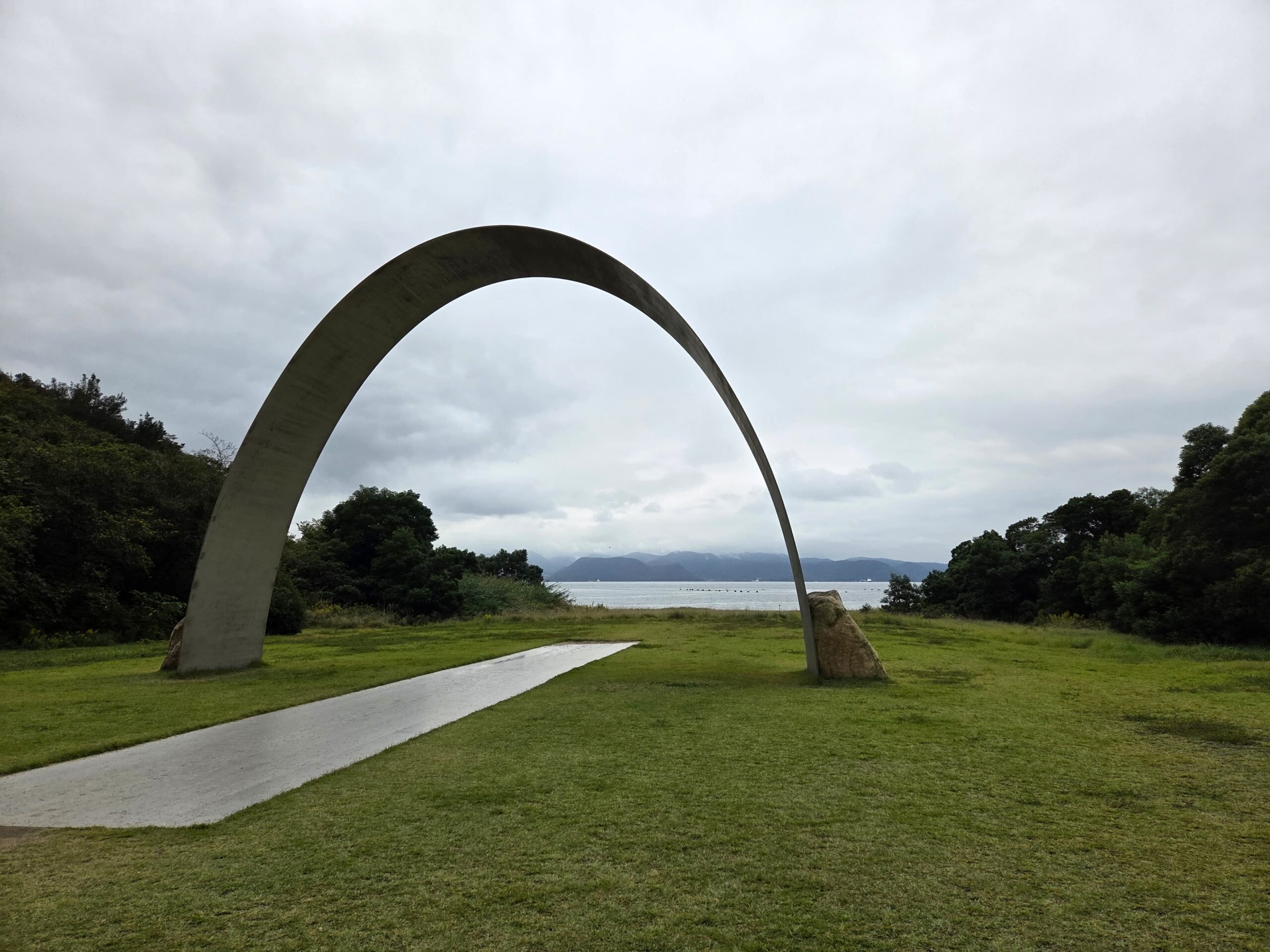
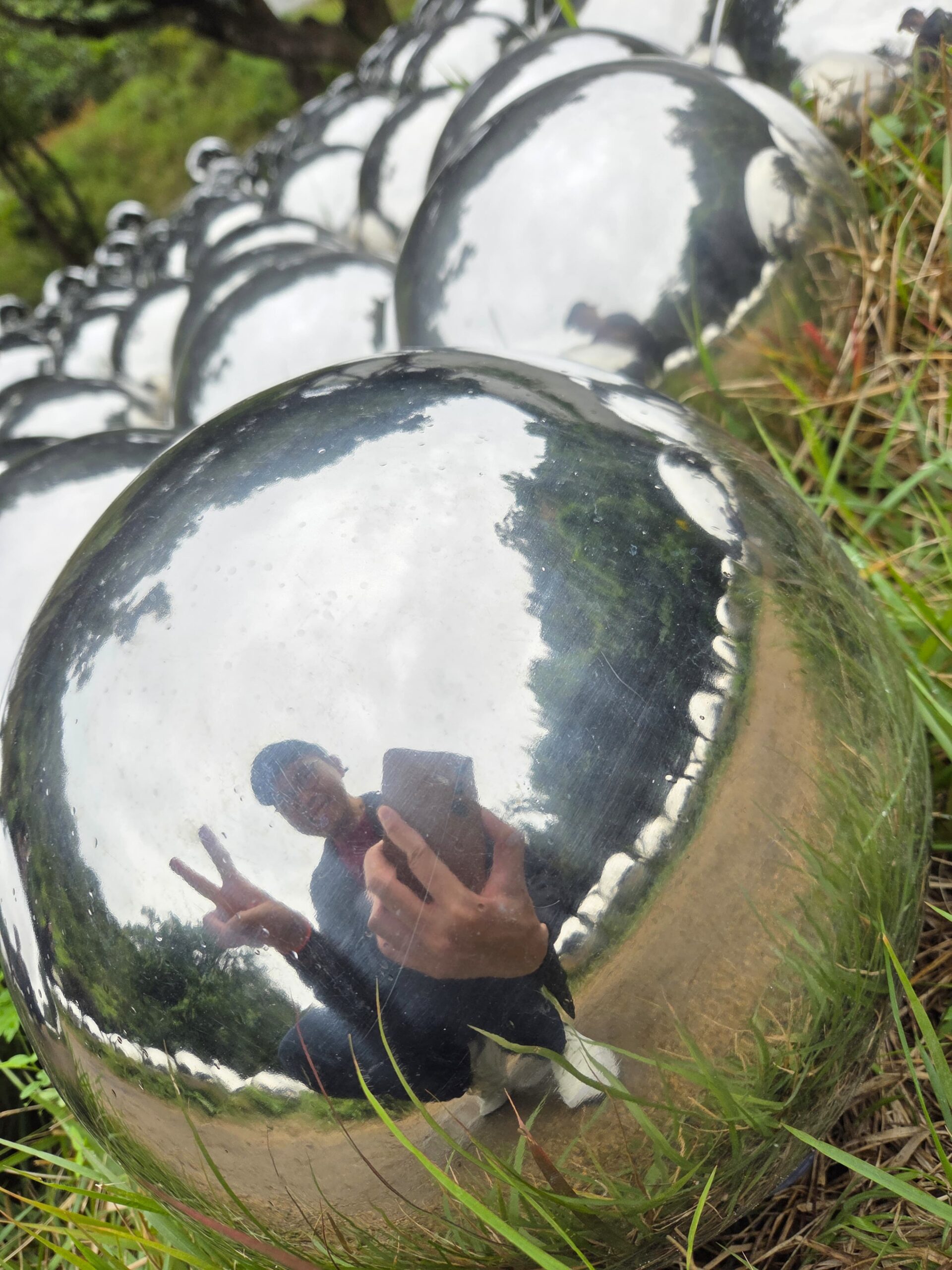
I also visited Valley Gallery which hosts several art pieces including Yayoi Kusama’s Narcissus Garden.
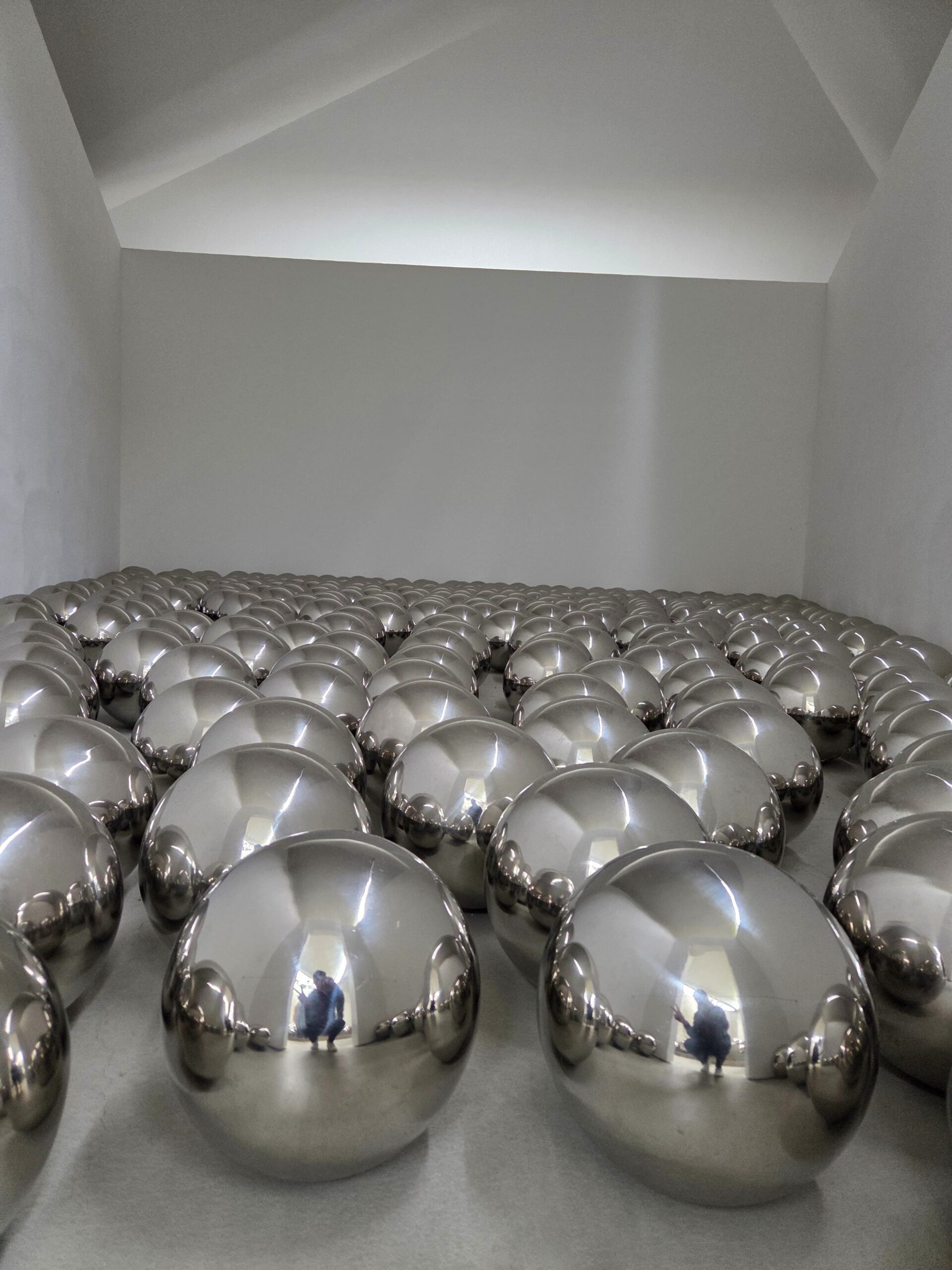
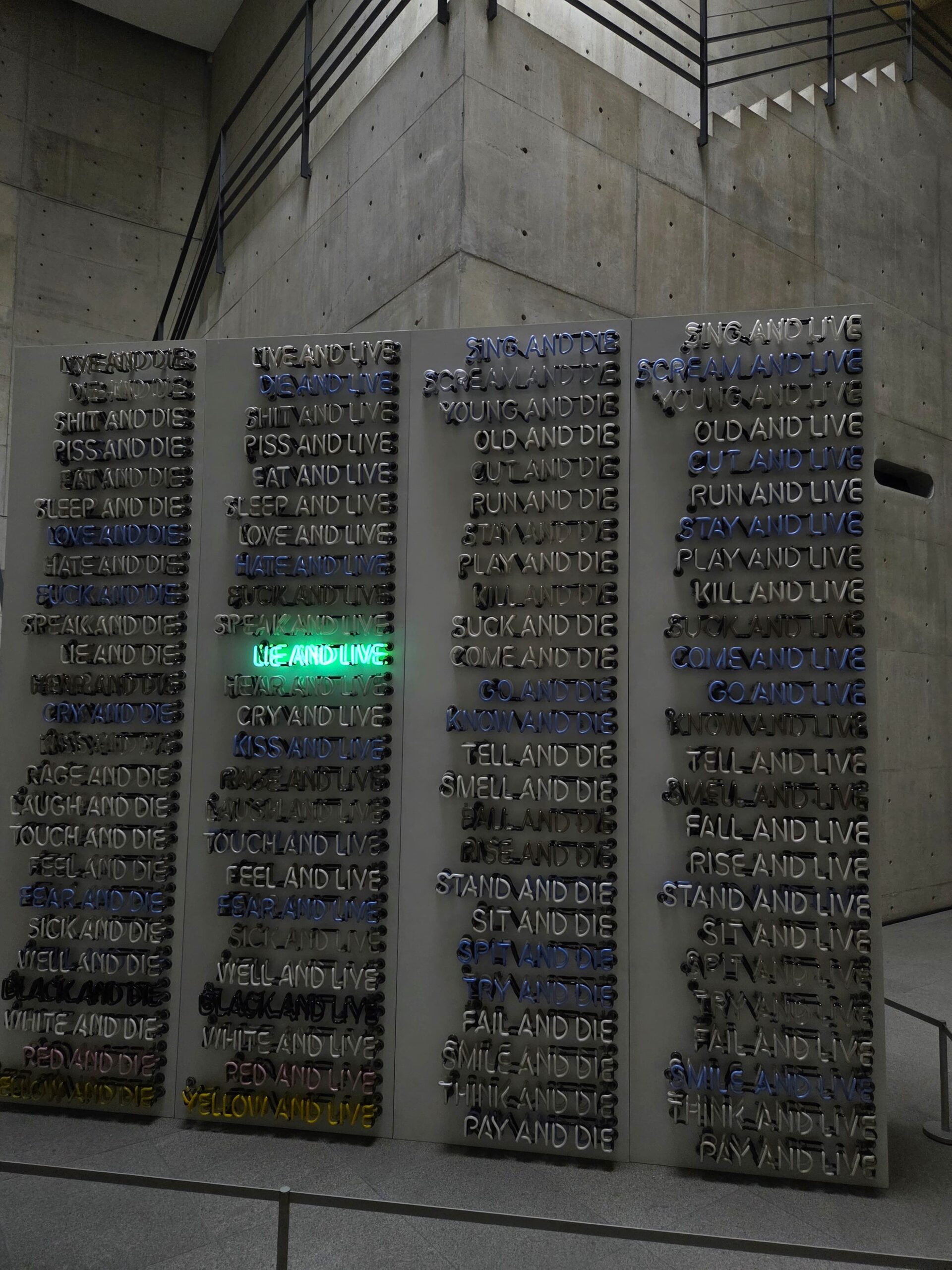
Then I visited Benesse House Museum, the main museum of the island. It hosts so many different art works of different artists and styles.
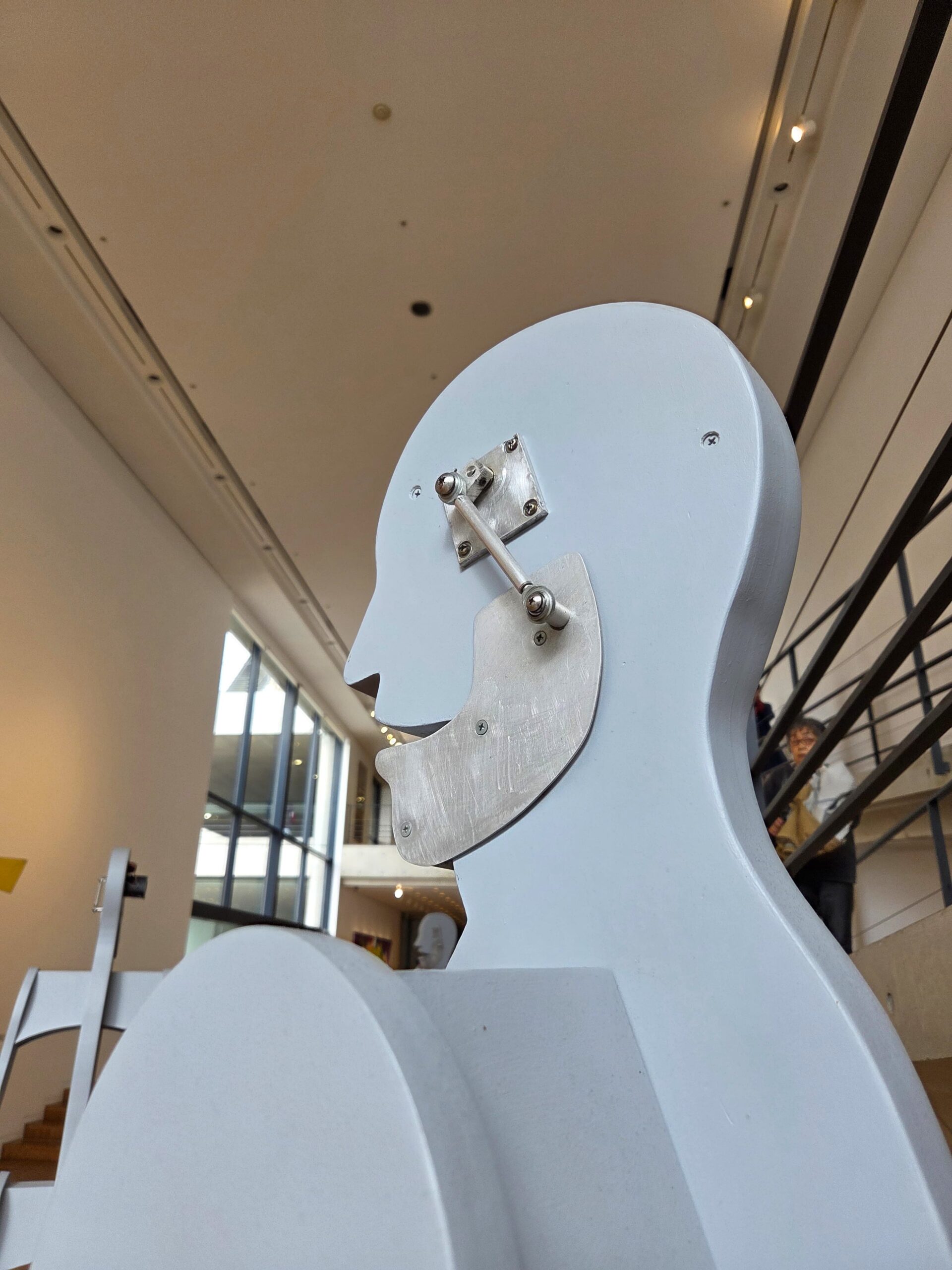
Then another yellow pumpkin, this time with a long queue for photos.
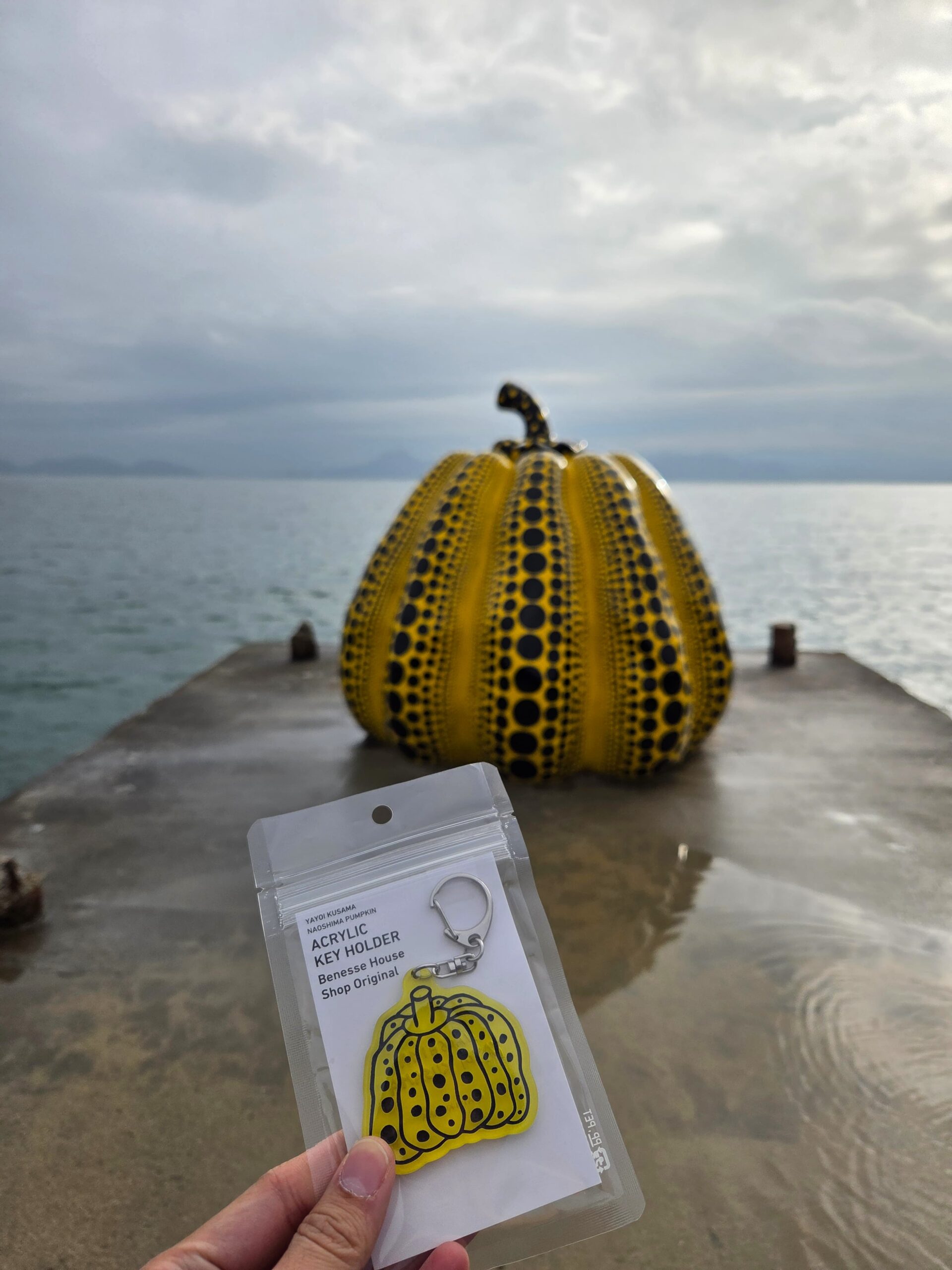
After that, I decided to head back to the port and took a ferry back to Uno at around 4 pm. I was also warned that the 5 pm ferry could be very crowded, that’s why I decided to go slightly earlier.
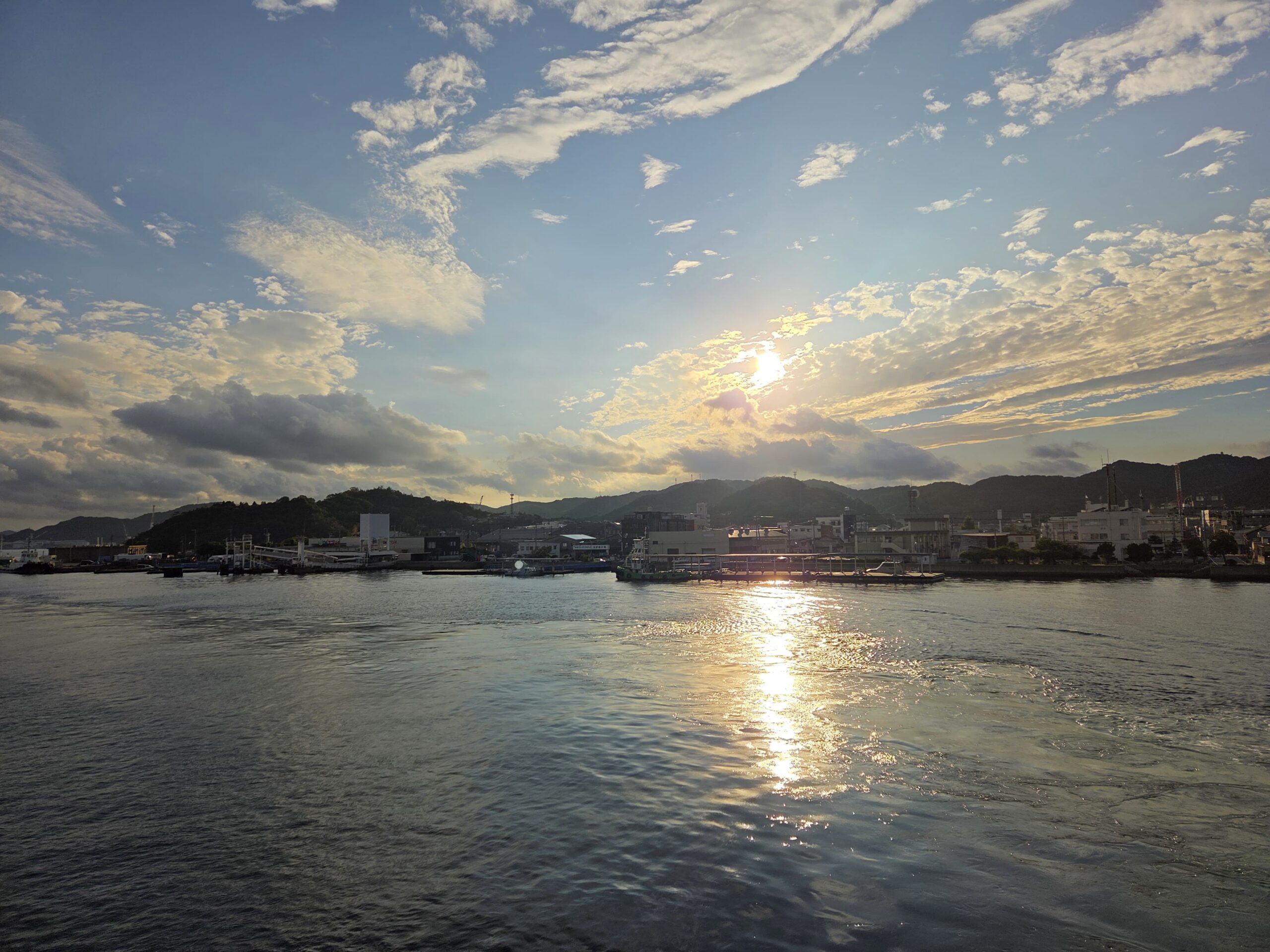
I felt like Naoshima was way too crowded and commercialized for my liking. It was a good place to take many photos, with many of them being Instagrammable. I think if I treat it like a theme park, I would enjoy it since I will plan the visiting route more carefully and book those bookable time slots beforehand.
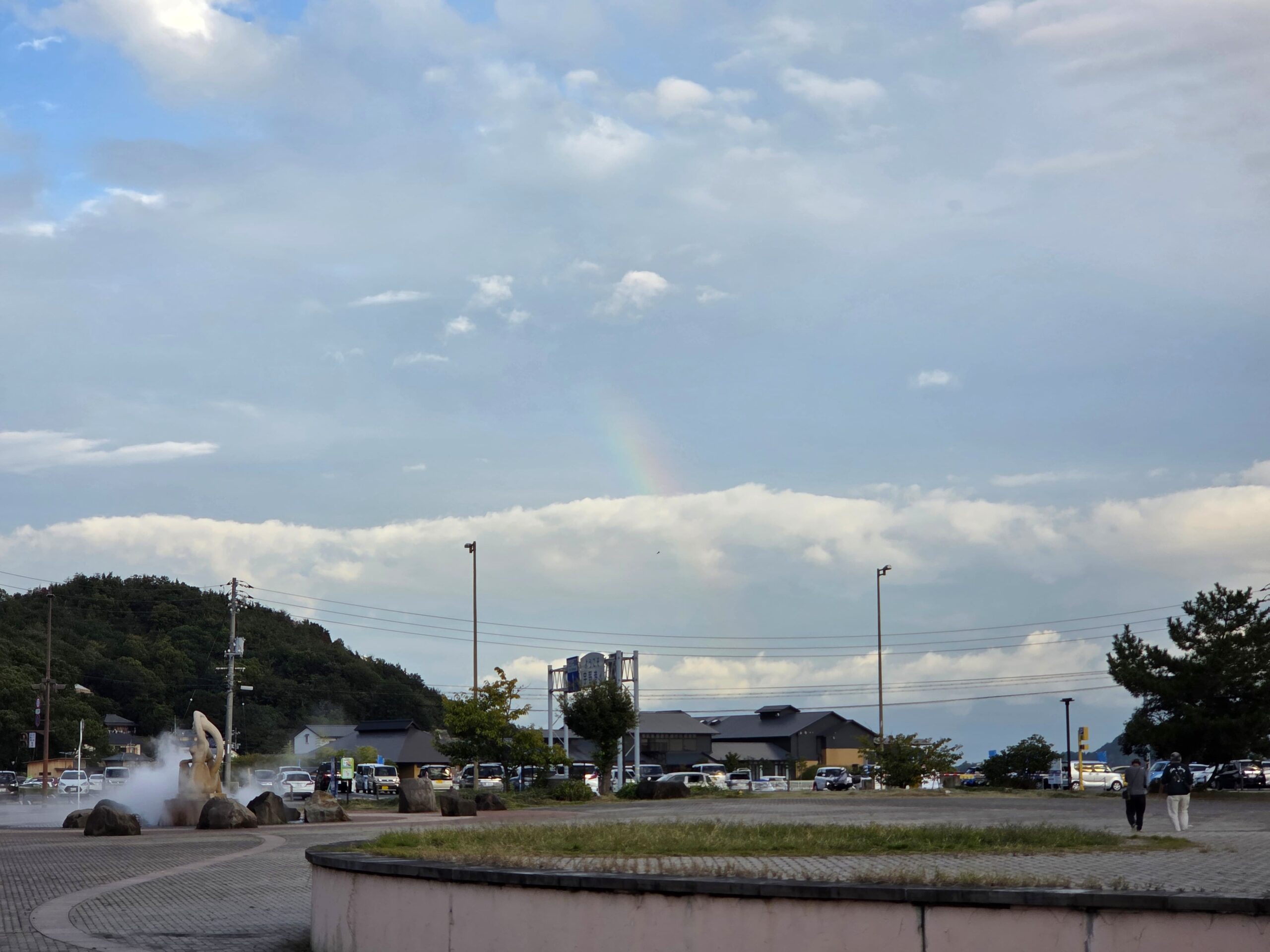
Anyway, back in Uno I was distracted by a distant rainbow in the clouds and missed my train. So I had to wait a bit more for the next train back to Okayama. I had ramen for dinner and then spent my final night at the mall again for a short shopping.
Himeji
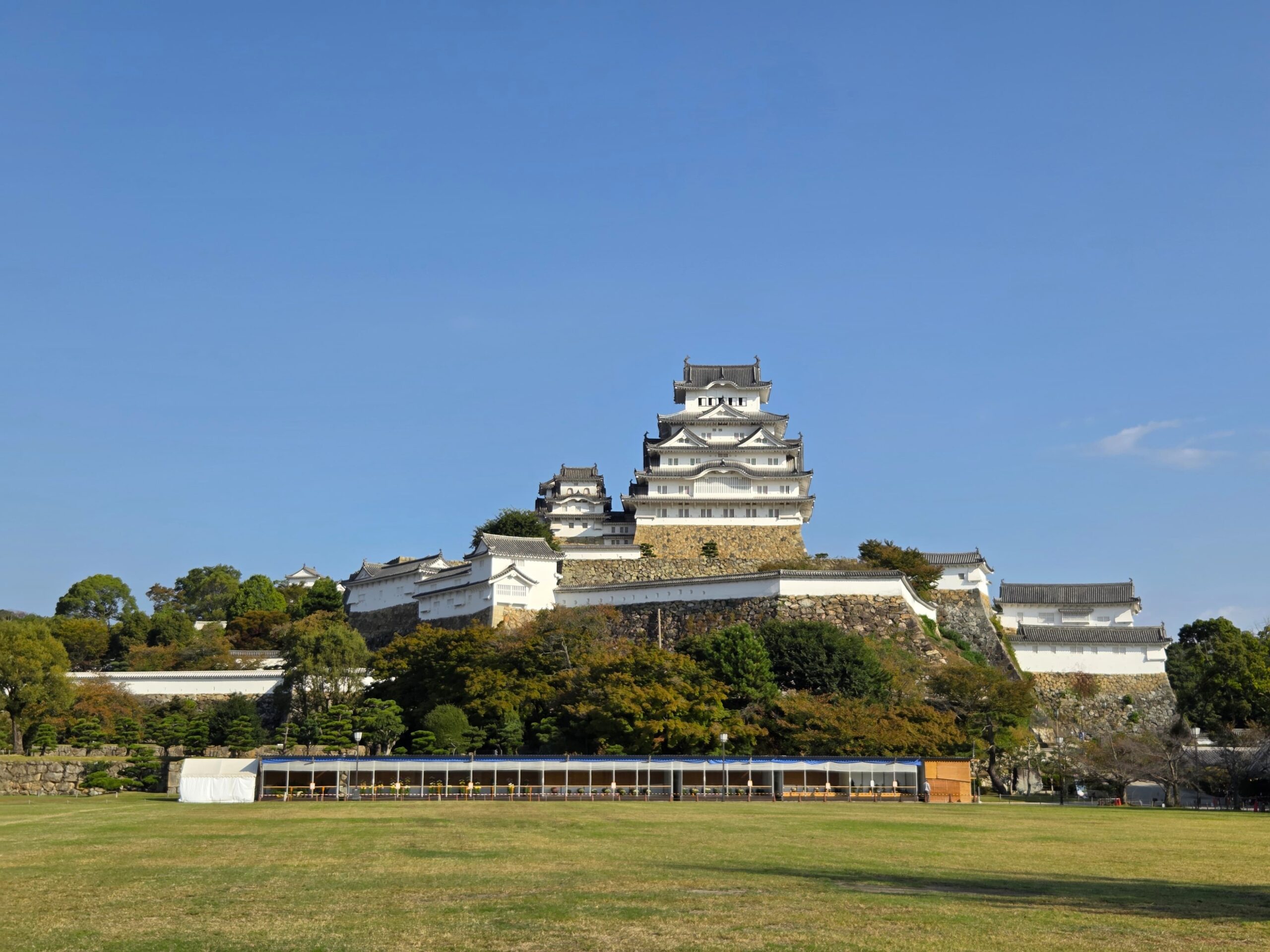
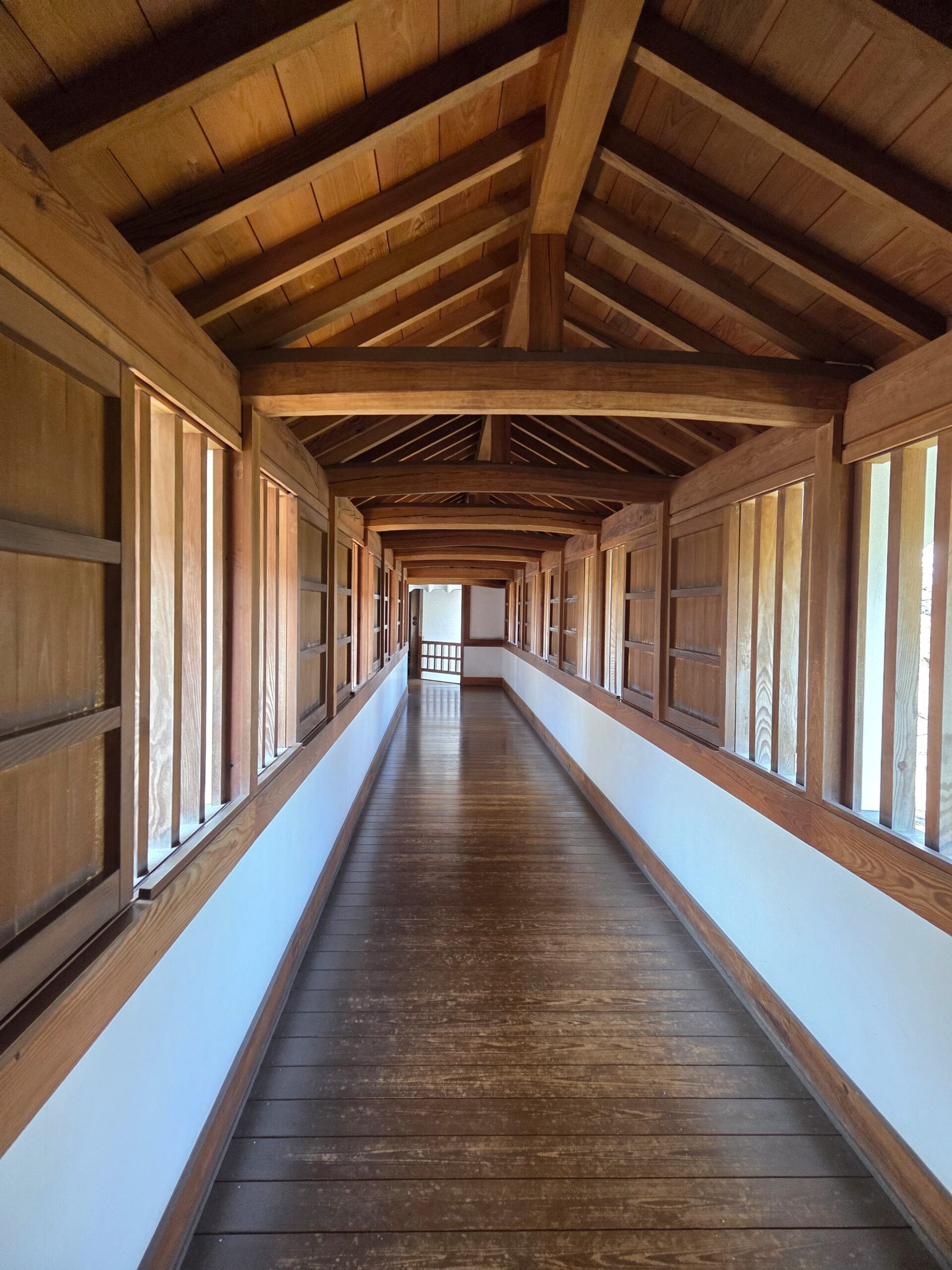
I took the Shinkansen from Okayama to Himeji. With a limited express train, it will be 1.5 hours but with the Shinkansen it was just 19 minutes! When reaching Himeji, I visited the tourist information centre again and spotted the bus-and-ropeway bundle and bought those on the spot. I took a bus to Himeji Castle. I think the castle was very pristine and well maintained and quite original, just like Matsue Castle. I learned that they had a big maintenance project every 50 years to restore the castle’s white exterior. After the main tower, I visited the living quarters and I thought that it was even more interesting since it described the lives of those living there and the story of Princess Sen who lived there in the castle.
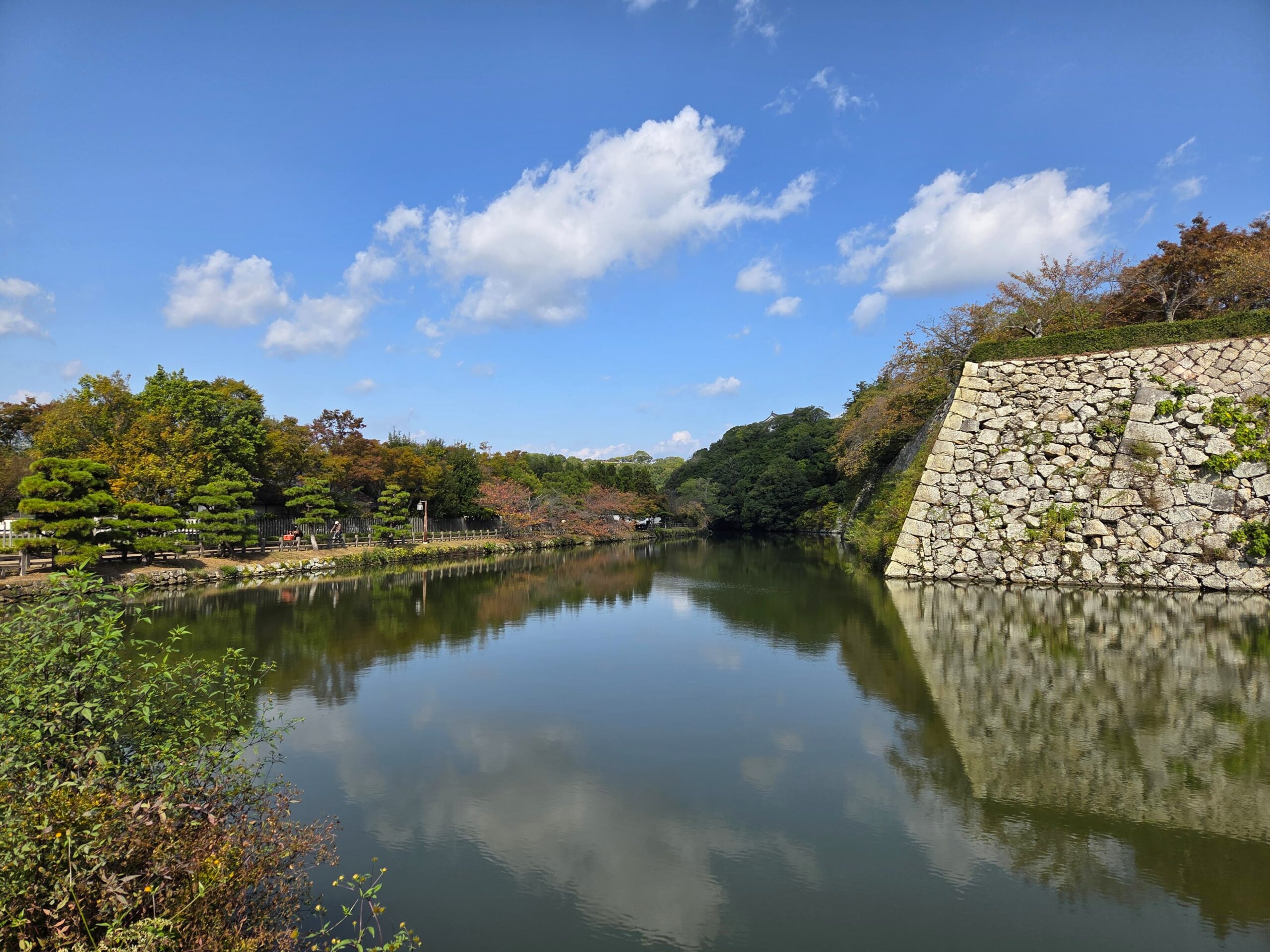
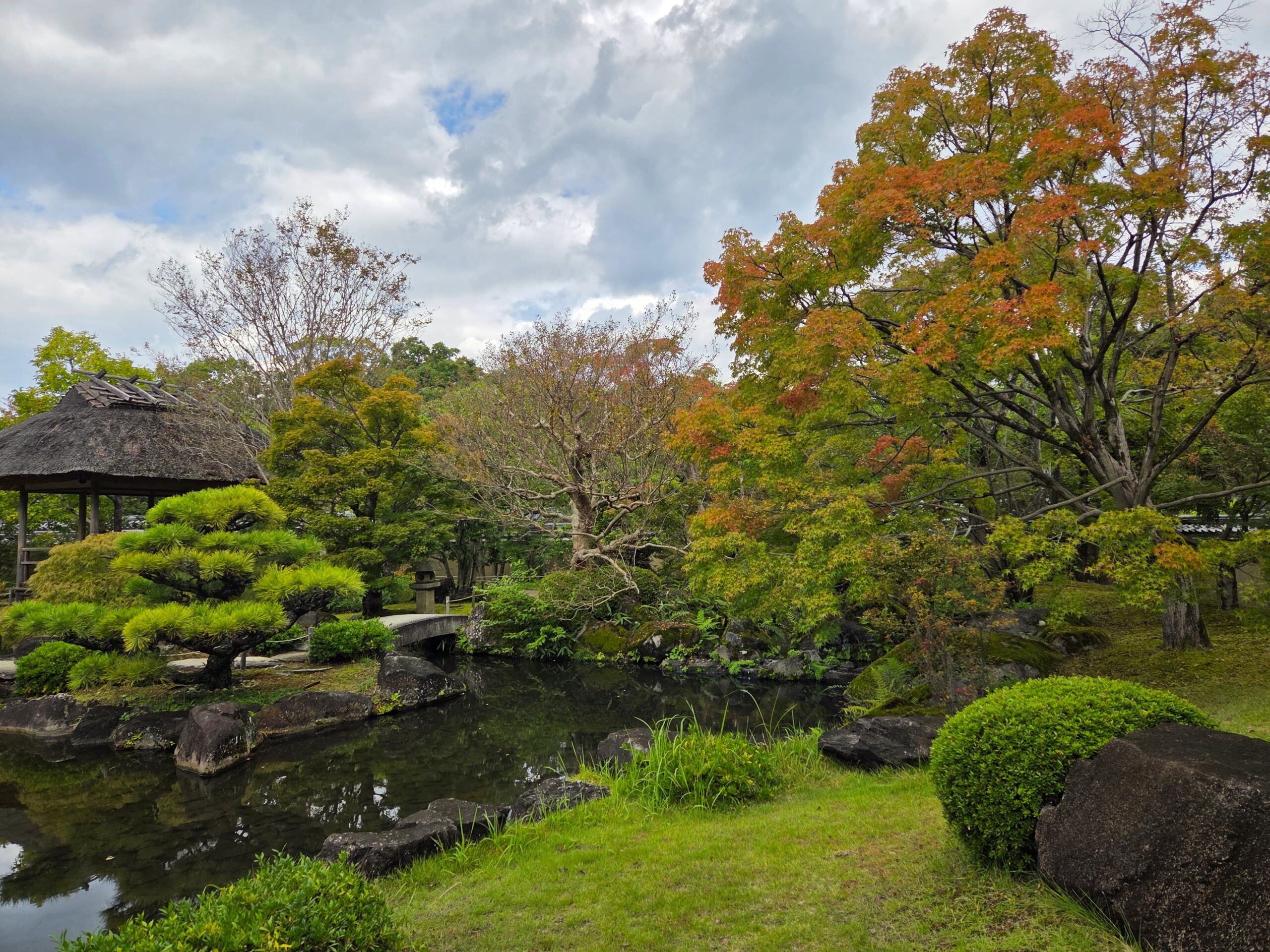
After the castle, I visited the Koko-en garden next door. It was a complex of several Japanese gardens showcasing several themes in each garden.

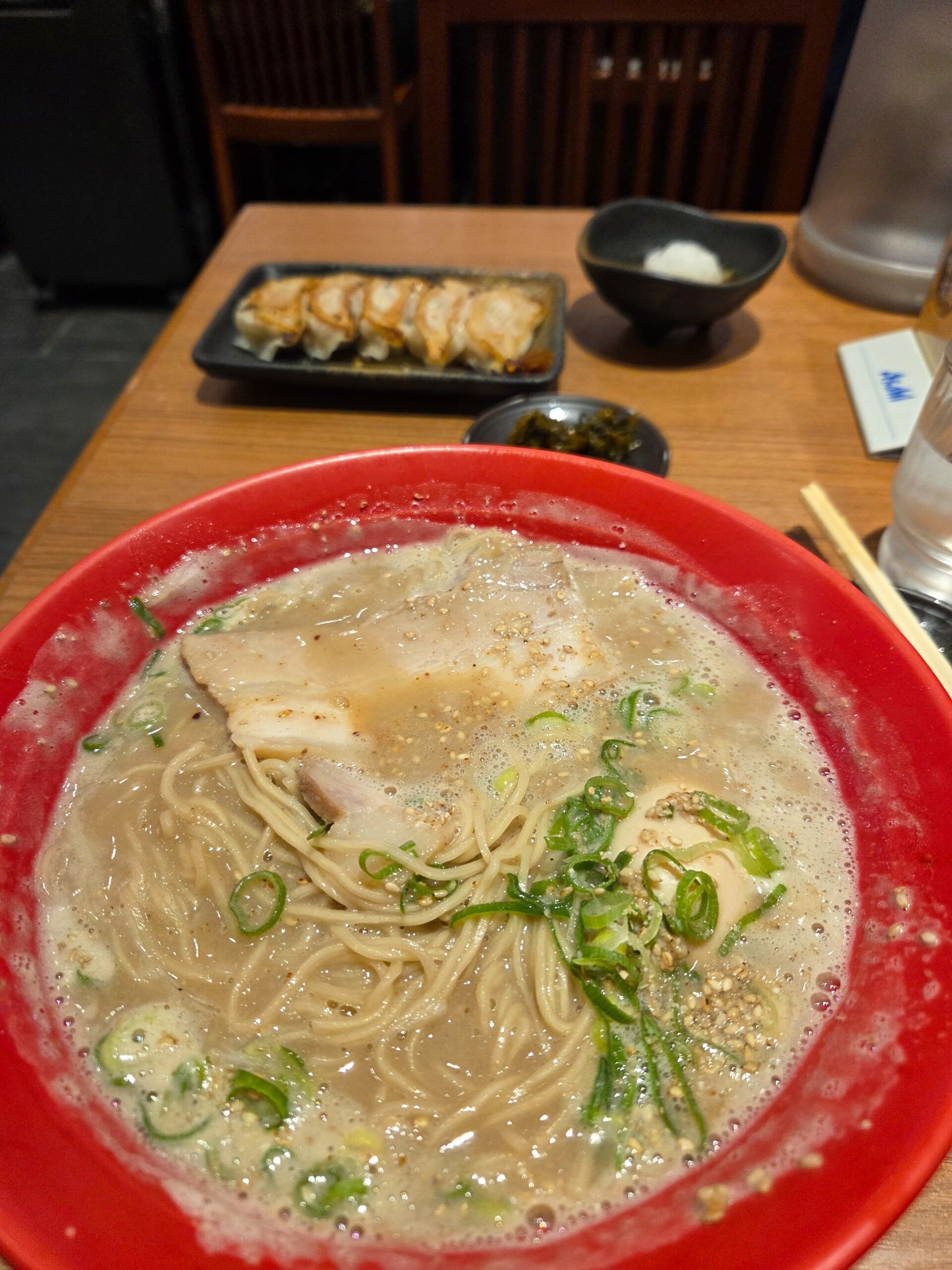
I went back to Himeji station and tried to queue for sushi which has a high rating but apparently there were already 18 groups in front of the shop. So I gave up and had ramen nearby, which turned out pretty good.
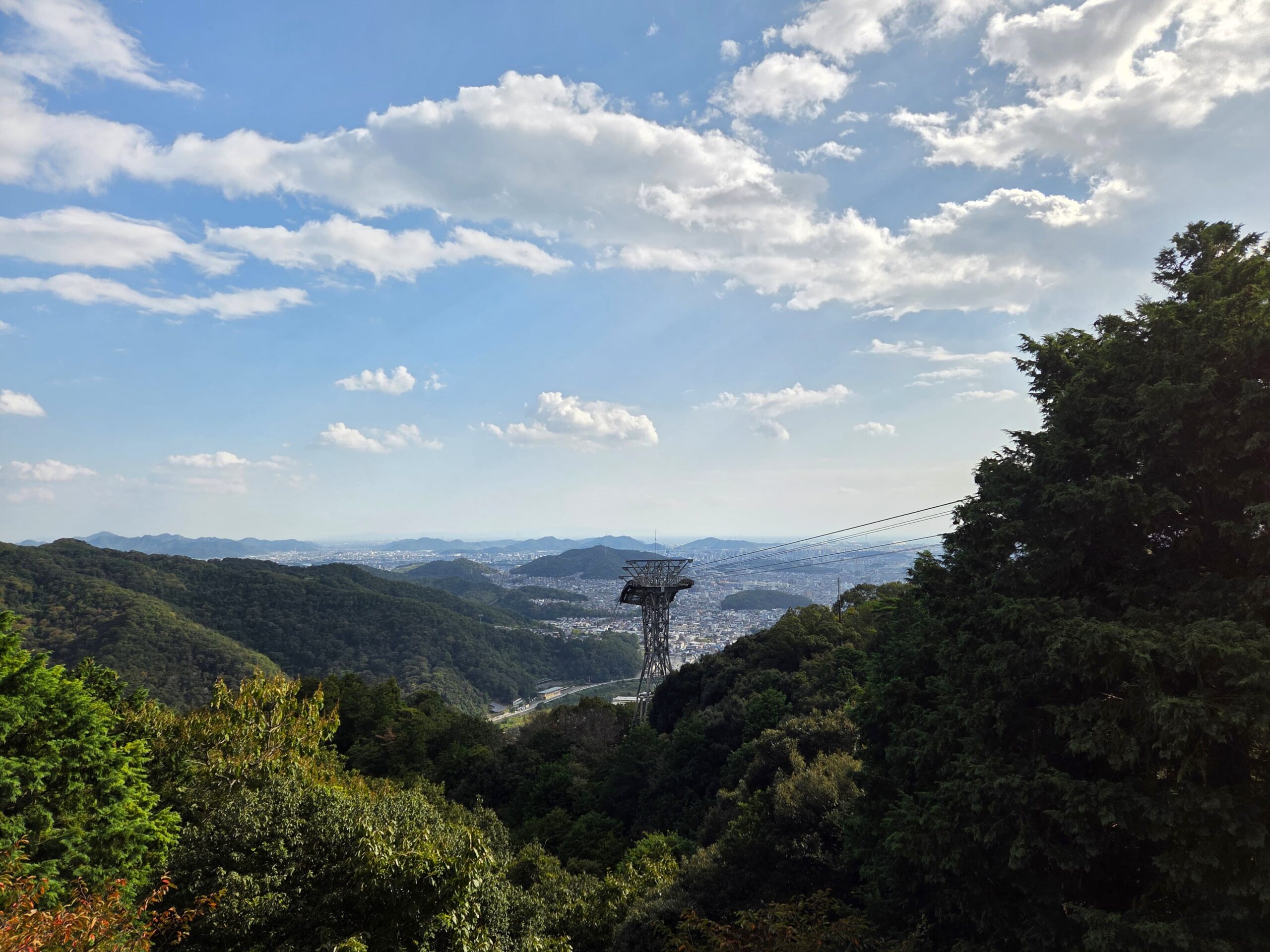
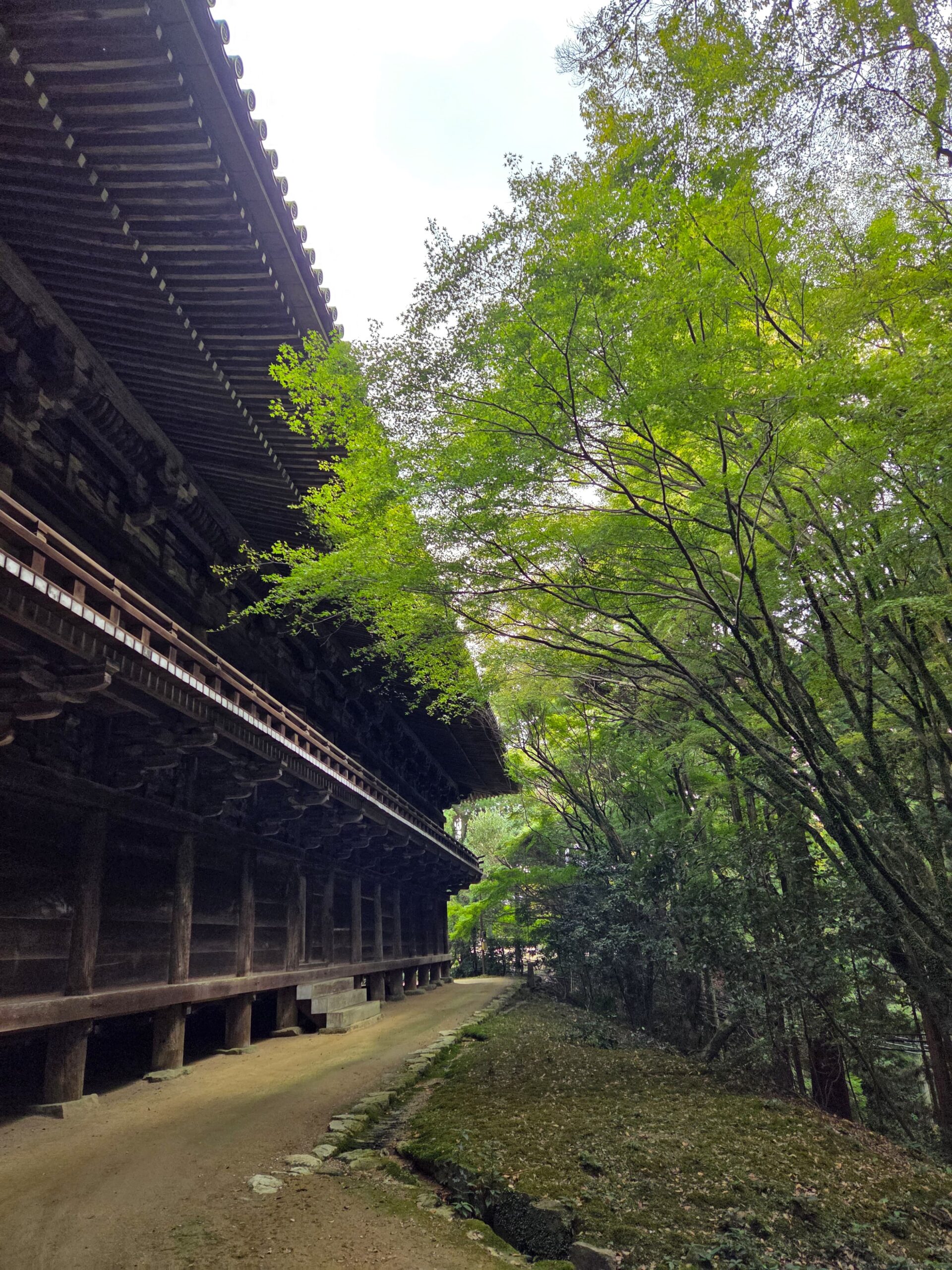
In the afternoon, I took the bus again to take the Mount Shosha Ropeway to visit Engyo-ji Temple. The temple complex is really huge. It felt like Kyoto’s Kiyomizudera, but much larger. It was said that if one were to hike and explore the buildings one by one it will take 2 hours. I paid for the shuttle bus service to bring me to the main building, since I felt like I didn’t have enough time anymore to slowly explore.
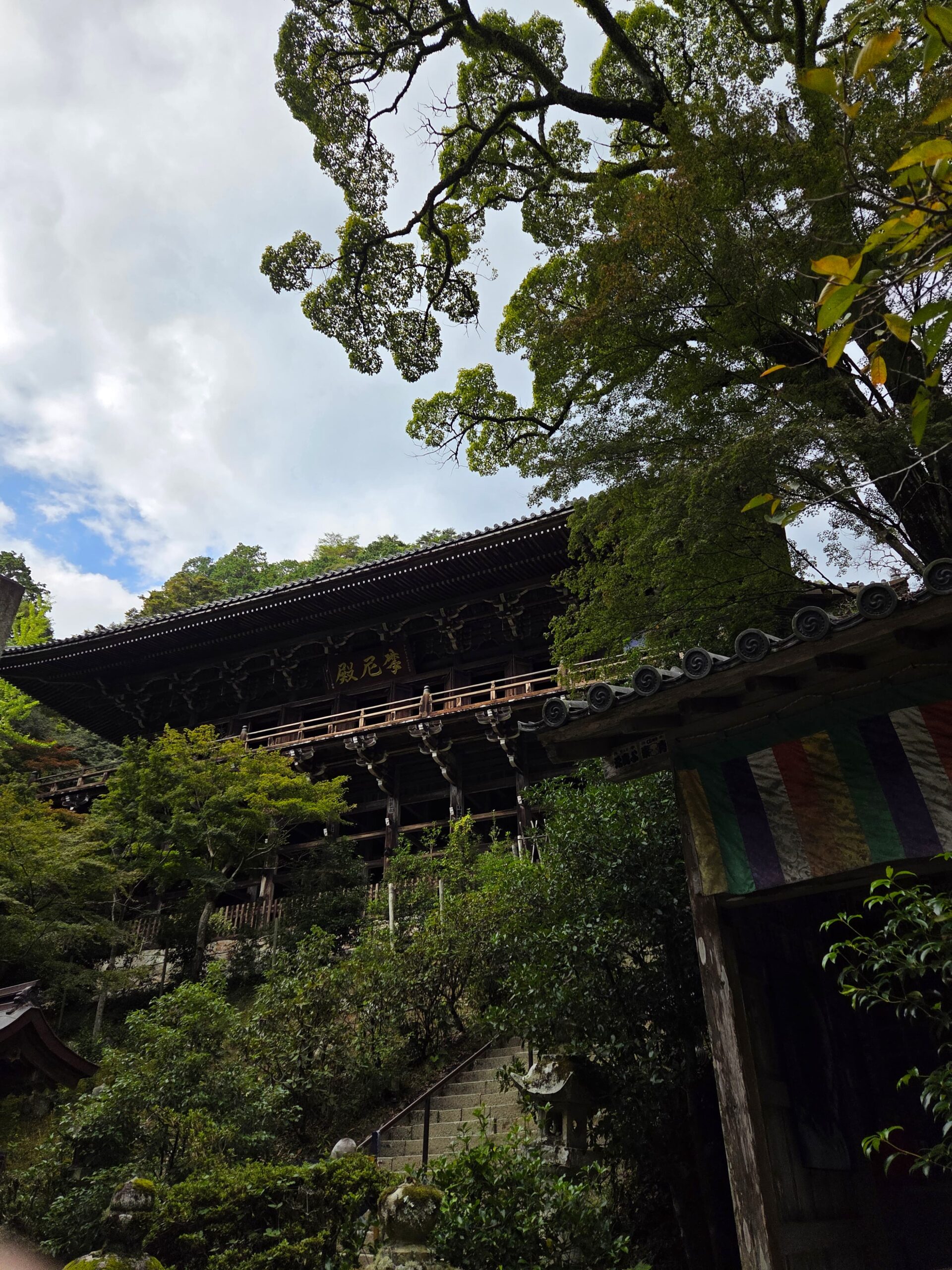
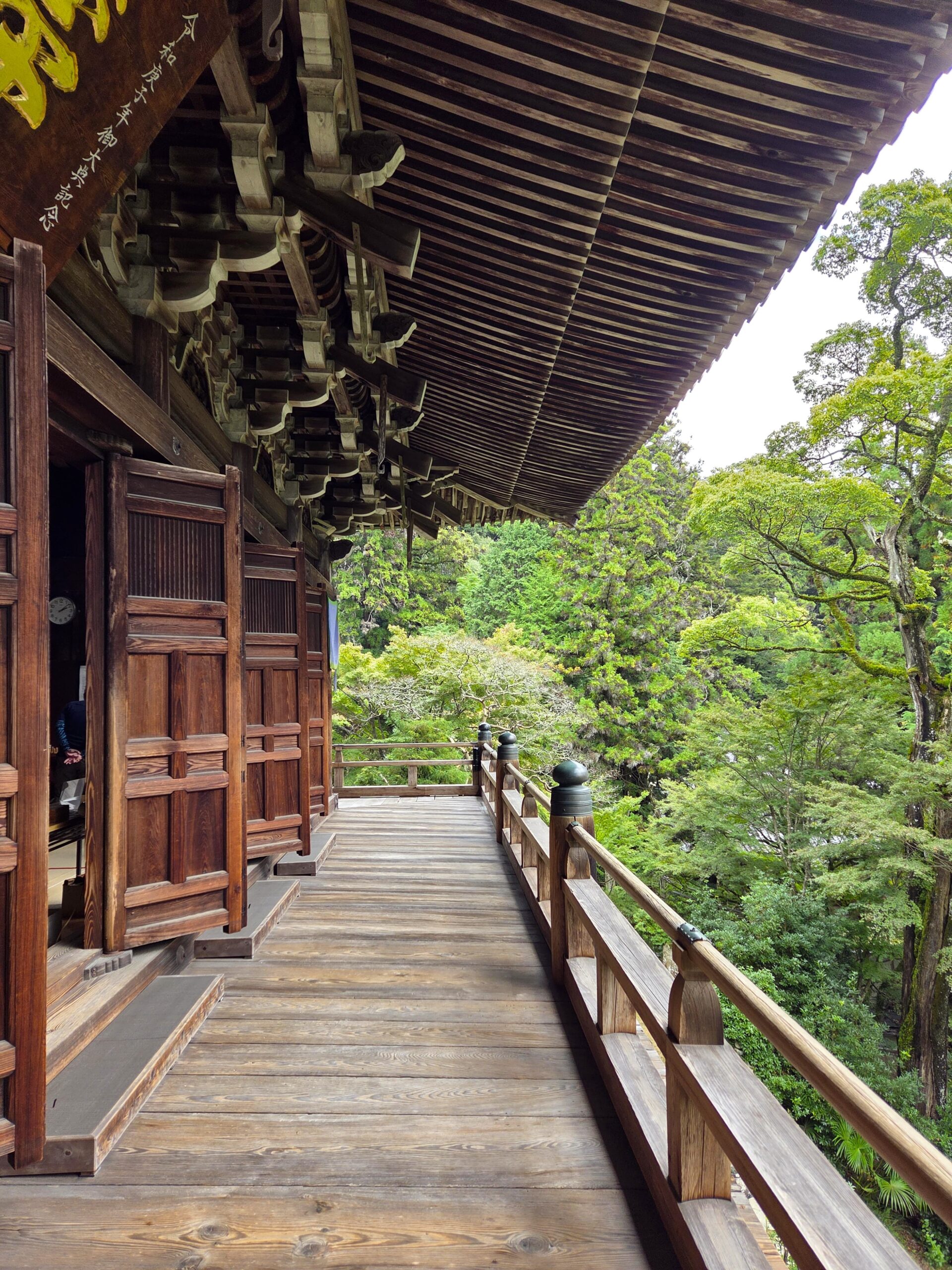
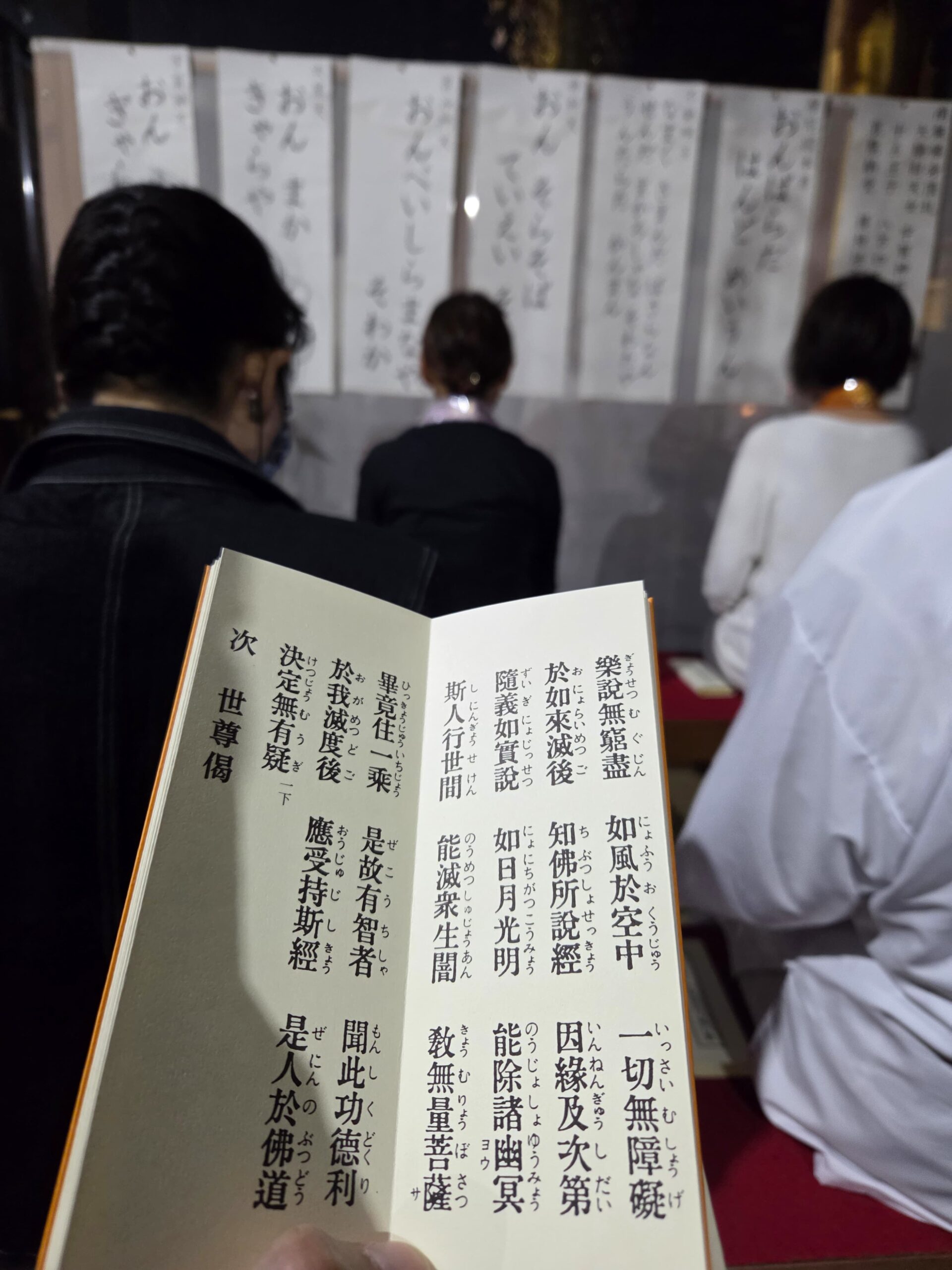
The temple itself was still functioning well as a temple, even though occasionally there were tourists visiting. During my visit, a chanting ceremony started and since I peeked, one of the monks invited me in and I decided to try and join in the chanting. Growing up in my hometown, I have joined my parents a number of times in chanting ceremonies. While my experience was in Mandarin, this time it was in Japanese. I found it was much more difficult, even though the sūtra are all written in kanji and each kanji character has furigana reading on top. Some phrases do feel similar to Mandarin, like ‘nam bu’ roughly resembles ‘na mo’. However, sometimes one kanji word has two syllables (like ‘shiki’), and I wasn’t very proficient yet in sight-reading Japanese, even if it’s hiragana. I had no idea of what sūtra I was reciting, but after researching when writing this post, I determined that it was part of the Lotus Sutra. After several minutes, I decided to stop, thank the monk that invited me, and excused myself.
After that, I started to slowly visit the temple complex one by one. I visited the big hall behind and it was there that they mentioned the setting of the movie “The Last Samurai” was taken, which made this temple quite famous. However that building now only hosts tables for calligraphy practice, and the 2nd level for exhibiting statues and other artefacts.
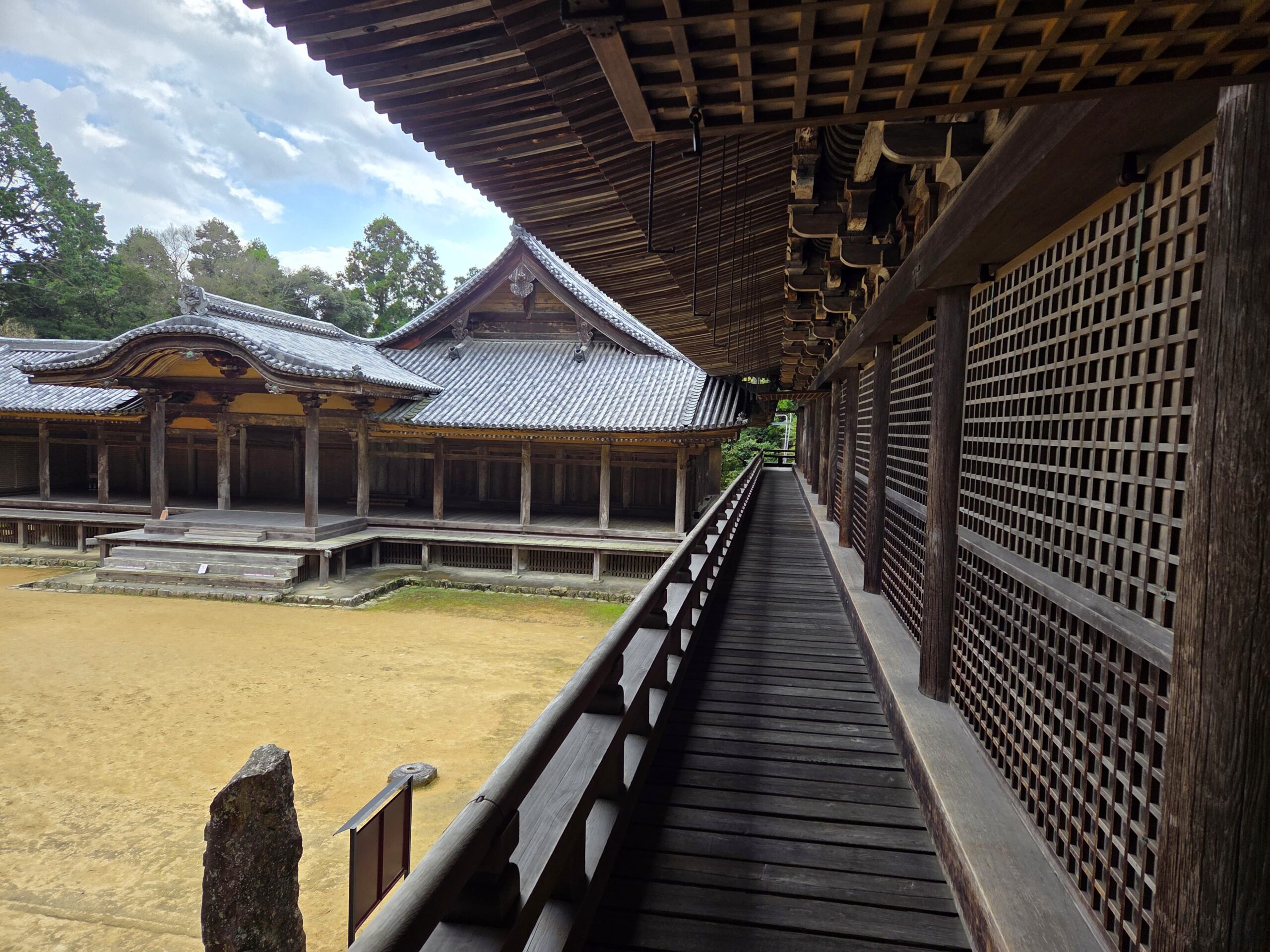
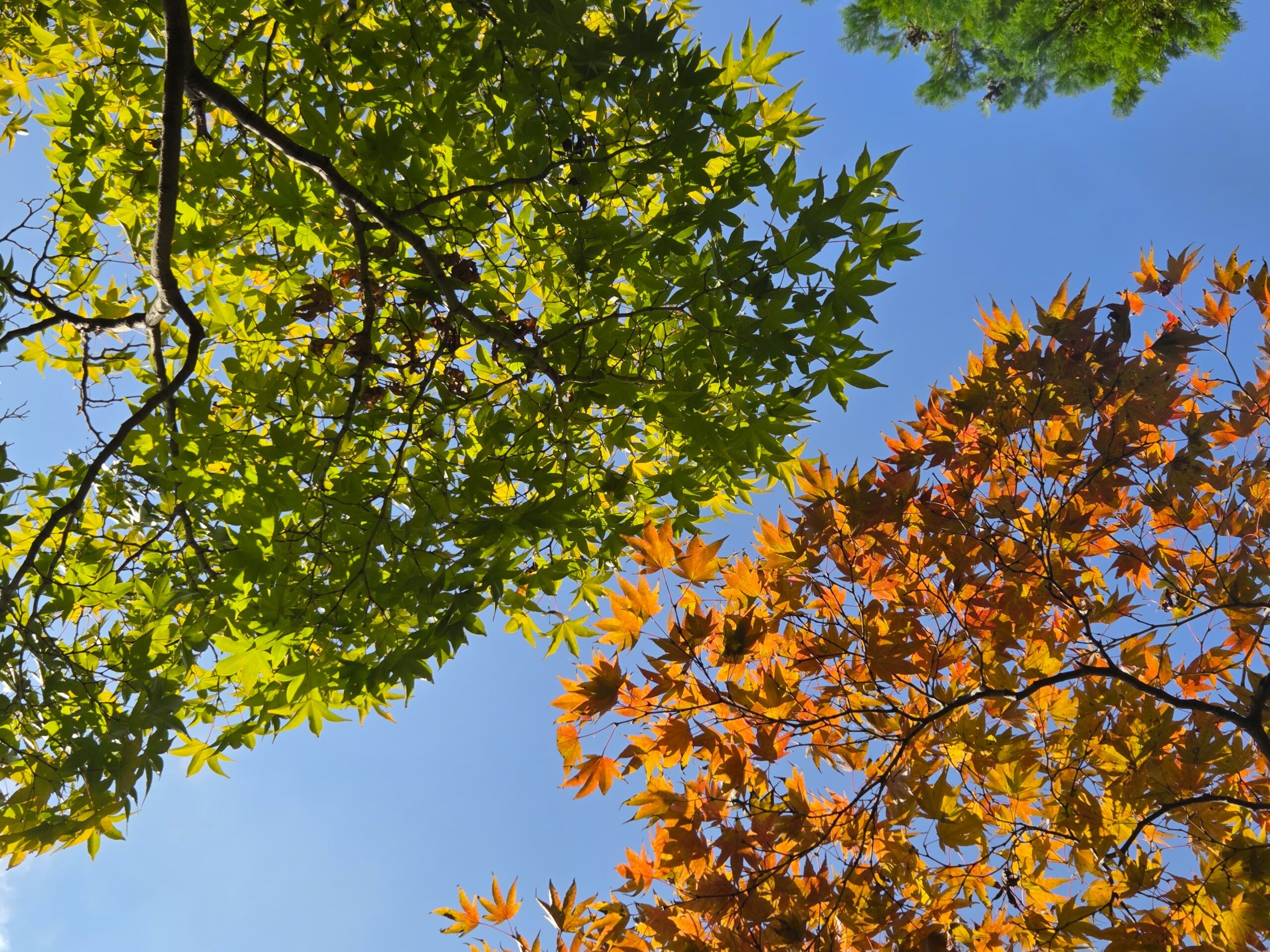
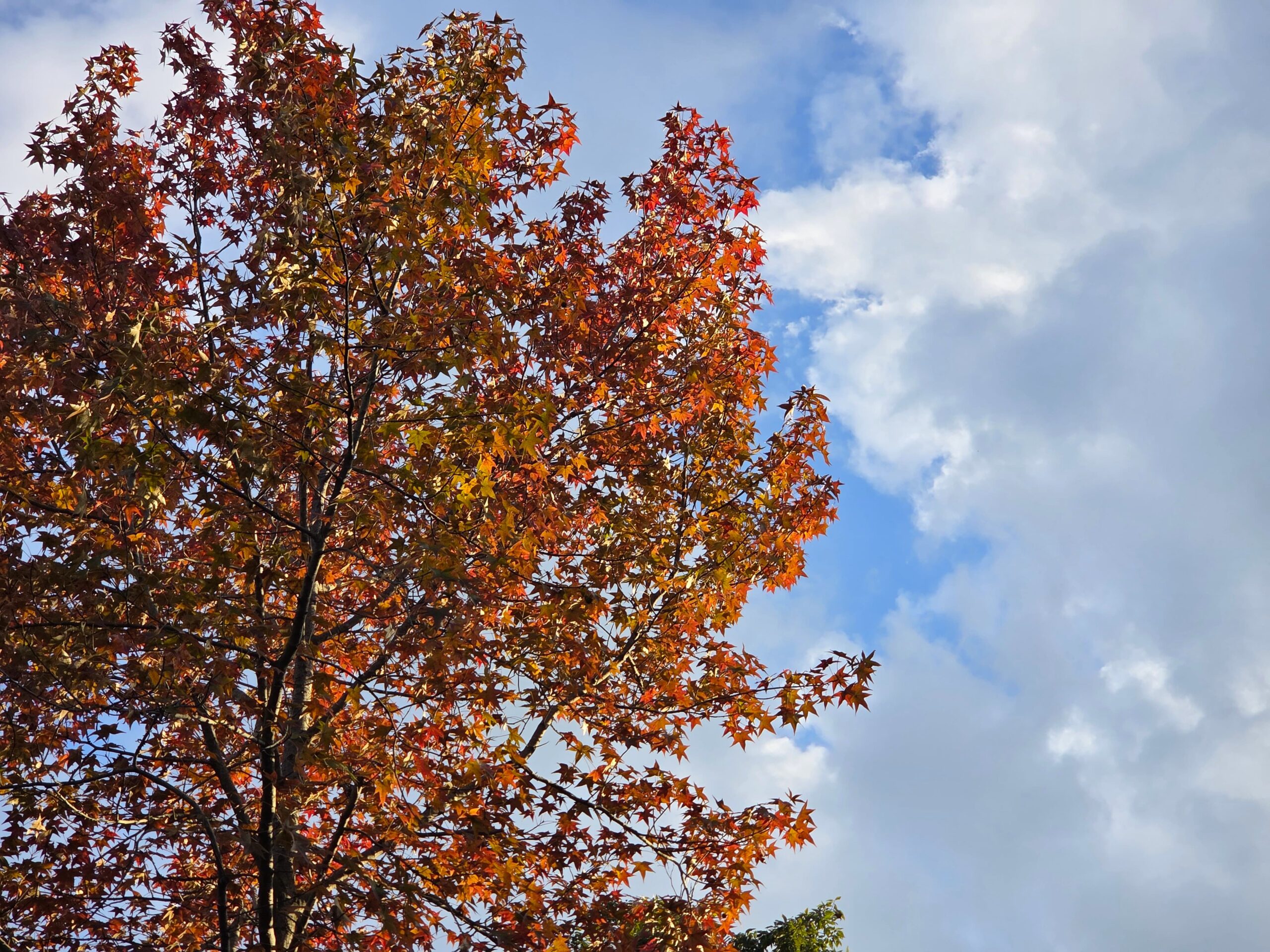
Next, I walked around a bit before deciding to head back to the bus point which brings me back to the main entrance. There I spotted one or two trees with full autumn leaves. It was really pretty. I could imagine that this temple will be pretty crowded when all the trees are in full autumn mode.

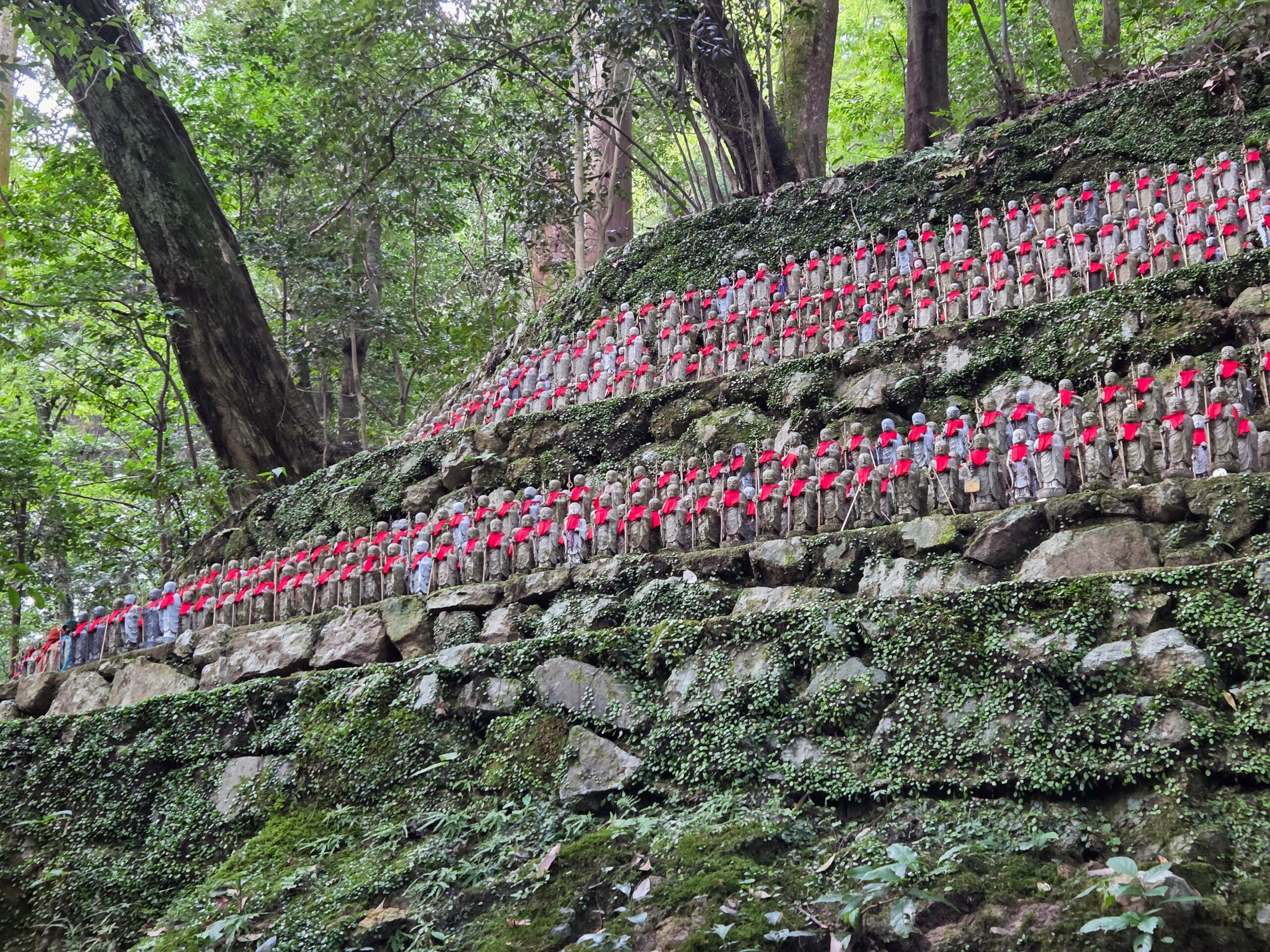
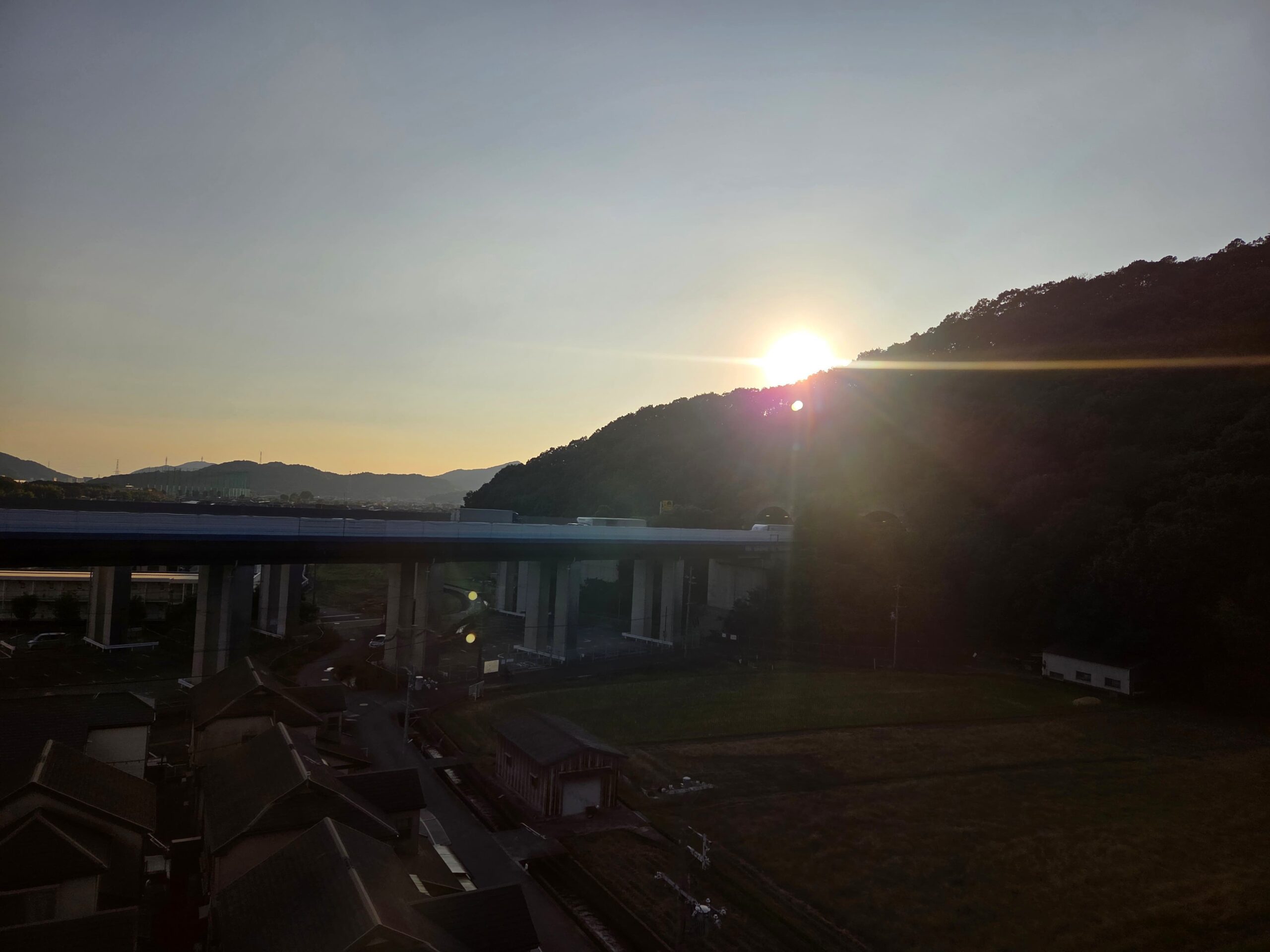
I headed back down and back to Himeji Station. Since I still have some time to kill, I decided to walk along the shopping street and browse the shops. After some time, I decided to try again for the sushi place and indeed it was a good decision: there was no queue around 5:45 pm and the sushi set I ordered was really fatty and good. I think it was the best sushi I ever had so far.
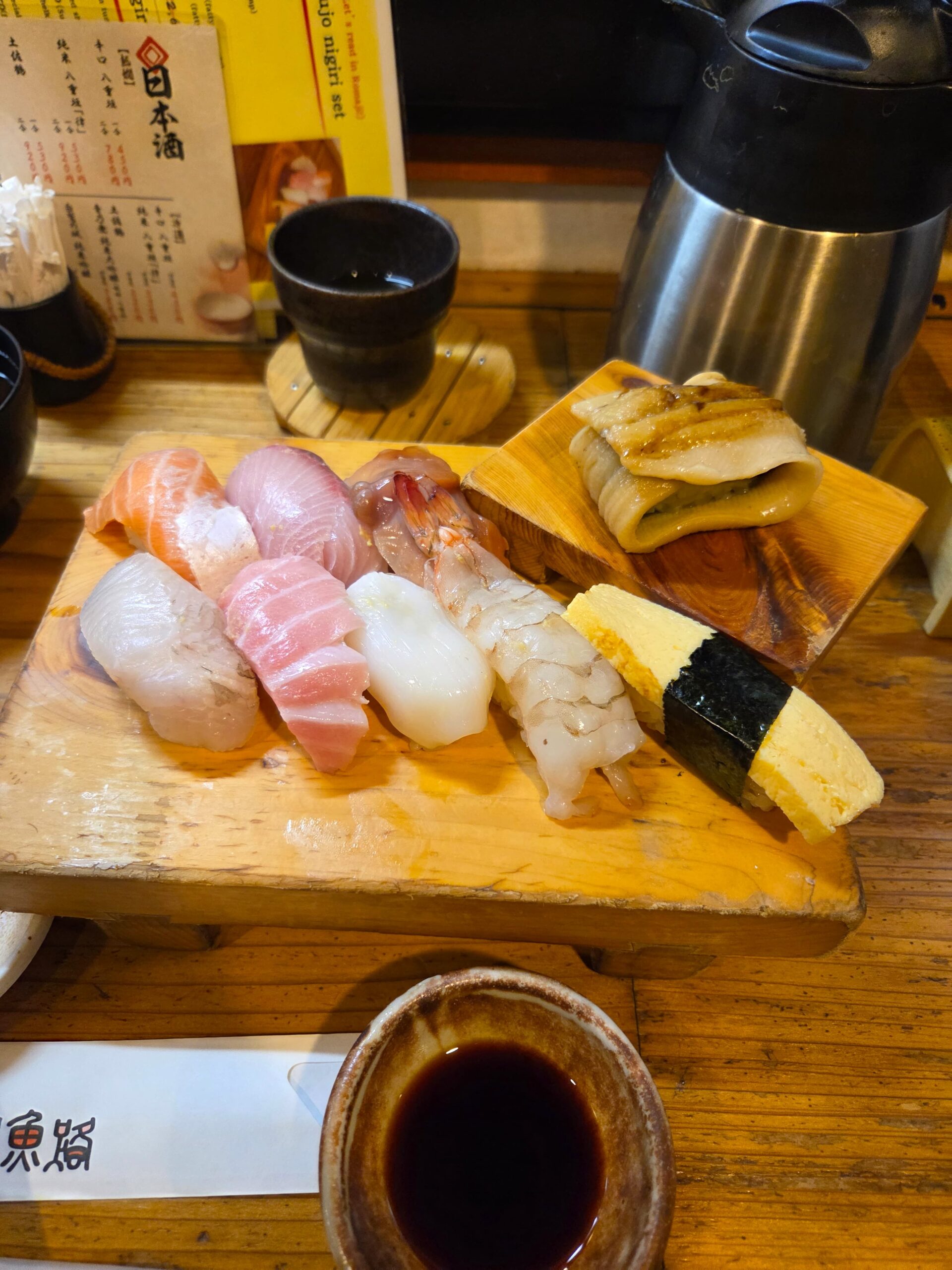
I ended the day taking a train to Kobe for my accommodation.
Kobe
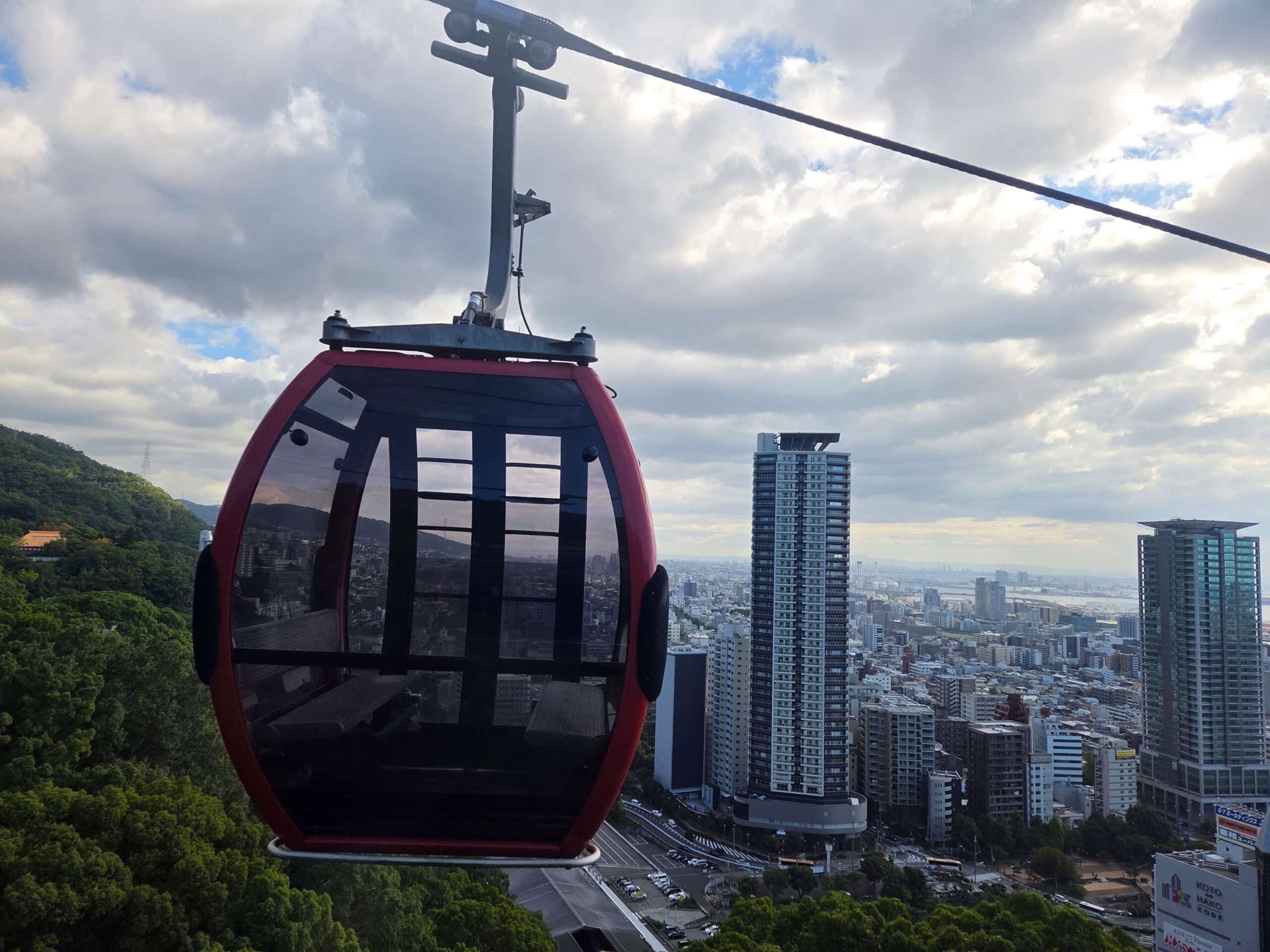
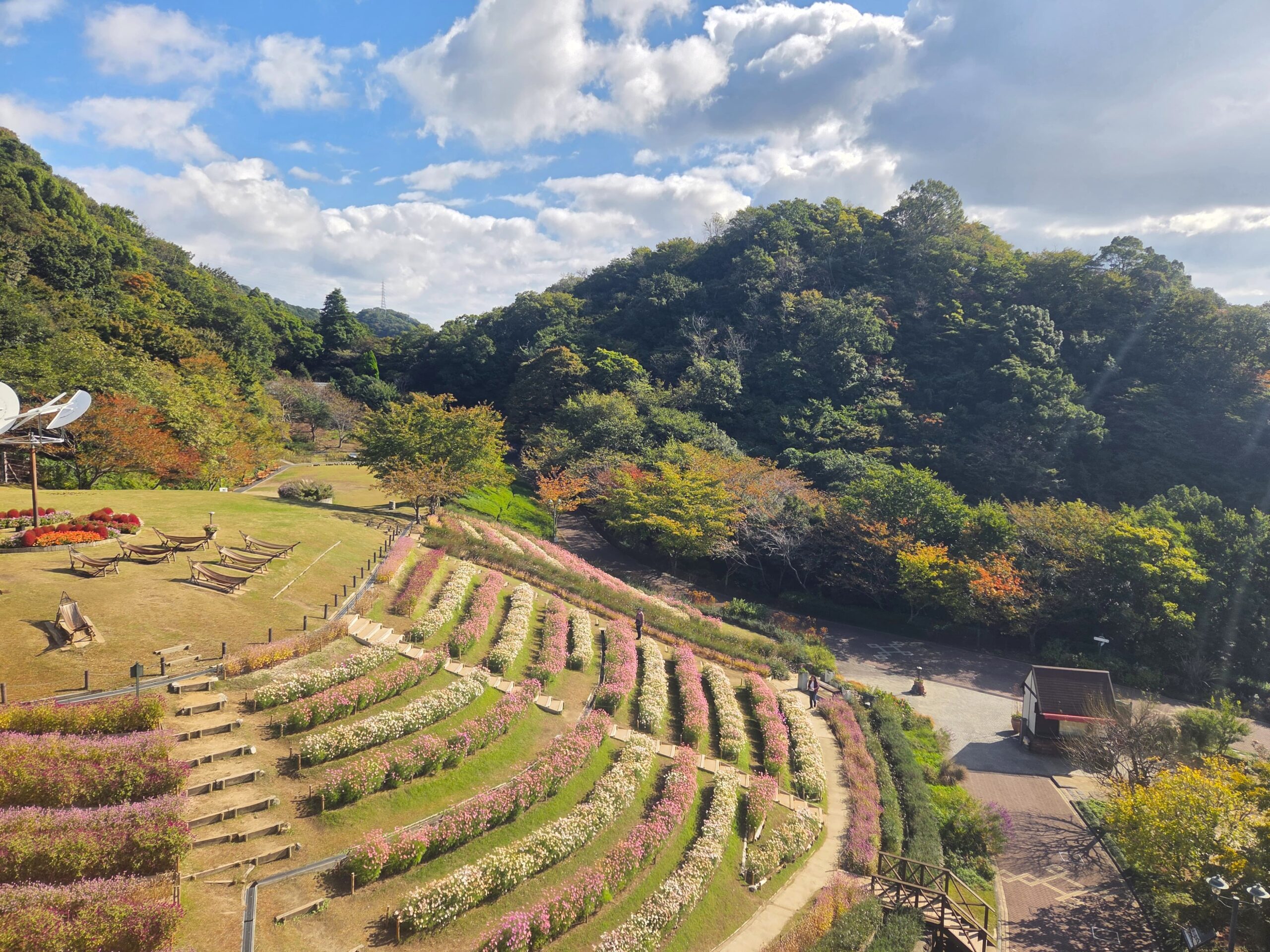
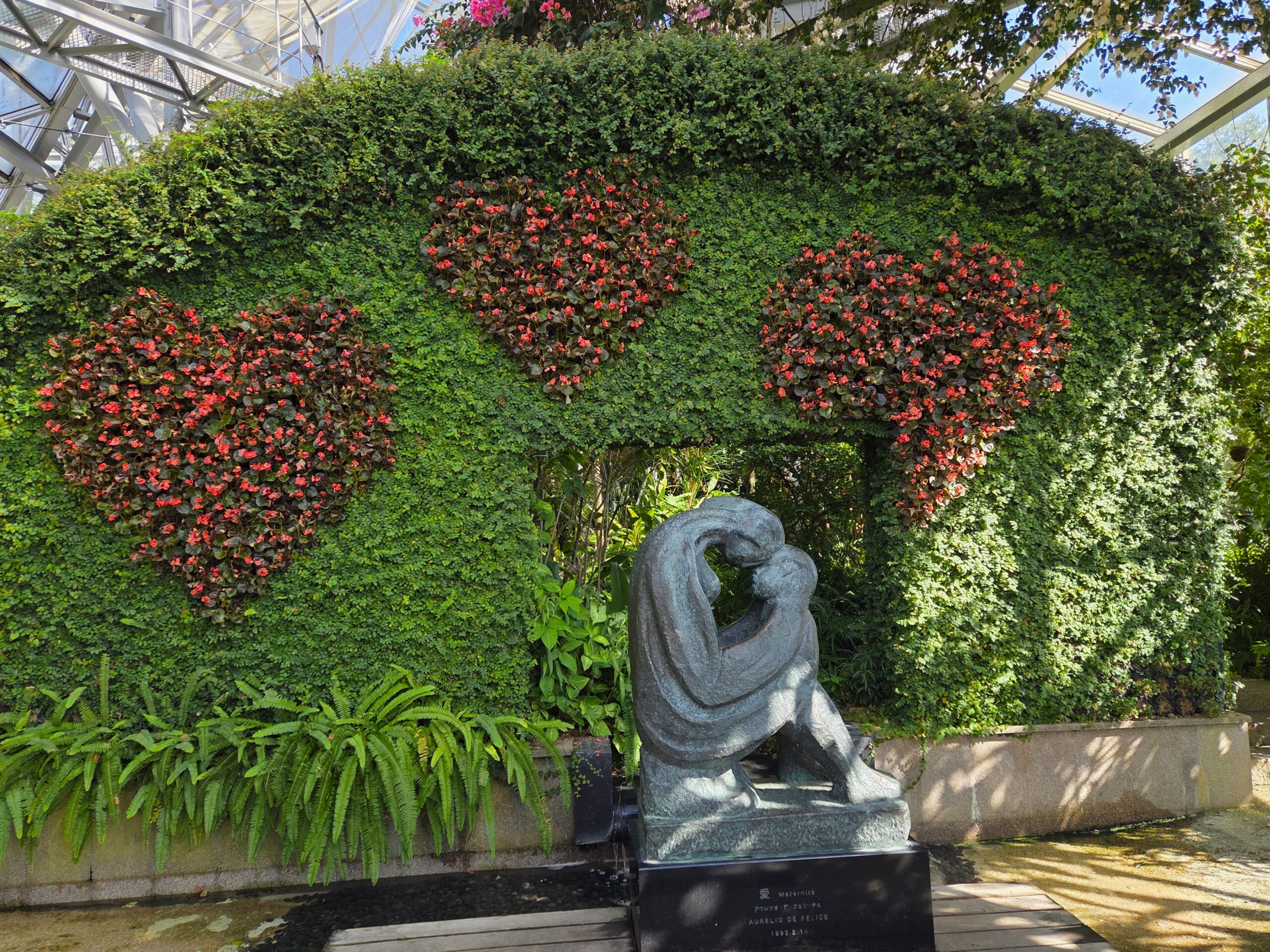
My first day in Kobe was mainly spent in the mountains. I started the day taking the ropeway up to Nunobiki Herb Garden and explored the garden. While it features various herbs, the garden was mostly a normal garden with different flowers and attractions. I think it is a good place to relax for the whole day too, as I saw some kindergartens having a school trip here.
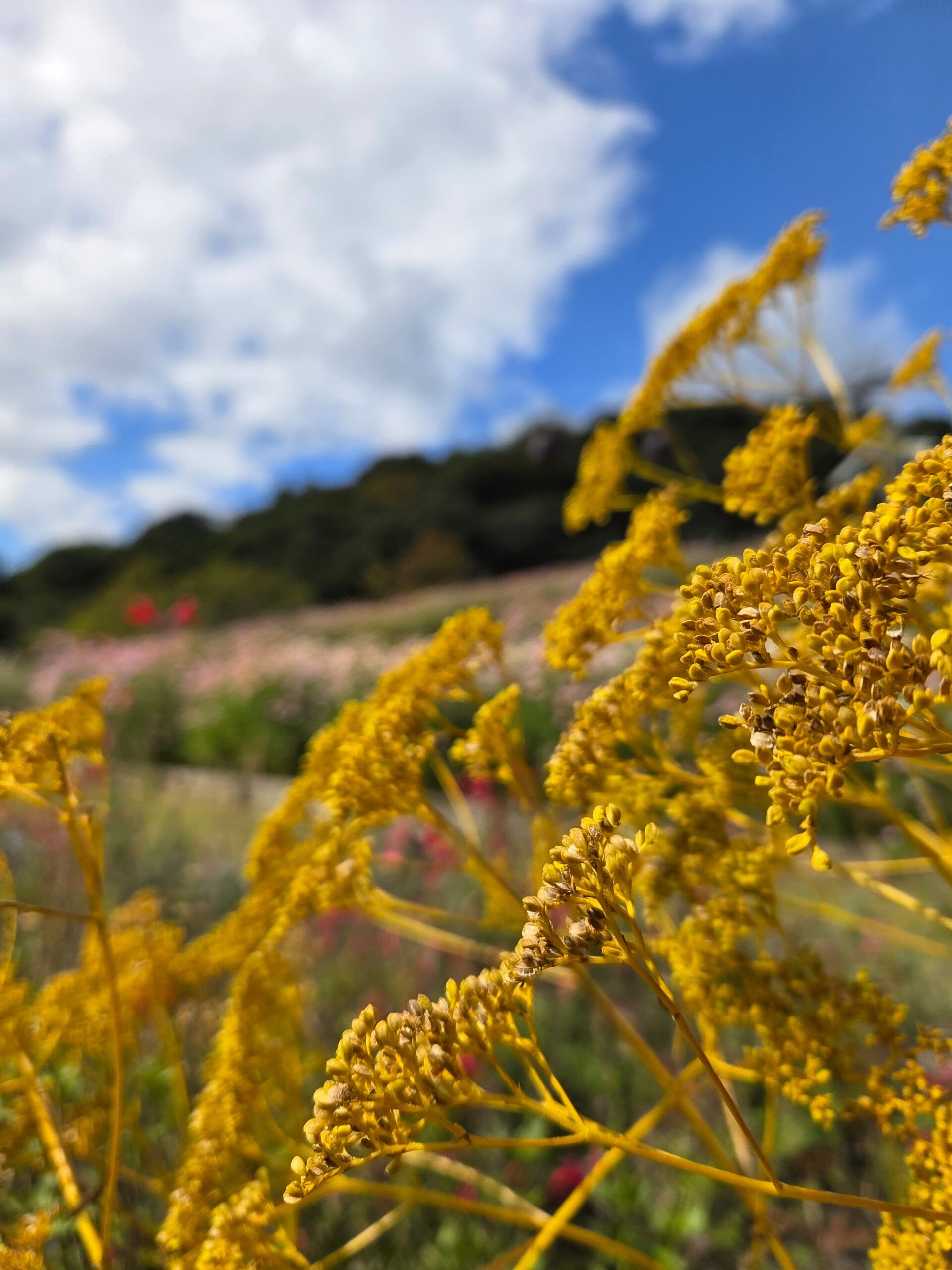
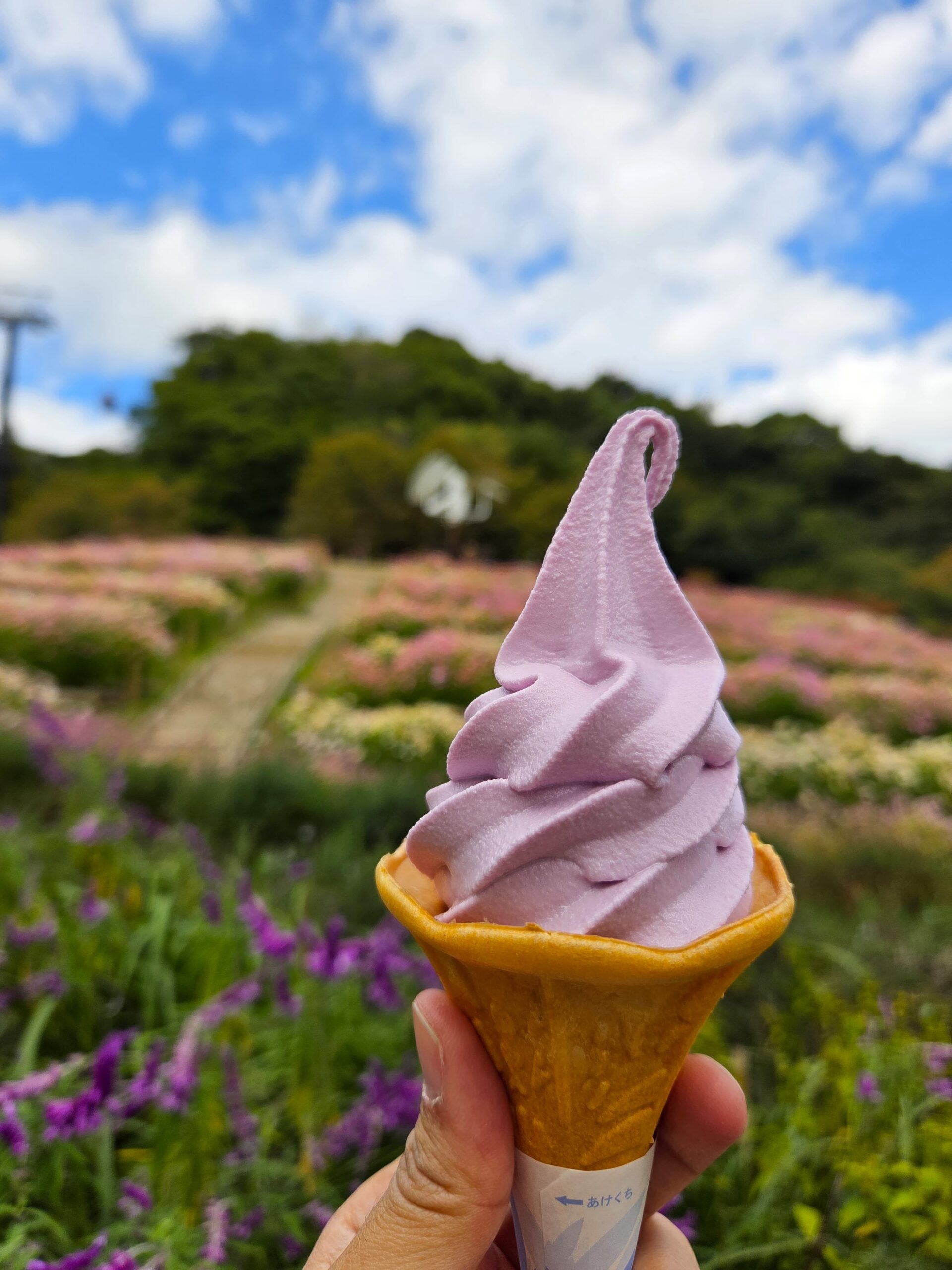
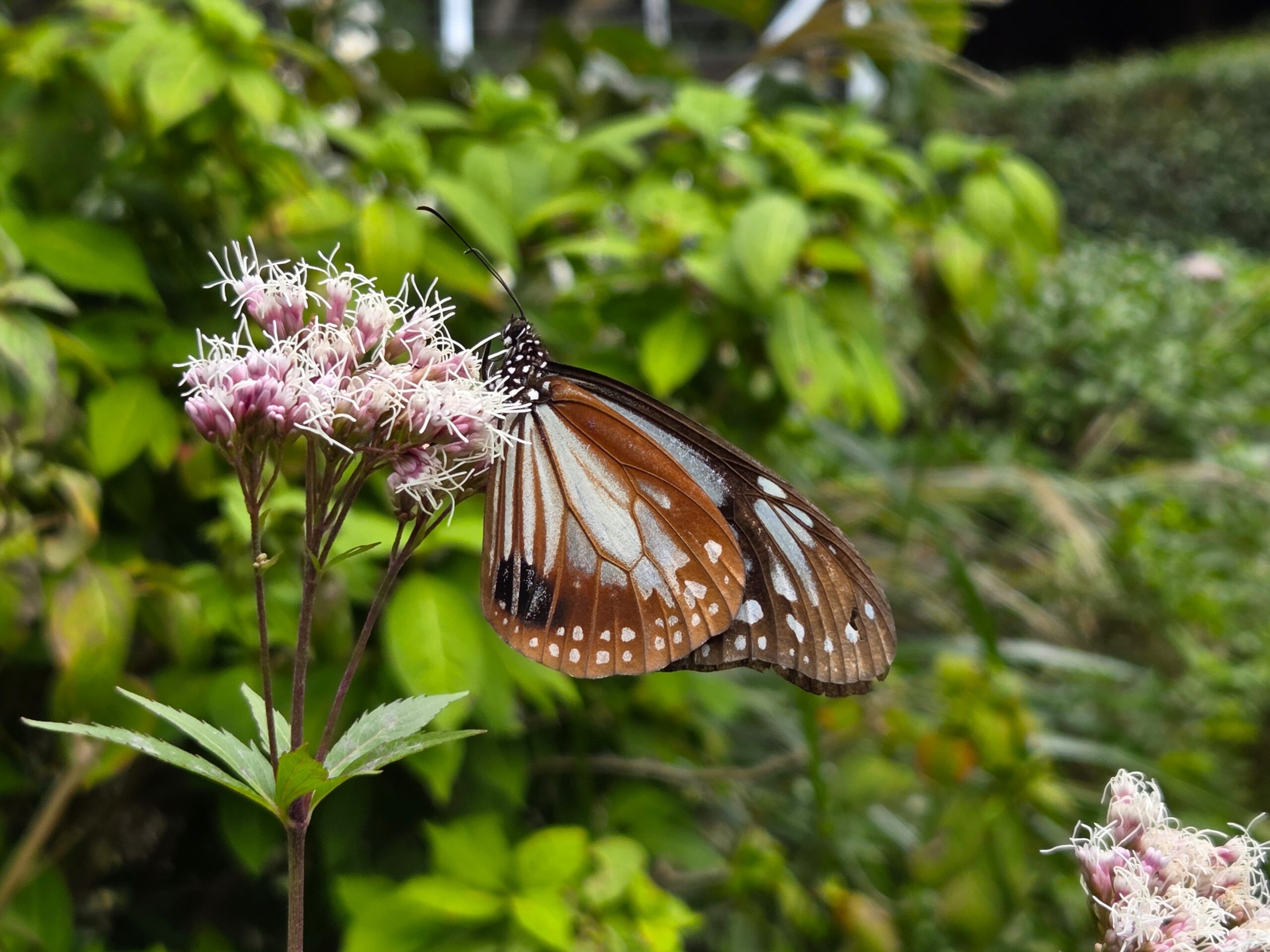
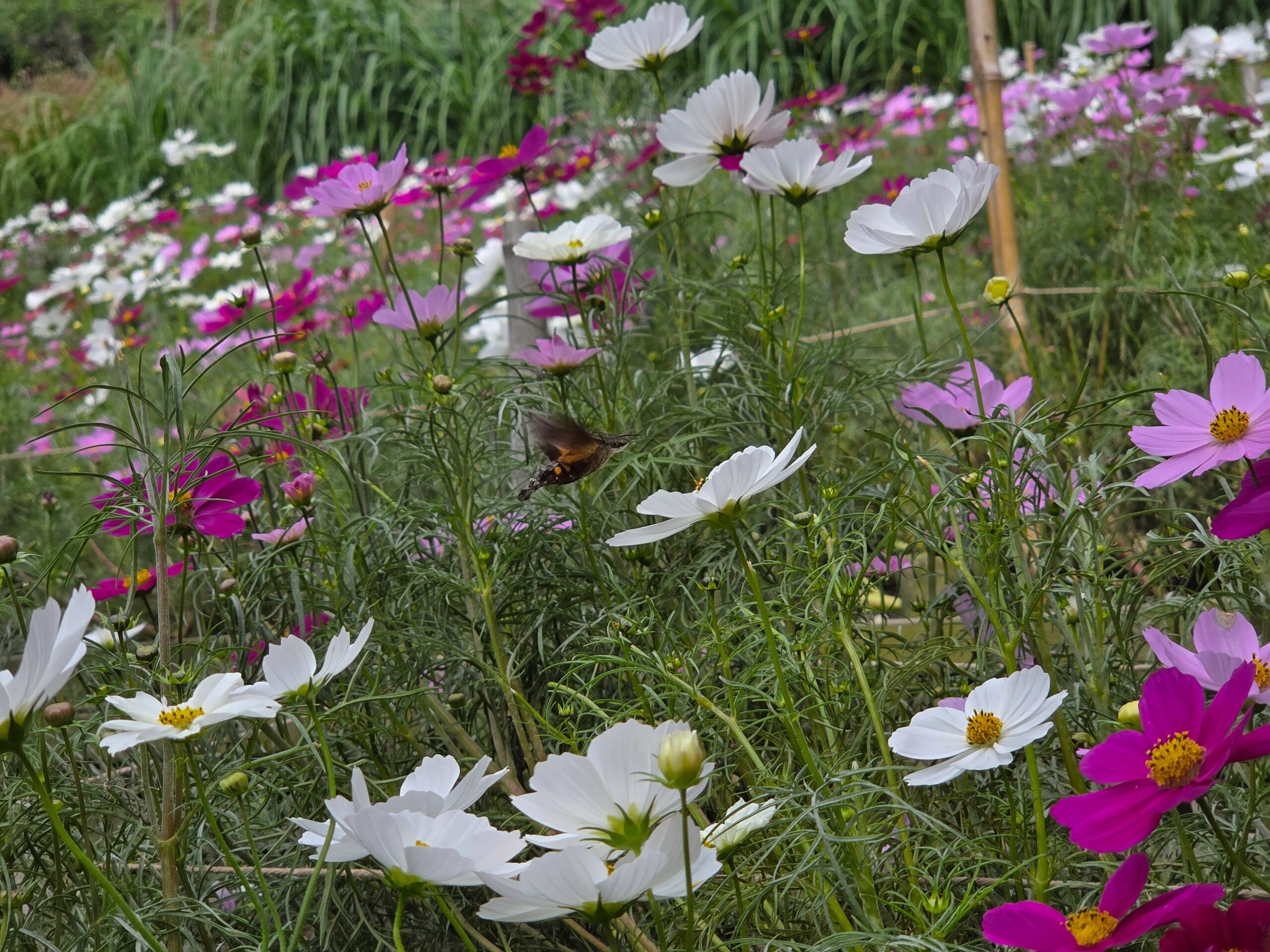
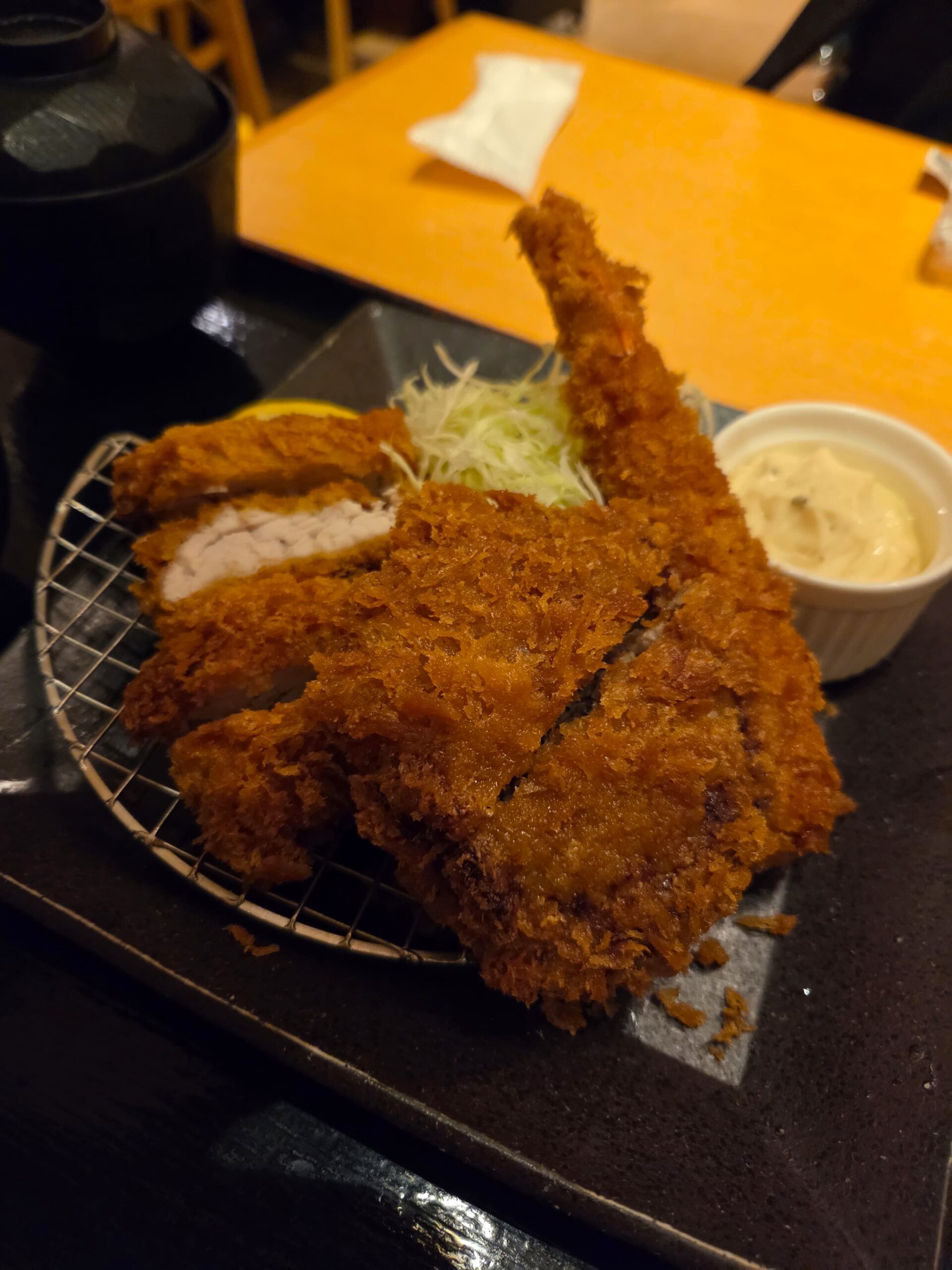
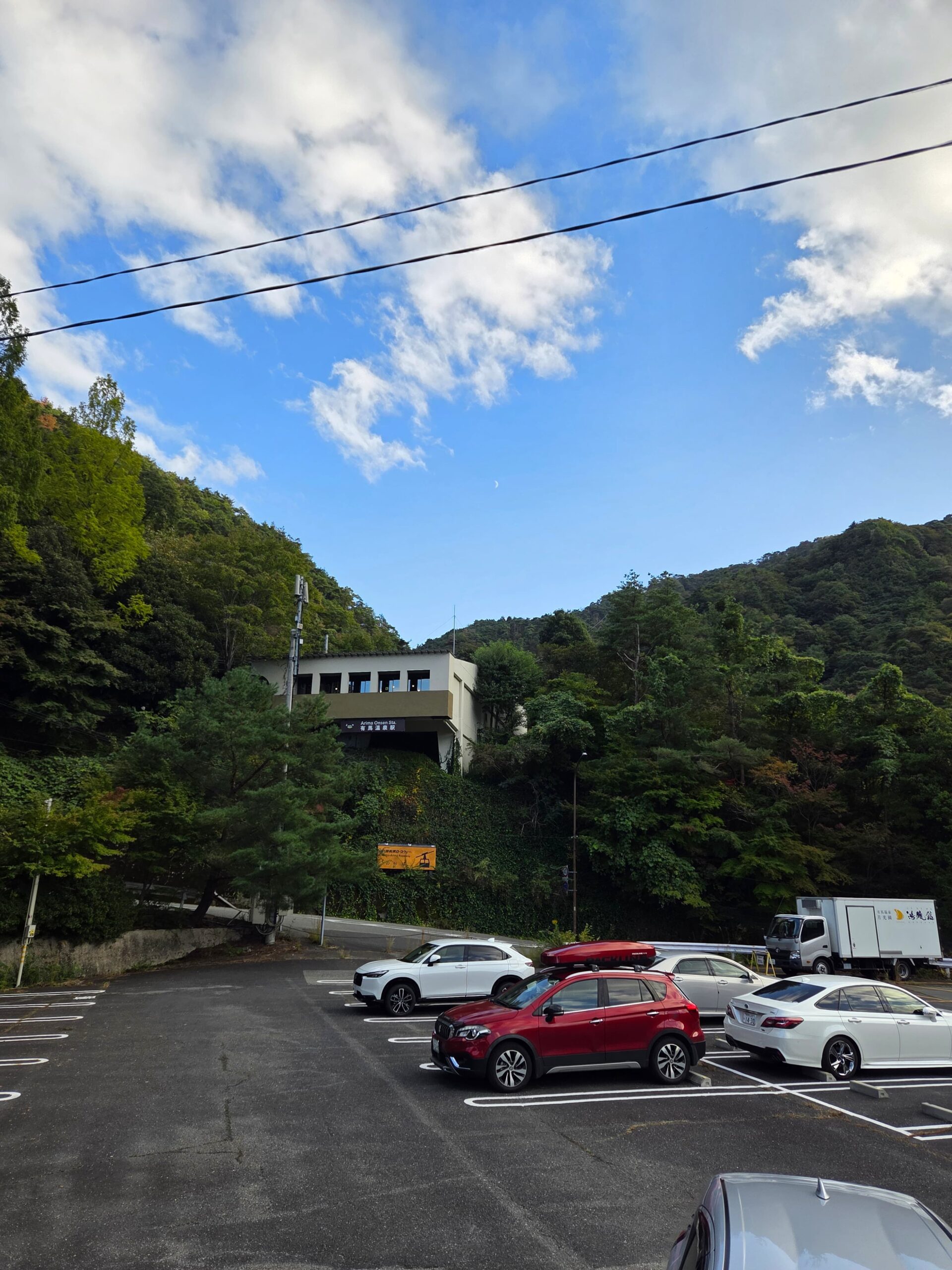
After that, I went down and had lunch at a tonkatsu shop. Then I made my way to Arima Onsen. It was quite difficult to find the bus stop. I had to visit the Shin-kobe station’s tourist information center for directions. That bus stop was hidden under the car park and just right before a tunnel. The trip there was like 30 minutes and such a breeze to be dropped off in the middle of the town.
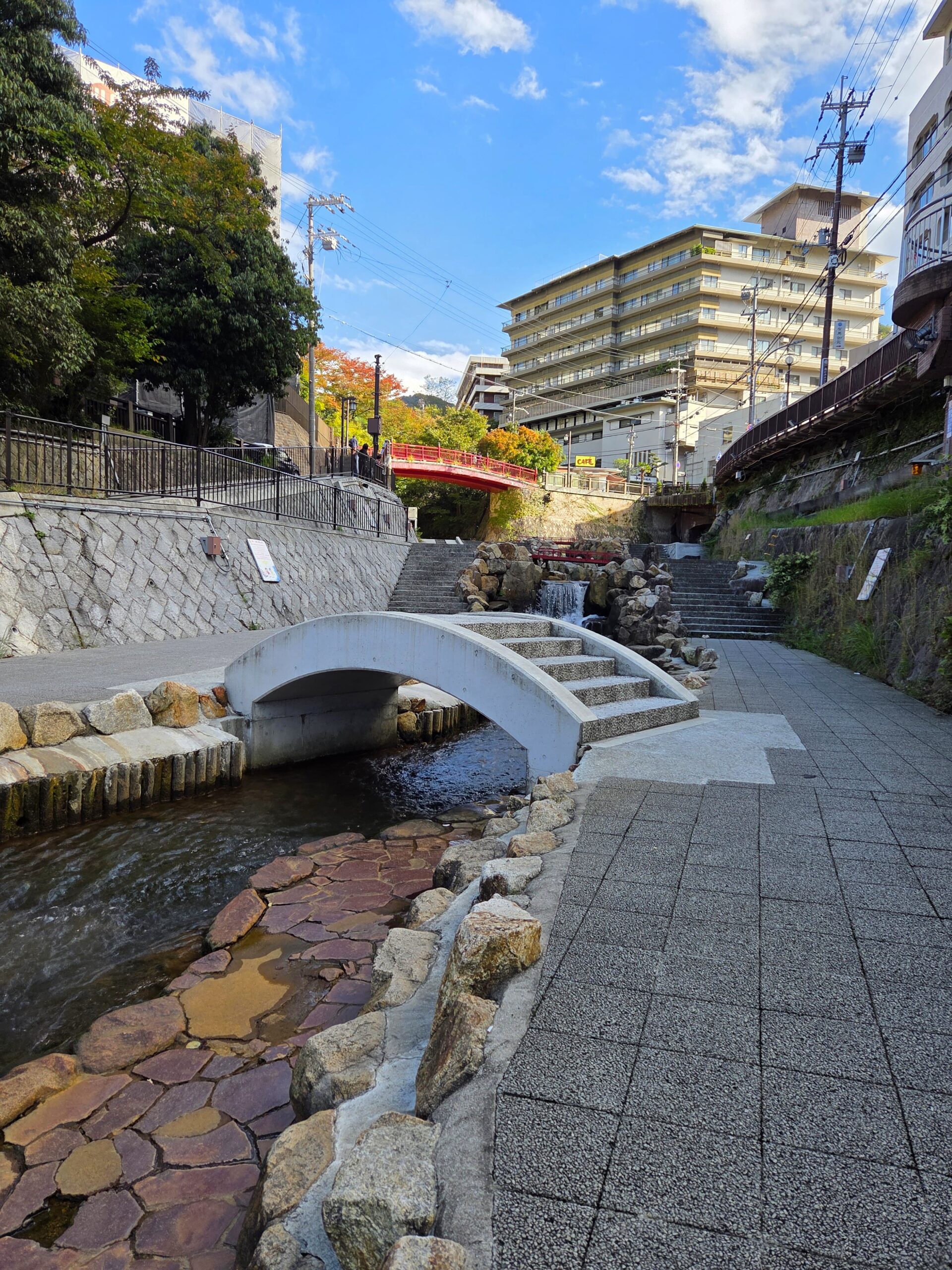
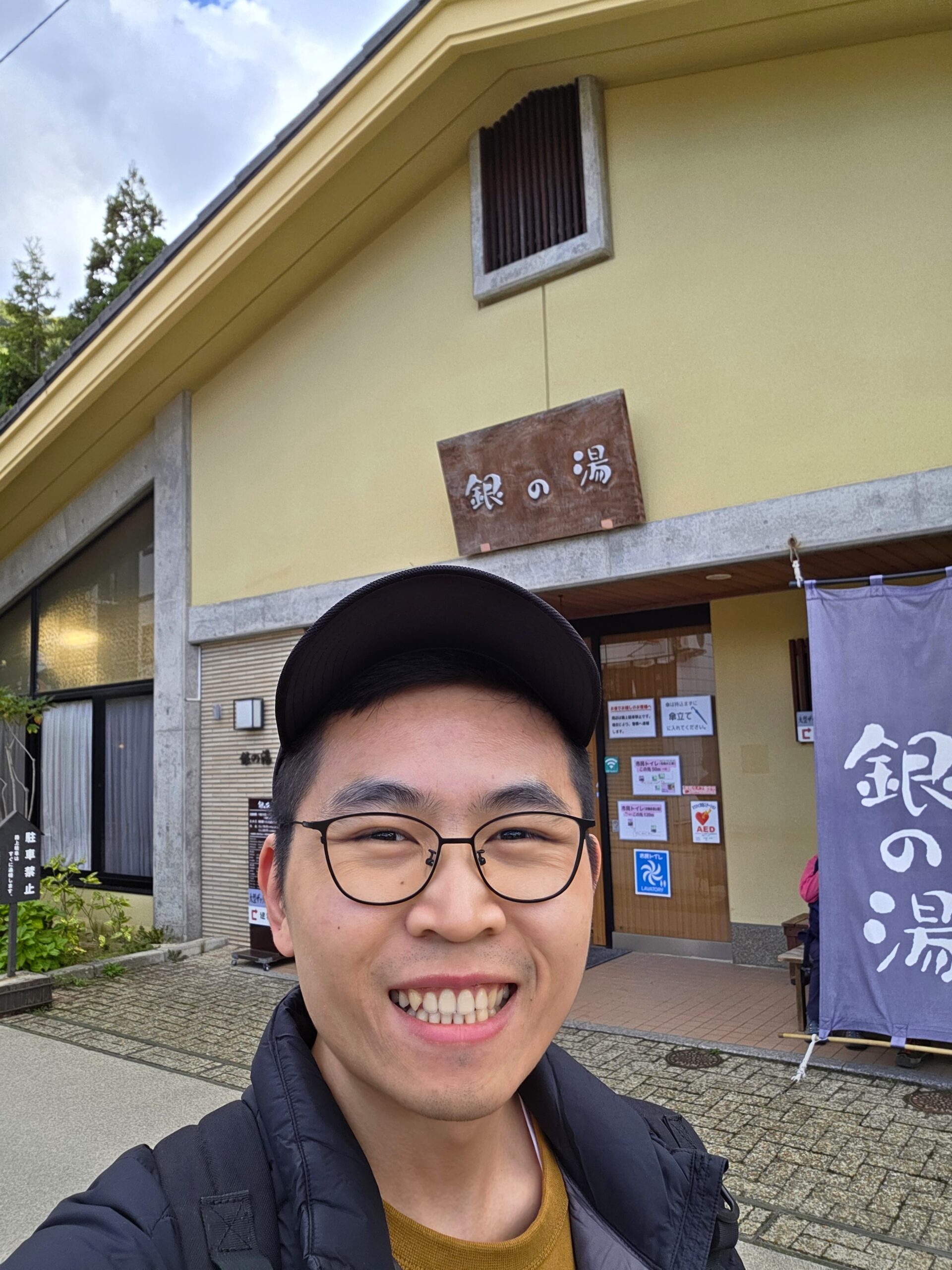
Arima Onsen is a hot spring town with lots of public baths. As is what I did usually, I visited the tourist information center first for the area map. Apparently there’s no local bus there and many of the bath houses are either closed or no longer accepting day-trip guests. The two most famous bathhouses are “Kin no Yu” and “Gin no Yu” (literally “Golden Hot Water” and “Silver Hot Water” respectively), but “Kin no Yu” is closed that day, so I went to “Gin no Yu”. Stopping halfway, I bought some souvenirs from the local shops.
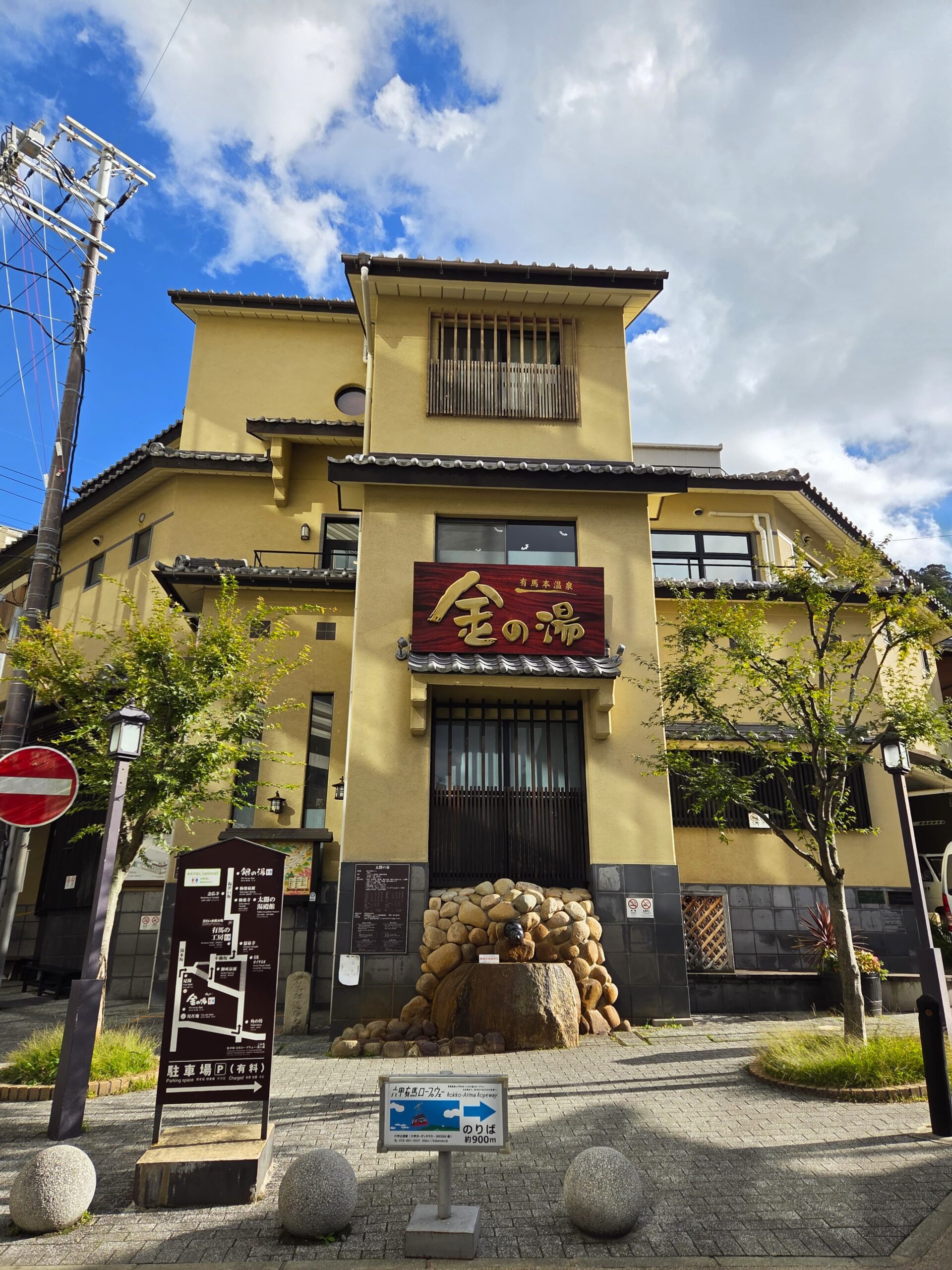
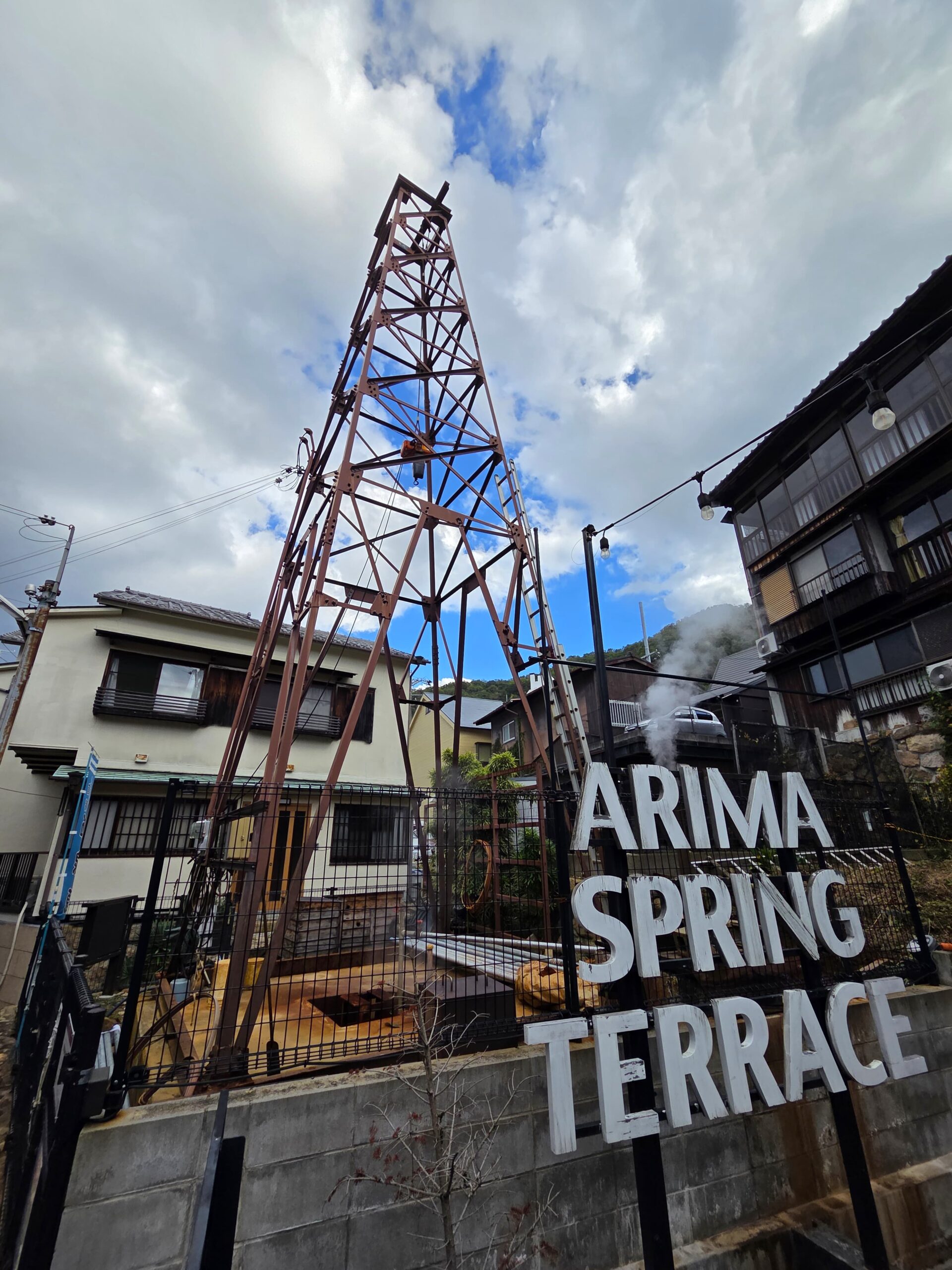
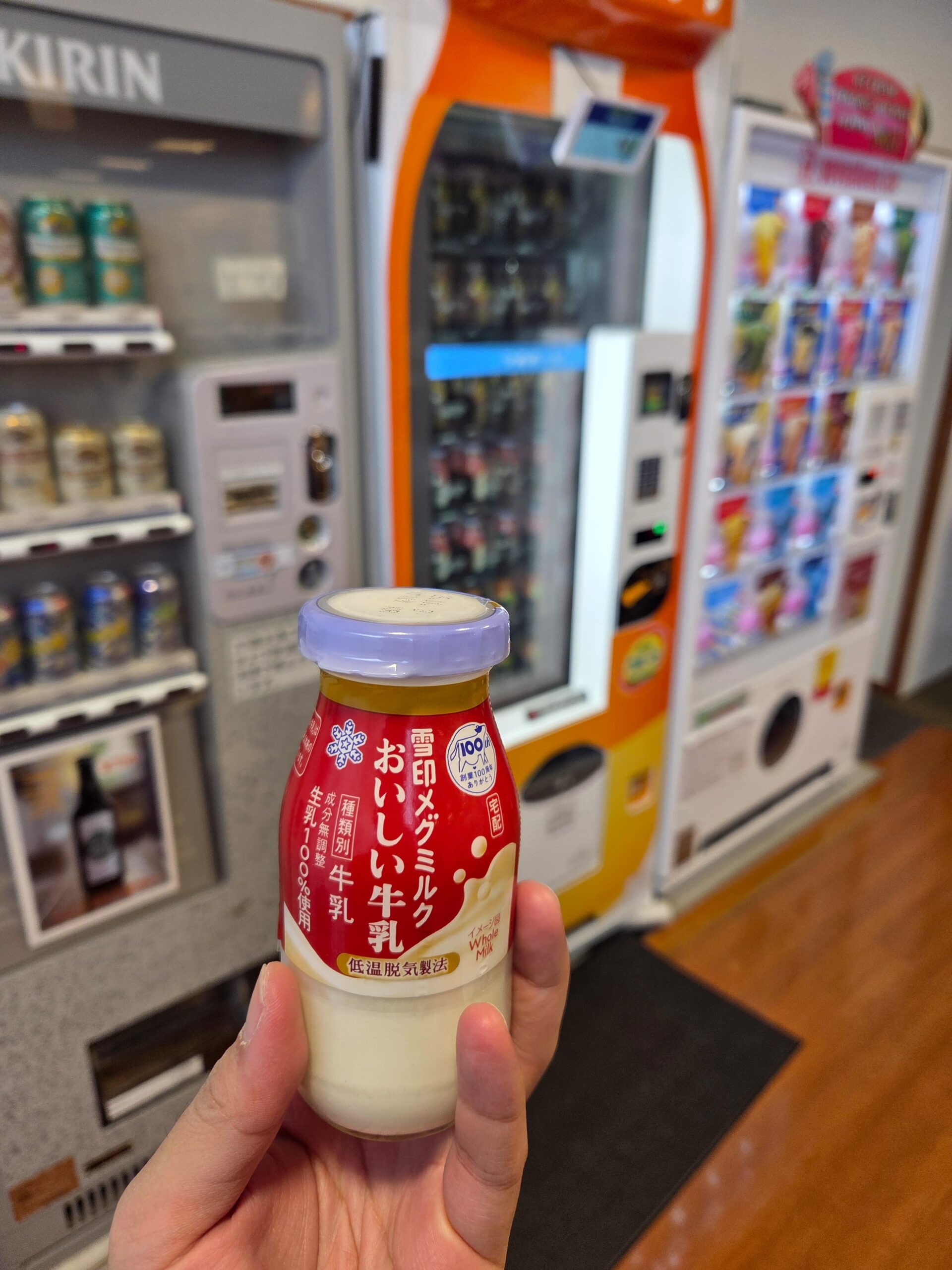
At “Kin no Yu” bathhouse, it was quite challenging to know what to prepare before entering. Apparently for people like me who didn’t bring any towel, aside from the entrance ticket, I had to rent both a small towel and a big towel. After that, we’re given a locker key to store our belongings. The only item taken together inside the bath is the locker key. This means everyone stripped off naked at the locker room before entering the bath room. The bath room itself was pretty large, I think it could accommodate like 30 people at one time. We’re told to shower first before entering the hot bath. The hot bath water was quite clear, and I did several cycles of: showering with cool water, then went inside the hot bath, at times submerging my whole body, and when I felt that my body is too hot, I went out of the bath to cool off with cold water at the shower. I also tried the sauna room but couldn’t stay for long since it was too hot for my liking. I think I spent almost an hour there, and I think the best part was after I finished and went out of the bath, changed back, and rest at the reception lobby drinking cold drinks. I felt so relaxed, ah…
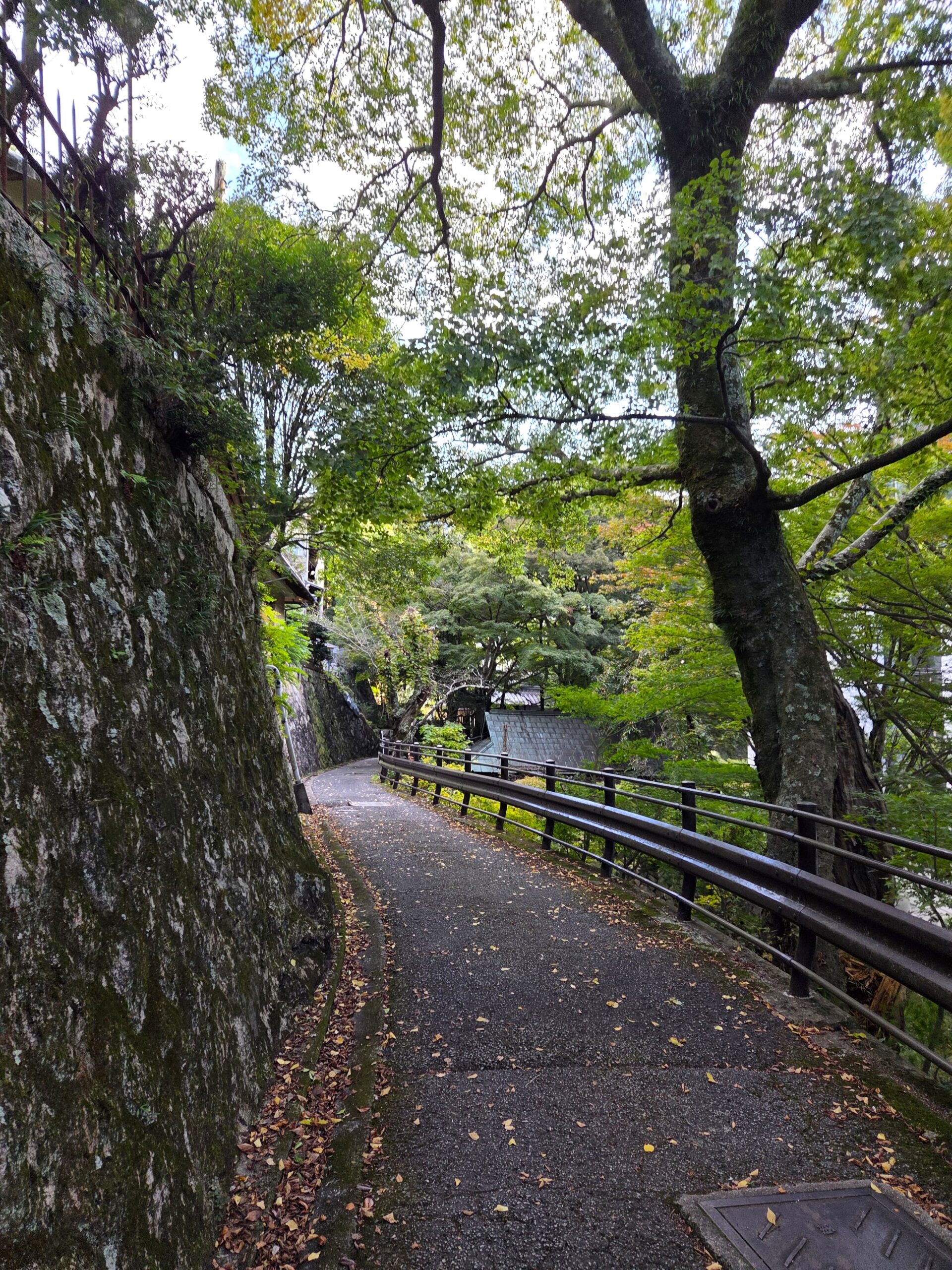
After the bath house, I went out and walked to the Rokko-Arima Arima Onsen station. It was quite far by foot, but managed to make it without getting lost. I bought the bundle: Rokko-Arima Ropeway one-way up to Mount Rokko + Mount Rokko bus day pass + Rokko Cable Line one-way down, as it fit perfectly with my itinerary.
Quite interesting that this ropeway is quite new and has an operator guide following in the car. He explained the surrounding views and the ropeway in Japanese, and also in English “because today we have a foreigner with us”. Up above, the sun was starting to set and the view was pretty cool.
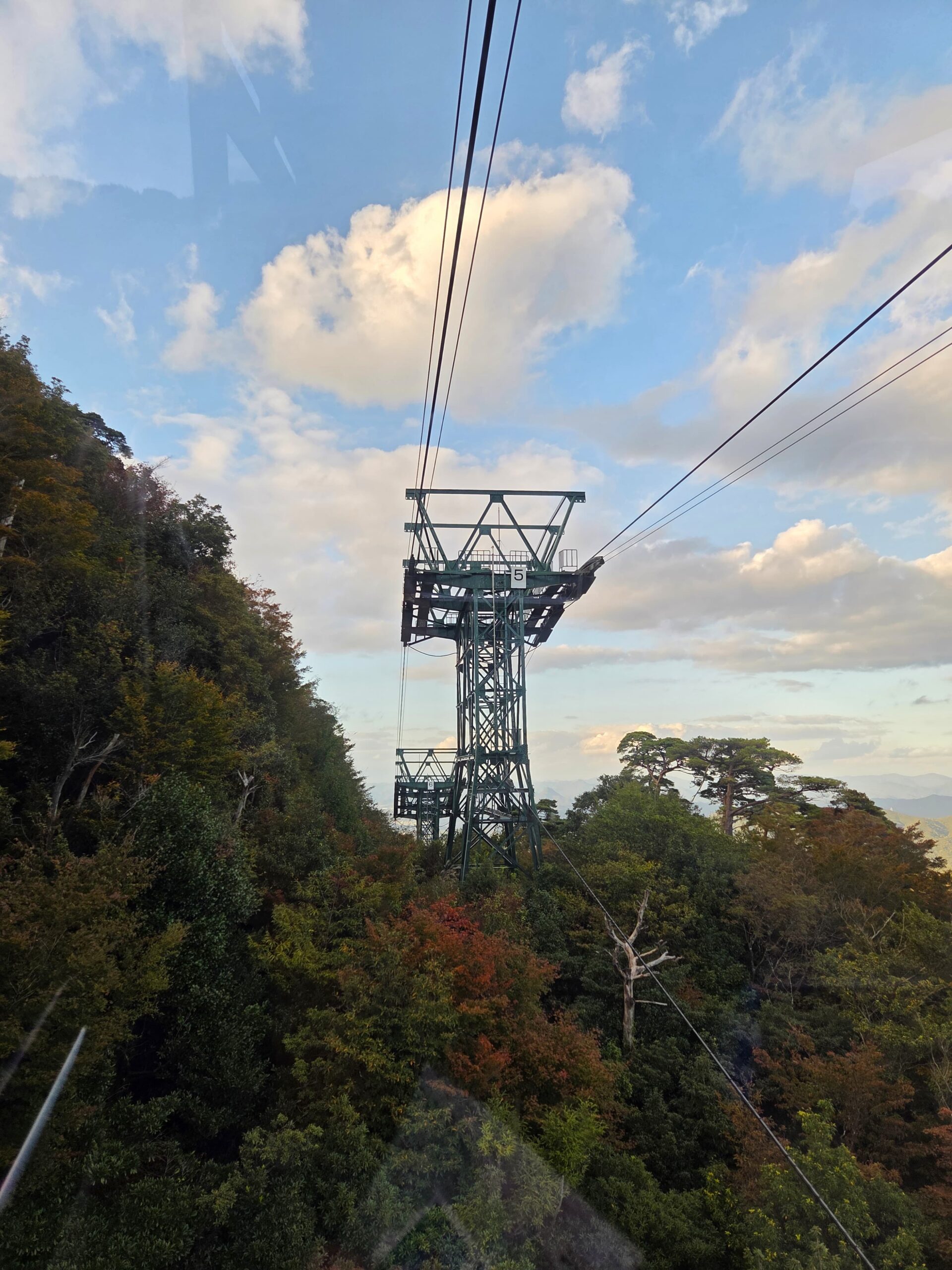
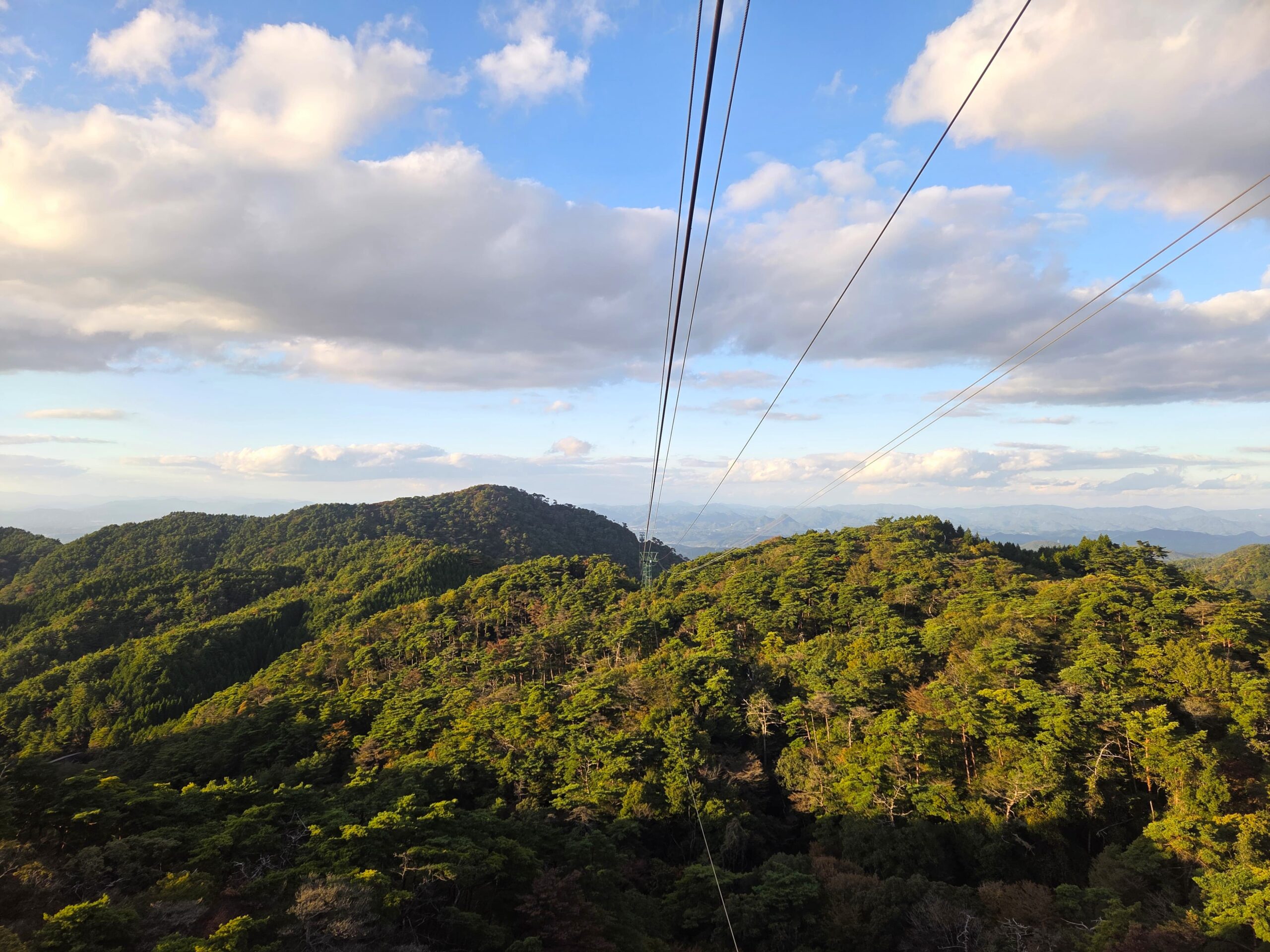
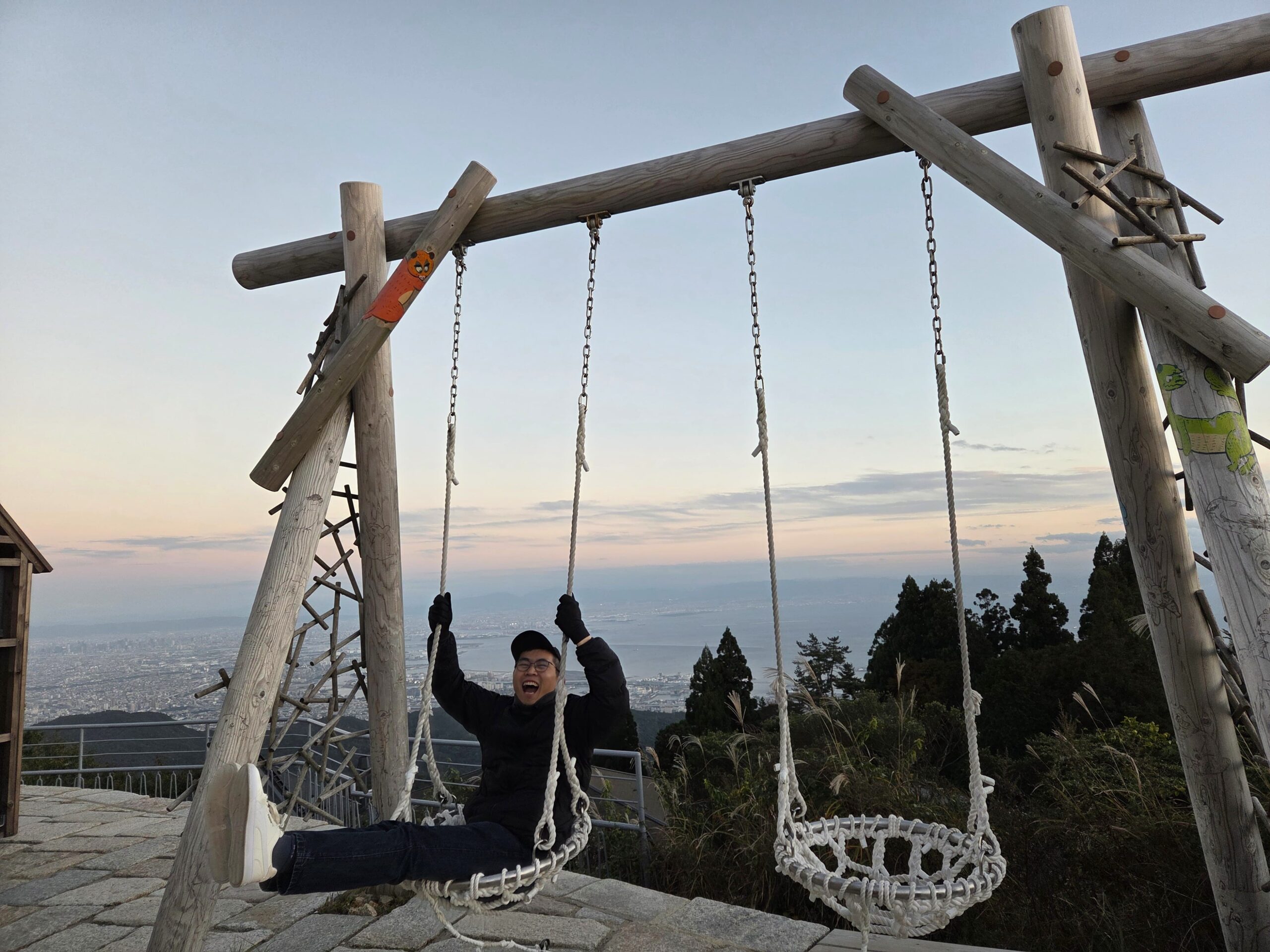
Arriving at the Mount Rokko area, I took the bus to the observatory area and spent the late afternoon there. It was really cold up there, reaching like 7 degrees Celsius. I came prepared and my gloves came in really handy. I visited several spots to wait for sunset, and when sunset happened, well it was nice, but since the west is a mountainous area, the view was blocked. Right after sunset, I started to rush for the bus to the Mount Rokko cable car station.
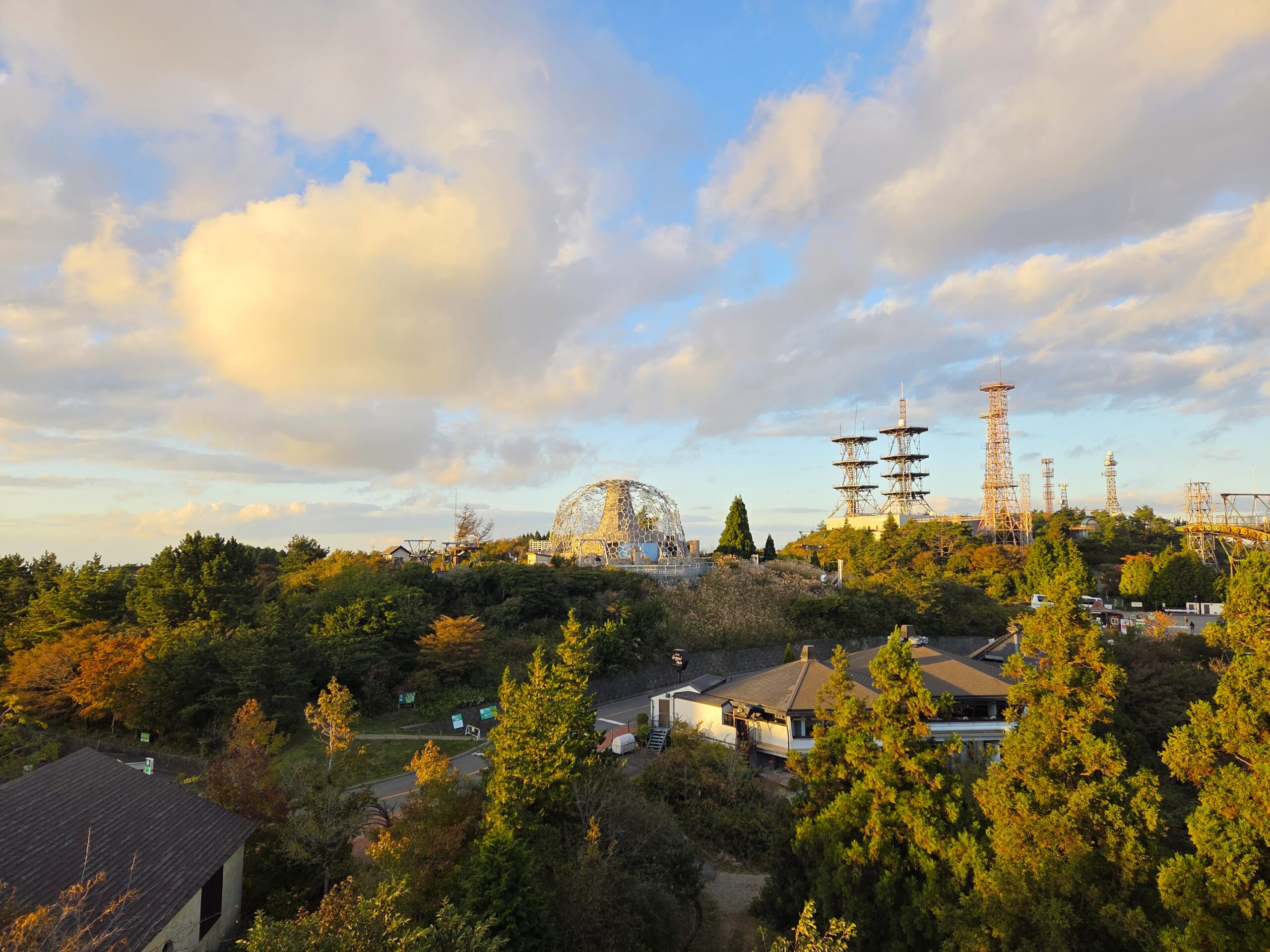
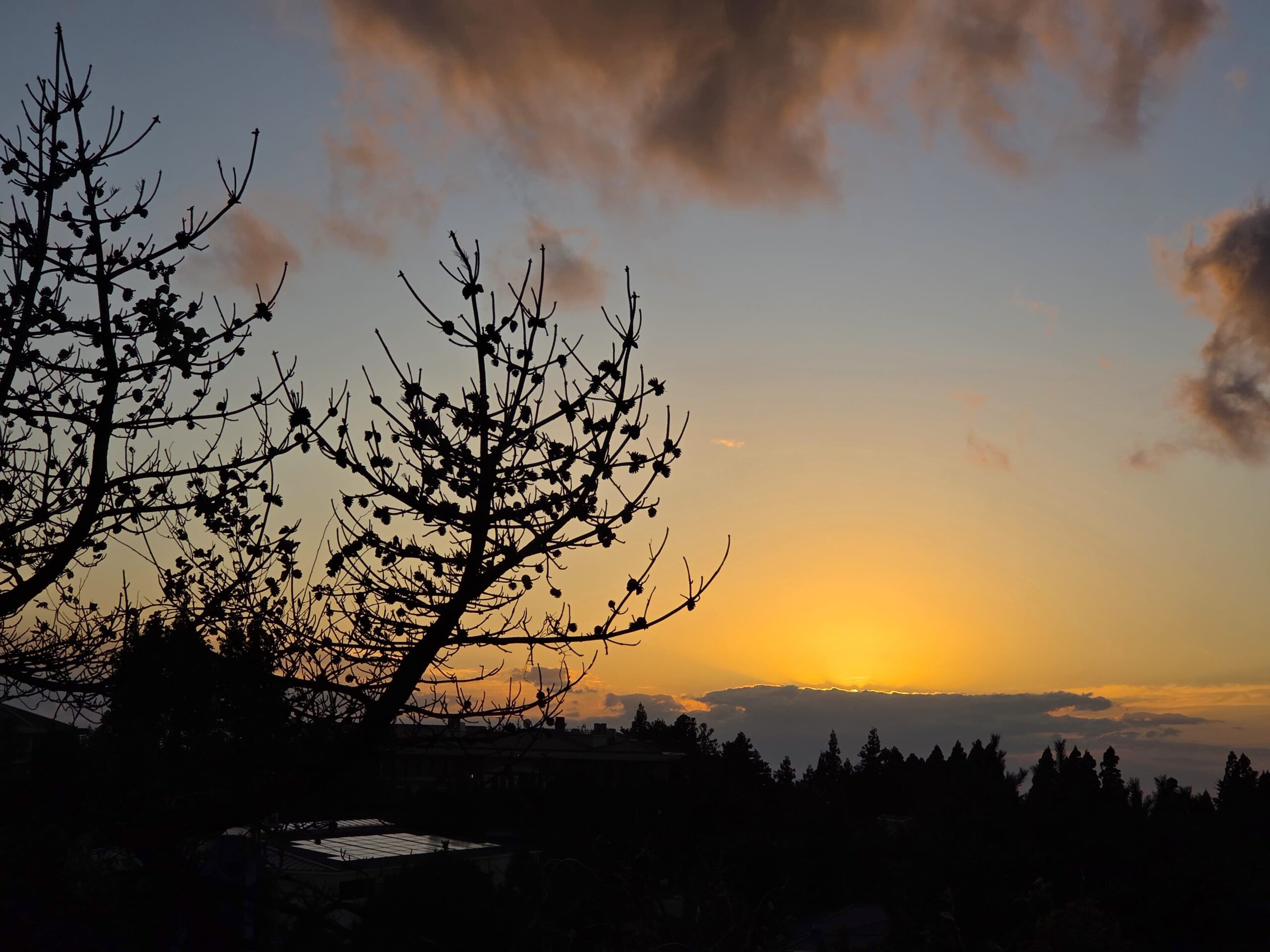

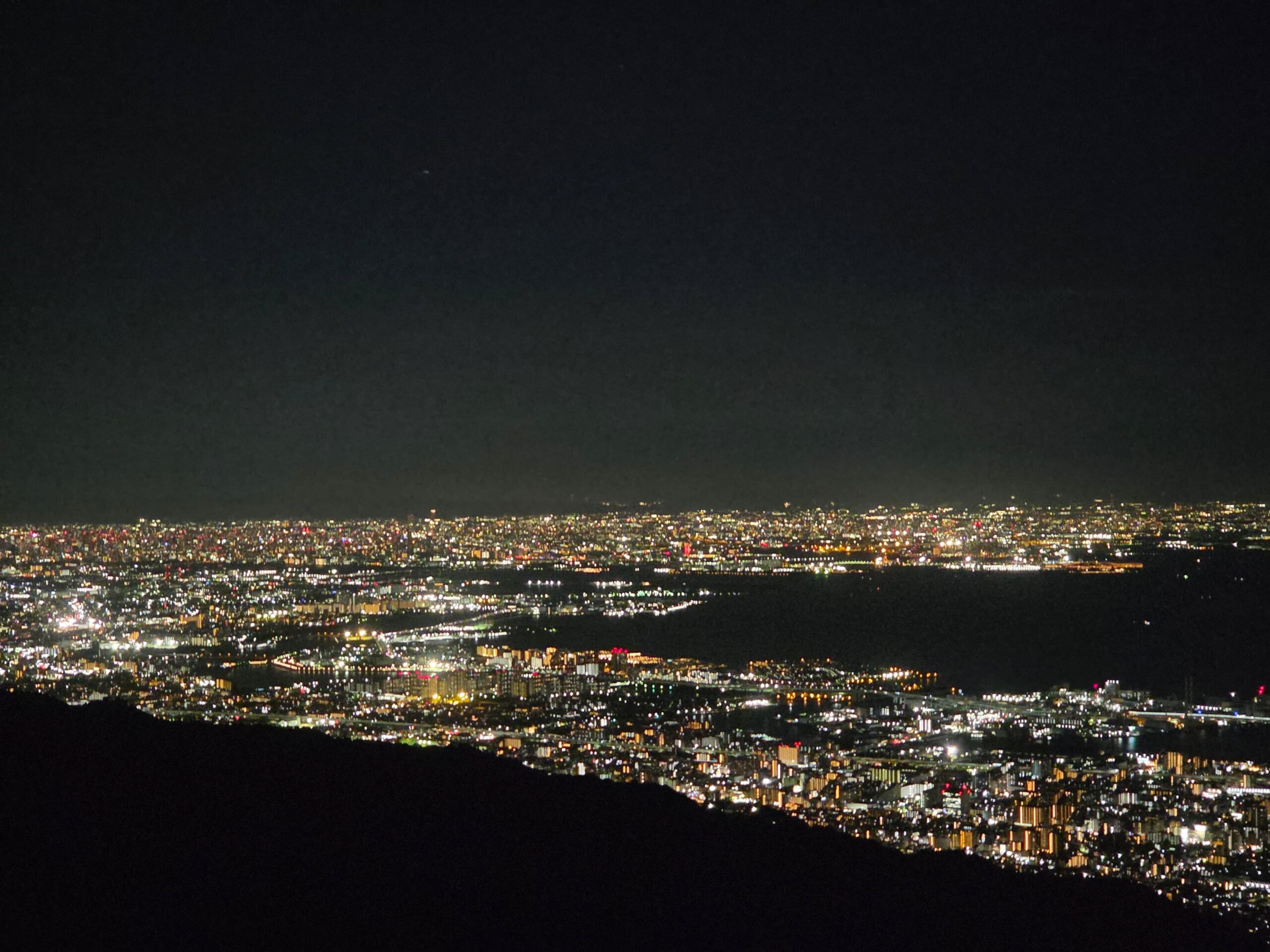
When arriving at the cable car station, it was already really dark even though it’s only like 6 pm. I stayed a little bit more to at the observatory deck to see the night view of Kobe. Indeed it was really dark, but I could manage to make out certain shapes of buildings from afar. The signs claimed that one can see Kansai International Airport from that point. Wow…
After that I descended down with the cable car. The cable car, which is a funicular, has two cars: indoor and outdoor. I decided to sit at the outdoor section with several Chinese tourists, and everyone else went to the indoor one. Well, since it was dark, I couldn’t see much view, but it was quite an interesting experience. Also, it was really cold after a while.
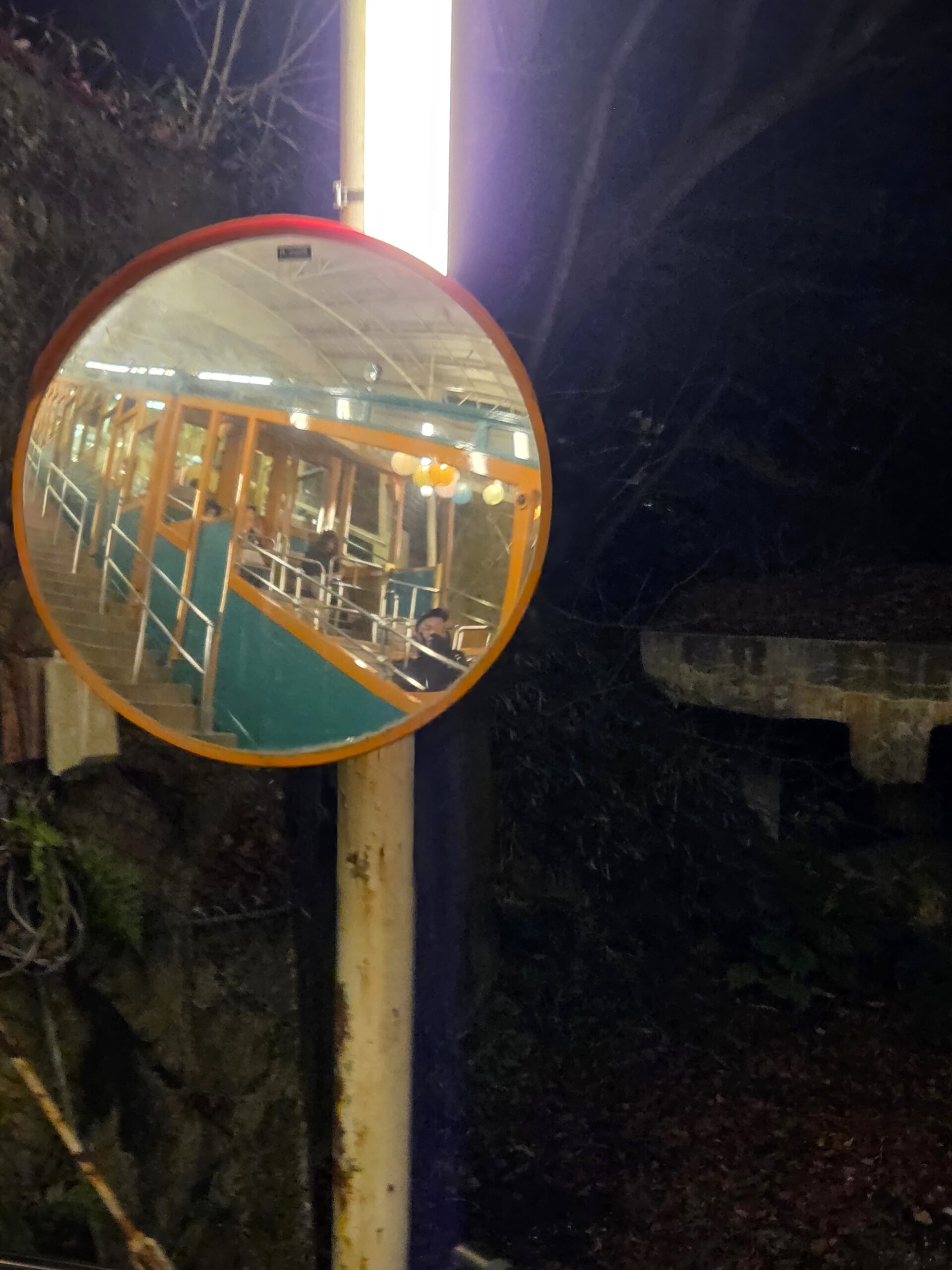
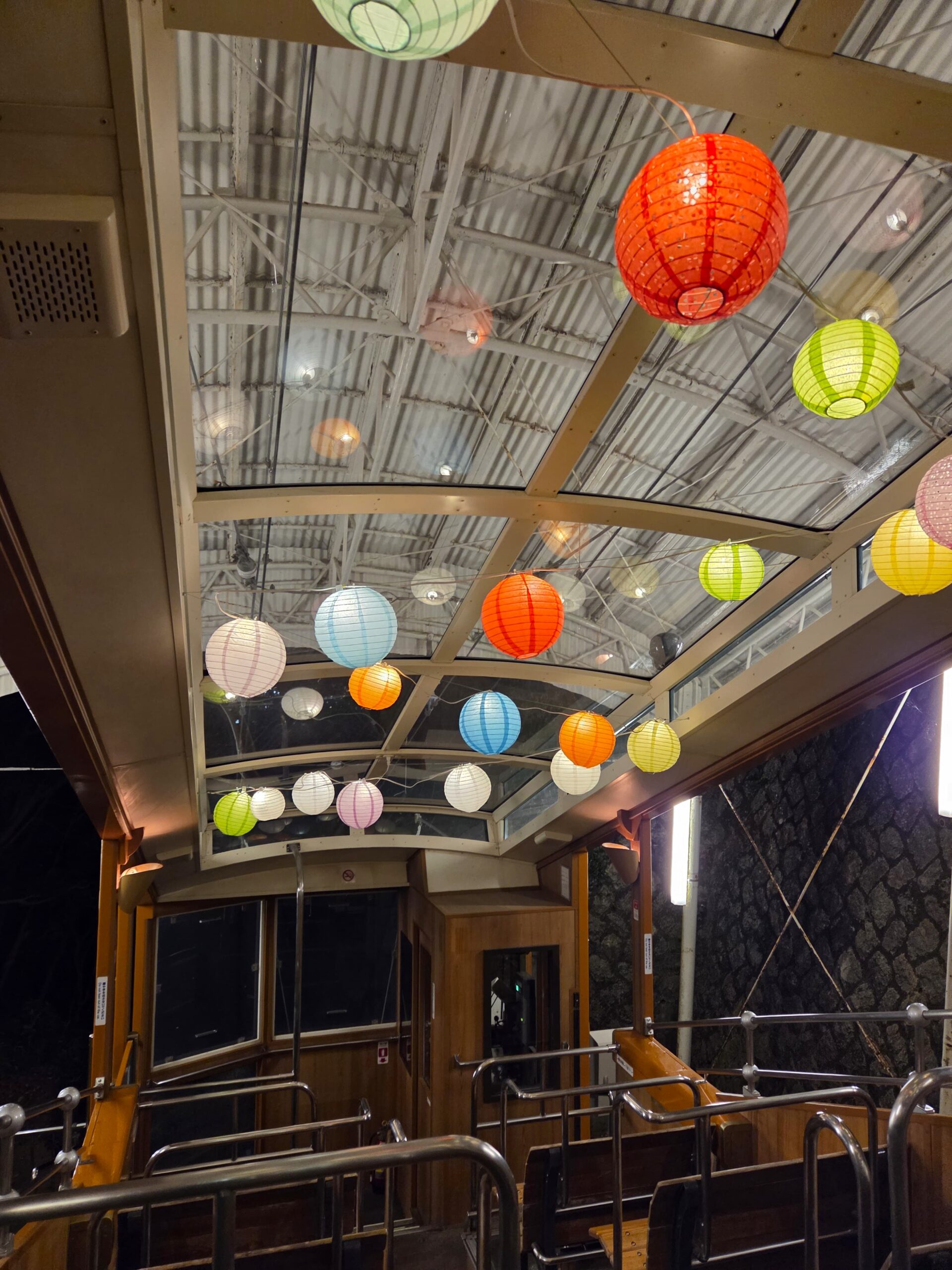
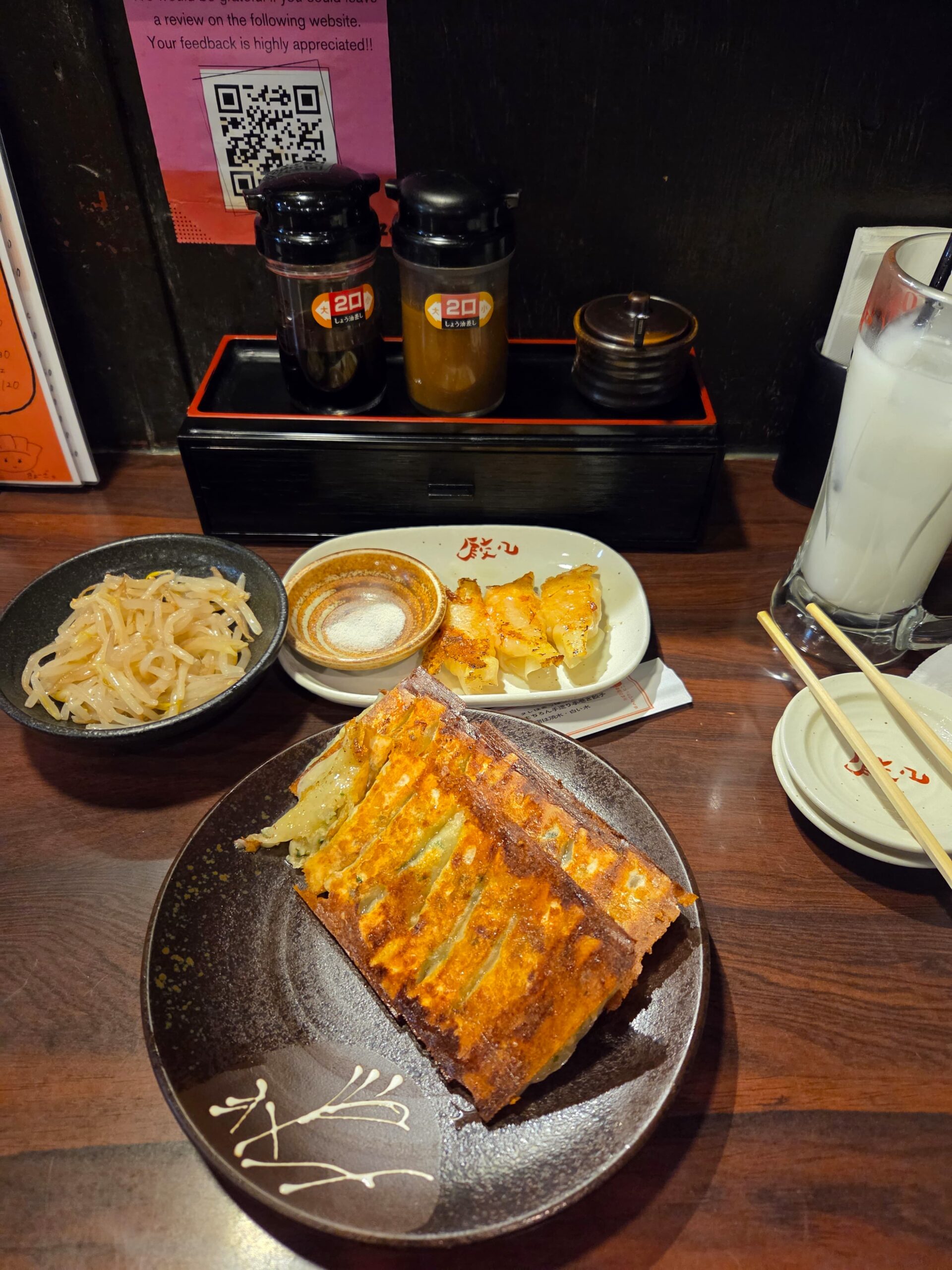
Arriving at the base, we all rushed to the bus back to civilization, and the bus was super crowded. I dropped off at the Sannomiya Station area for dinner. Well, I haven’t researched what to eat for dinner yet, but I decided to stop there since I had a hunch that the area was a busy place since it is an interchange for several lines. I passed by a gyoza restaurant and went to have my dinner there. Quite interesting that the gyoza were grilled that way. I headed back to the hotel after dinner.
My second day in Kobe started early. I walked from my hotel area to the historical houses area. Firstly it wasn’t that far, and I also wanted to soak in the atmosphere, but it turned out it wasn’t a good idea, since it was going uphill, literally, and the sun was throbbingly hot. I had to stop several times to rest.
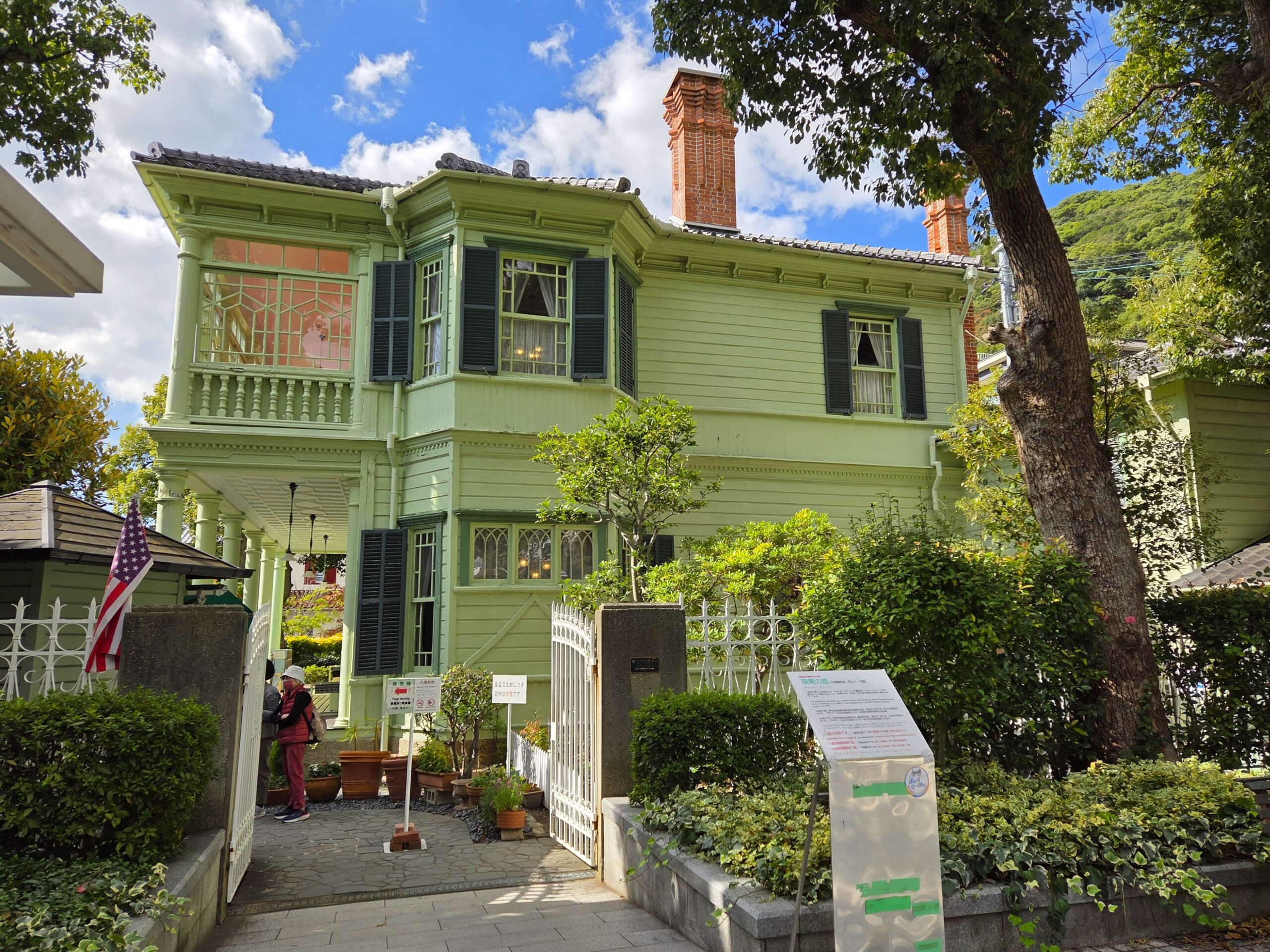
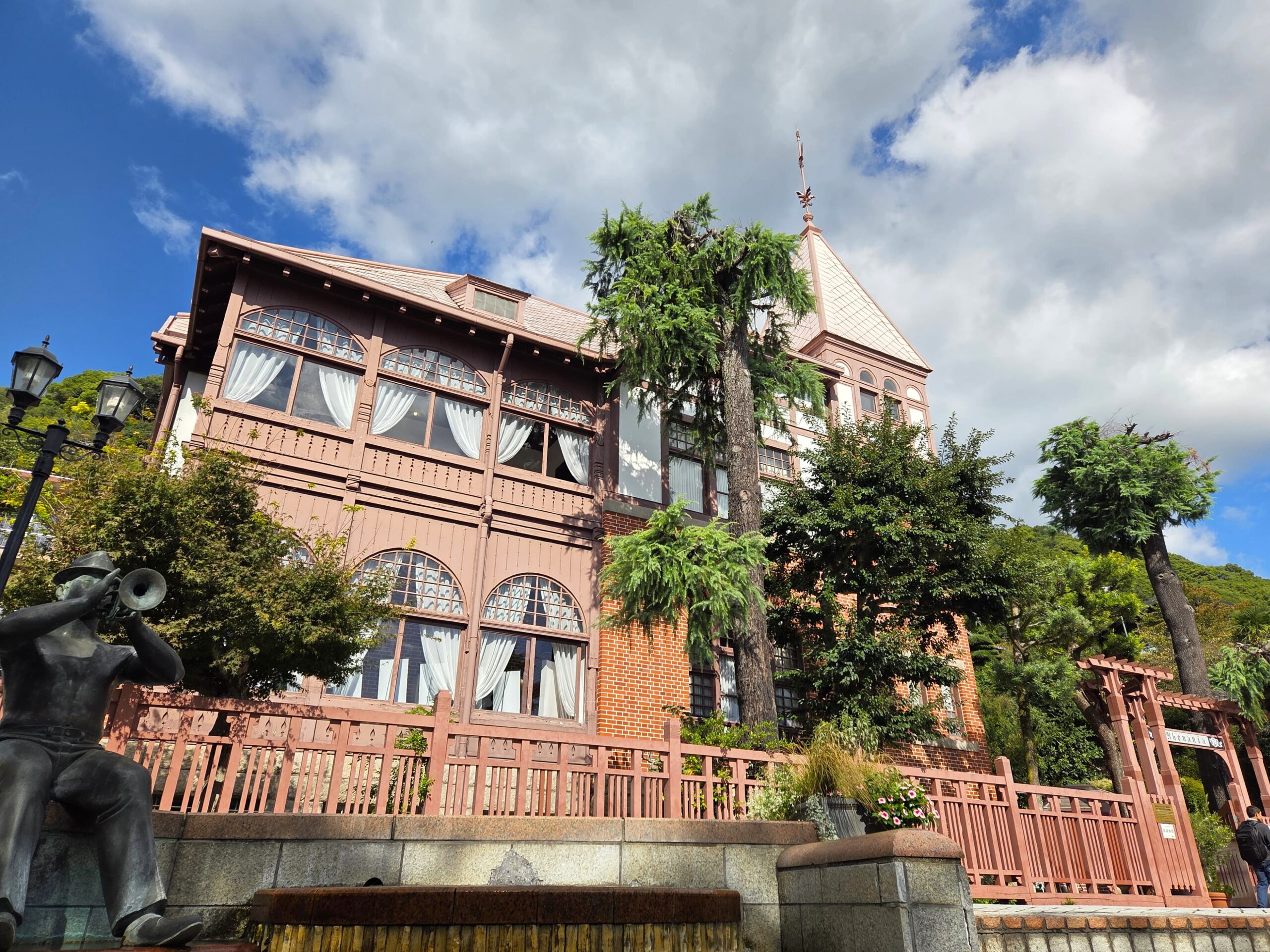
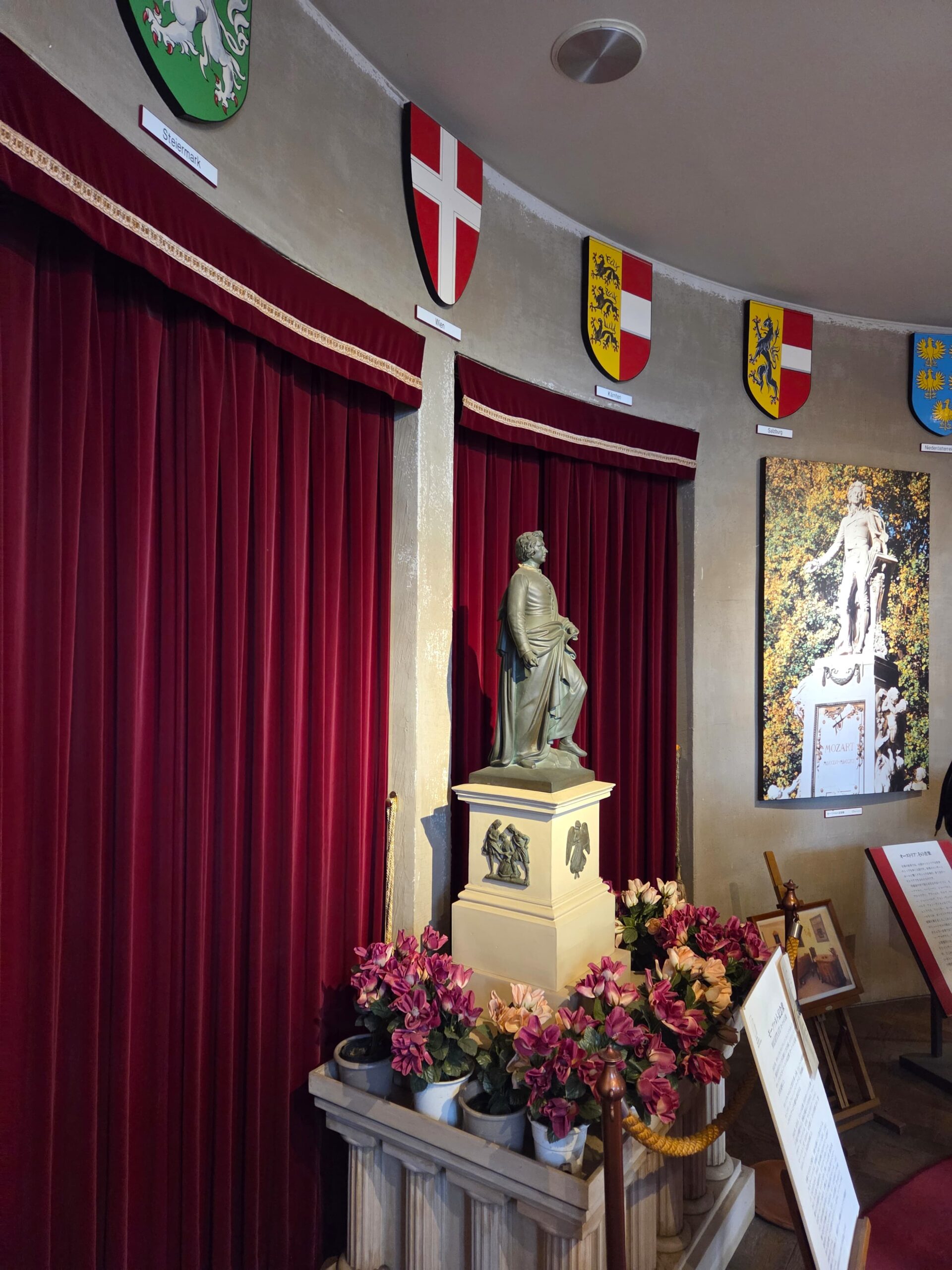

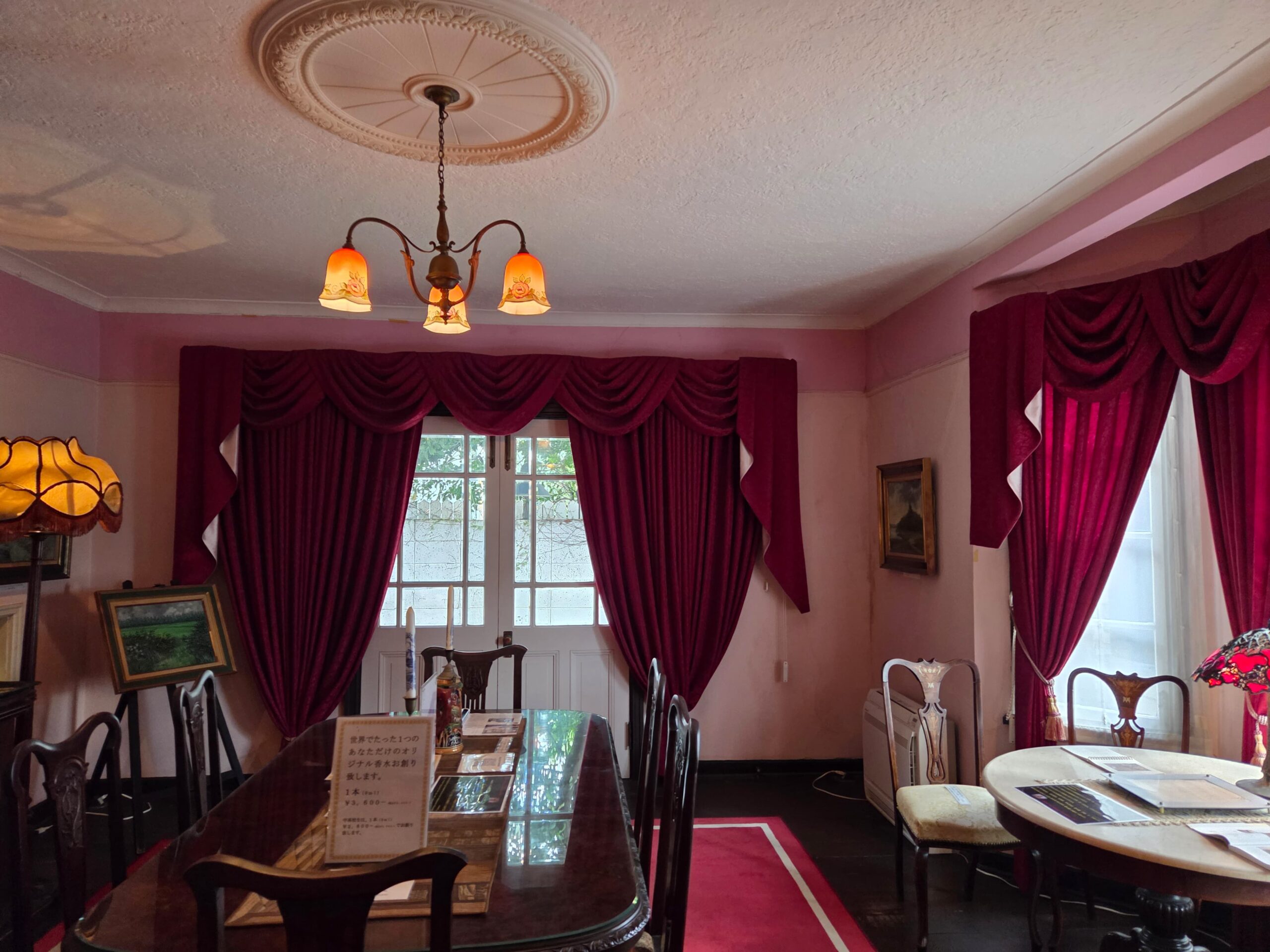
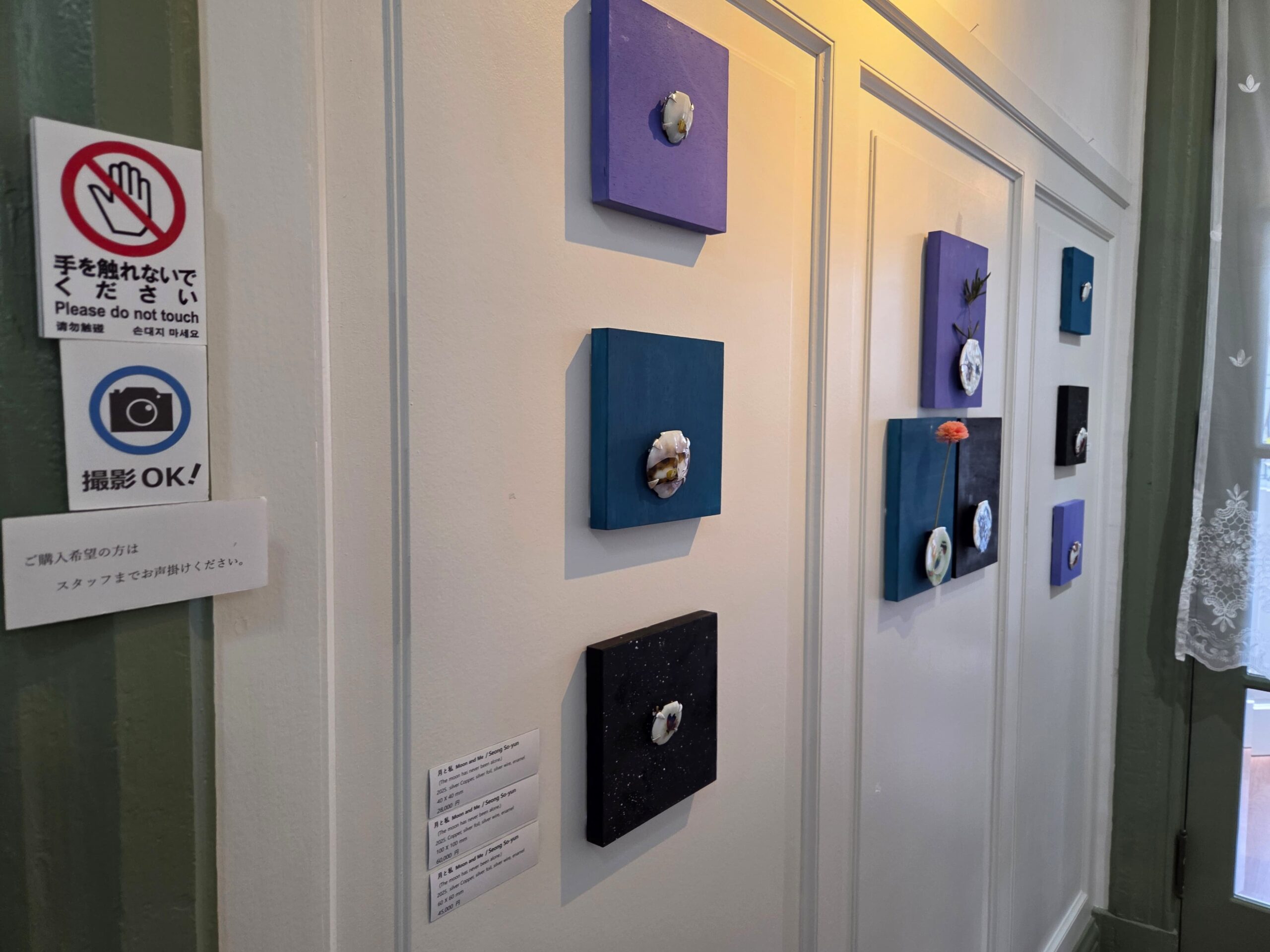
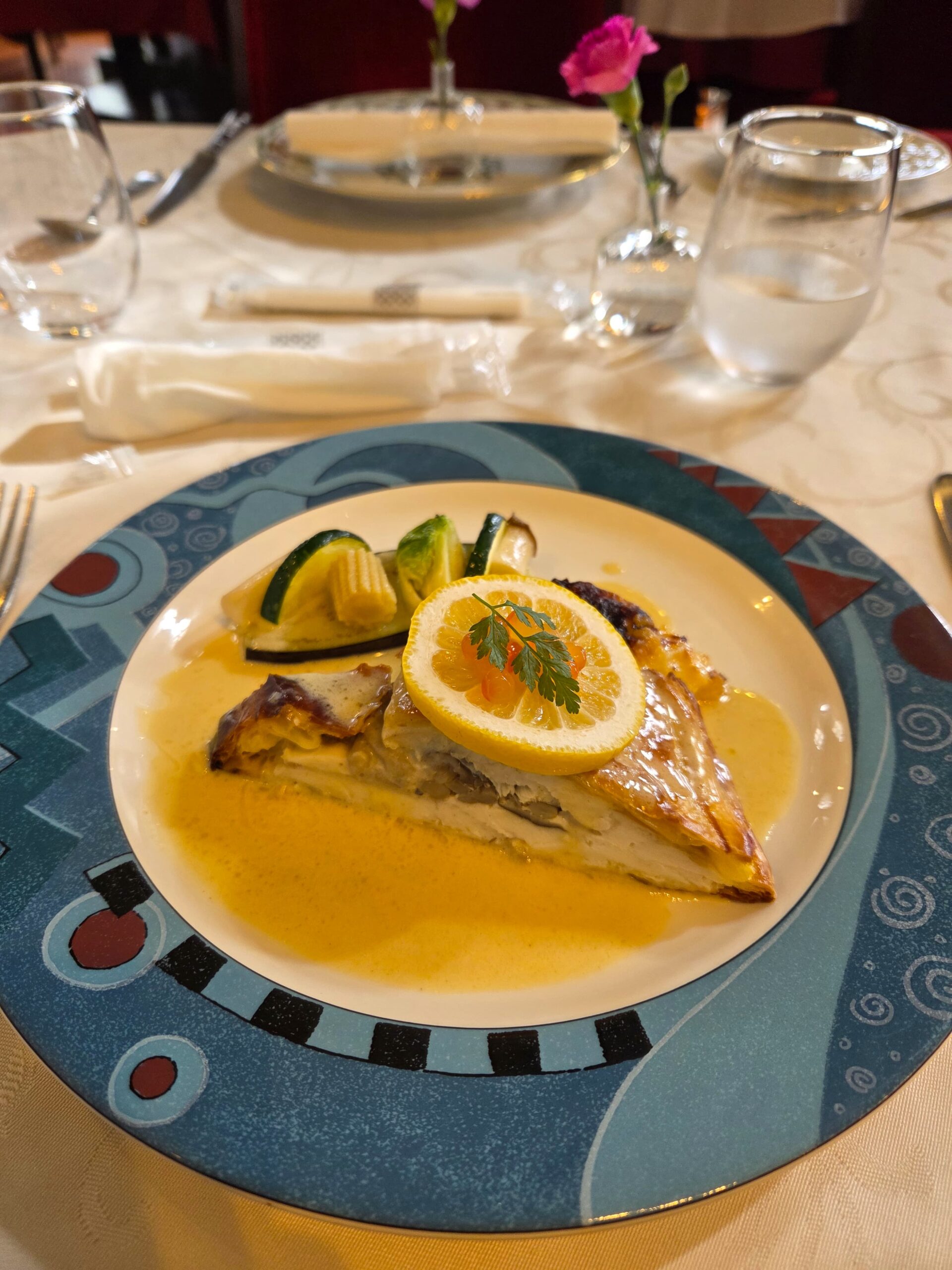
When I reached those houses, I felt like those houses were overrated. I didn’t like them mostly. I think the best was The Weathercock House, and the rest are just so-so. That house was interesting because it told the story of the owner’s past and how the houses are preserved till now. Other than that, those areas are just a small block of Western style houses. Some of them now function as a museum to exhibit arts, and one of them has so few visitors that the staff asked me if I visited because I’m a friend with one of the exhibitors :P The food options around the area were also pretty limited I feel, but I managed to eat at a fine dining restaurant which served a lunch set at a very reasonable price.
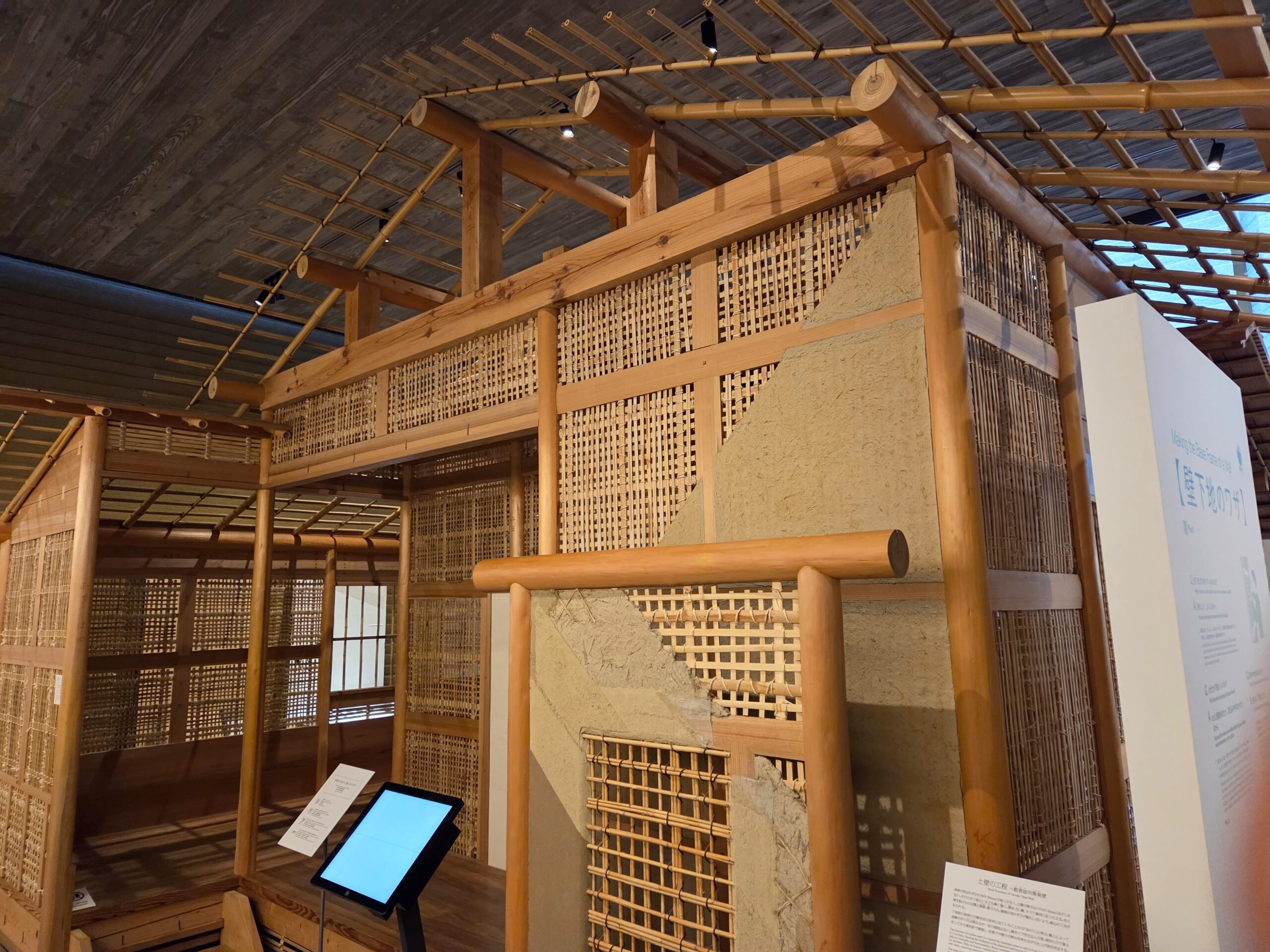
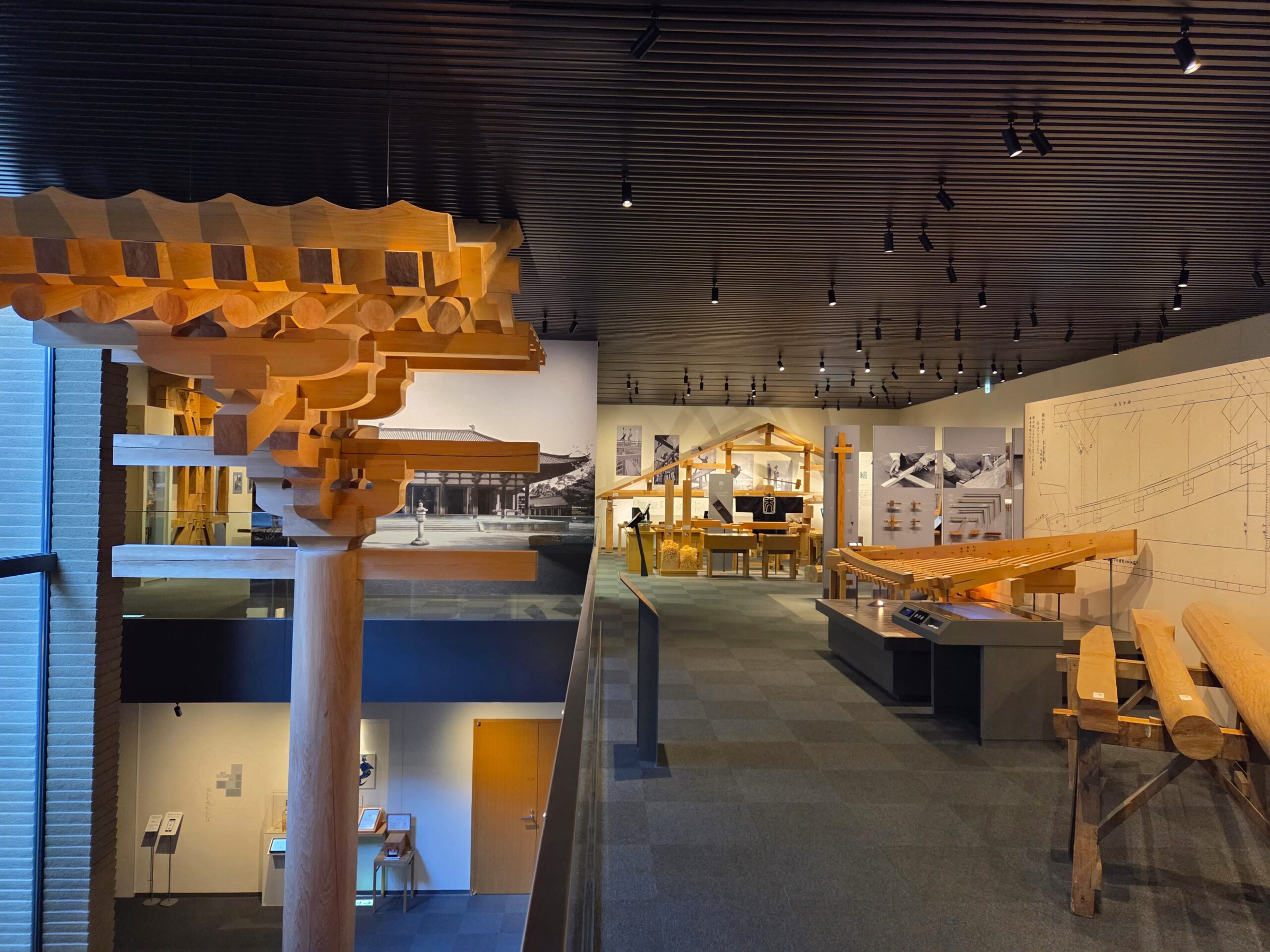
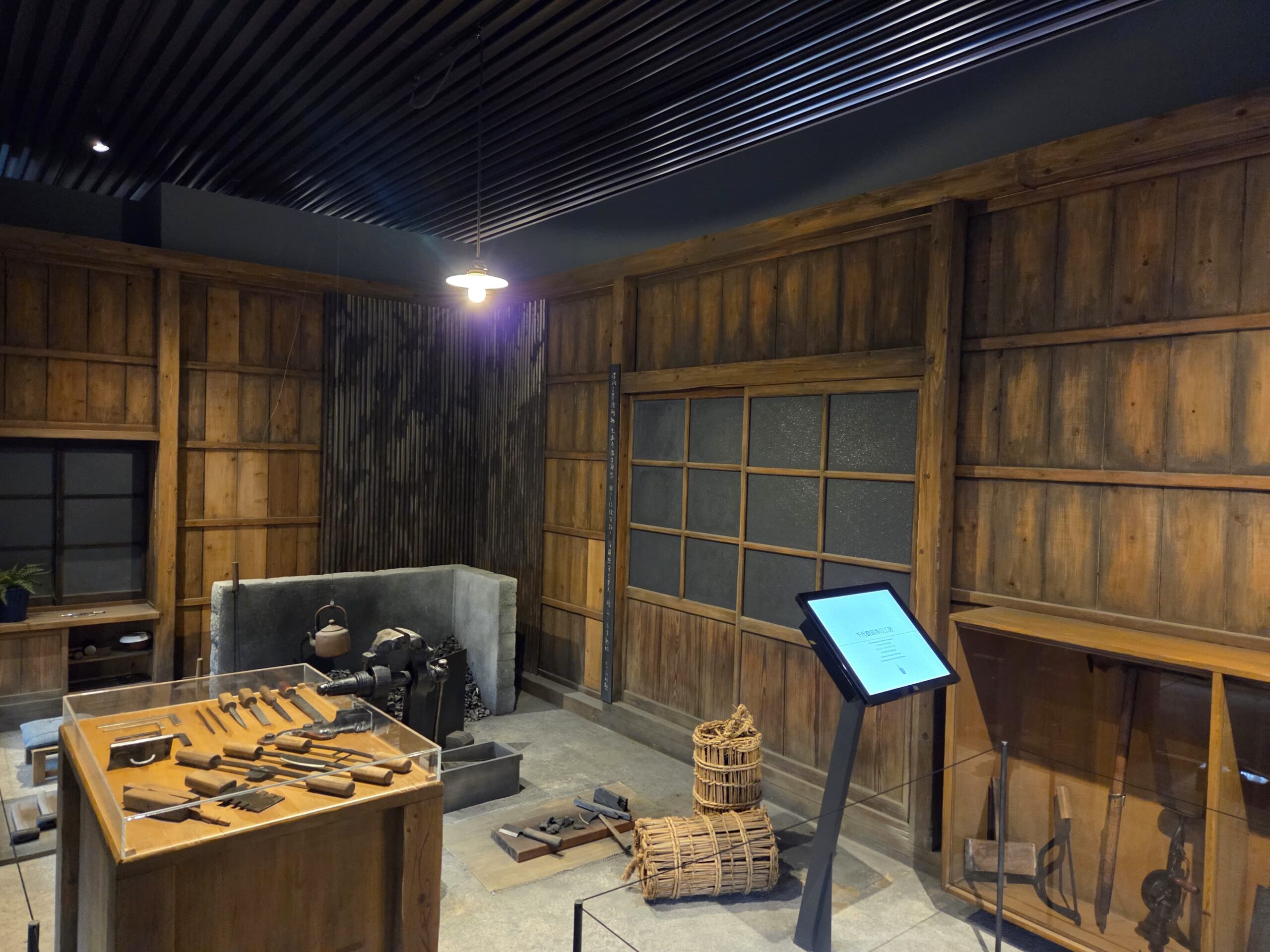
After that, since it was near Shin-Kobe Station already, I went into the Takenaka Carpentry Tools Museum. It was quite a nice museum to understand how carpentry works and give appreciation to the “art” of woodworking. It explained lots of concepts like roofing, joints, wood selection, etc. I think I can give furniture and wood products more appreciation after this visit.

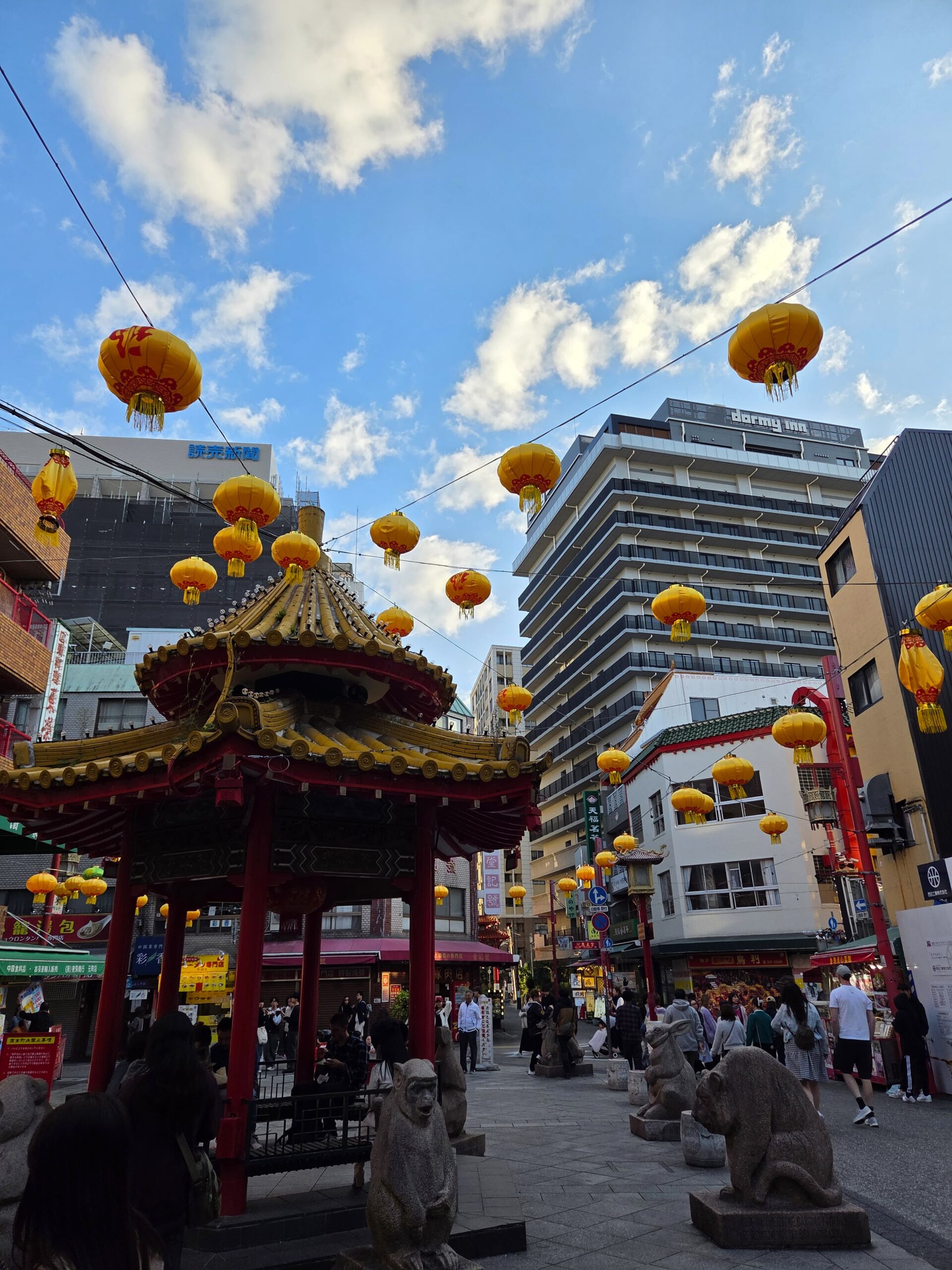
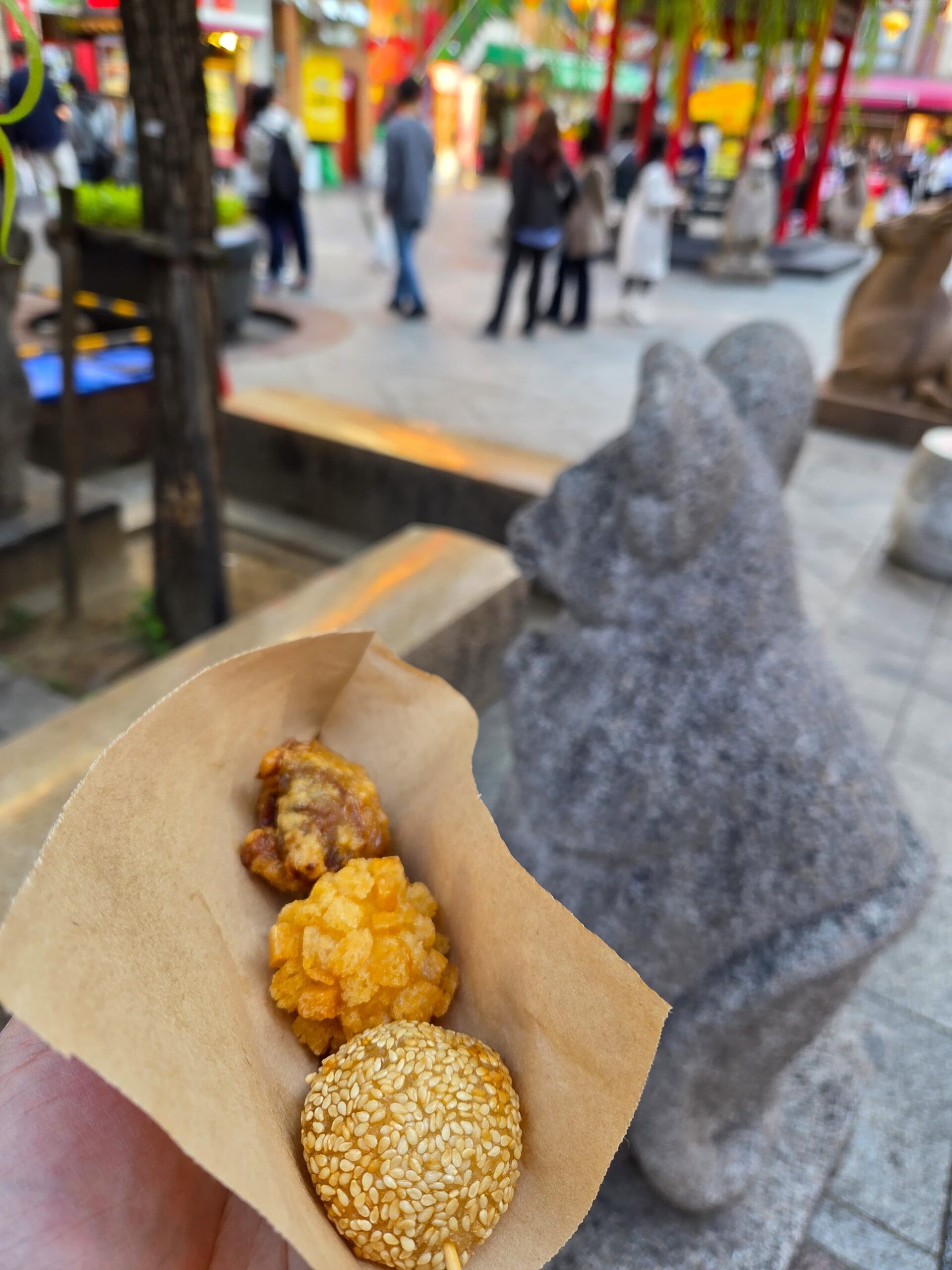
Next I was deciding between visiting Chinatown or not, but I’m glad I did. It was a good place to rest and snack a bit, although the street snacks didn’t taste as nice as they looked.
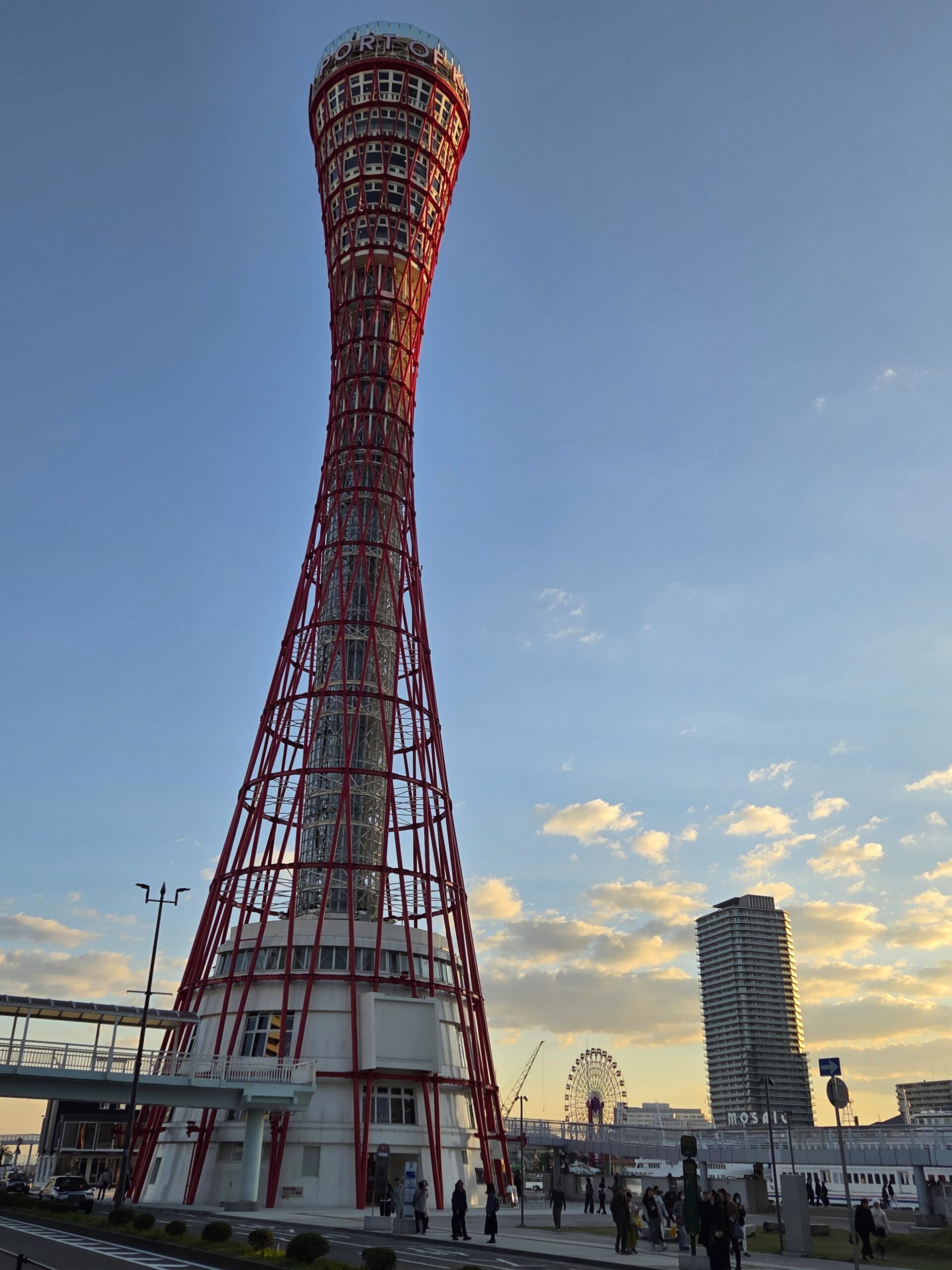
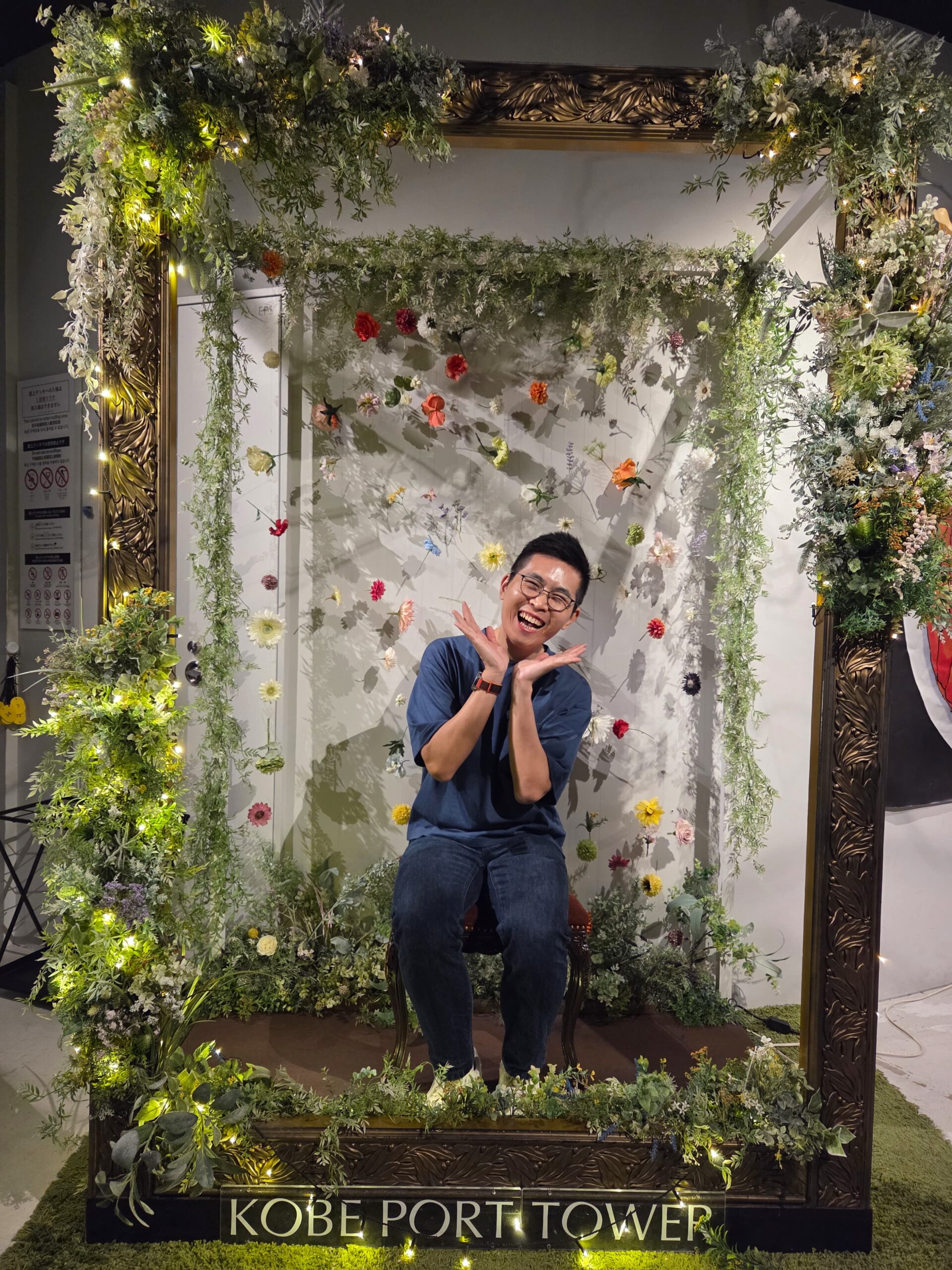
Finally, I spent the rest of the afternoon down south at Kobe Port Tower. It turned out I enjoyed it very much. I liked that we can go to the open-air roof area to watch the surrounding area. As I went up in late afternoon, I stayed through the sunset time till it was dark. Though the sunset was obscured by nearby buildings, the atmosphere was quite pretty nice. It was a nice activity to try to spot things far away too.

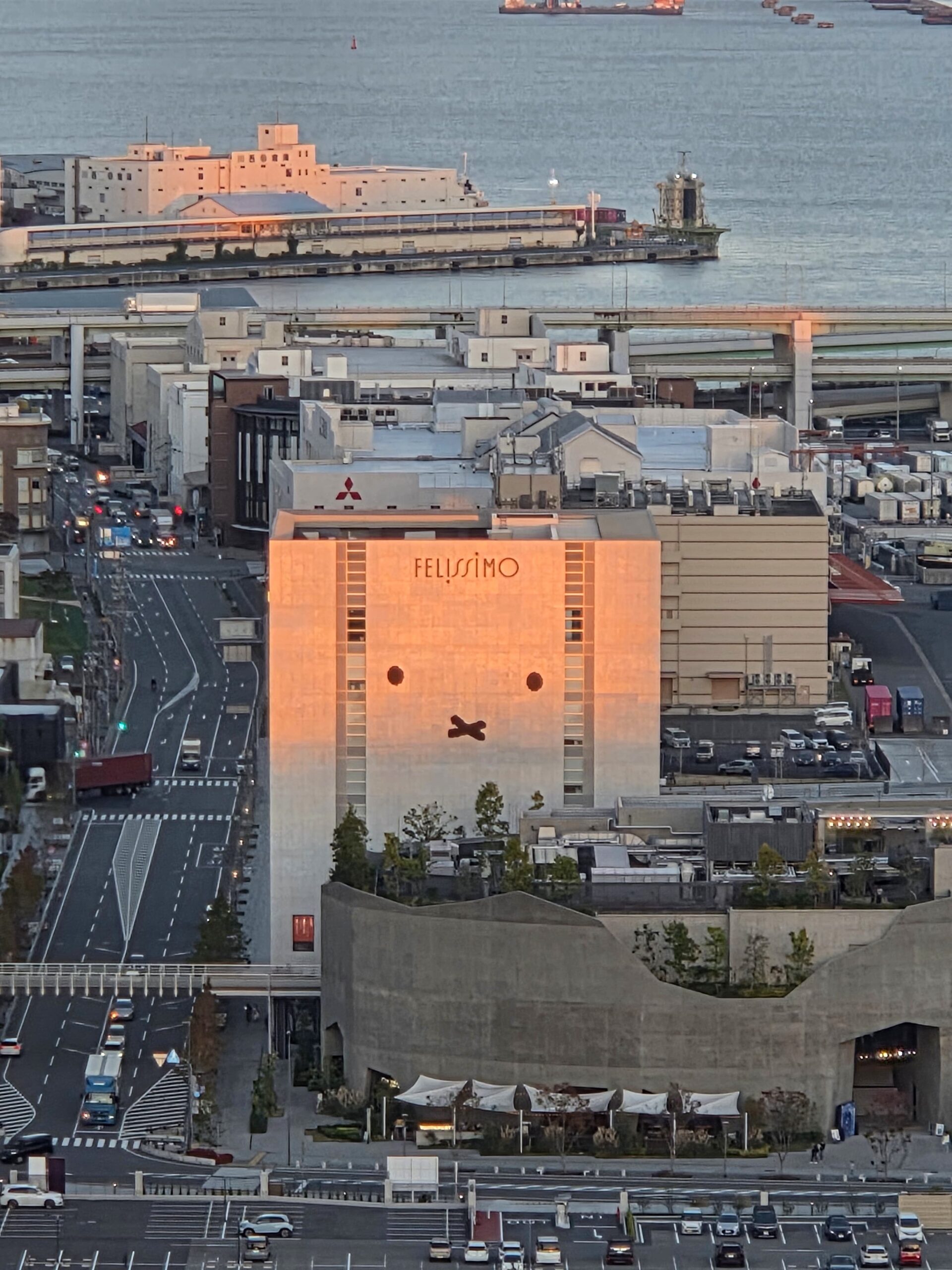

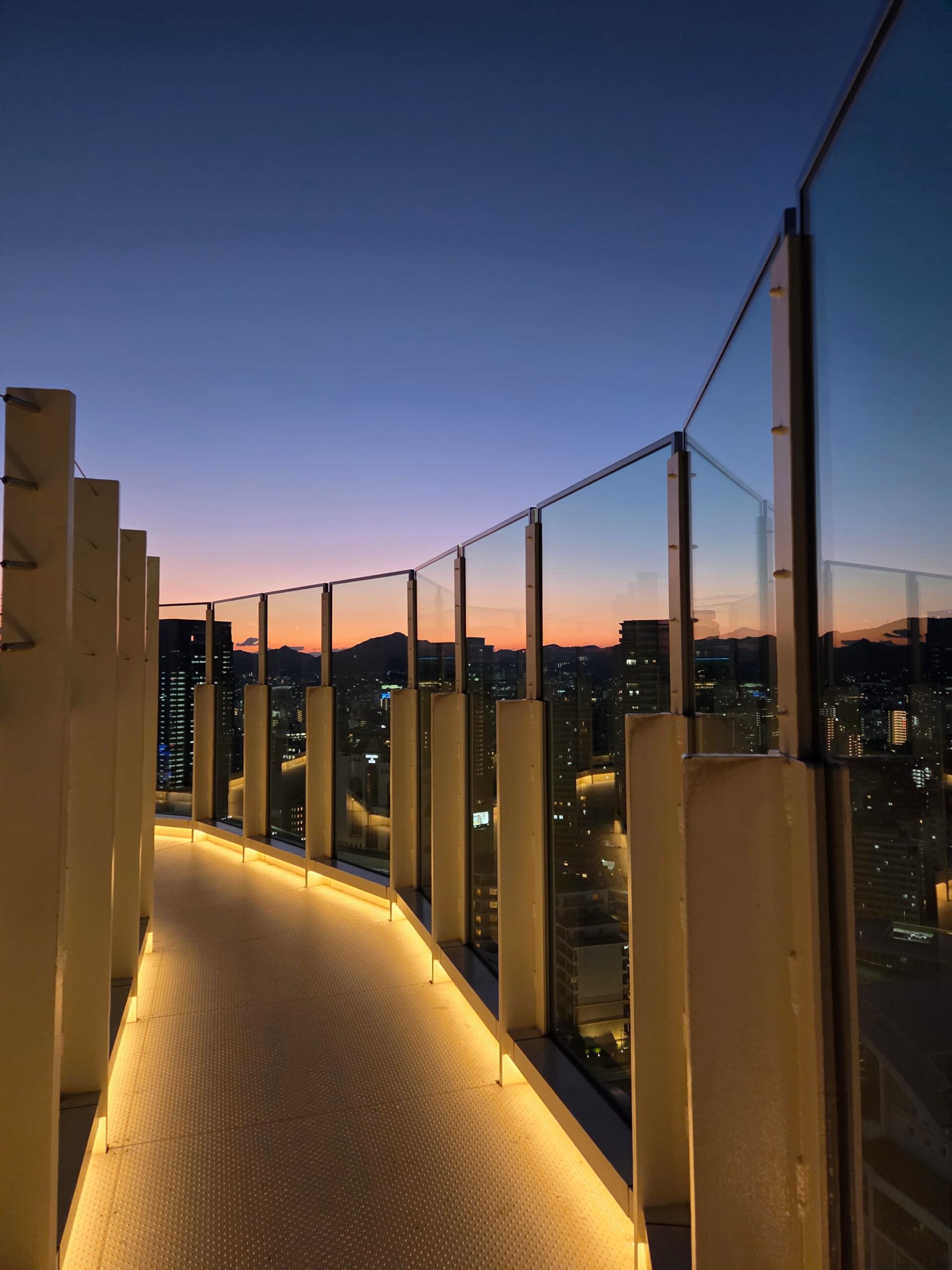
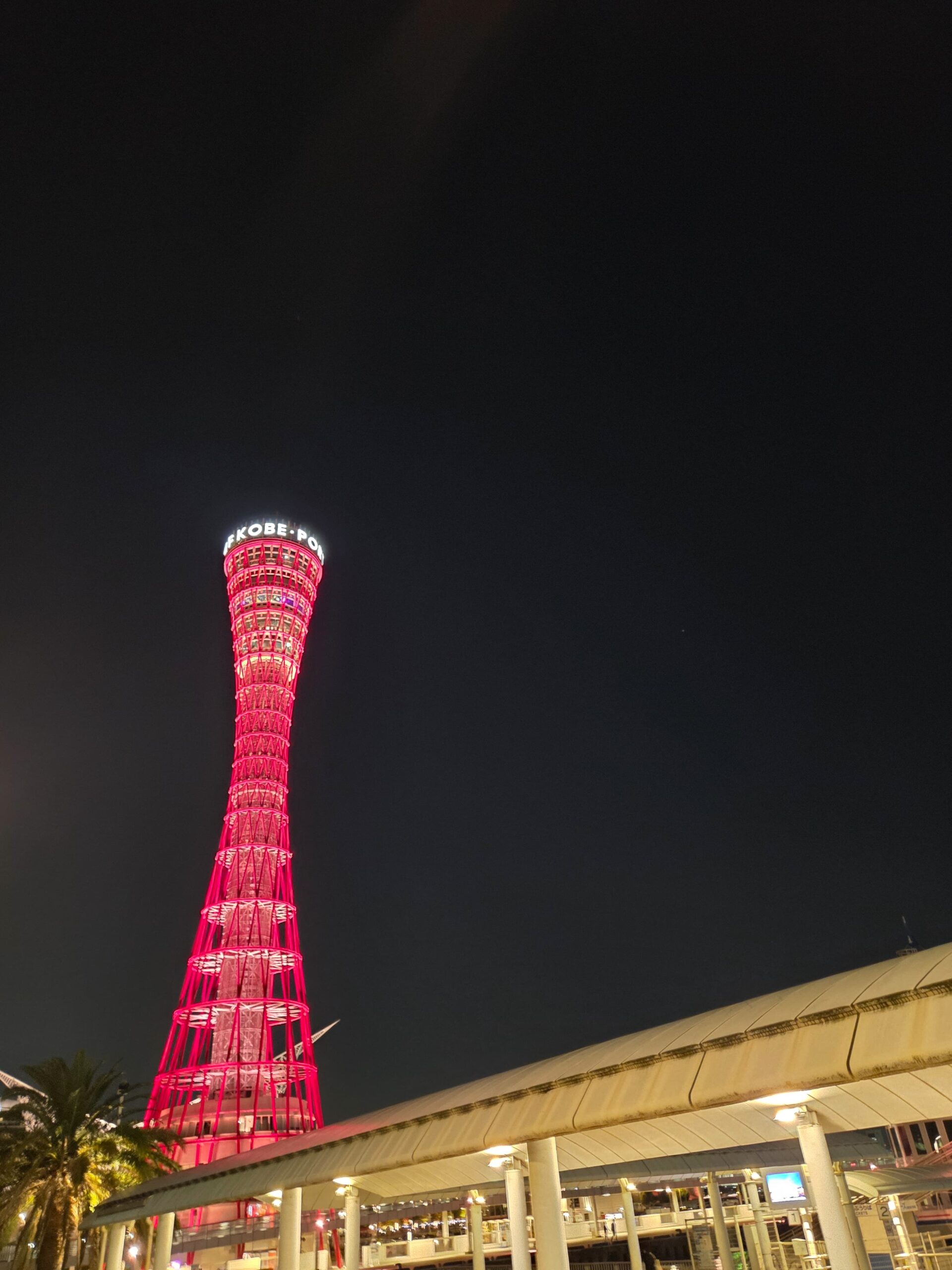
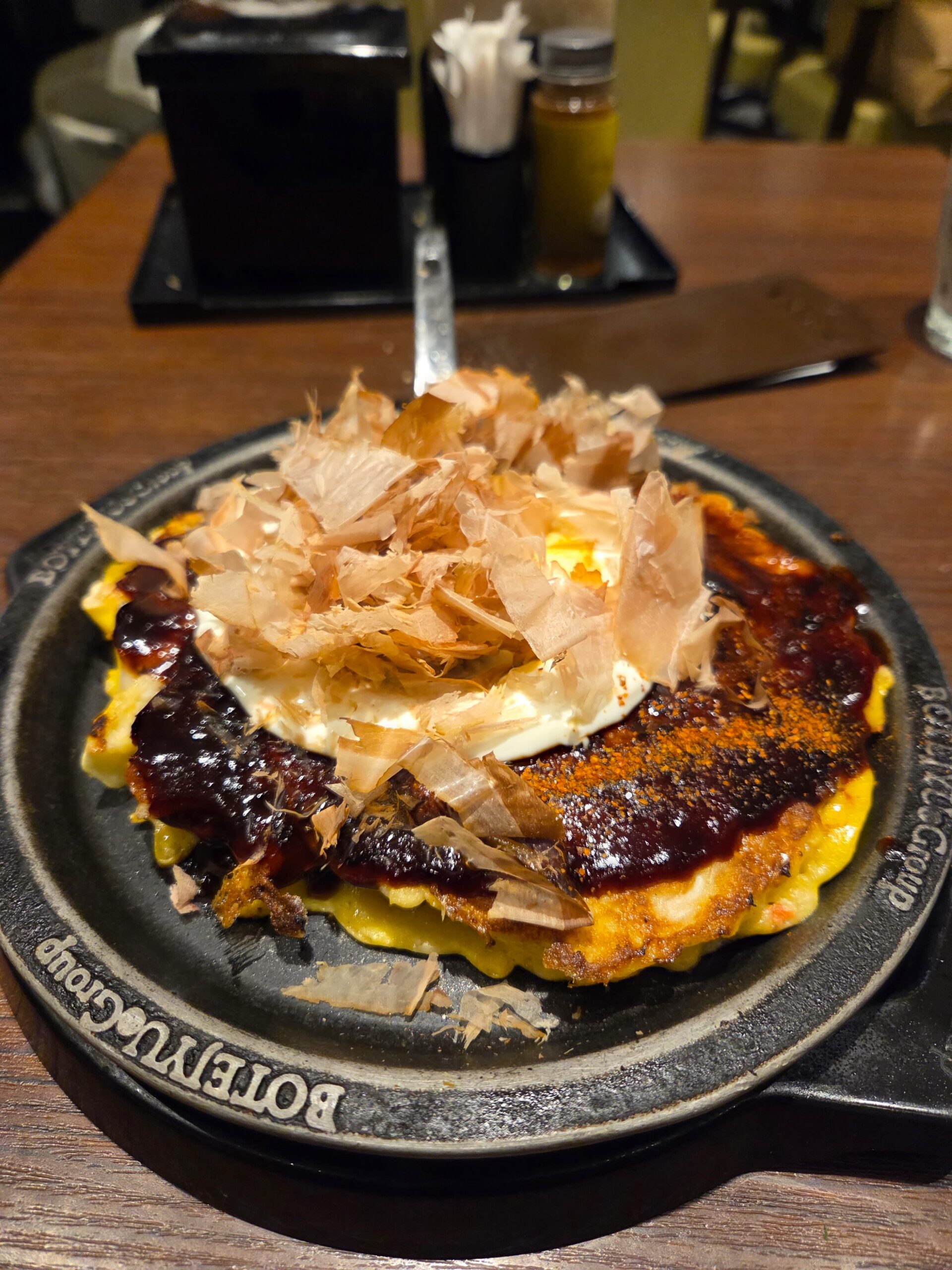
To end the day, I spent the rest of the time at Kobe Harborland. I had okonomiyaki for dinner, and then got trapped at various shopping places (Kiddy Land, Bic Camera) till the closing time of the shops. I walked back to the hotel since apparently this place has a very long underground connection to Kobe Station.
Osaka
The next day, I went to Osaka. It was only a 30-minute train ride with the “rapid express” train service. Arriving at Namba Station, I immediately got flashbacks to my first day in Japan in the previous trip, where I also arrived at Namba Station first. Luckily this time I could orient myself better. I found my way to the hotel and left my luggage there first before going out for the day.
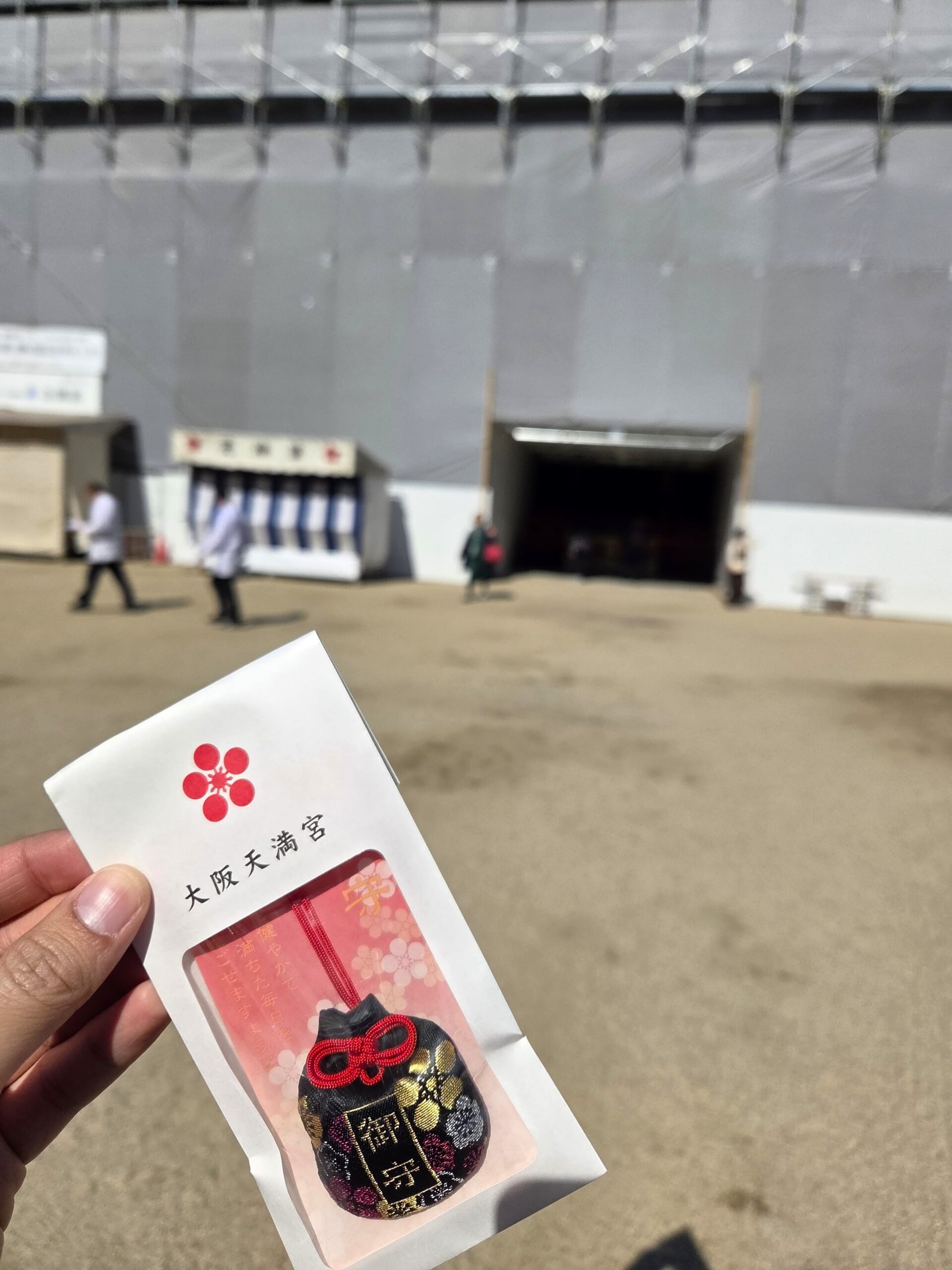
My first day in Osaka was spent first in Osaka Tenmangu Shrine. I thought I haven’t visited this place on my last trip, but as I was reaching the place, I recalled vividly the surroundings and I definitely have visited this shrine before. Unfortunately the exterior this time was under renovation. So the visit was really short.
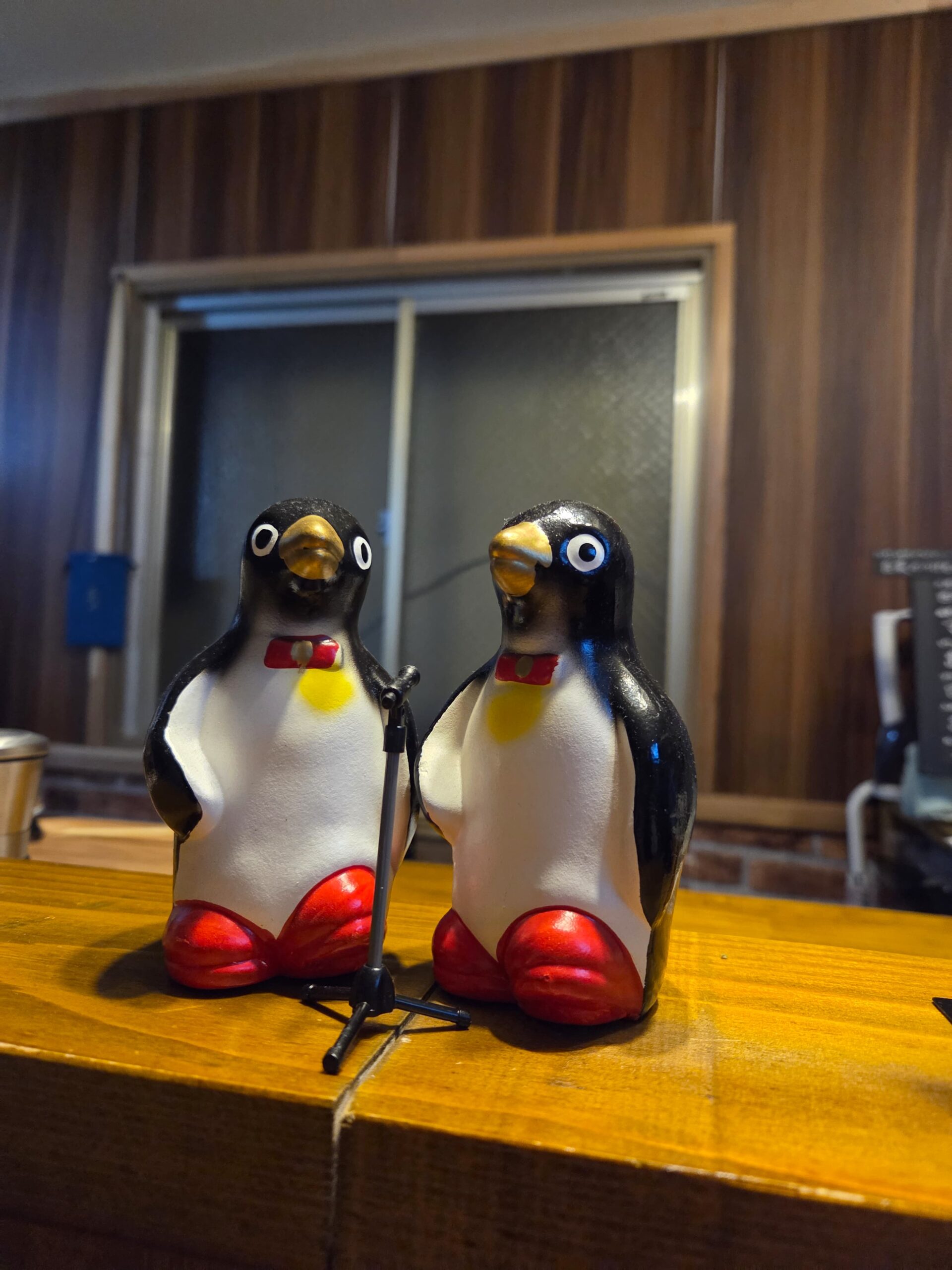
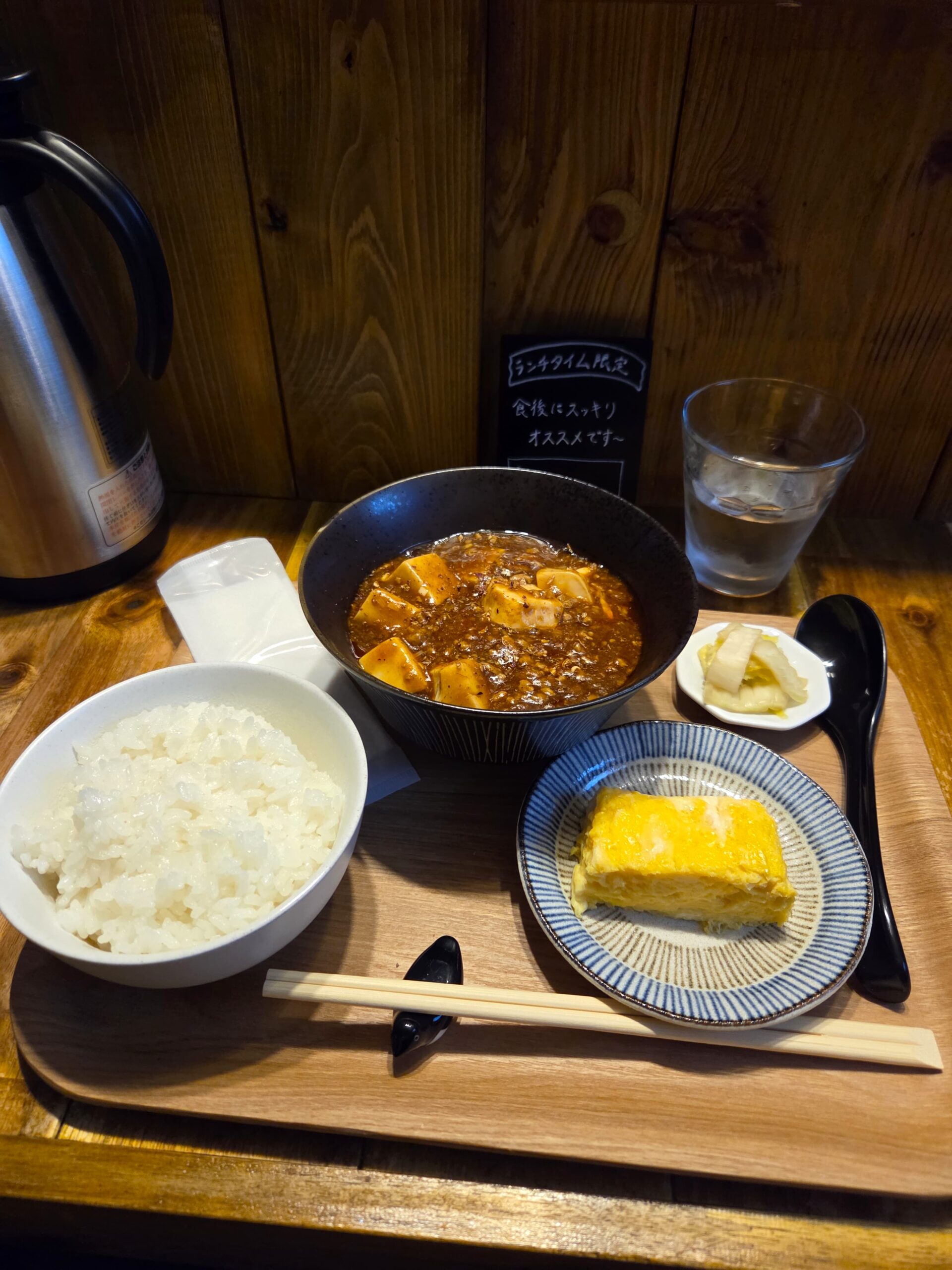
Next I went to the Tenjinbashi-suji shopping street, and chanced upon an interesting cafe named “Penguin Cafe”. I went in, had lunch, and the place was full of penguin-themed decorations. Even the TV was playing a documentary on penguins. The food served was a mapo tofu set meal and it was pretty good too.
After that I slowly walked myself in that shopping street. I chanced upon a shop that sells articles from luggage that were lost in trains. It was interesting to see that there’s so many items that even still have tags that are sold here.
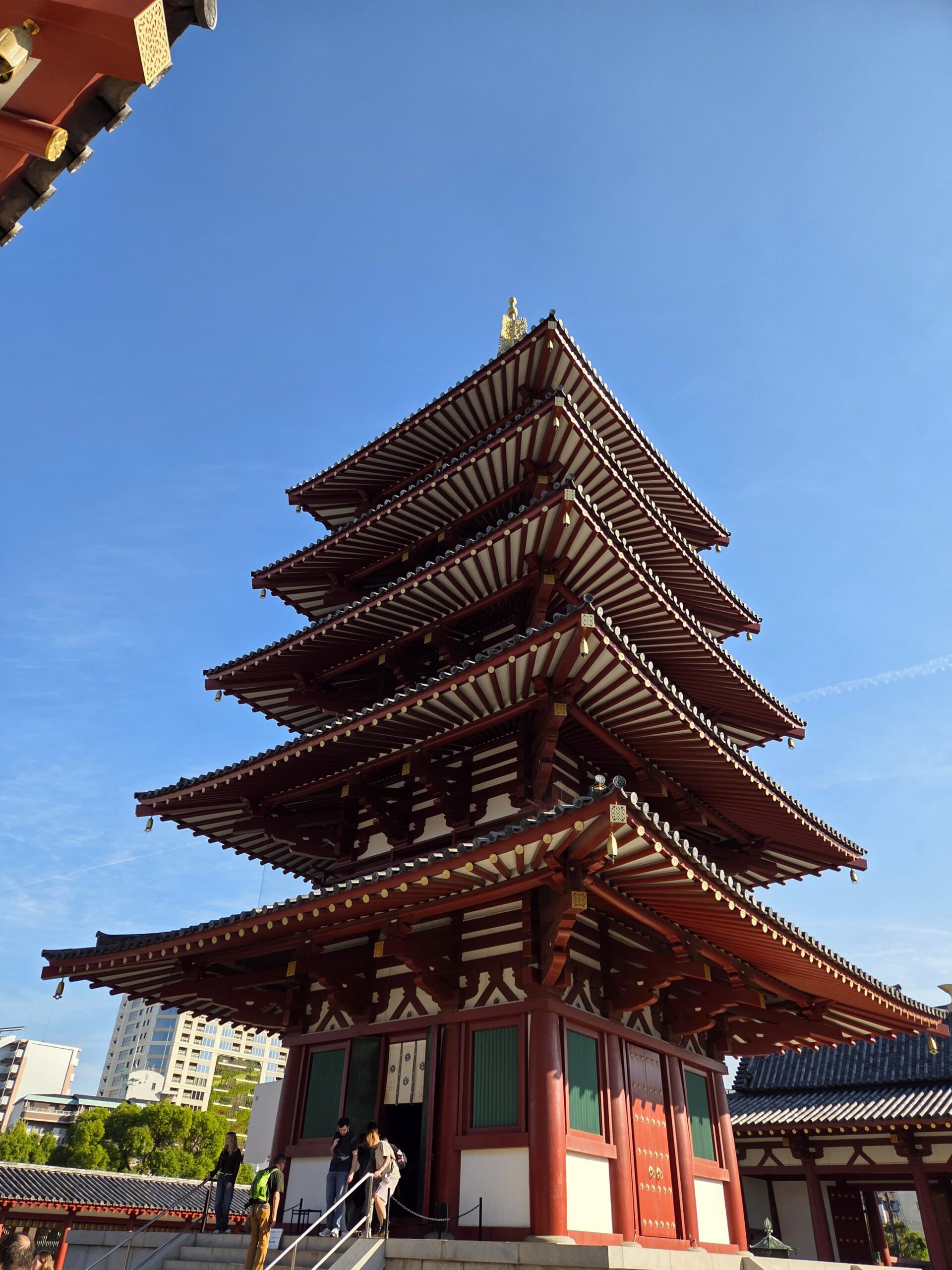
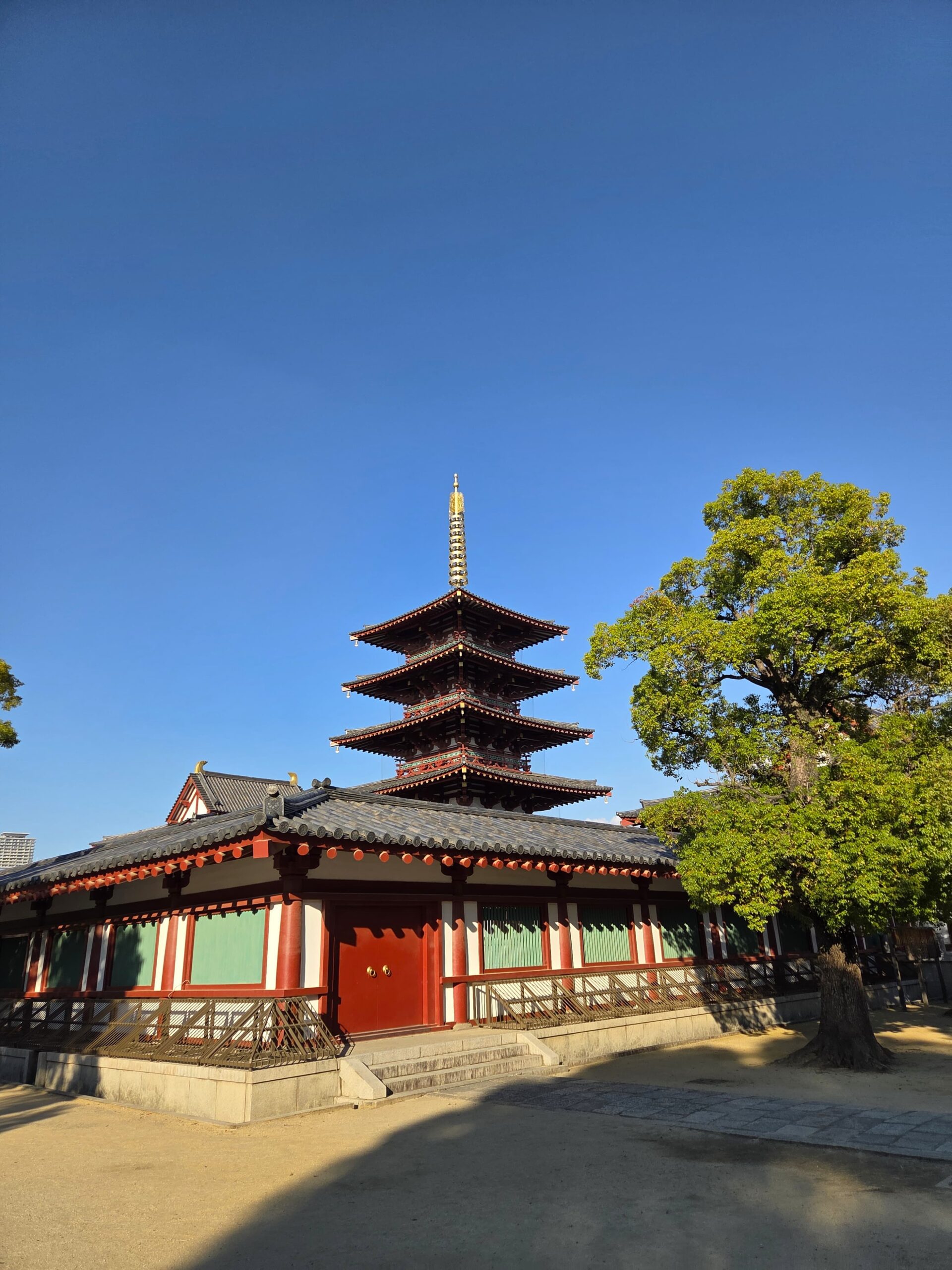
Then after walking all the way to the end of the shopping street, I took a train to visit Shitennoji Temple. Now that’s a huge temple complex, with several interesting buildings to view, like the main hall, pagoda, and even the museum. It was impressive that things could be preserved this well even after thousands of years.
After that, I went to Abeno Q Mall for my first round of shopping. While I didn’t do much exploration of the shops, I checked all my shopping targets there in the mall. To end the day, I met Leo at the Honmachi area and then we walked to find dinner and then chit chatted at his place.
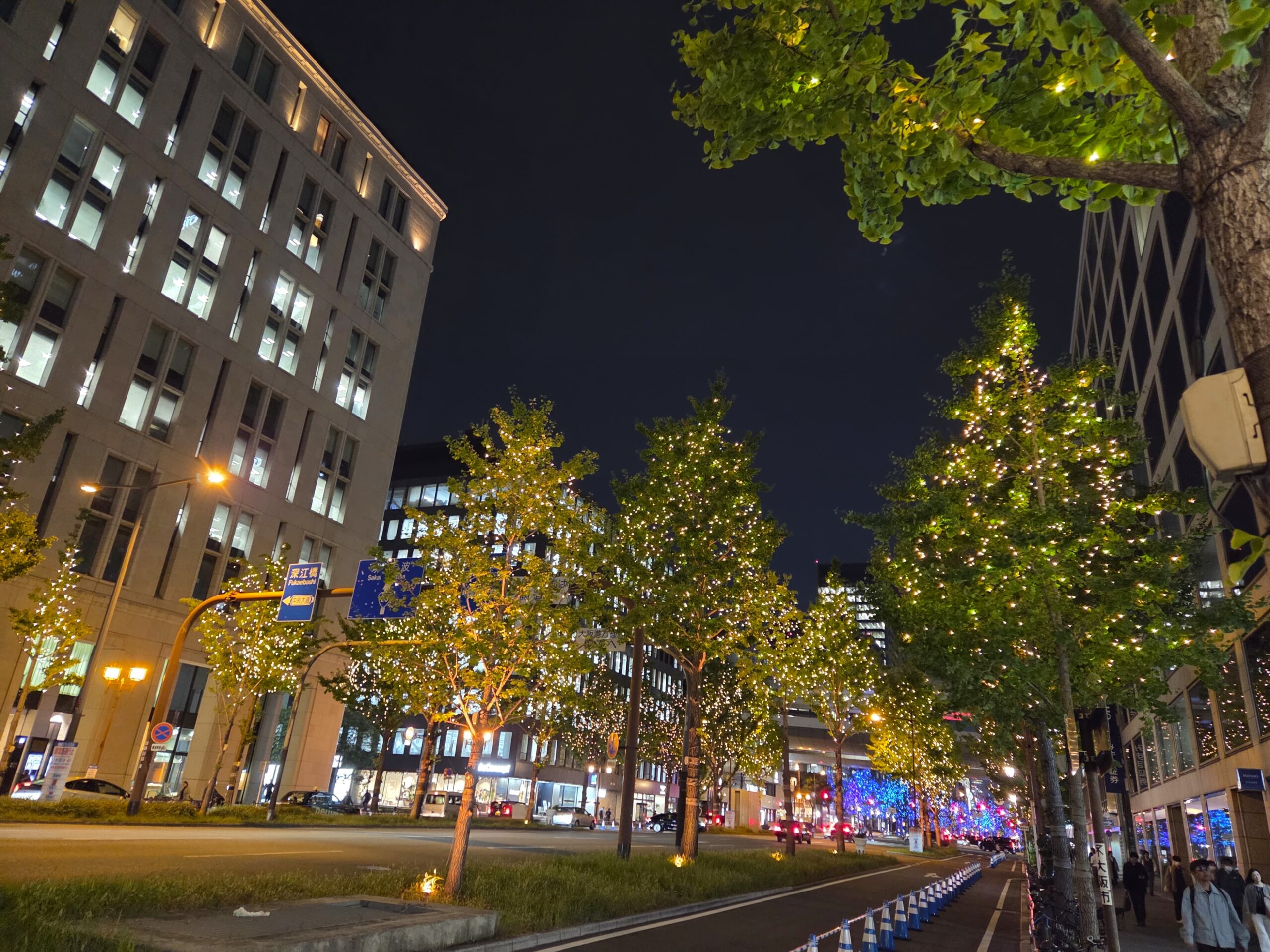
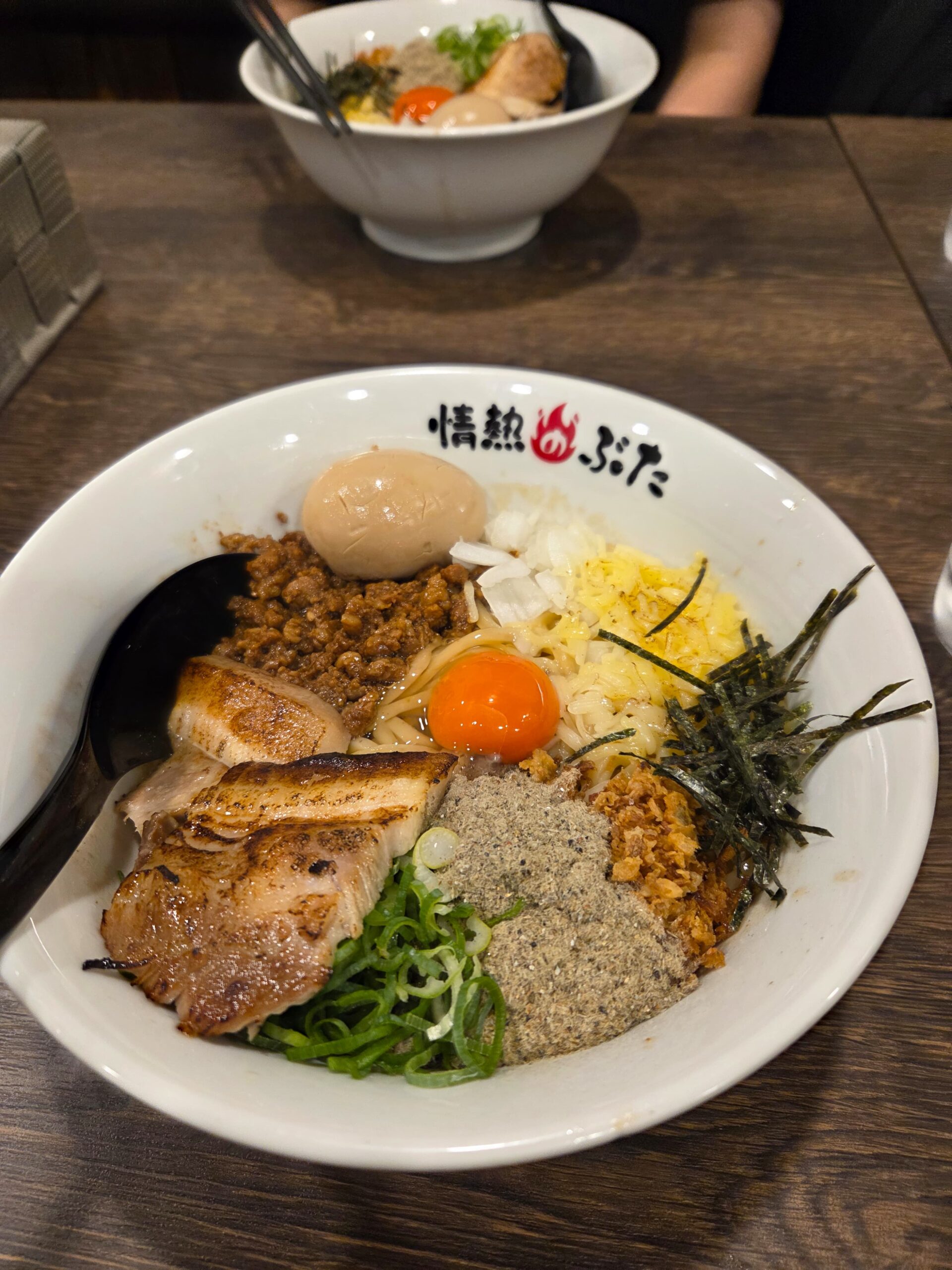
The next day was mostly rainy. I went to the Osaka Aquarium area. The day before I checked its website to check for ticket purchase information and thought that I didn’t need to reserve a timing, but when I arrived at its opening time at 10 am, apparently the queue had formed and they only sold tickets starting for 12 pm. Ugh, I should’ve reserved the day before. I think I got used to the slower pace of rural Japan, where tickets usually are only sold at gates and there’s no need to reserve a time slot. I guess the next best thing to do is to do the next best thing: reserve the ticket for 12 pm, and then find other things to do. There’s a big ferris wheel at the Tempozan Market area, so I rode it.
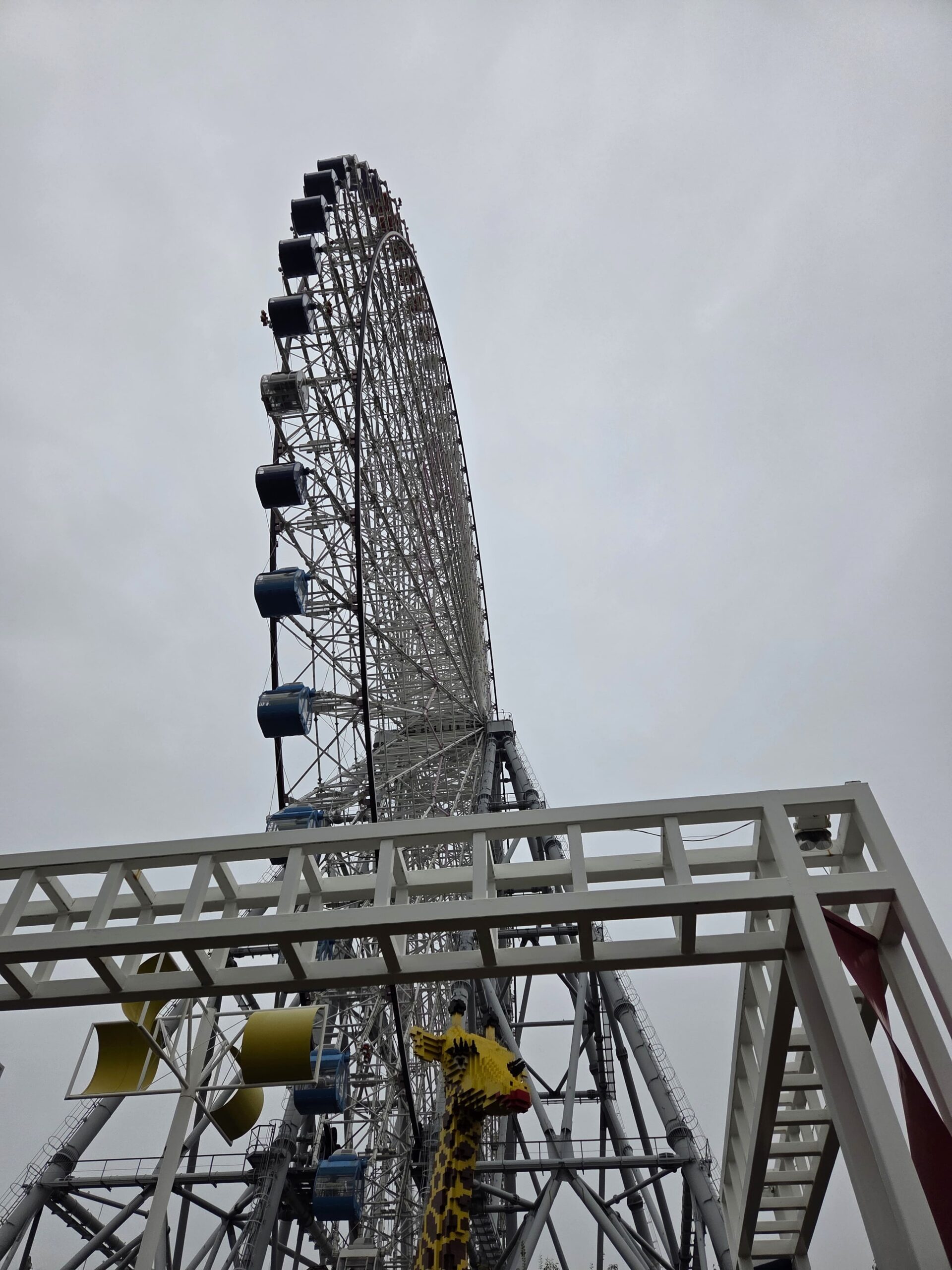

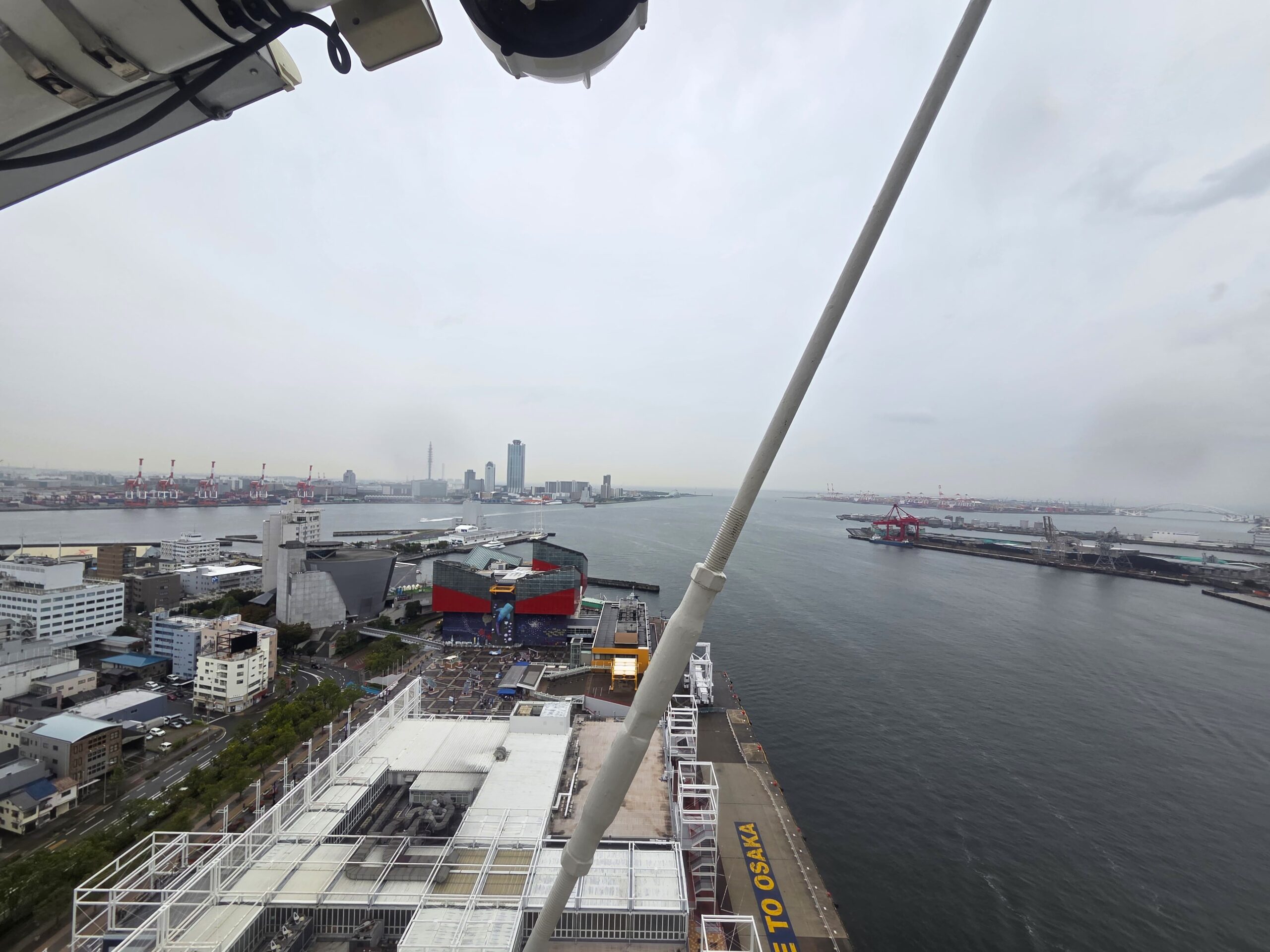
It was pretty good, although the rain obscured the view. I could see some landmarks from afar, although I doubt I could see Kobe from that point. The ride was only half an hour, so after that I explored the Tempozan Market mall.
I tried to enter Legoland Discovery Center, but unfortunately you couldn’t buy a single adult ticket; you have to at least buy together with a child too. Well, they could’ve specified this information upfront instead of presenting it as some error occurred during the checkout process. Well, the rest of time was spent checking the shops and then had early lunch.
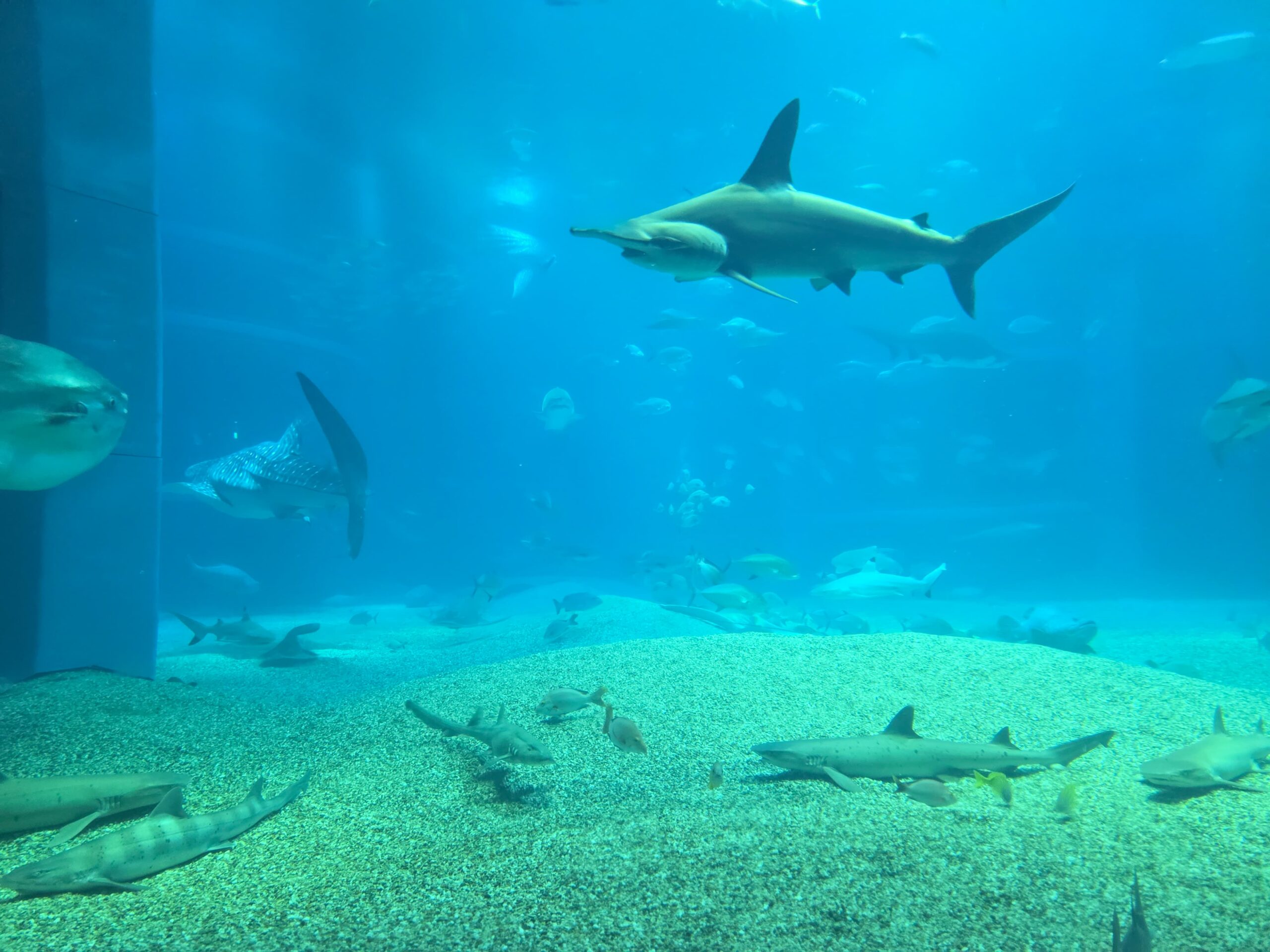
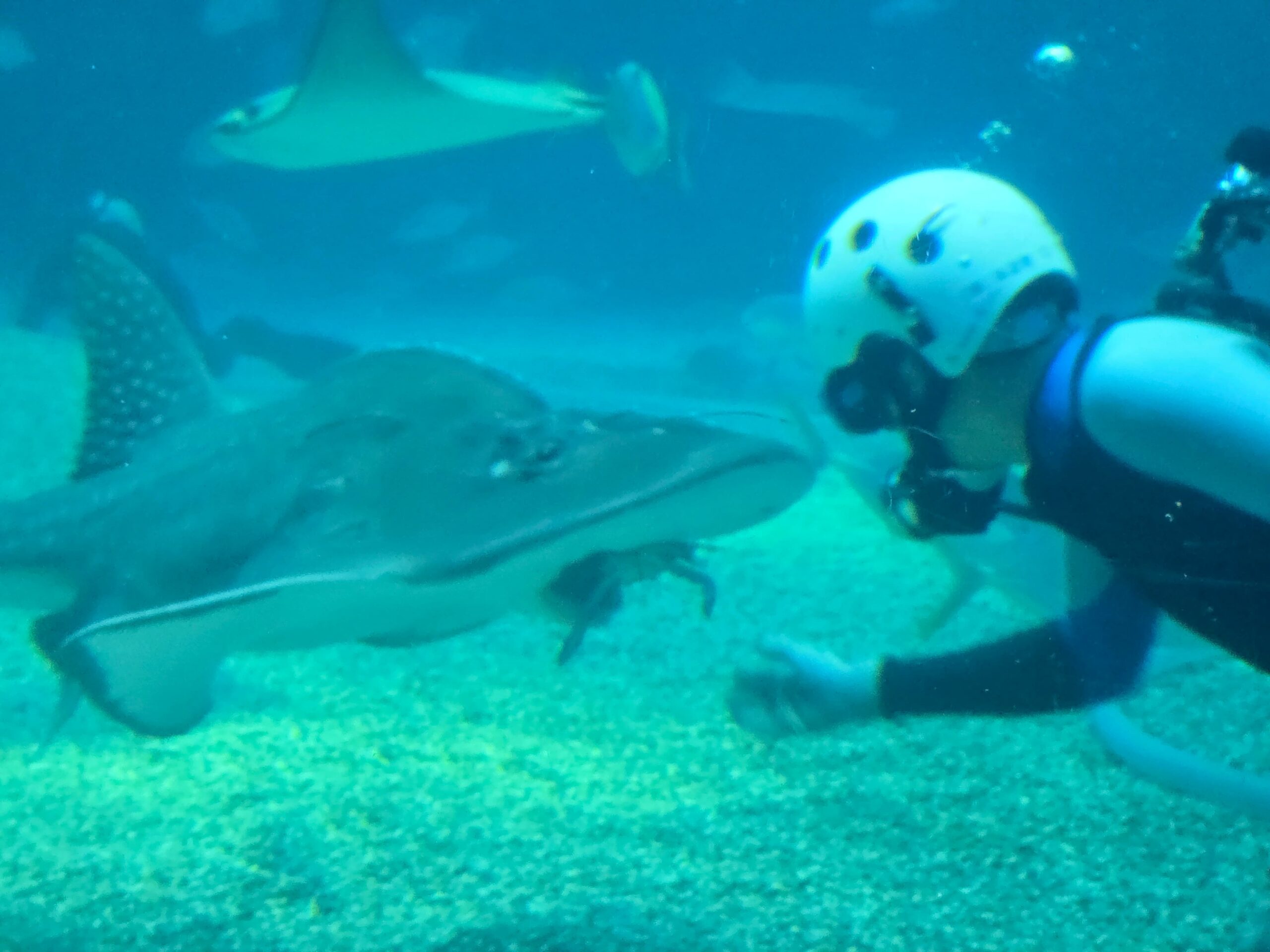
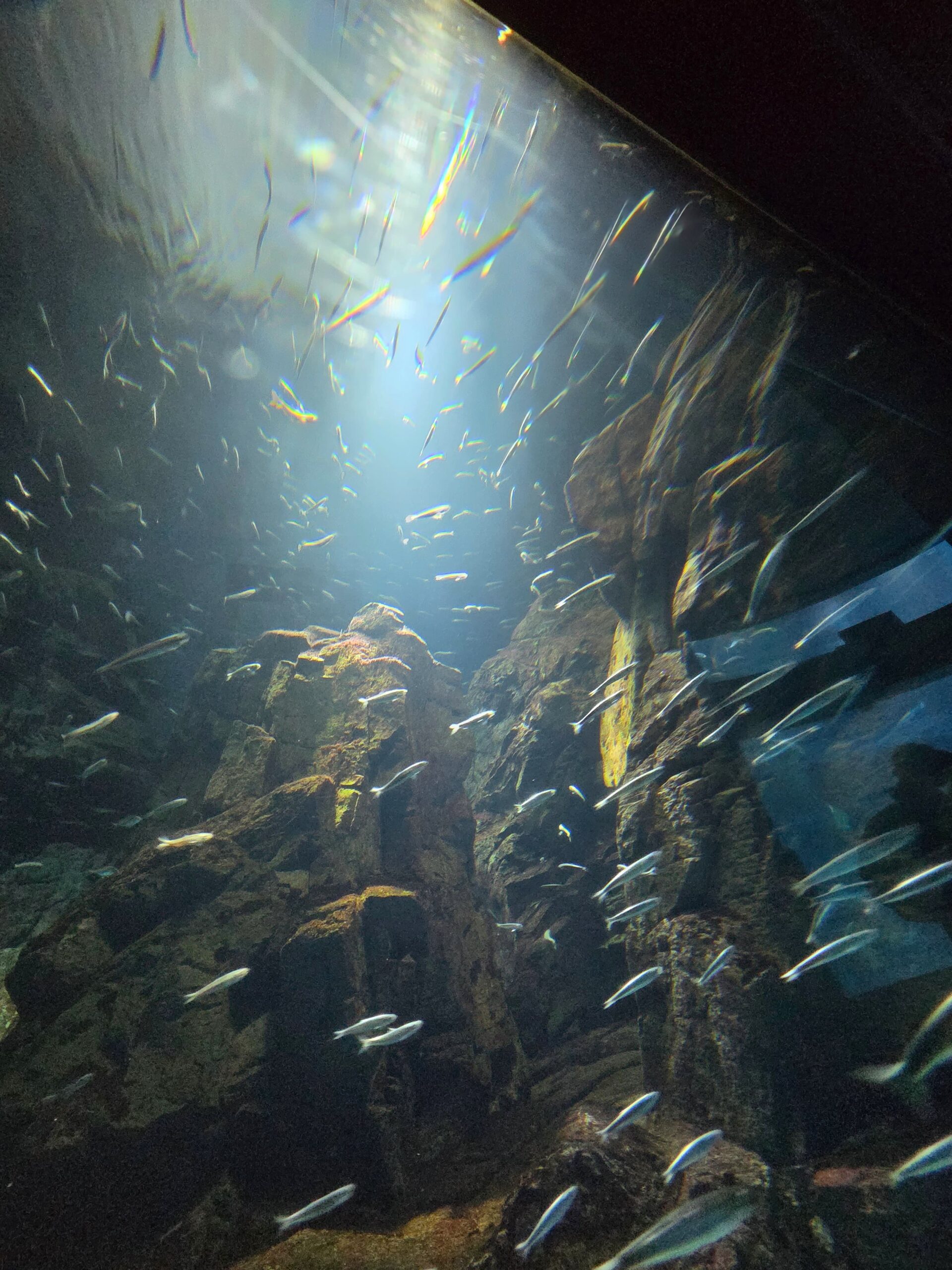
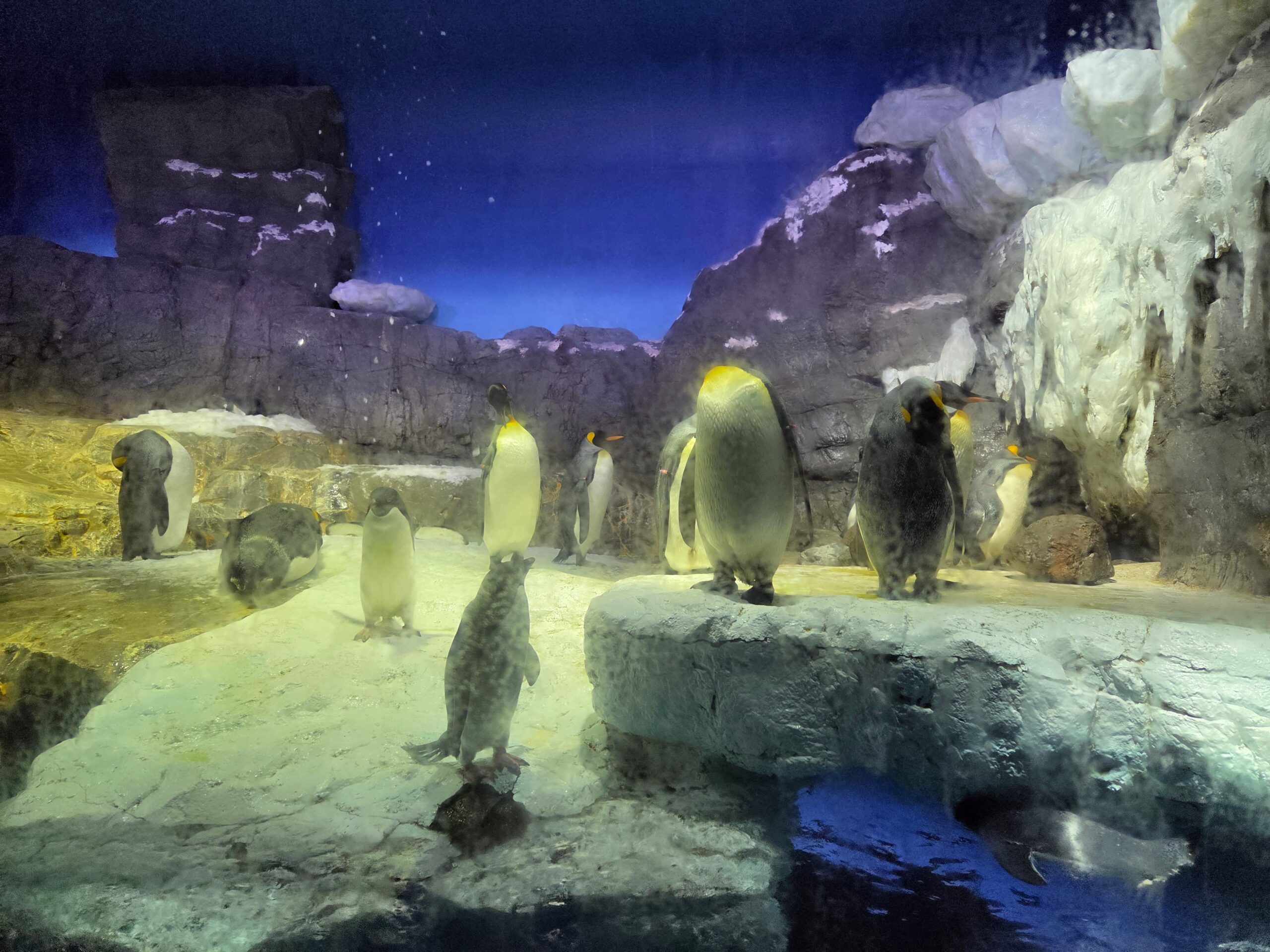
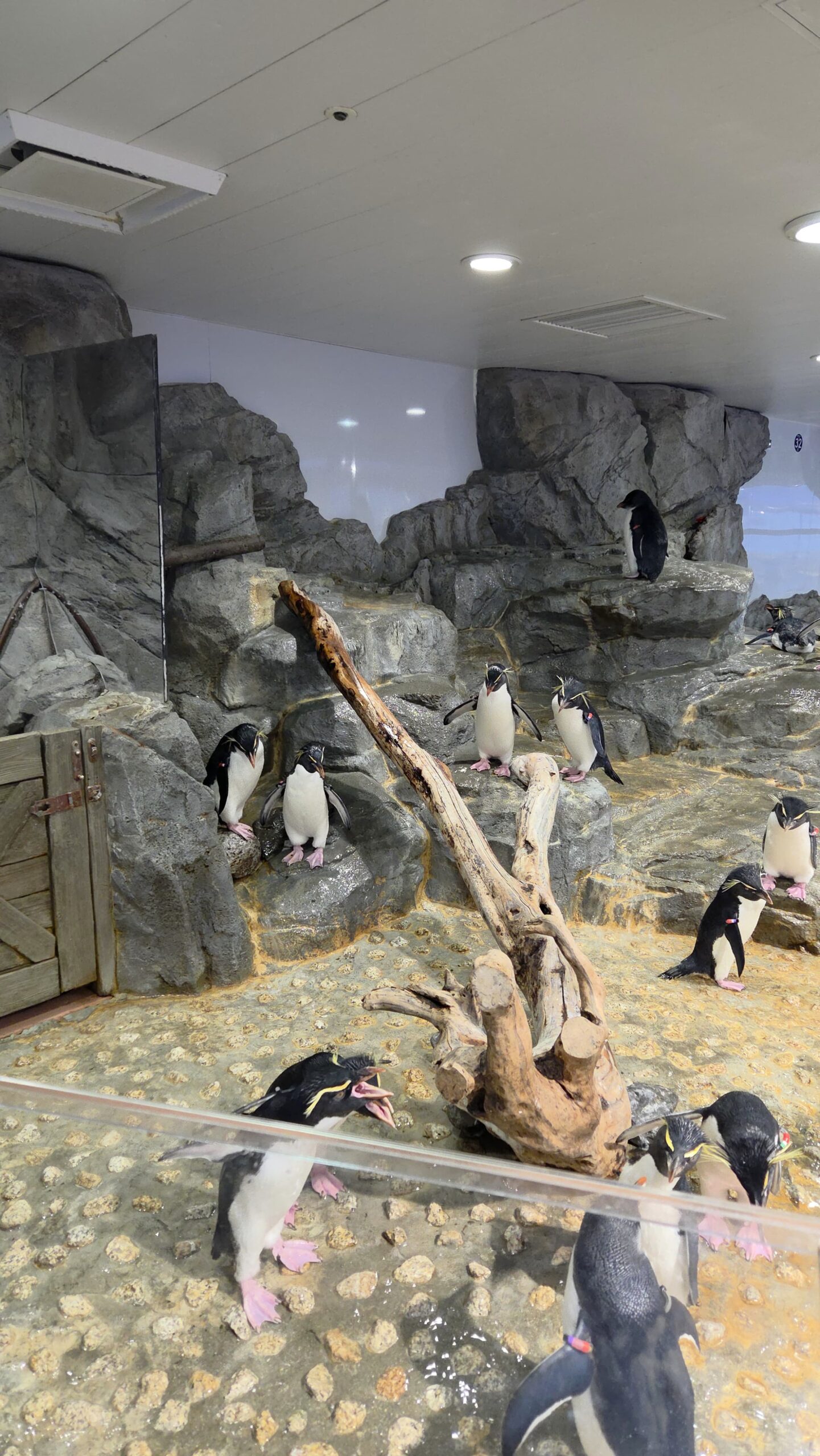
After that, I finally entered the Osaka Aquarium. I think the route plan was really good. The building was quite tall for an aquarium and after the entrance, we went to the top level, and then the route slowly circled to the ground level. We’re introduced to different themes of oceans and as we went downwards, also introduced to creatures that live deeper and deeper in the ocean. Even for a weekday, the aquarium was really crowded. Waves after waves of young kids under school trip came and went. I think the centerpiece “Pacific Ocean” was amazing, showing a vast area of different species that lived under that ocean with many of them intermingling together, especially with the big whale sharks, which are used as their mascots. Besides that, it’s also my first time encountering closely a very open enclosure of Gentoo penguins and they were really loud when they squeaked.
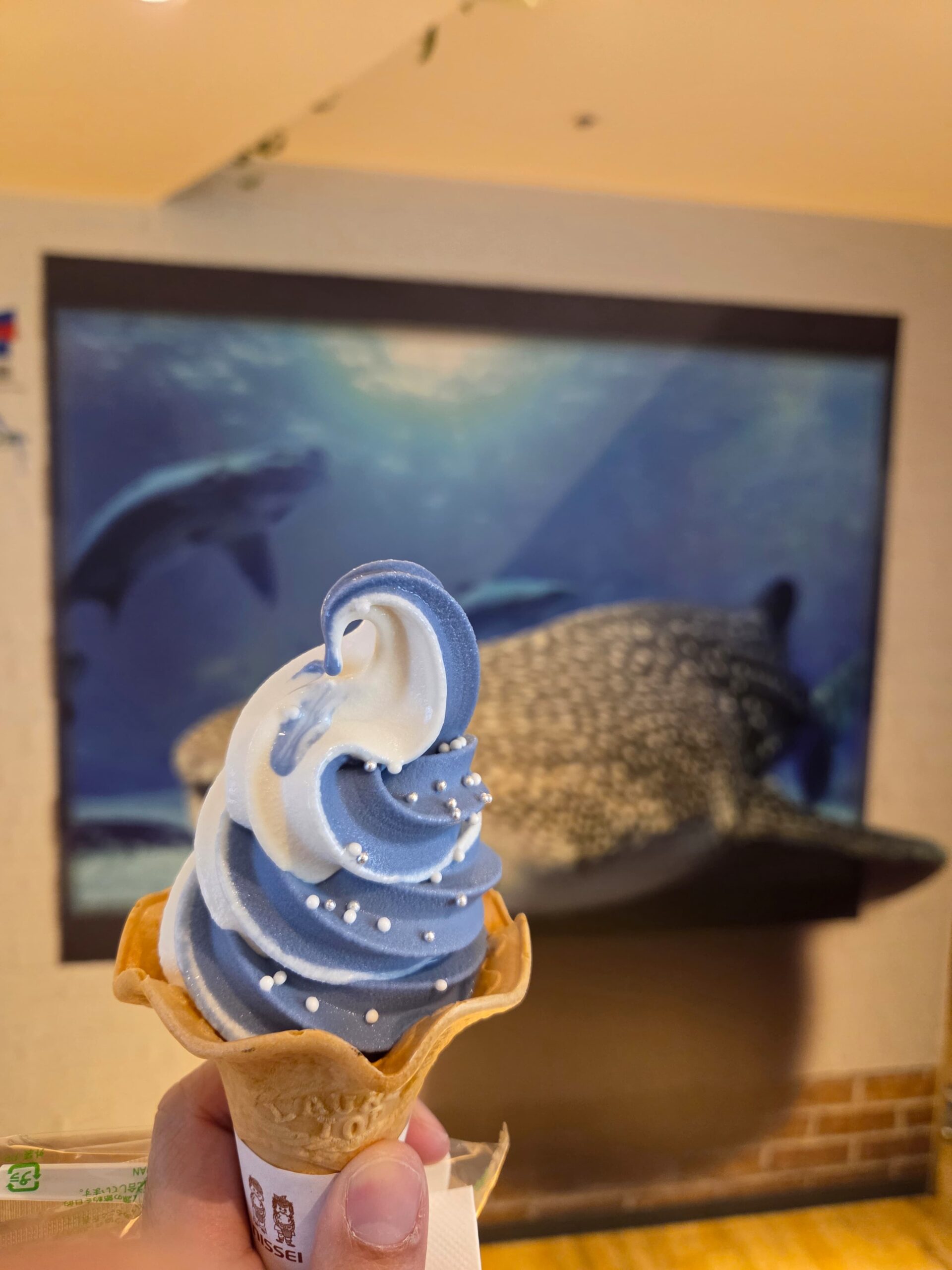

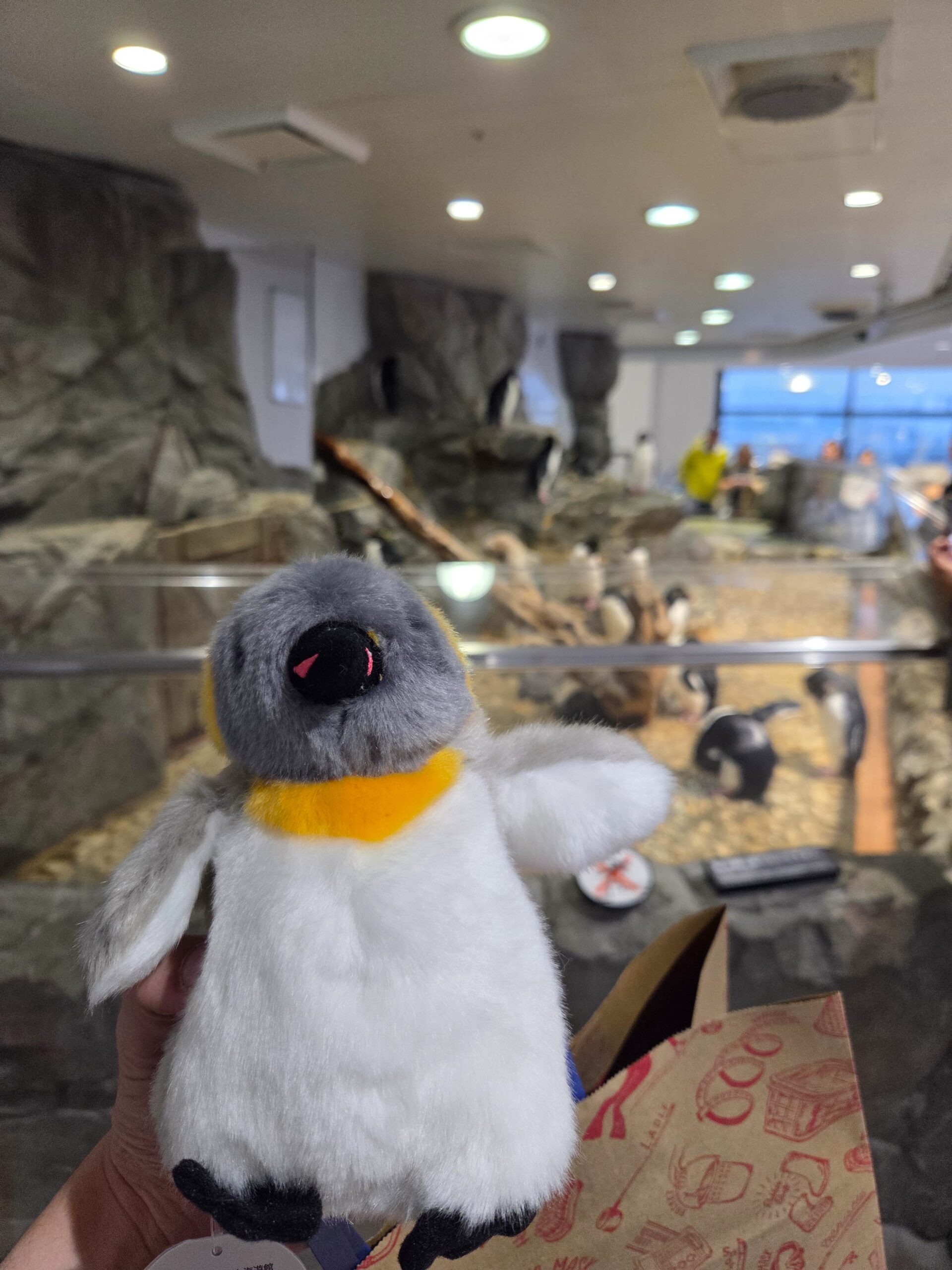
After the aquarium, I noticed that the rain hasn’t subsided. I went to get some snacks back at Tempozan Market, and then decided to brave myself under the heavy rain to go back to the center of Osaka to do a quick anime merch shopping.
I went to the Nipponbashi area, back to the two shops that I entered back in 2024 and felt so good that they manifested my wishlists.
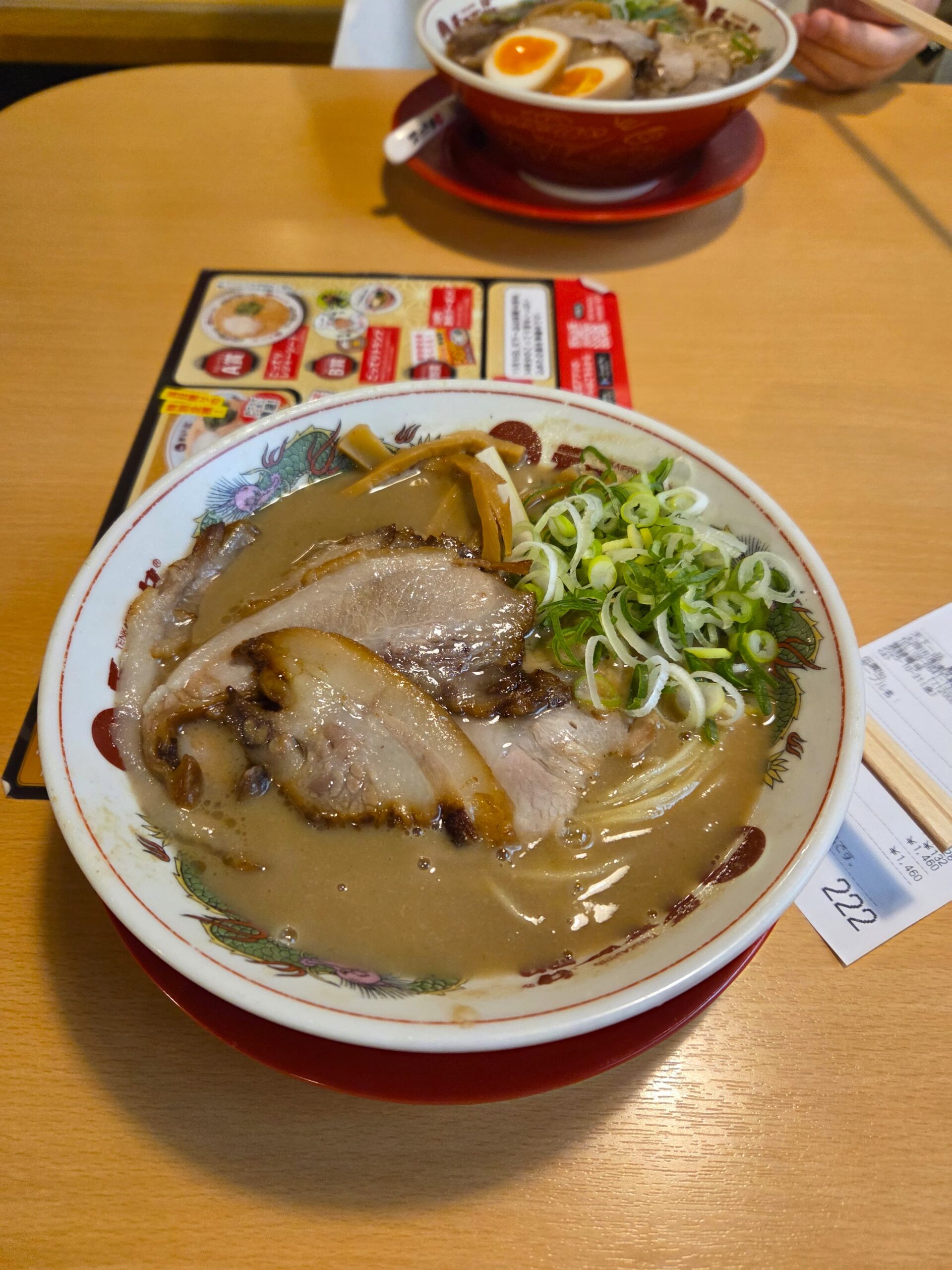
After that, I rushed to a karaoke place to meet Leo. We had karaoke for 2 hours and it turned out it was really cheap! It was quite fun too singing all those Japanese songs. After that we had dinner nearby at a ramen place and called it a day.
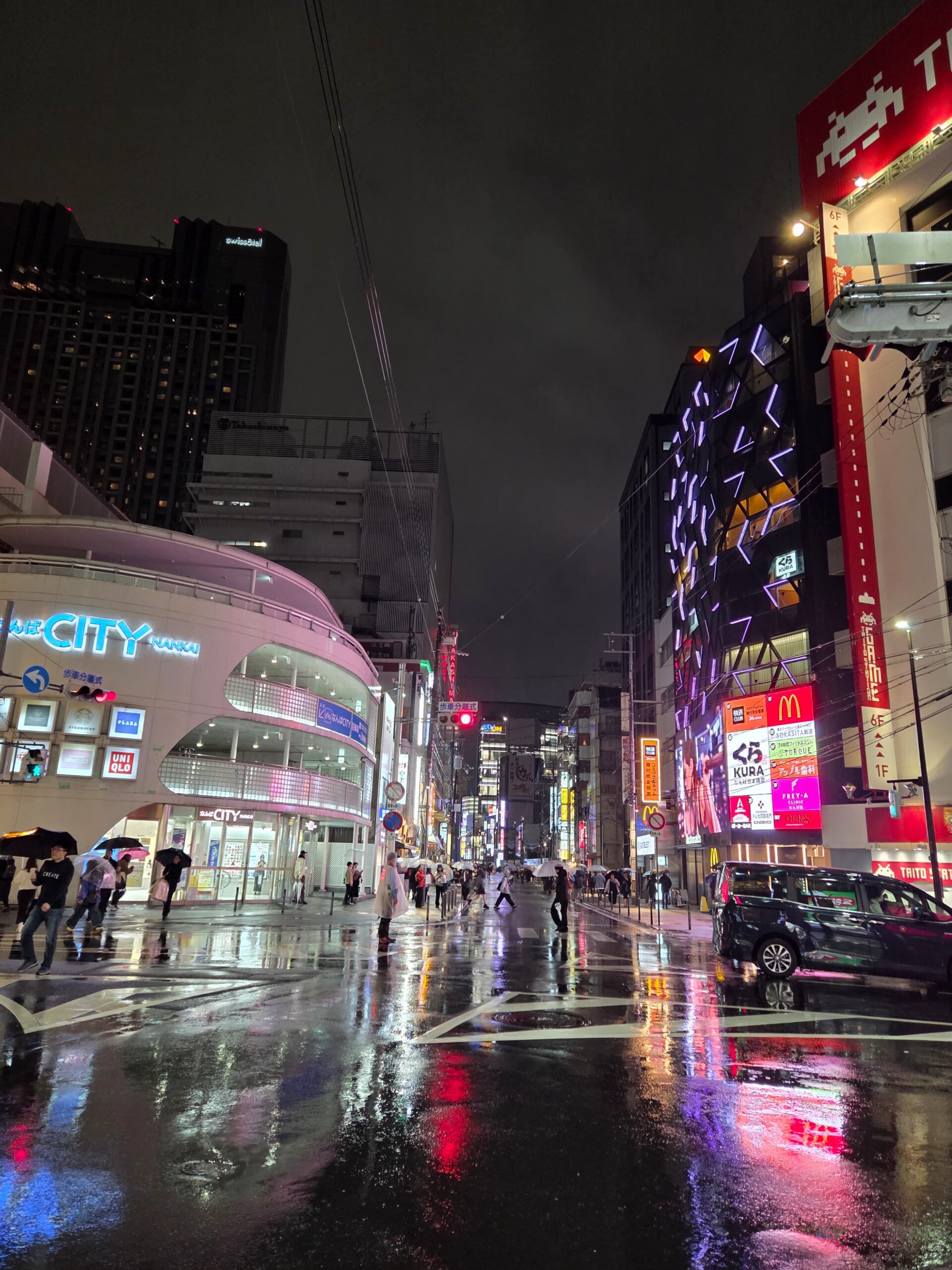

When I was reaching my hotel, since it was Halloween, I got curious and walked a bit further to see how’s it like in Dotonbori (since it was just a block away from my hotel). Quite interesting that the police had employed some techniques to disperse the crowd to reduce overcrowding: they covered the Glico sign area with a high barrier. Those areas were really crowded and I started to feel a bit uneasy. I followed my intuition and returned to the hotel.
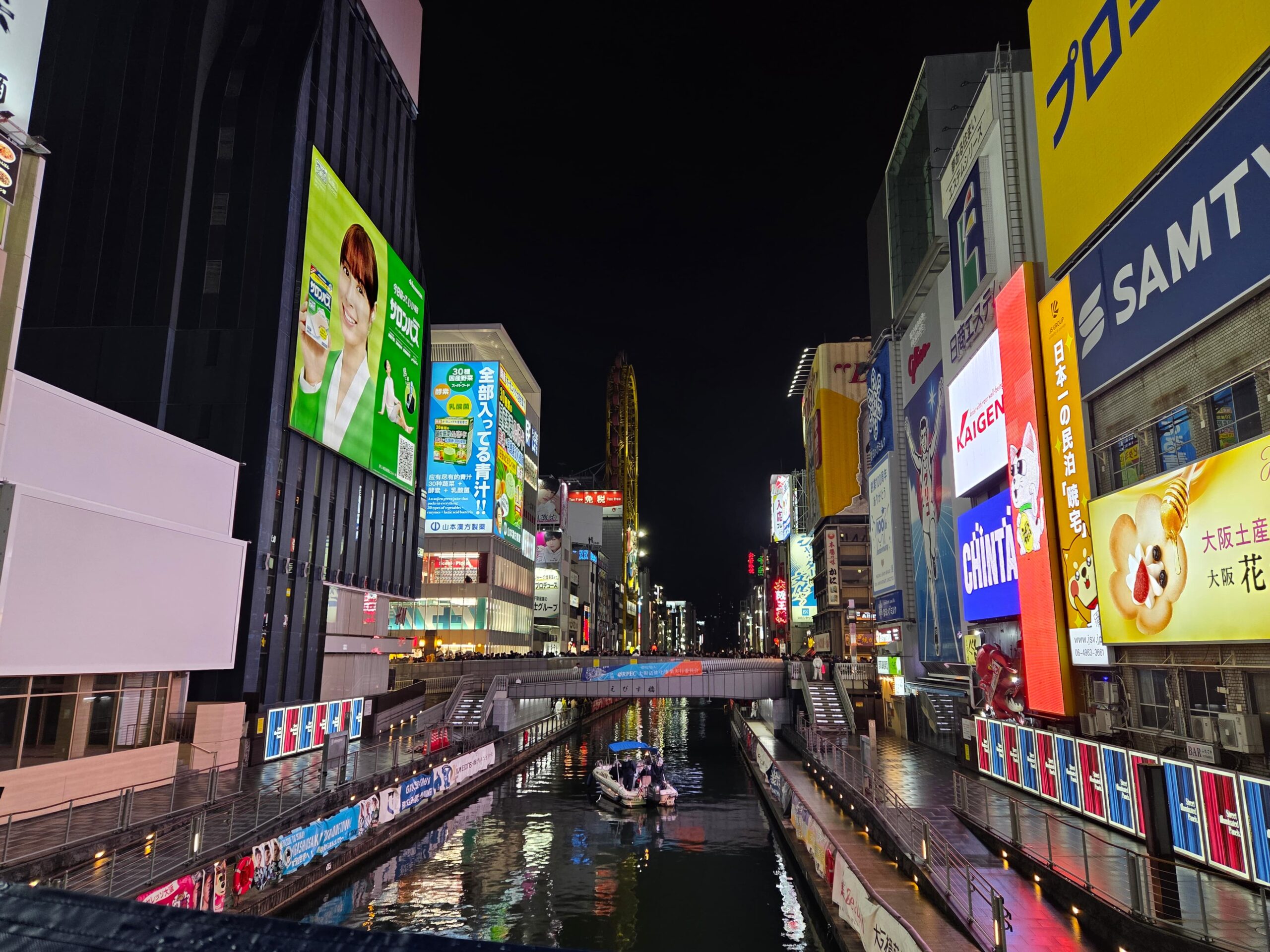
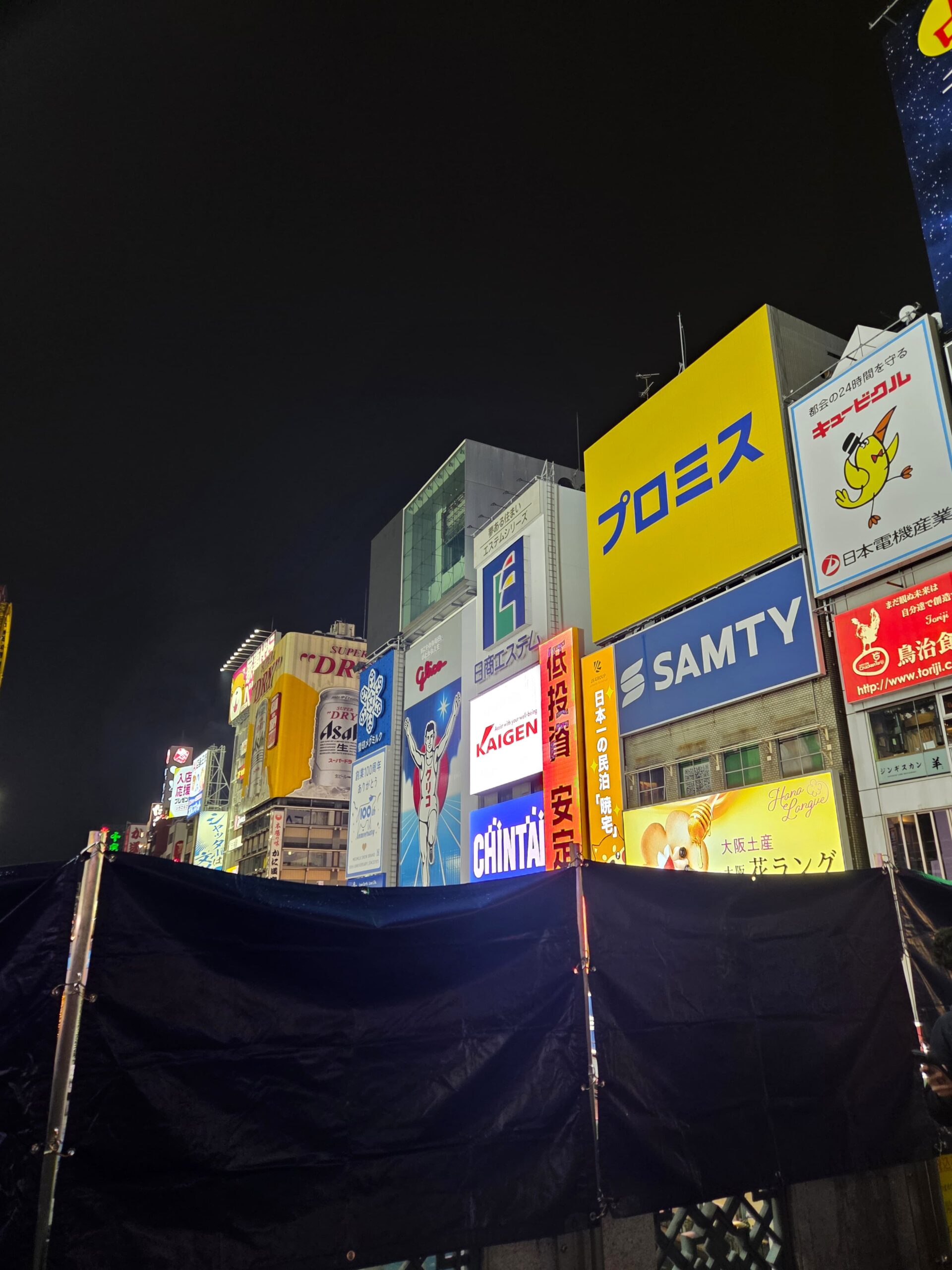
My final full day in Japan has arrived, and it’s spent the whole day with Leo. I started the day returning to the Glico sign area.
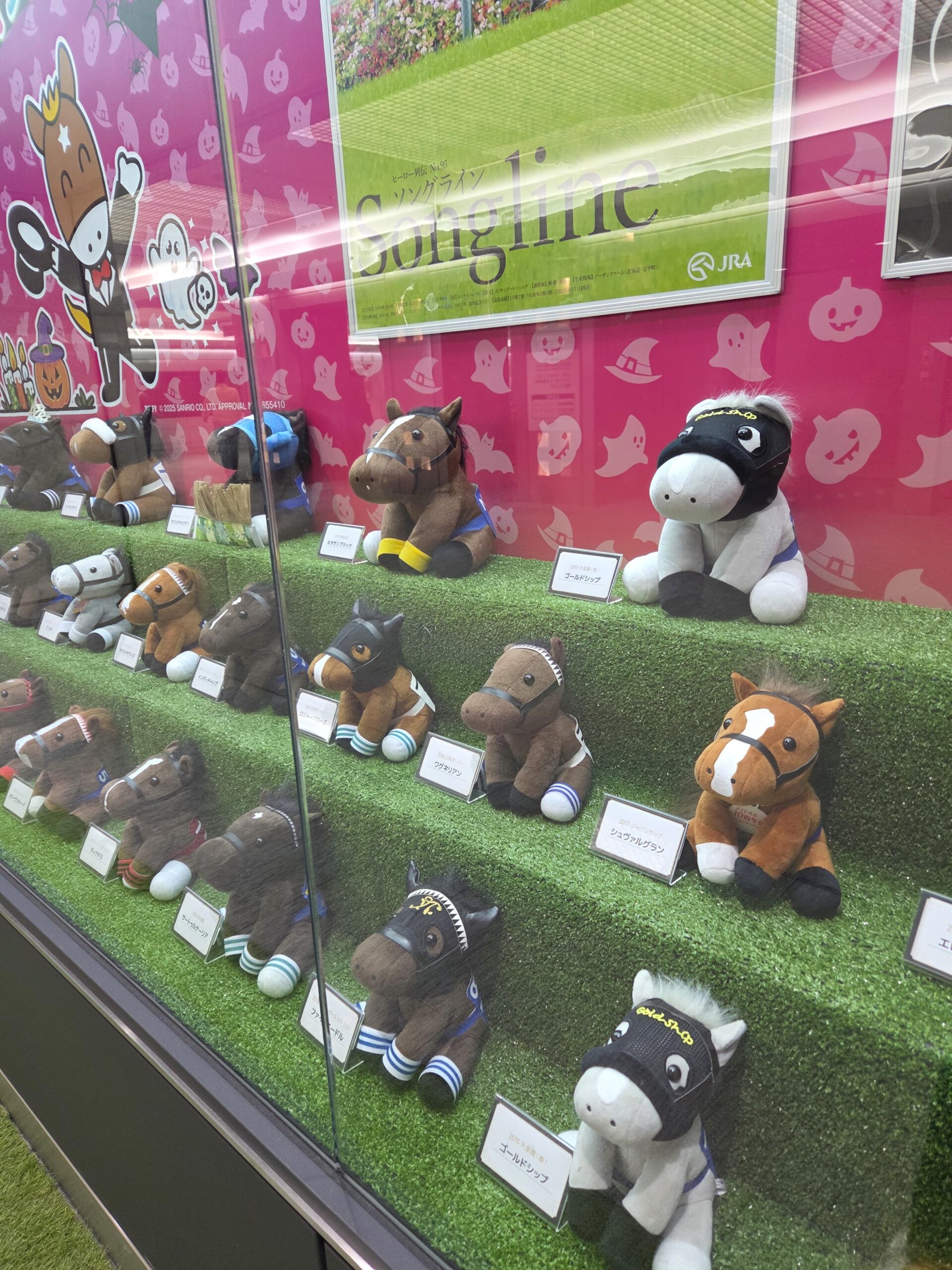
While on the way there I found a JRA (Japan Racing Association, for horse racing) betting shop opened on that day, which was apparently accepting bets for the “Tenno Sho (Autumn)” race. I had no intention to bet, but I was curious on how to purchase those race horse plushies, so I went in to ask. Apparently they don’t sell them there at betting shops, and only at certain places, like the gift shop of the race tracks.
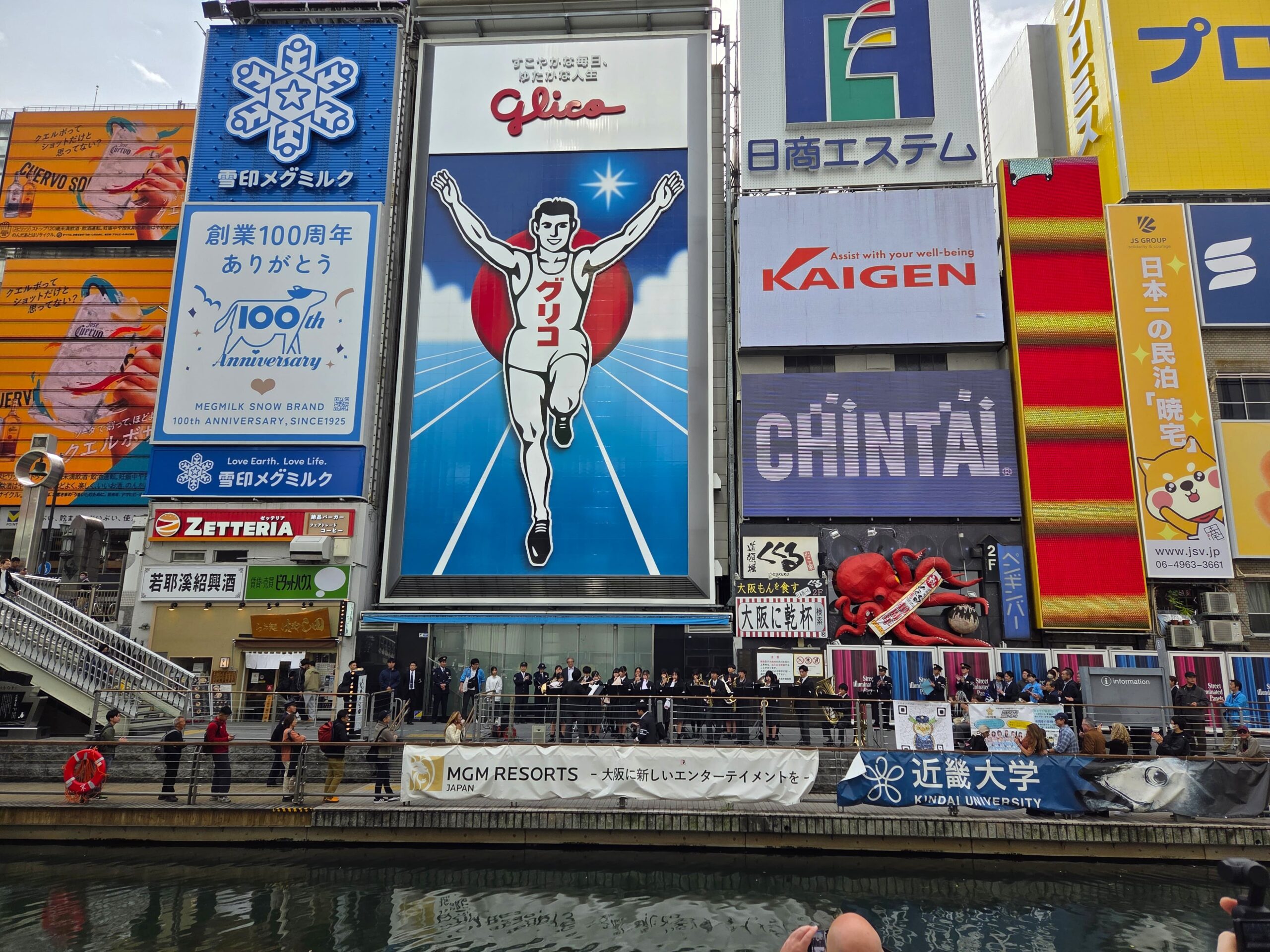
At the Glico sign area, I saw a school band was starting to perform, but I had to quickly leave since I was meeting Leo nearby.
I met Leo for lunch at Shinsaibashi’s Daimaru/Parco malls. We went to explore the shops too but I wasn’t very interested in it. Then we went out and visited several other anime merch shops at Shinsaibashi but I also didn’t manage to buy anything. After that, we went to the Nipponbashi area to visit the shops one by one and there I started to buy things. I found quite a lot of interesting stuff from various series, like Ao no Hako, Spy x Family, Detective Conan, and Umamusume. It was also quite interesting to see the second hand section, since the Umamusume franchise was quite old already in Japan but still quite new outside Japan so that section is filled with things that are quite novel.
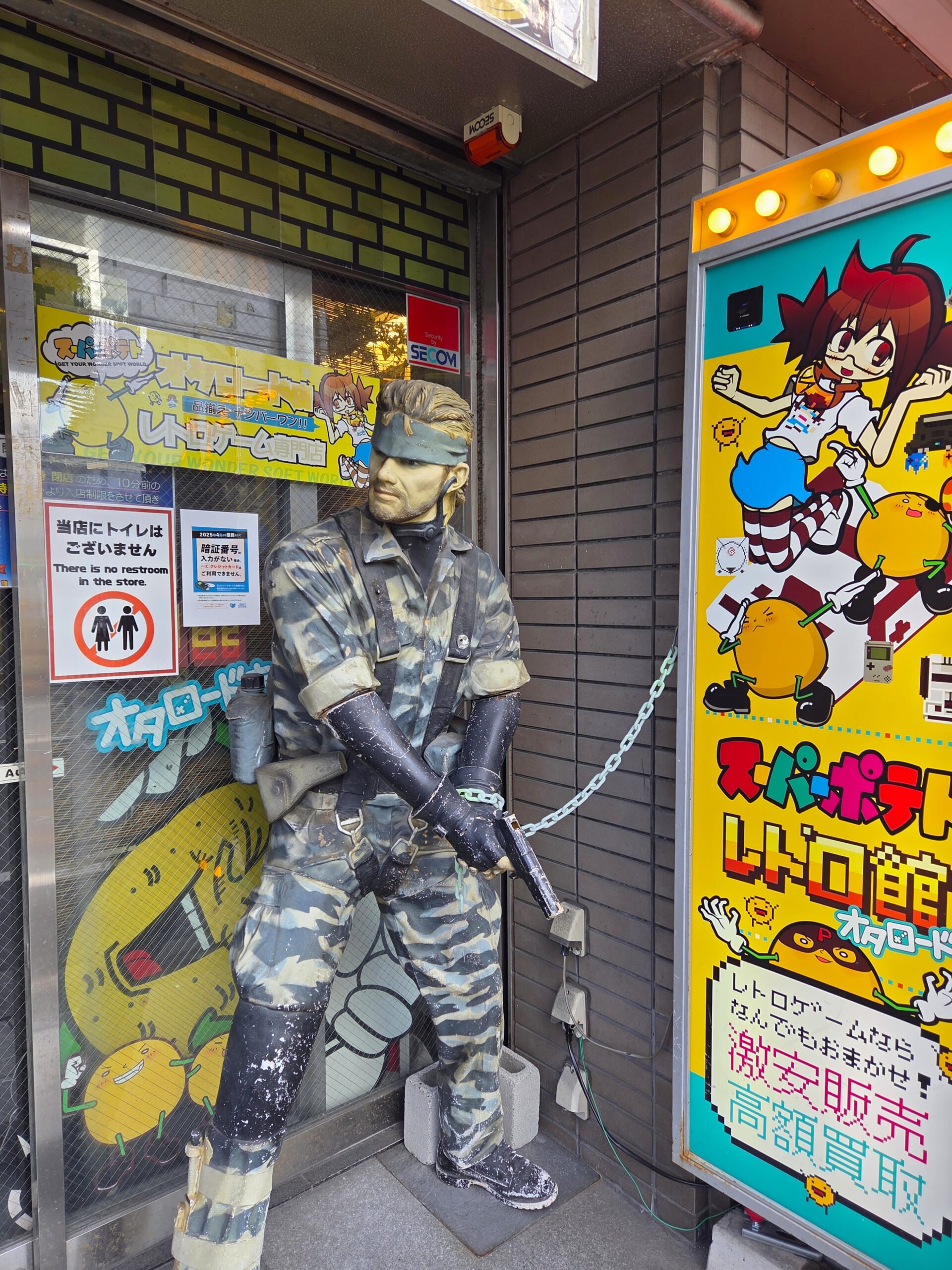
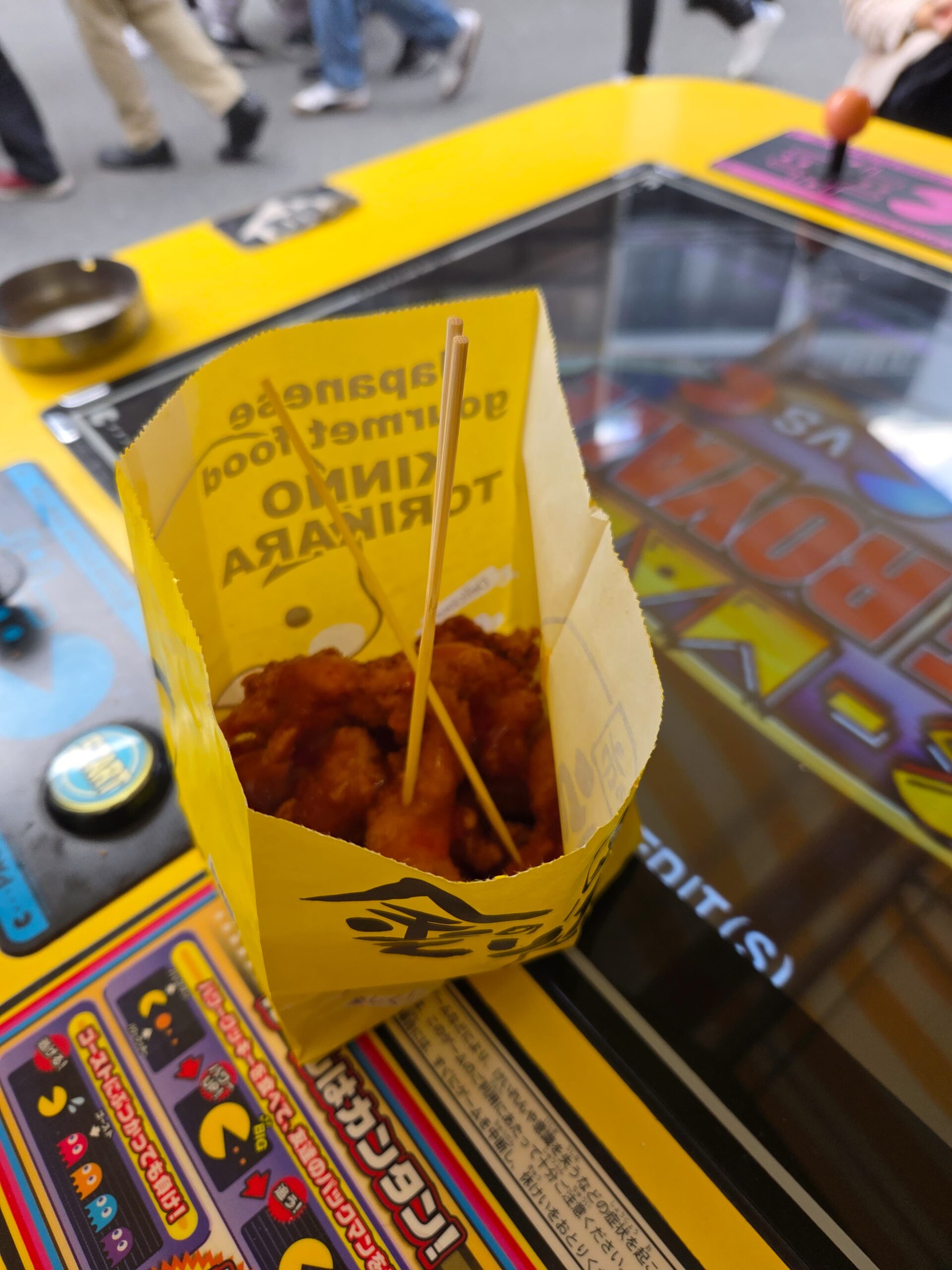
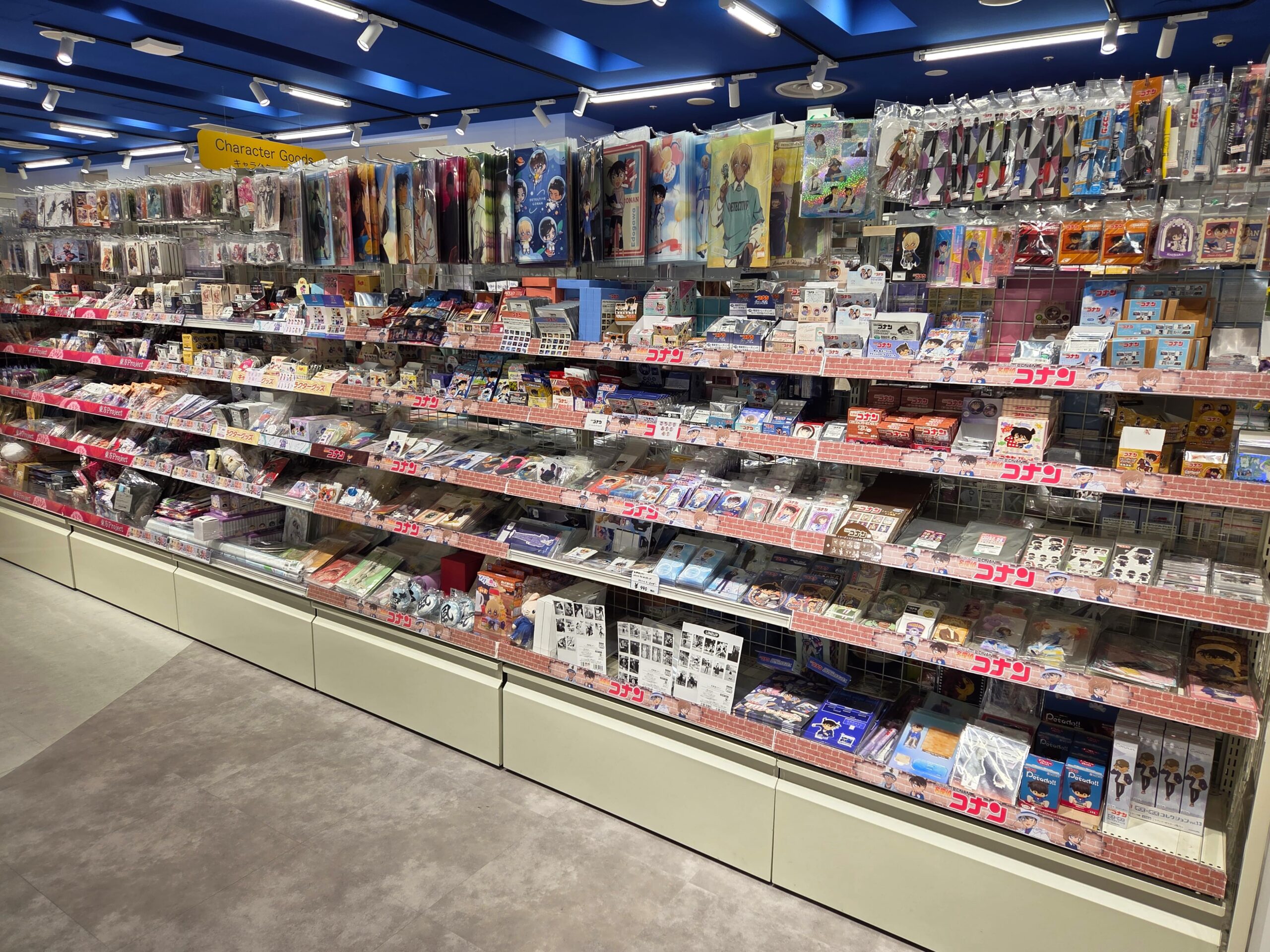
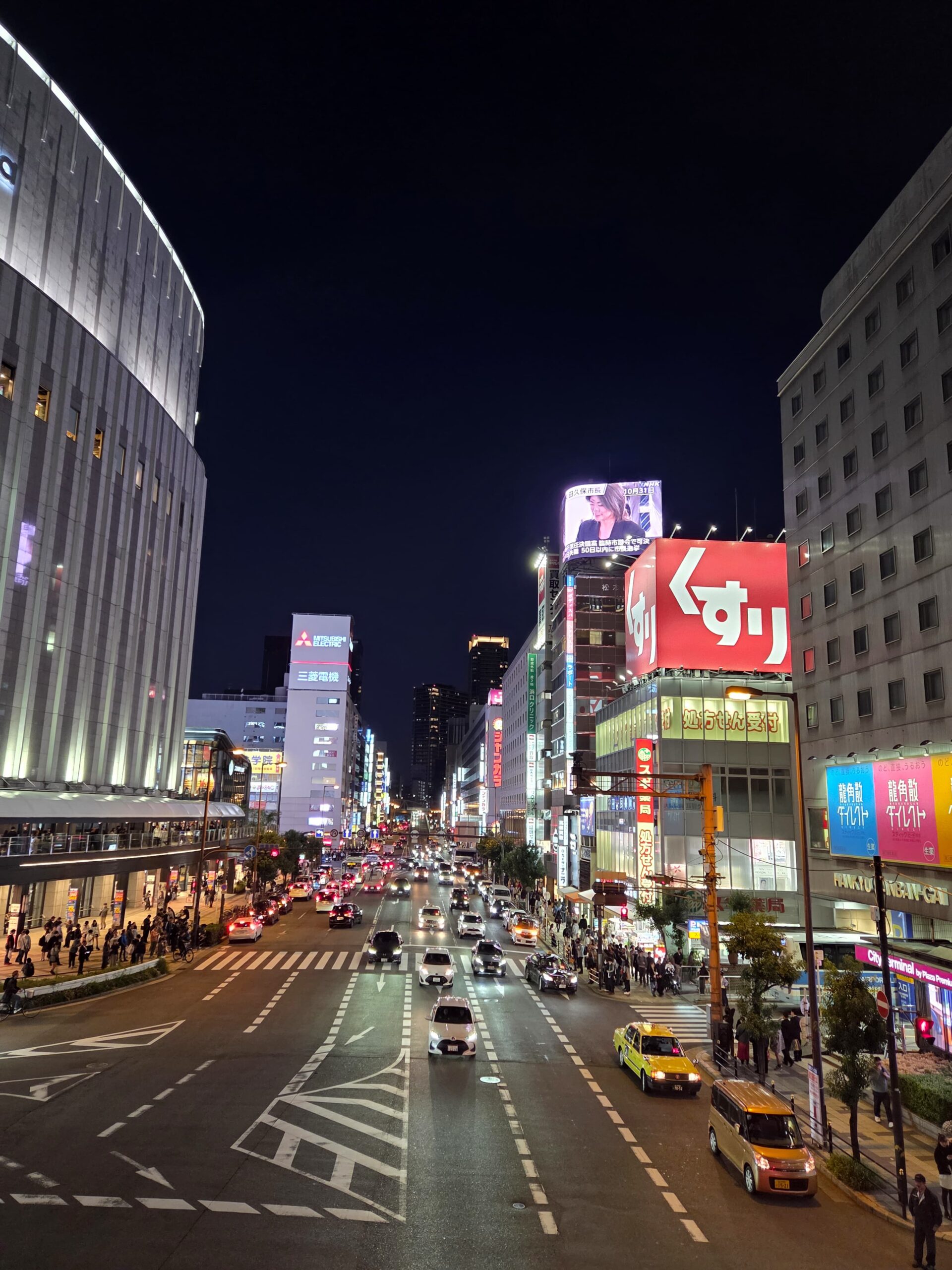
Later that day, we went to the Umeda area for Uniqlo. I initially didn’t plan to visit any Uniqlo at all, but it was a trap. Once I was in, I found very cute T-shirts and then checked out :P
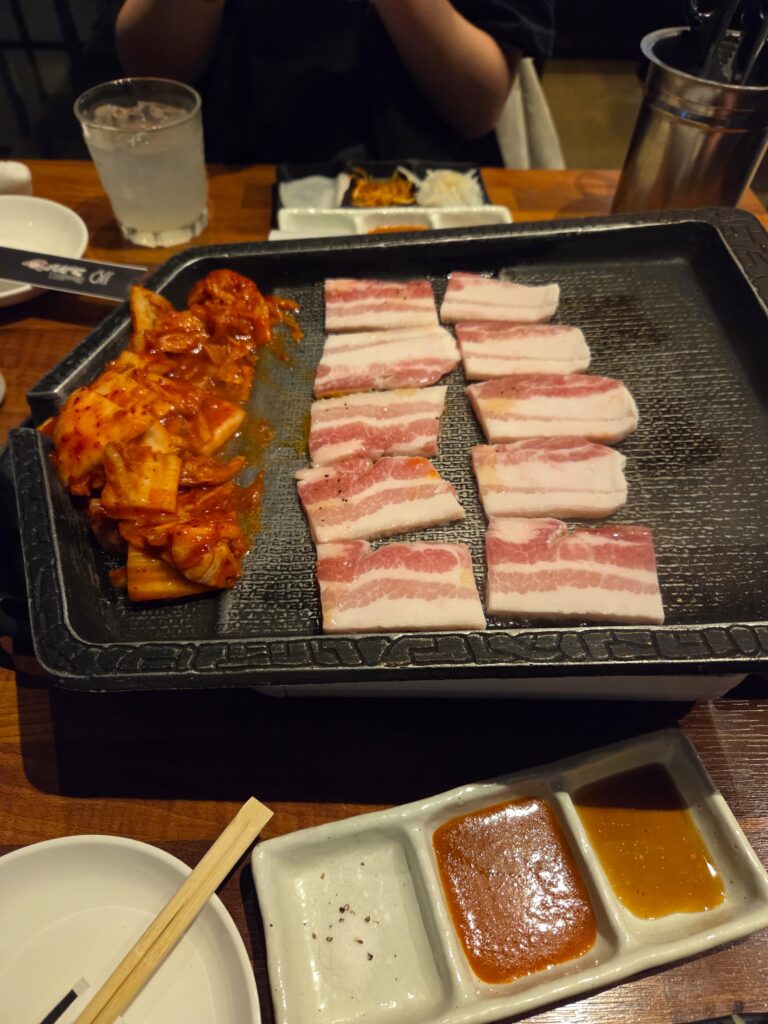
After that we had dinner and then browsed Tower Records which is quite interesting that it carries a 2nd hand section too, though I felt there was too little time to browse one by one; and then to Animate, for my final chance of anime merch. In the end, I bought quite a lot of anime merch since I felt I might not return anymore for quite some time.
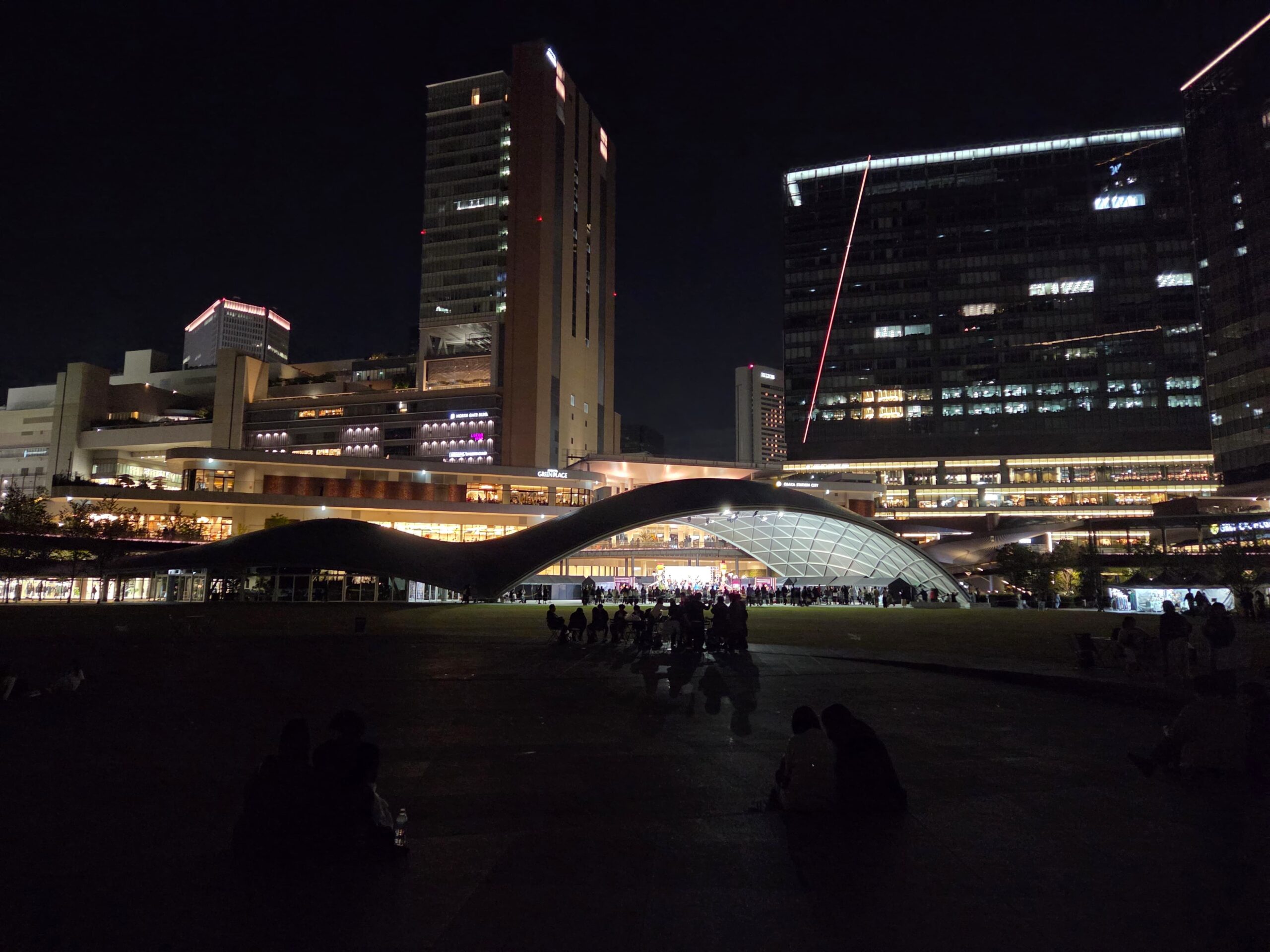
Finally after that we walked to Umeda’s park area and sat down and talked for a long time. It was quite nice to spend time talking about the past, present, and our future. When we departed, it’s kind of hard having a feeling of not knowing when will be the next time we’ll meet again.
The final night in Japan was mostly spent repacking my luggage and preparing for check-out the next day.
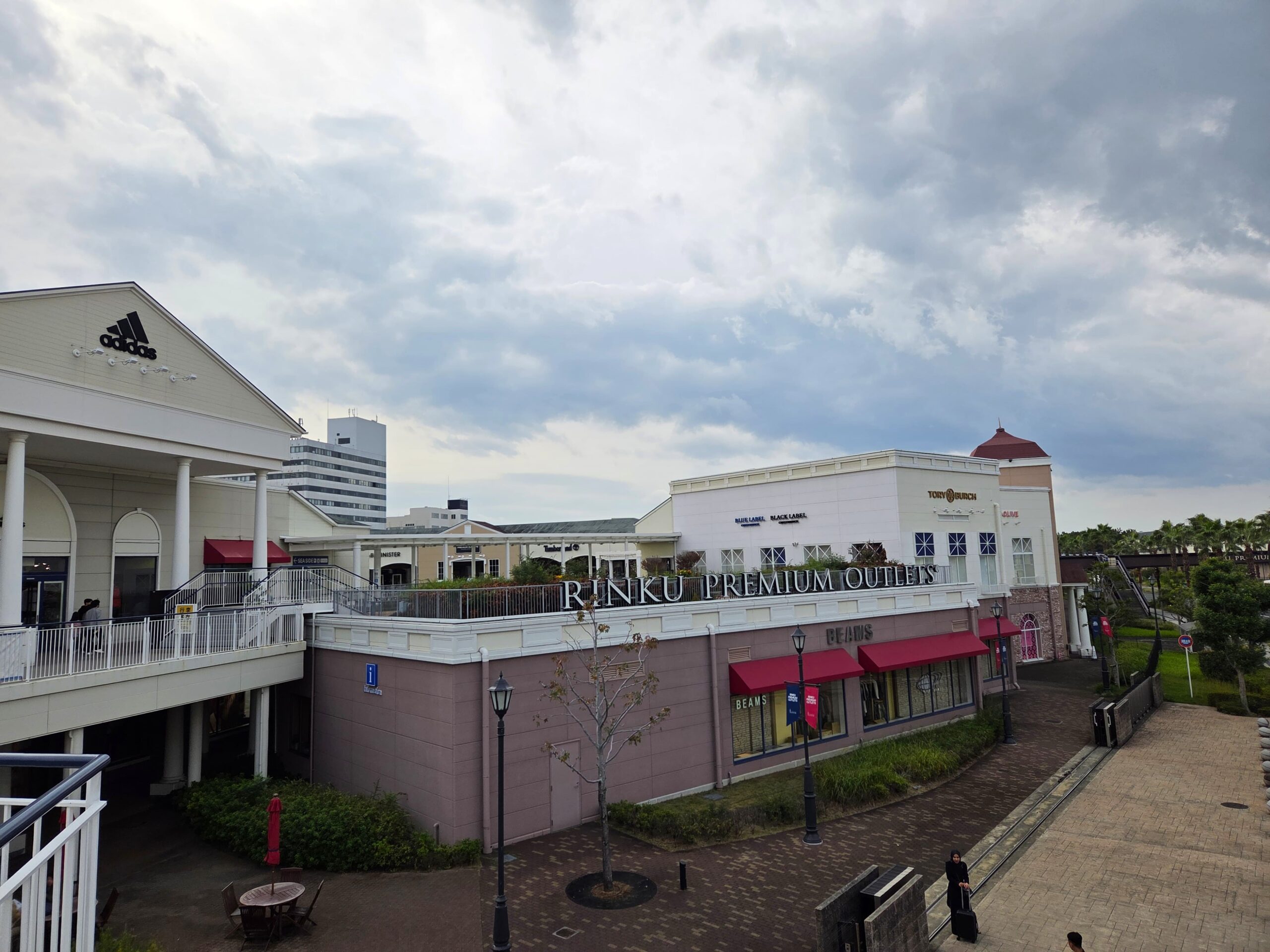
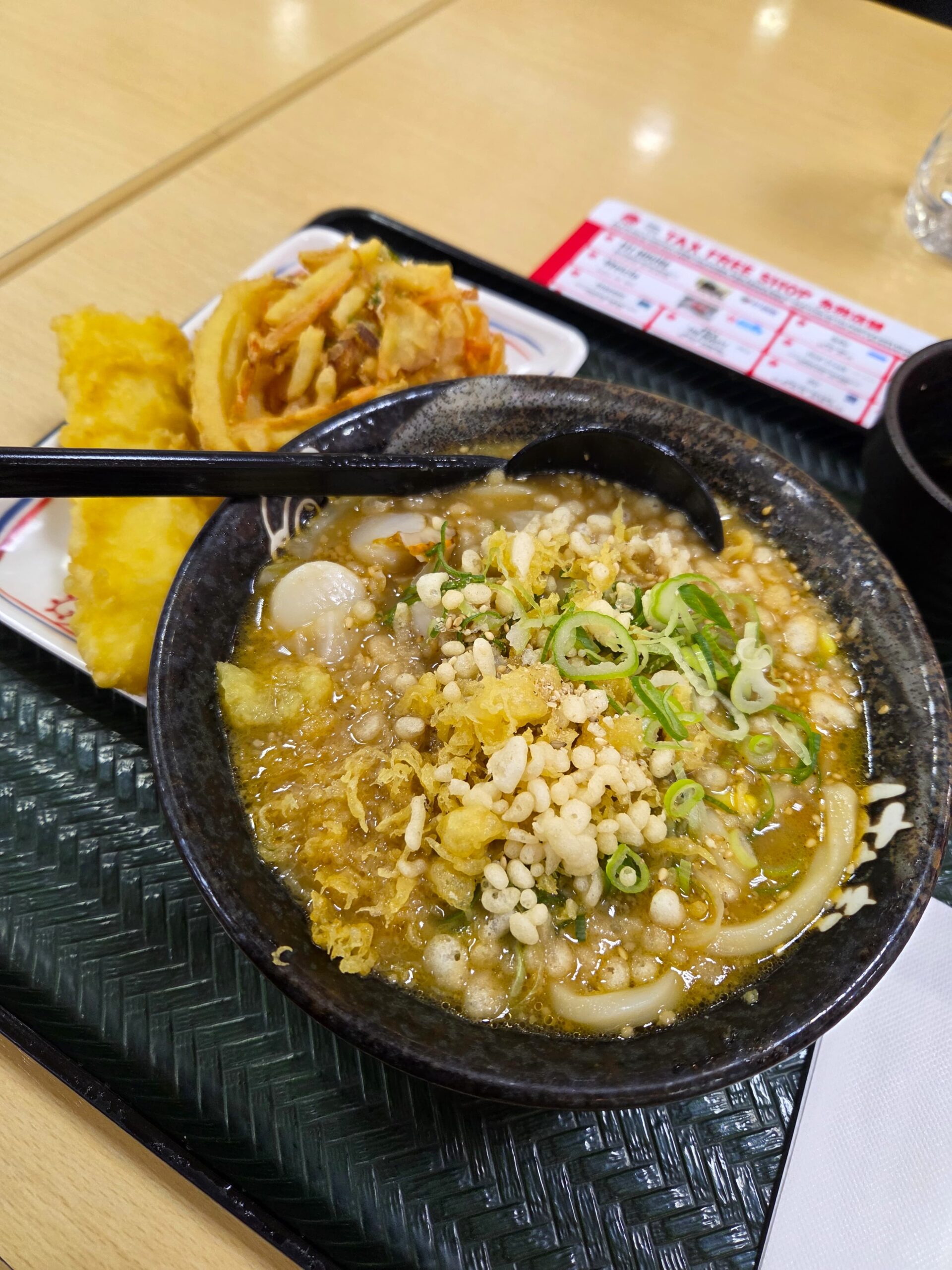
The next day, I checked out around 9 am and then headed out to the Rinku Town Premium Outlet mall area. I browsed the shops, but only bought one pair of shoes (as previously planned) due to space and weight constraints of my luggage. After that I had lunch, repacked my luggage, and then went to the airport.
Back to Singapore
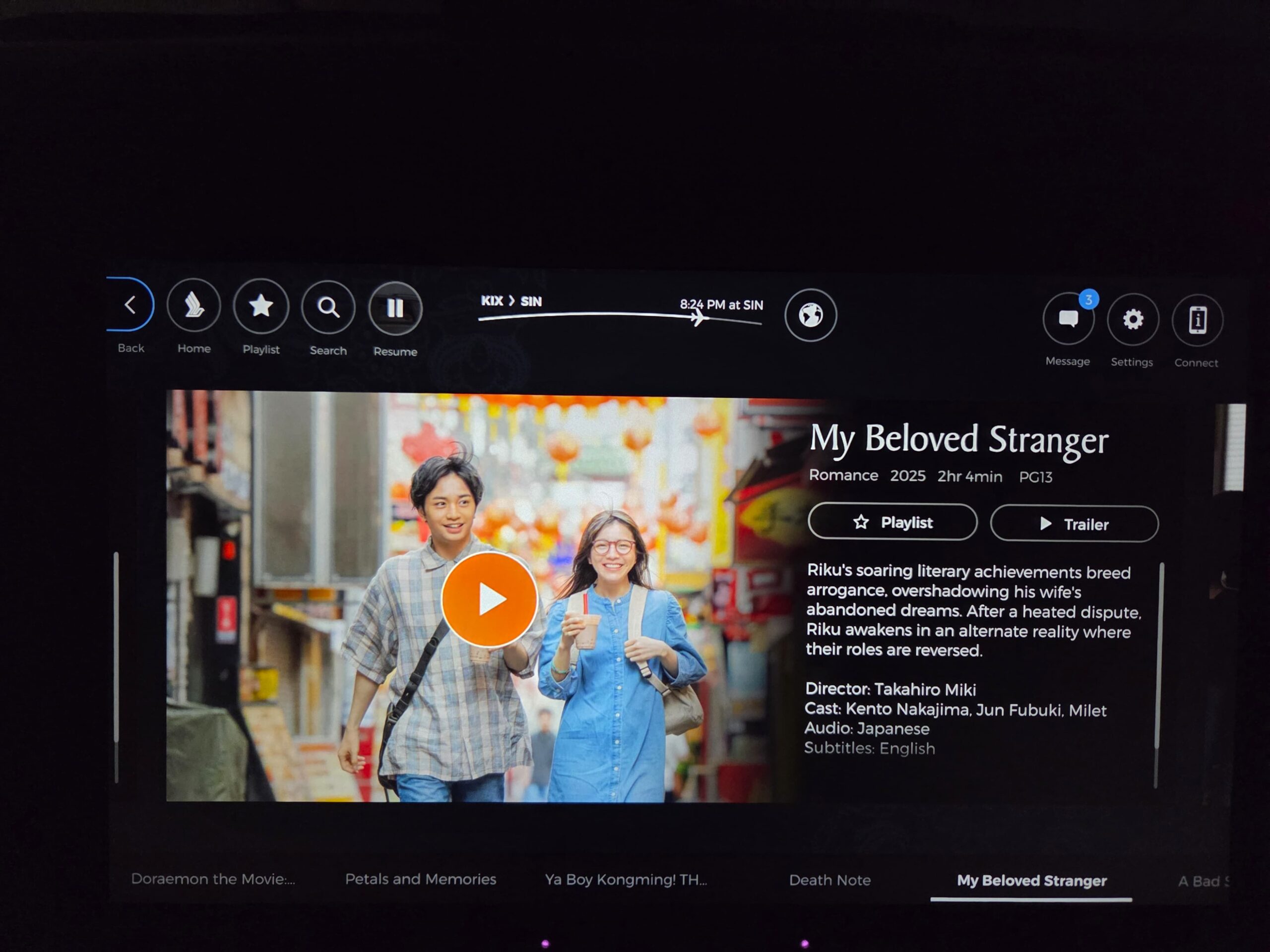
The flight back to Singapore was really pleasant. Although I was seated in the last row of the plane, the service and environment were pretty good. I also managed to watch many Japanese movies, like “Shiranai Kanojo”.
Reflection
With that, I’ve written so much on the day-to-day trip progress, but here are more reflections on various topics:
Tourist Information Centre
In this trip, I didn’t research very deeply on each place, mostly researching places just enough to know if they were interesting to visit, how long to spend, and if they’re close to other places.
Something I didn’t expect very much in this trip is that I kept visiting Tourist Information Centres! They were very helpful in providing tips like how to go to certain places, they provide hardcopy maps, and sometimes they even sell day passes for buses. I found the Tottori City bus day pass from the Tourist Information Centre. From the Matsue one, I got the city map. From the Izumo one, I got the bus timetable. From Himeji, I found the advertisement for a bundle of a bus day pass and the ropeway.
Museums
Apparently I really like to visit museums. Even if the signs are all in Japanese, I could feel that museums there put a lot of effort to be interactive and interesting. I think the most interesting interaction was in the Matsue History Museum where some exhibits are displayed at the ceiling and you have to sit down at a laid-back sofa to view them.
Gardens & Parks
I find those paid gardens generally underwhelming for me. Those public parks had a nicer feeling since they generally have more space to roam around.
Castles
I like to visit castles too. While I appreciate the original state that Matsue Castle has been, I also appreciate the “modern museum” feeling that Okayama Castle offered. I think Himeji Castle offered the best balance where the original state is maintained at the main tower, but it still has many things to offer as exhibits throughout the halls and rooms.
Temples and Shrines
I also like to visit temples and shrines. While not all temples and shrines were built equal, they’re generally really old and I was quite impressed with how they’re still preserved and still functioning till this date. While I like to buy charms as a form of donation, I only “pull” omikuji once on this trip at Izumo-taisha.
Food
I find that the Japanese food is still quite nutritionally unbalanced, and I felt too heavy on carbs. That’s why this trip I aimed to buy and eat fruits, even though they’re expensive. I made an effort to find the local fruits produced by the prefecture if possible. Like in Tottori, I found some persimmons, which tasted like a peach, but the texture looked like a tomato. In Matsue, I ate some pears. I felt like shine muscat grapes are trending since those are easily found everywhere I go.
The best food was probably the highly rated sushi in Himeji called “Totoro“. When I tried visiting them at lunch time, I was too late and there were 18 groups queuing. I gave up and returned at dinner time. There was no queue around 17:45 but after I entered, it became full and now there was a queue. The sushi was amazing, very fatty for all of the pieces.
Language
I found that when I want to communicate, I was able to. I think my listening ability was much higher than speaking, as I generally understood what the other party was trying to convey. However, when speaking, sometimes it felt like the words I wanted to use just didn’t come out well and the other party got confused. But I feel this was mainly due to lack of practice.
There was an incident when I was taking a train to Okayama where I sat next to a Japanese lady, and she asked if that train’s last stop was Okayama. I wanted to say “yea should be”, but I couldn’t find the appropriate words for “should be”, and only “hai?” (‘yes?’) came out, while showing my train navigation app. Apparently she’s satisfied with that reply after seeing that.
I felt like in this trip, I became a lot braver in approaching people to ask stuff. Like if there are information desks, I will approach them to ask for directions instead of finding them out from Internet search. Yeah sometimes it could be embarrassing, but most likely I’m tolerated by them since I looked like a tourist.
Conclusion
This trip was a very memorable one. As I become older, I realized that while my ability to purchase physical things increase, I felt like getting more value when buying experiences. That’s why during planning stage, I chose the places that were less mainstream to visit.
The trip gave me both expected and unexpected experiences. I loved the visit to Hokuei, Tottori, and as expected, everything is Conan-themed. However, I was unexpectedly deeply moved by the sunsets of Matsue and Izumo. Other than that, I even shortly joined a chanting session at Engyo-ji Temple. I felt like these kind of experiences were more precious than what money can buy.
This trip was the trip to experience many different flavors of sightseeing: rural towns and large cities; sand and forest; beach and mountain; museum and aquarium; nature and buildings. I also experienced many modes of transport to travel around within the country: trains, busses, and even ferry, streetcars, gondolas, and funiculars. I felt like there’s so much variety packed into this one trip and each one of them have their charms.
This trip also made me learn and grow. I had to rely on myself to travel. I also had to keep practicing my Japanese to communicate with the people around me, especially on asking for directions. I also had to practice flexibility on changing plans. It was just like weather, you can make the perfect plan, but if the weather during the day itself doesn’t support your plan, you can’t do anything much about it and have to change your plan.
Ultimately, while I visited so many places, yet the one that had a deep impression on me was Hinomisaki, Izumo. The beauty of nature and its sunset was second to none. I look forward to more experiences like this.